Hevva Cake
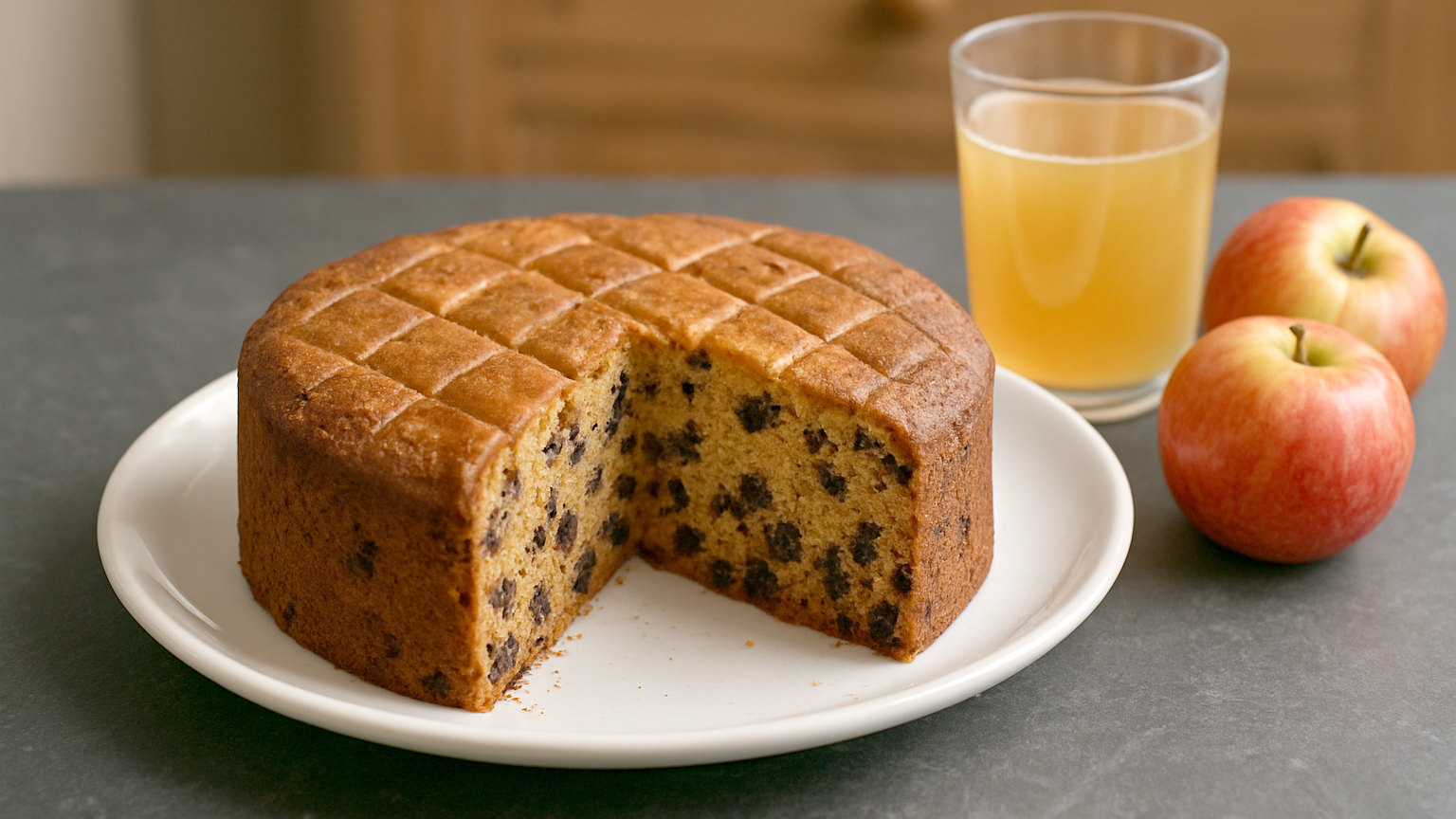
A flat Cornish currant cake scored with a criss cross pattern representing fishing nets. Named after the shout that called the boats in.
By UK Recipes
7 Aug 2026

A great deal of British cooking is local before it is national, and the arguments about it are half the point. These recipes cover the dishes that belong to somewhere in particular - what makes a pasty Cornish, what goes into a hotpot and in what order, what a proper Ulster fry has on it. Where there is genuine disagreement about a dish, we set out the versions rather than declaring a winner.
A flat Cornish currant cake scored with a criss cross pattern representing fishing nets. Named after the shout that called the boats in.
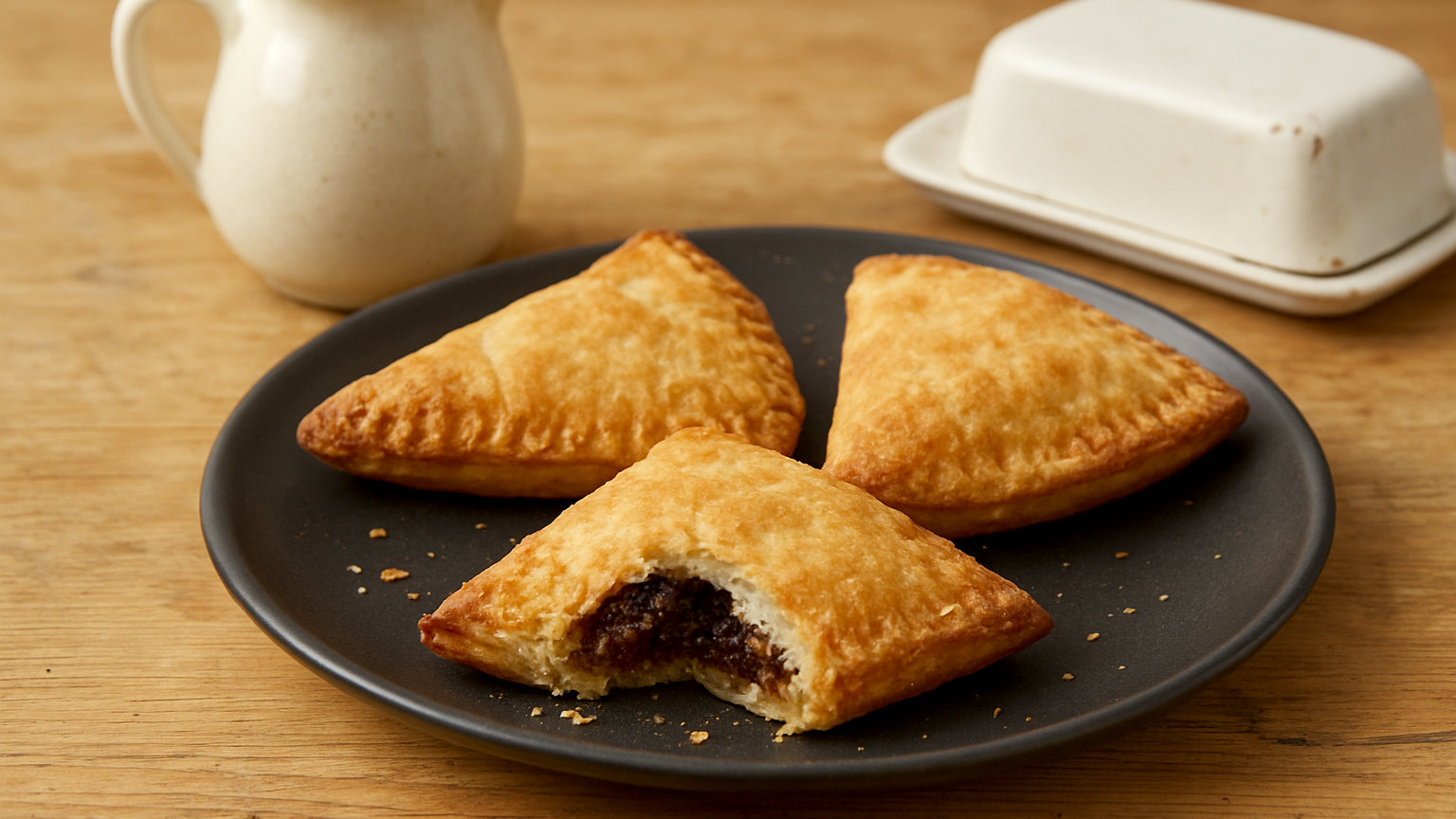
Triangular mincemeat pastries given by godparents at New Year. The three corners represent the Trinity.
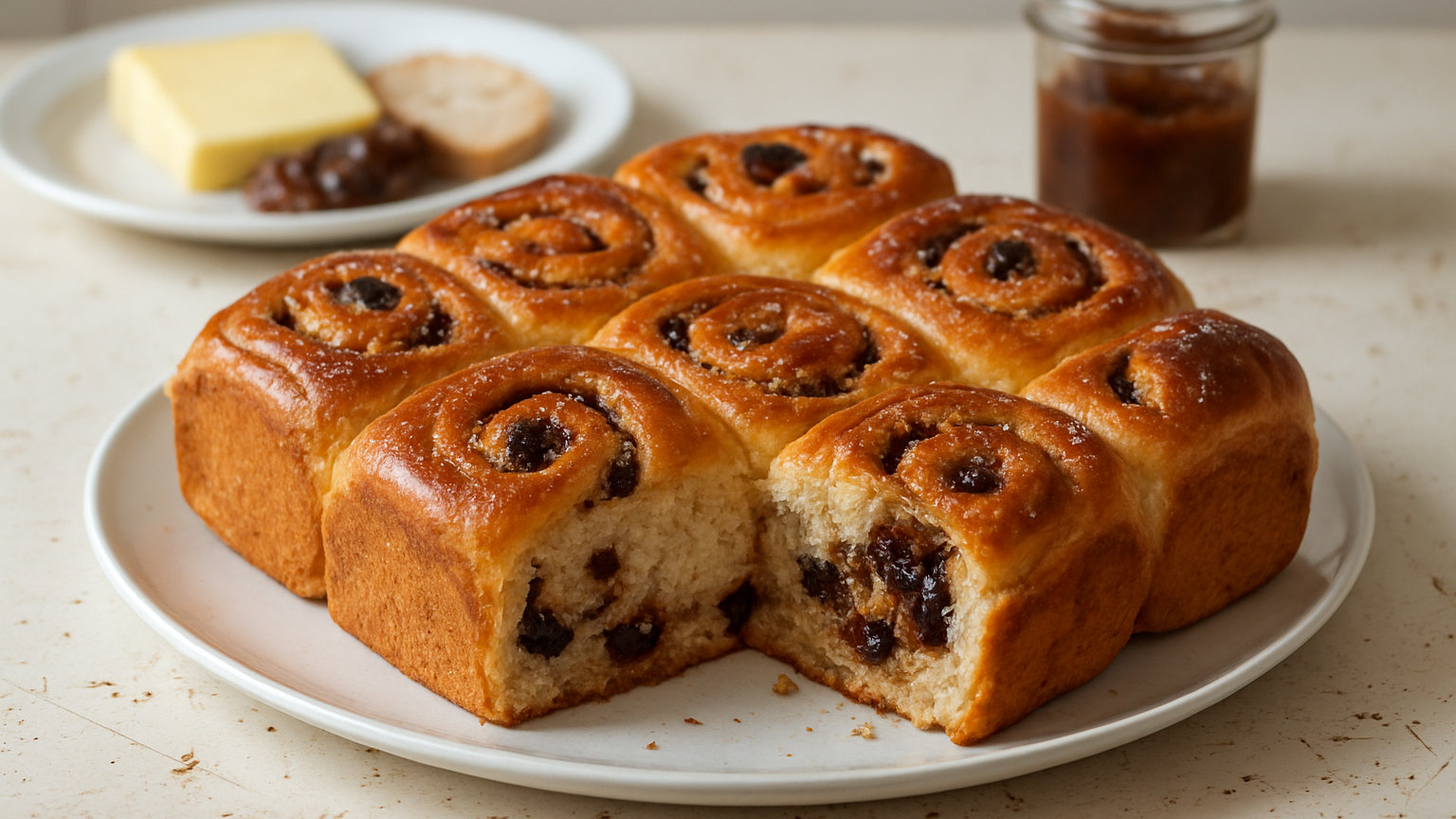
An enriched dough rolled with butter, sugar and dried fruit, baked in a tight square so the buns rise into each other.
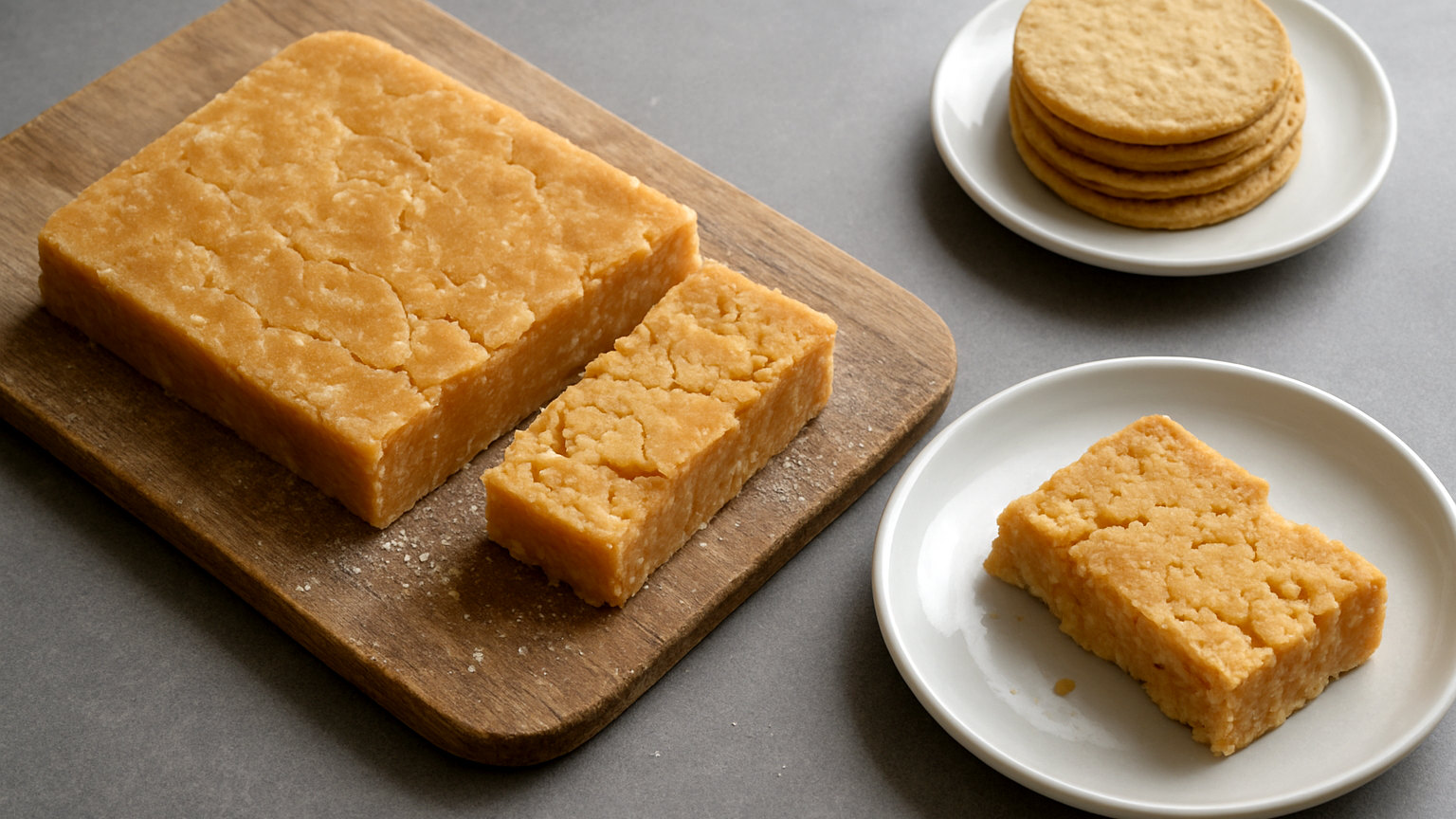
A crumbly Scottish sweet somewhere between fudge and sugar. It must reach the soft ball stage and then be beaten hard as it cools.
Protected status, mountain grazing and salt marsh pasture. The land the sheep graze on shows up in the meat.
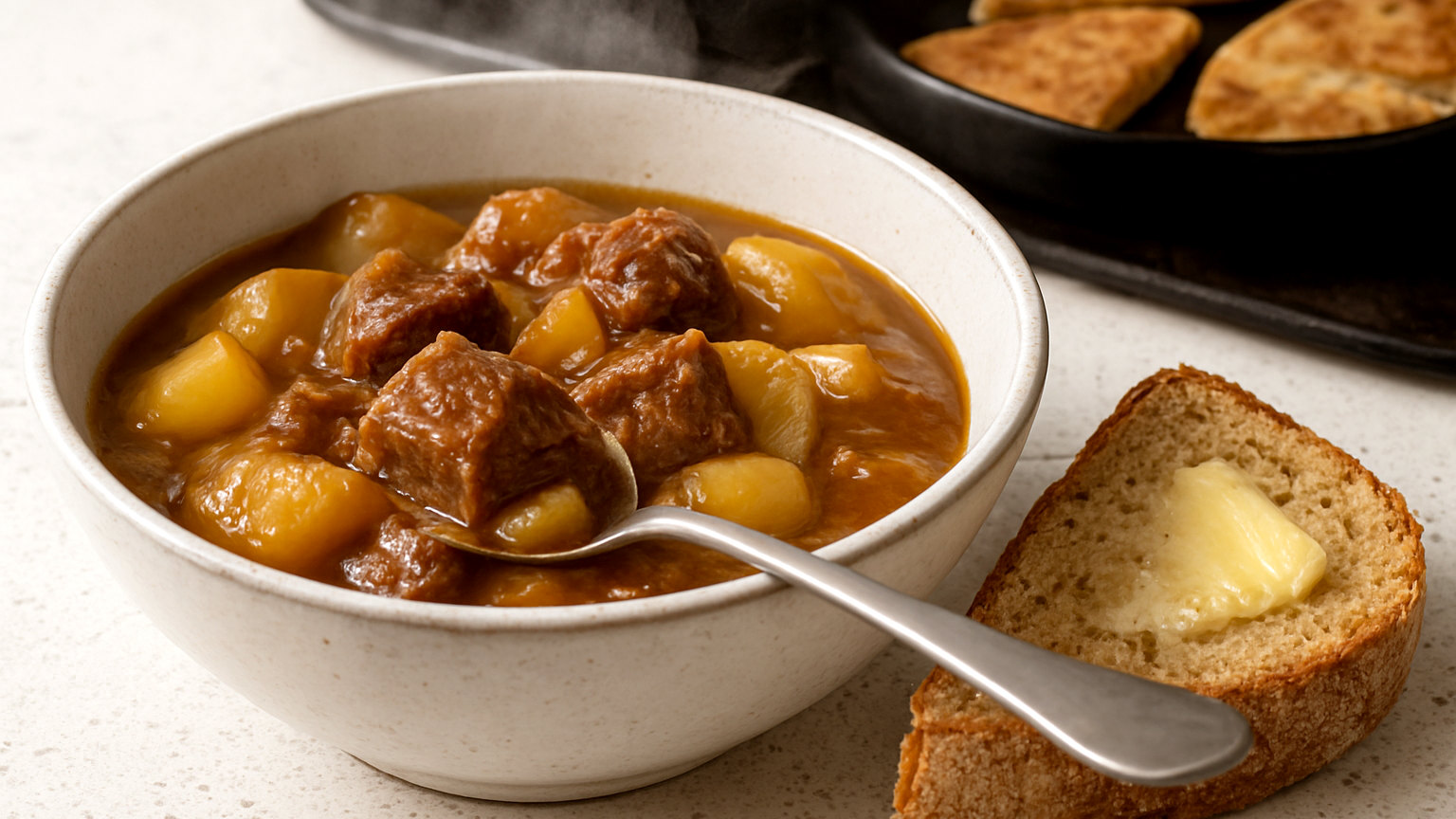
Lamb, potato and onion, and an argument about whether anything else belongs. Layered rather than browned, and cooked very slowly.
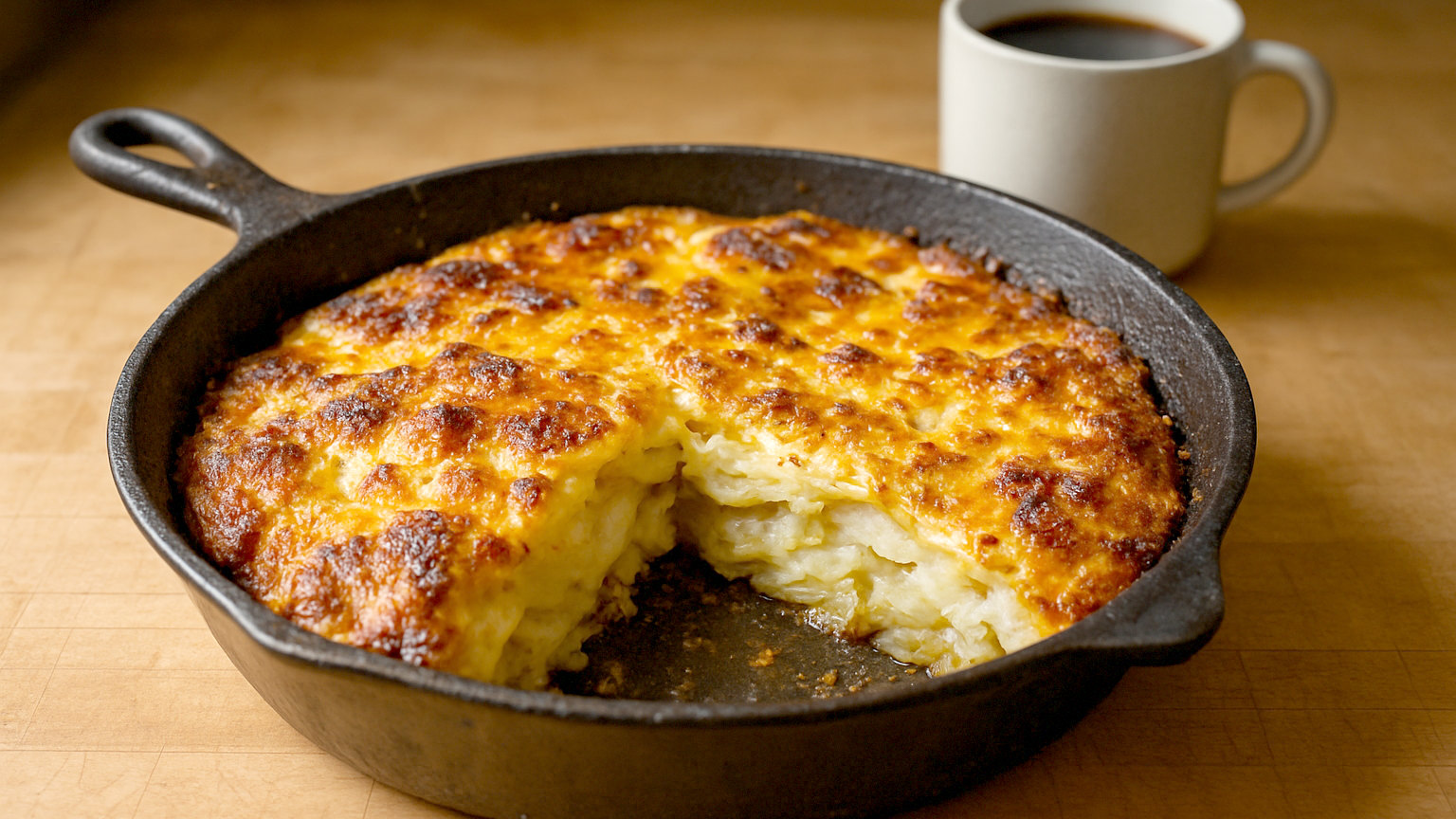
Layered potato, onion and cheese cooked in a frying pan and finished under the grill. A Northumberland dish made from almost nothing.
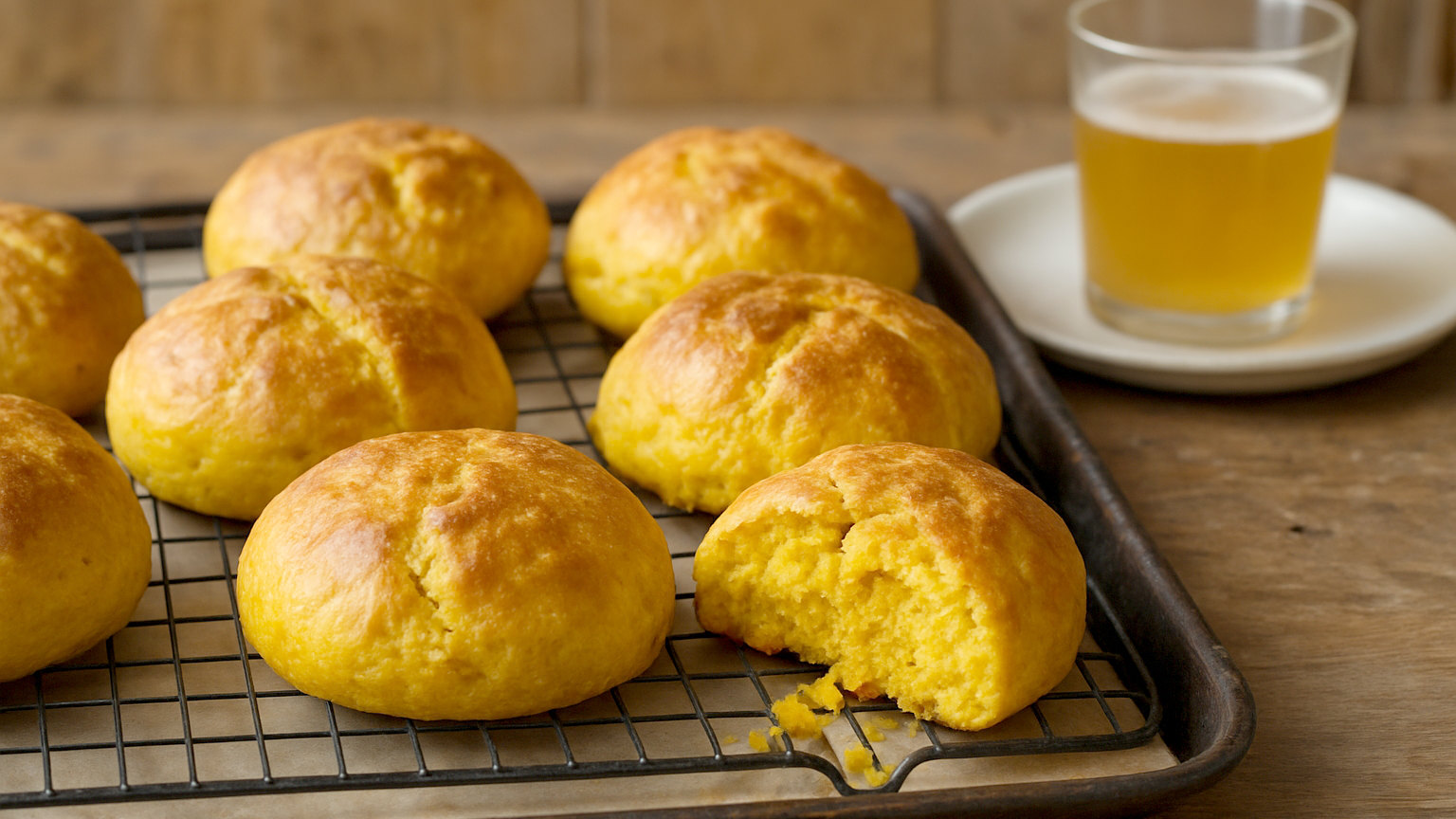
Saffron steeped overnight gives the colour and the flavour. Cornwall has used it since the tin trade brought it in.
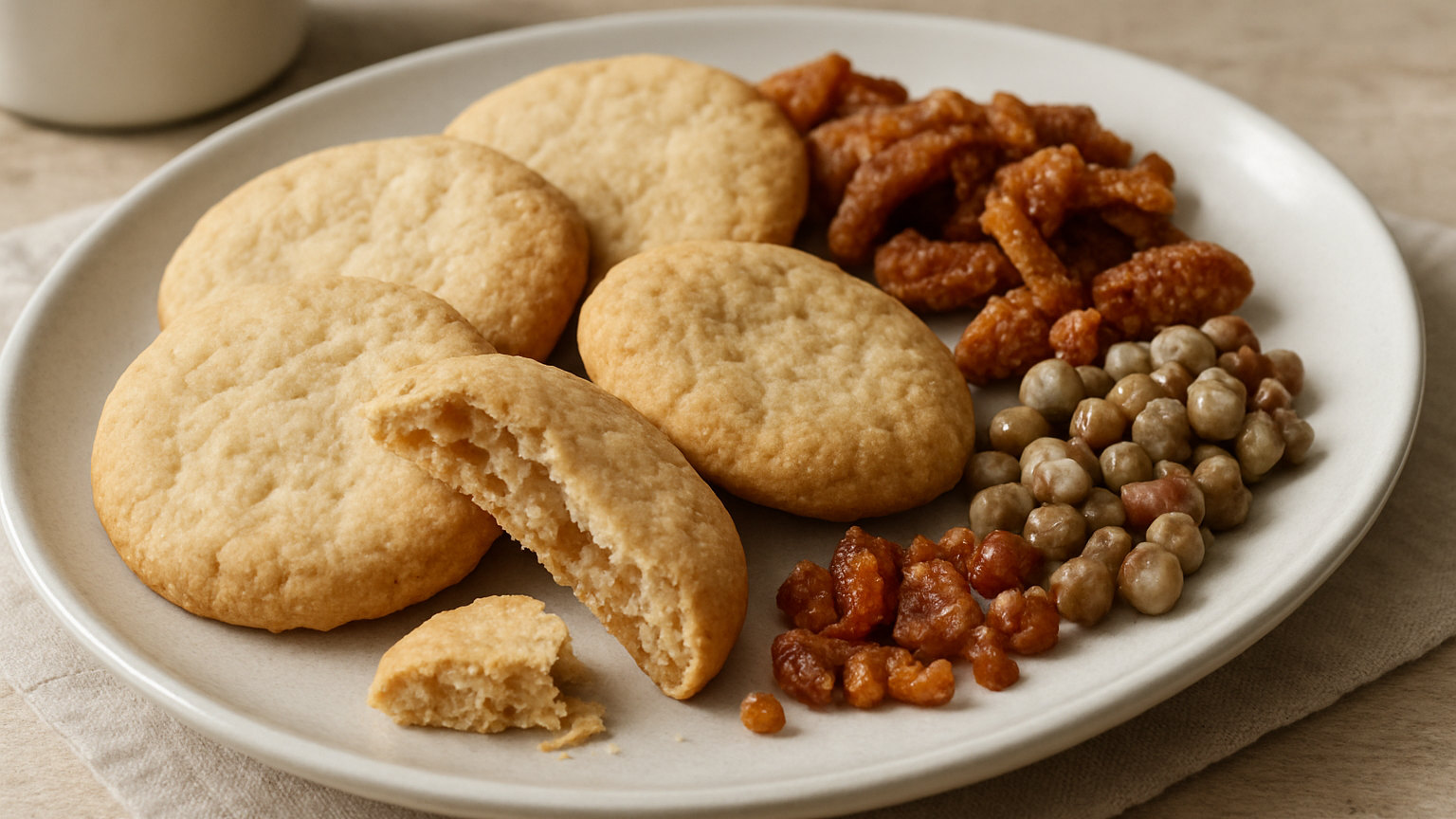
Pale, hollow, crisp ginger biscuits from Lincolnshire, said to have been created by a baker who used the wrong ingredient.
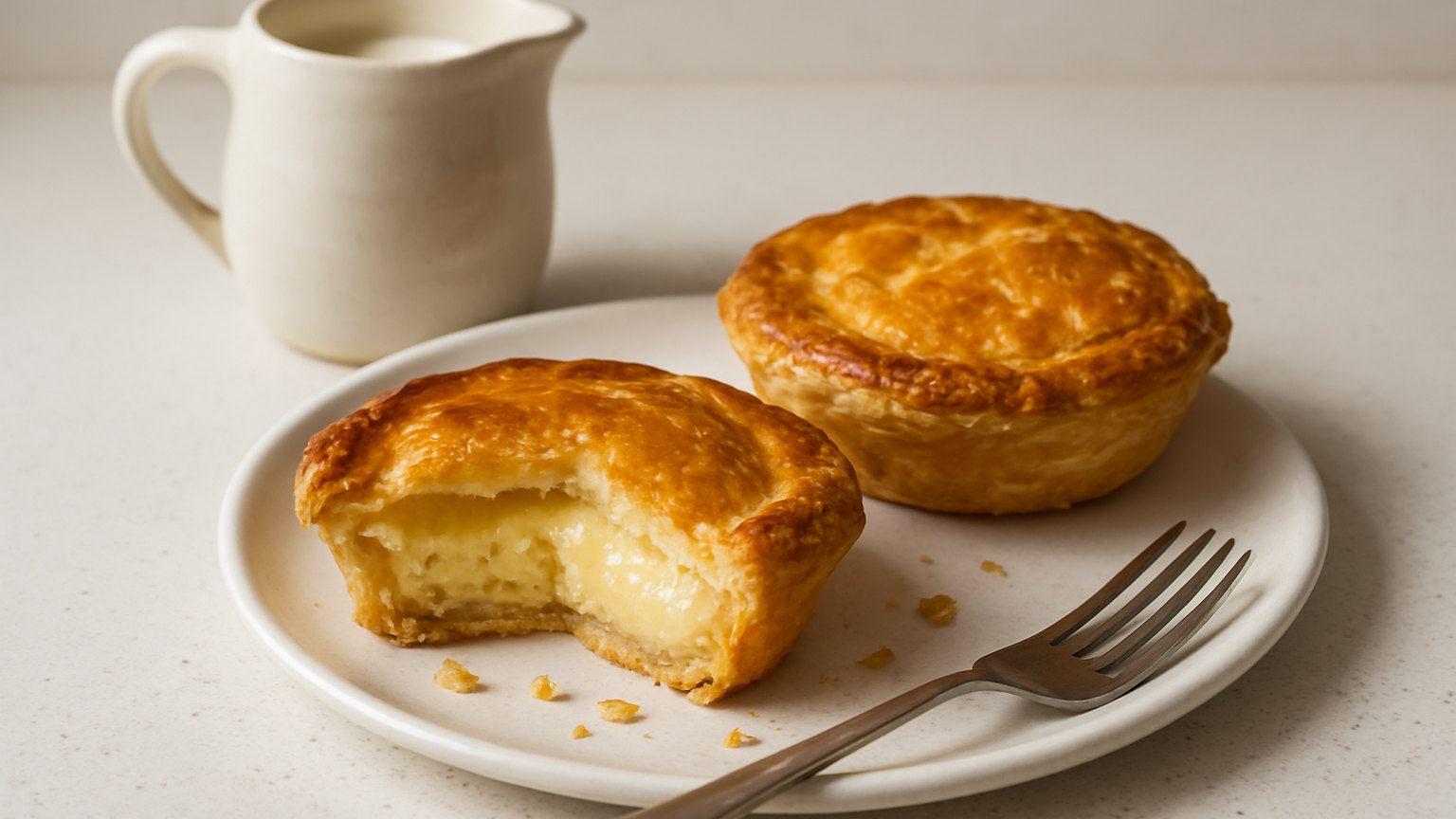
Small curd cheese tarts from Richmond, said to date from the court of Henry VIII. Puff pastry cases with a light almond and curd filling.
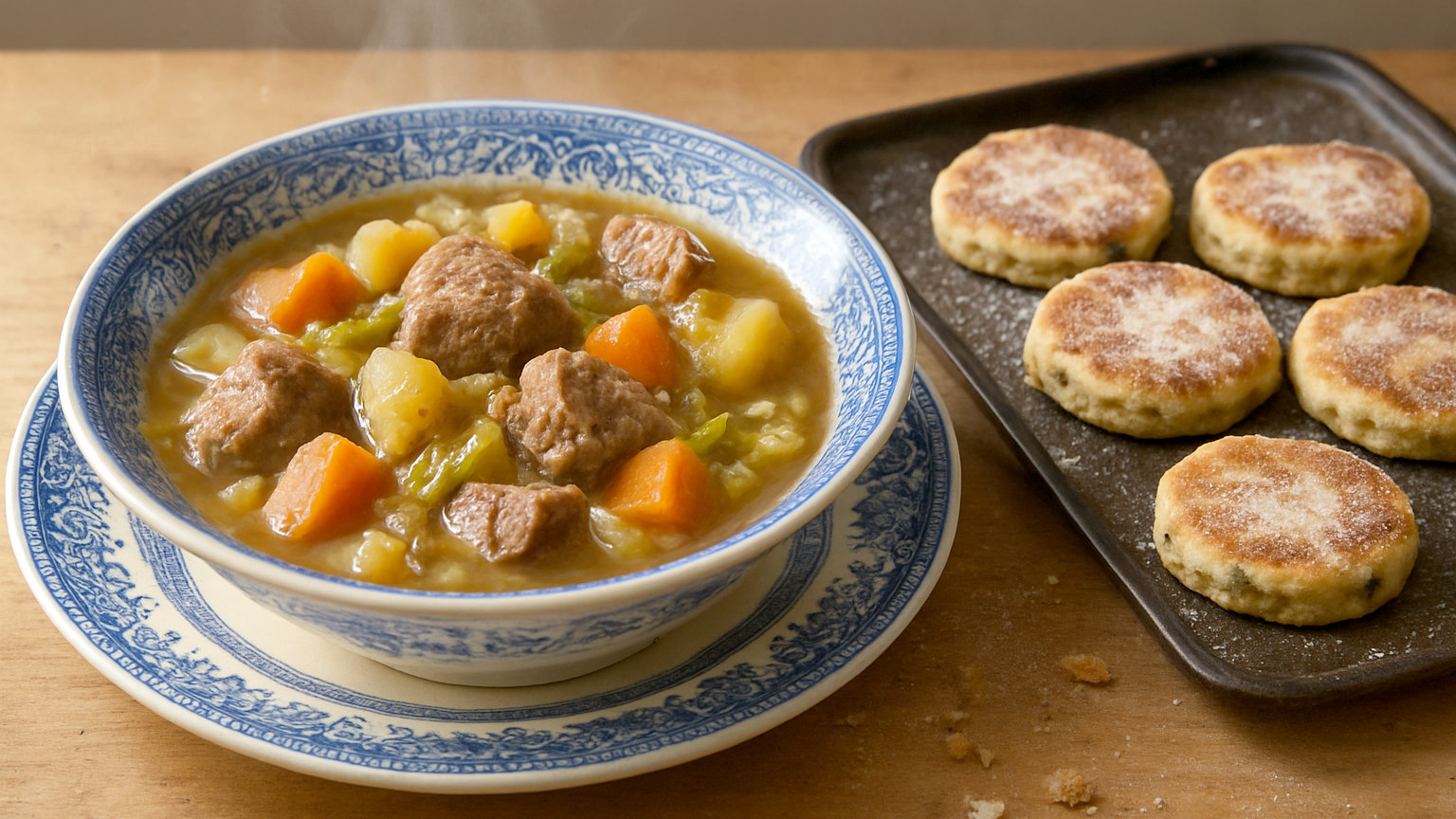
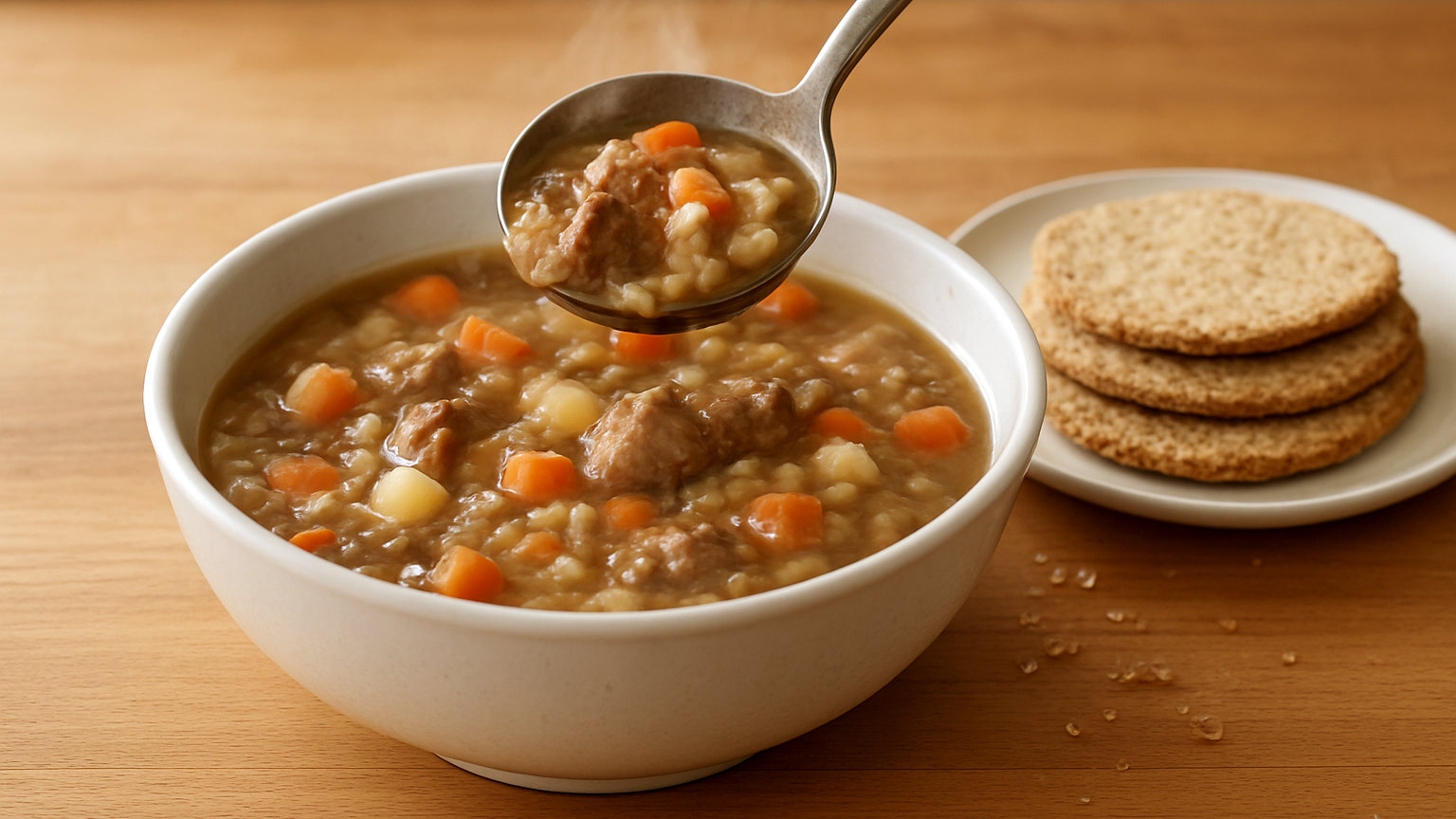
Lamb or mutton, barley and root vegetables in one pot. The barley thickens it and it is better on the second day.
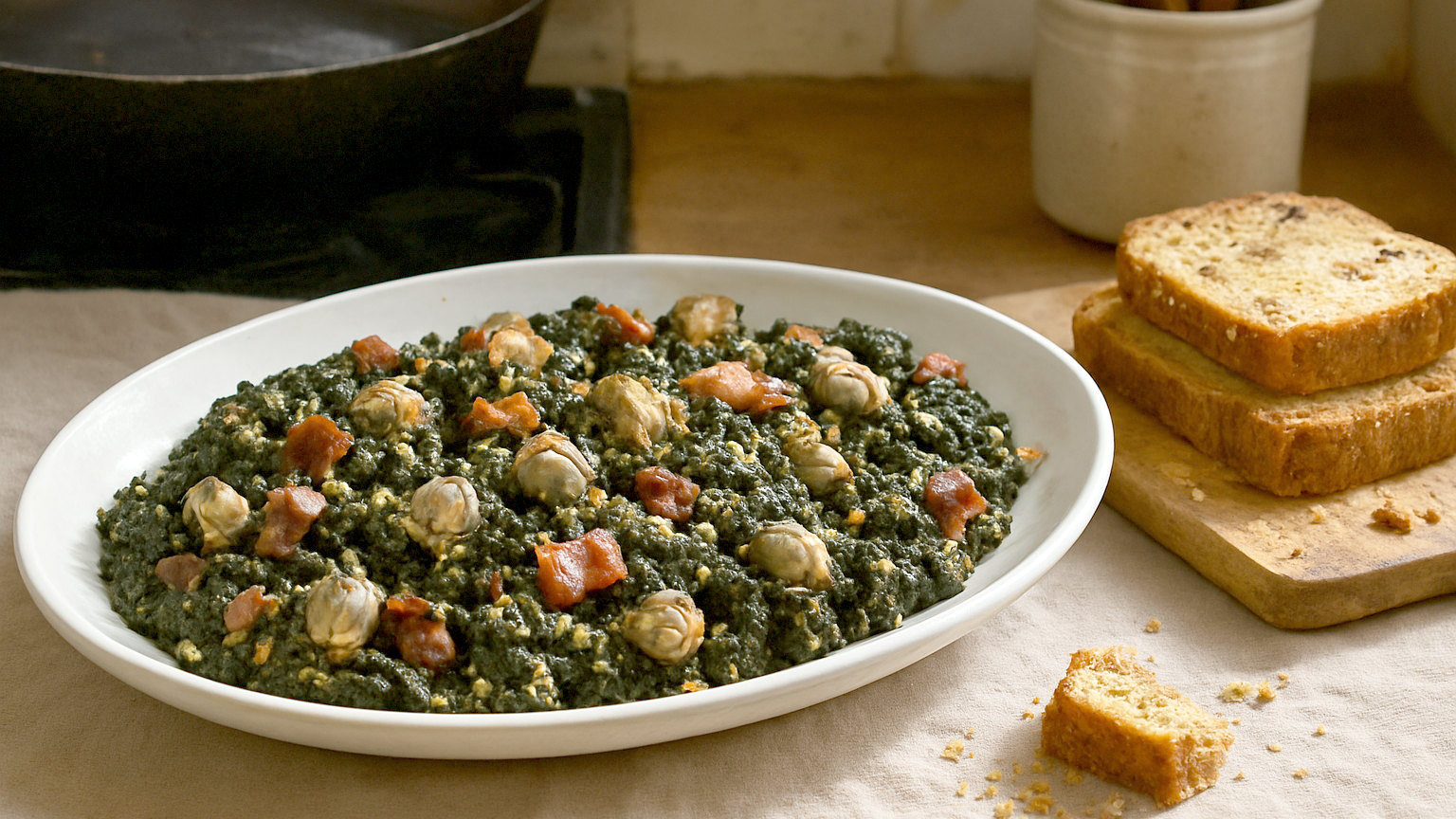
Seaweed puree and cockles fried with bacon and oatmeal. A Gower breakfast and one of the few genuinely unusual British dishes.