Junket
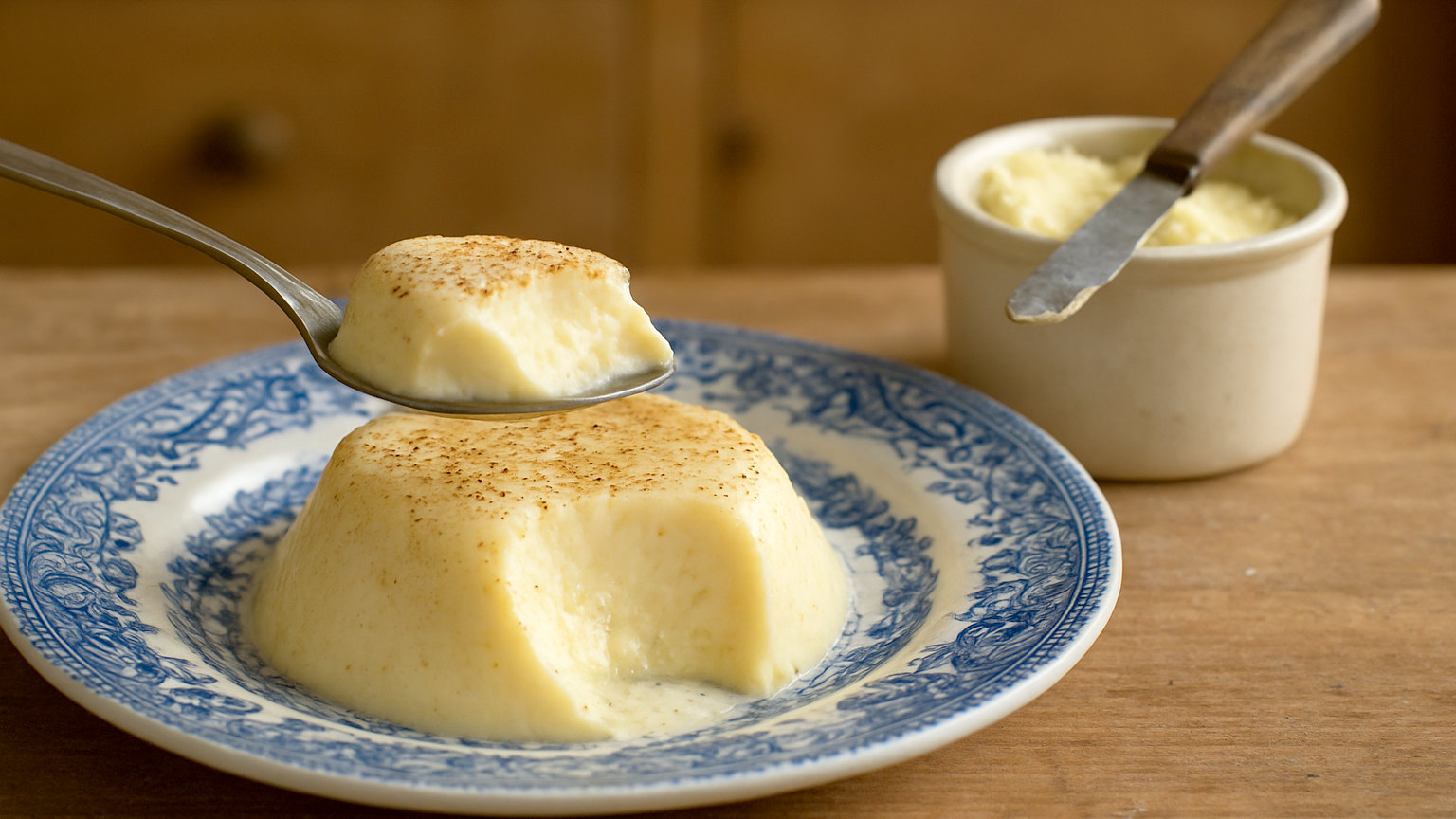
Milk set with rennet into a soft curd, served with clotted cream and nutmeg. It sets in half an hour and must not be moved.
By UK Recipes
14 Aug 2026

A great deal of British cooking is local before it is national, and the arguments about it are half the point. These recipes cover the dishes that belong to somewhere in particular - what makes a pasty Cornish, what goes into a hotpot and in what order, what a proper Ulster fry has on it. Where there is genuine disagreement about a dish, we set out the versions rather than declaring a winner.
Milk set with rennet into a soft curd, served with clotted cream and nutmeg. It sets in half an hour and must not be moved.
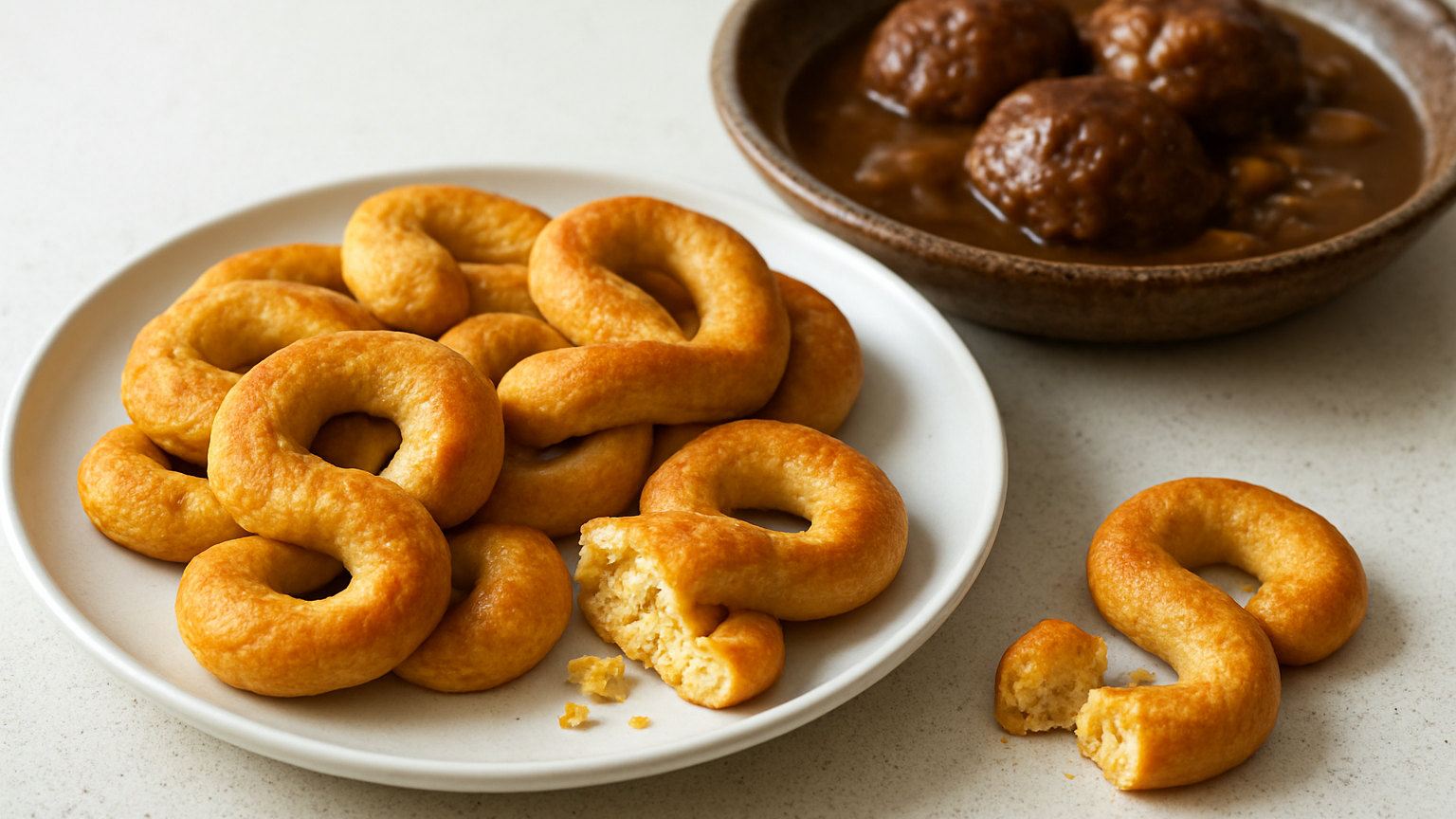
Buttery lemon biscuits twisted into an S shape, said to have been found on Bosworth Field after the battle in 1485.
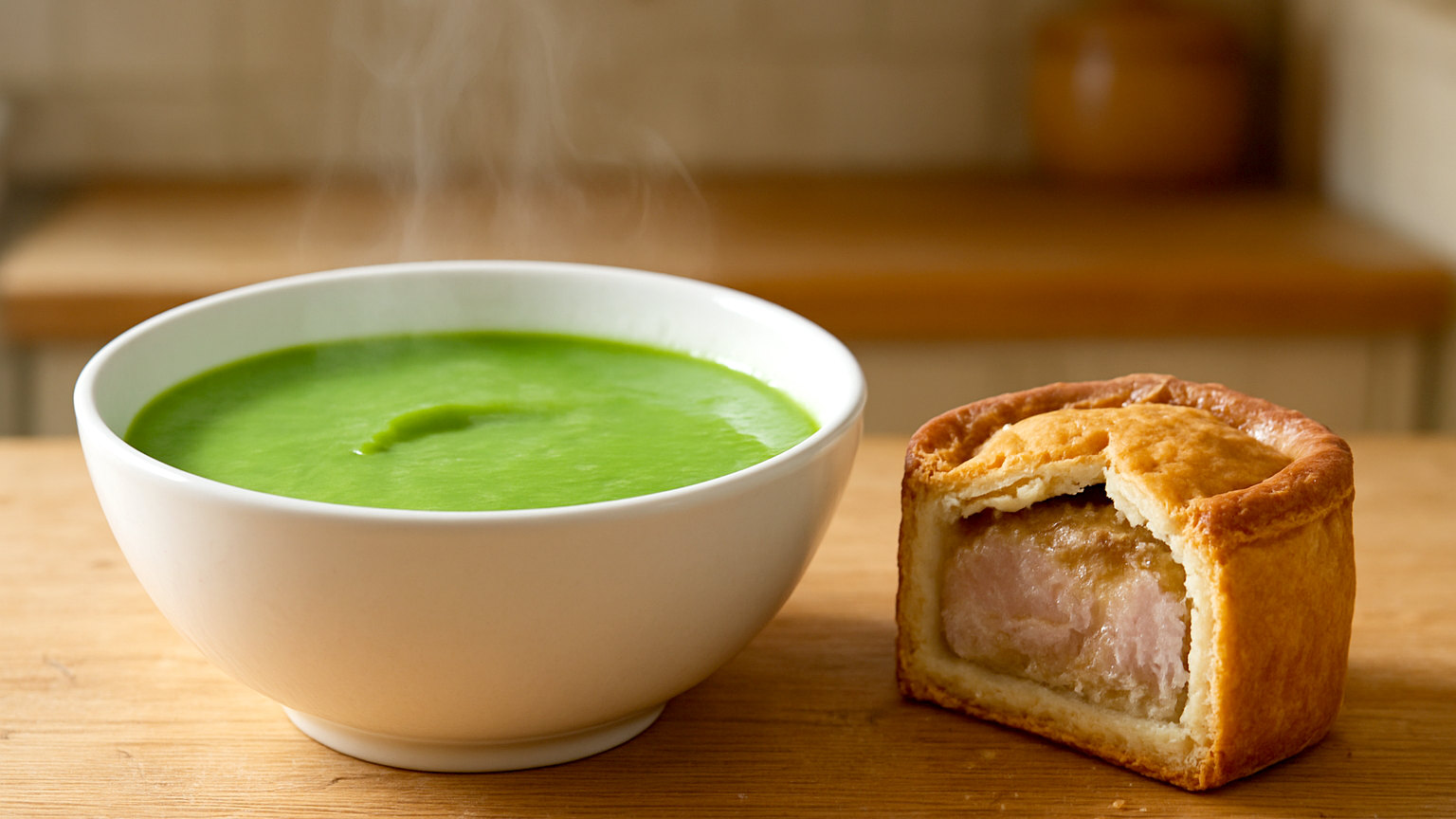
Peppery and bright green, and it turns khaki within minutes if overcooked. The watercress goes in for ninety seconds at the very end.
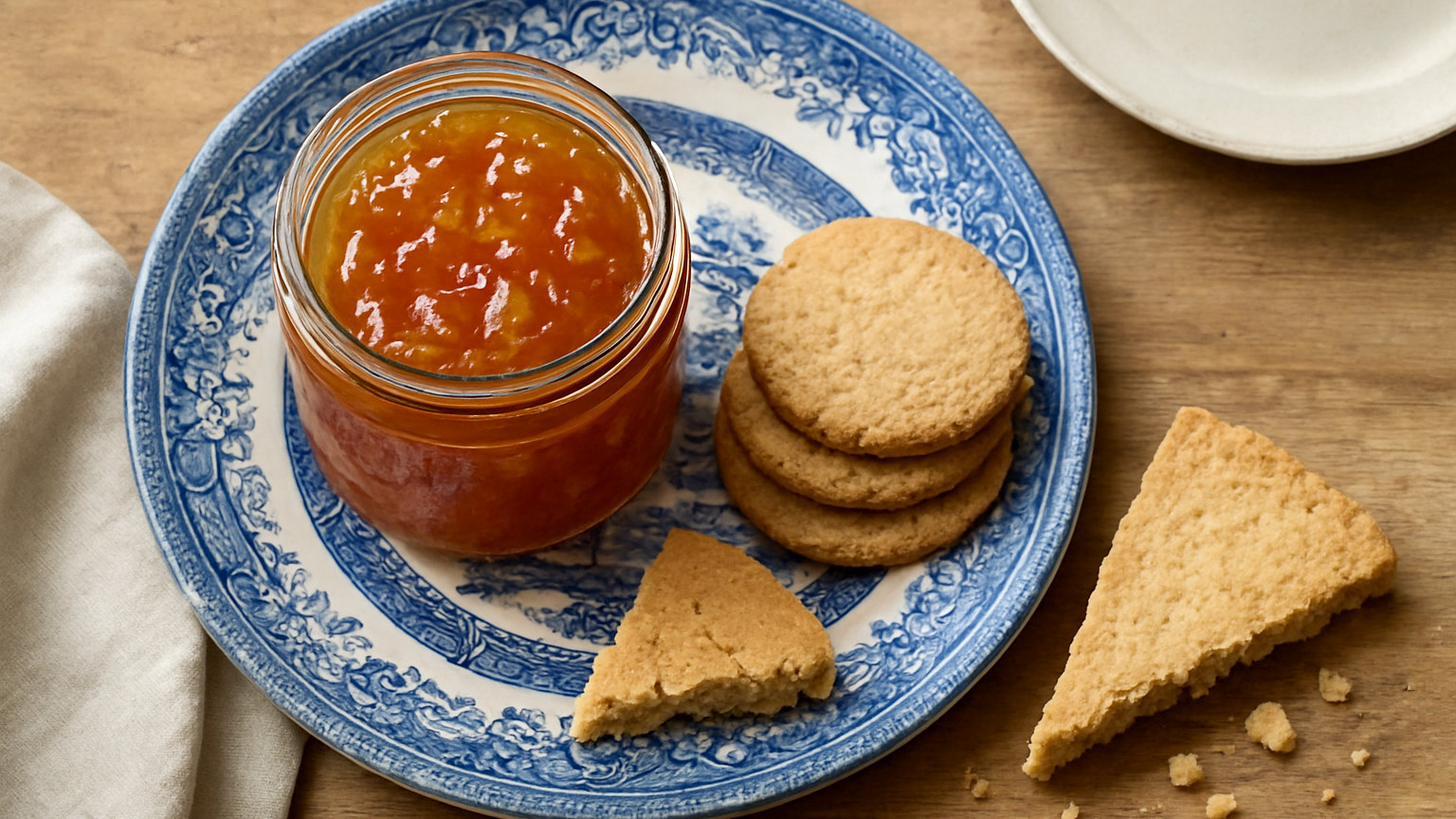
Dundee built an industry on it. Seville oranges are in season for six weeks and the pips are what make it set.
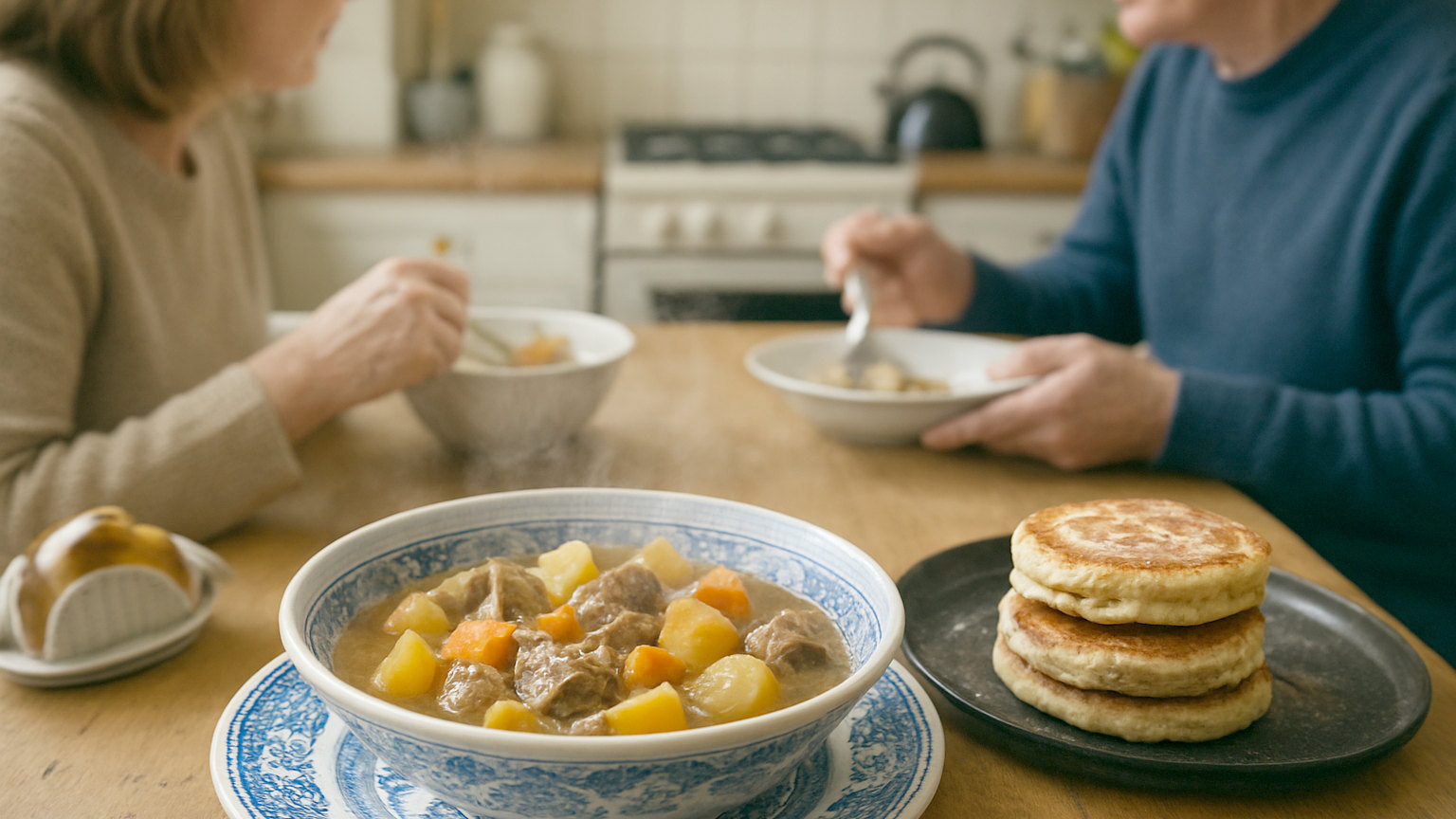
The first of March, marked with cawl, Welsh cakes and leeks. A guide to what is eaten and why the leek matters.
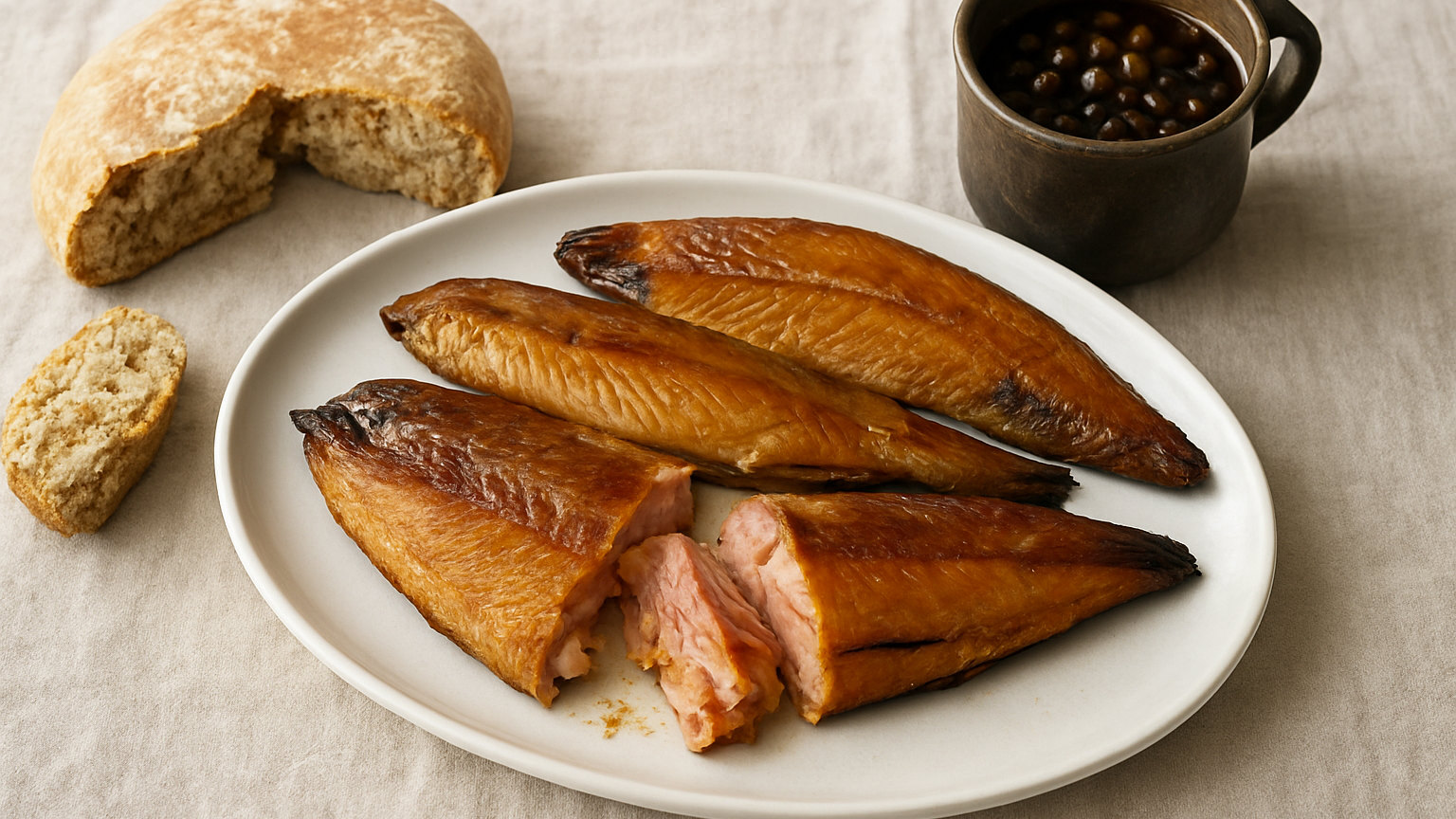
Herring split, salted and oak smoked in Northumberland since the 1850s. Poaching in water beats grilling and leaves no smell in the house.
Cornwall lands some of the best shellfish in Europe and exports most of it. A guide to what is caught and when.
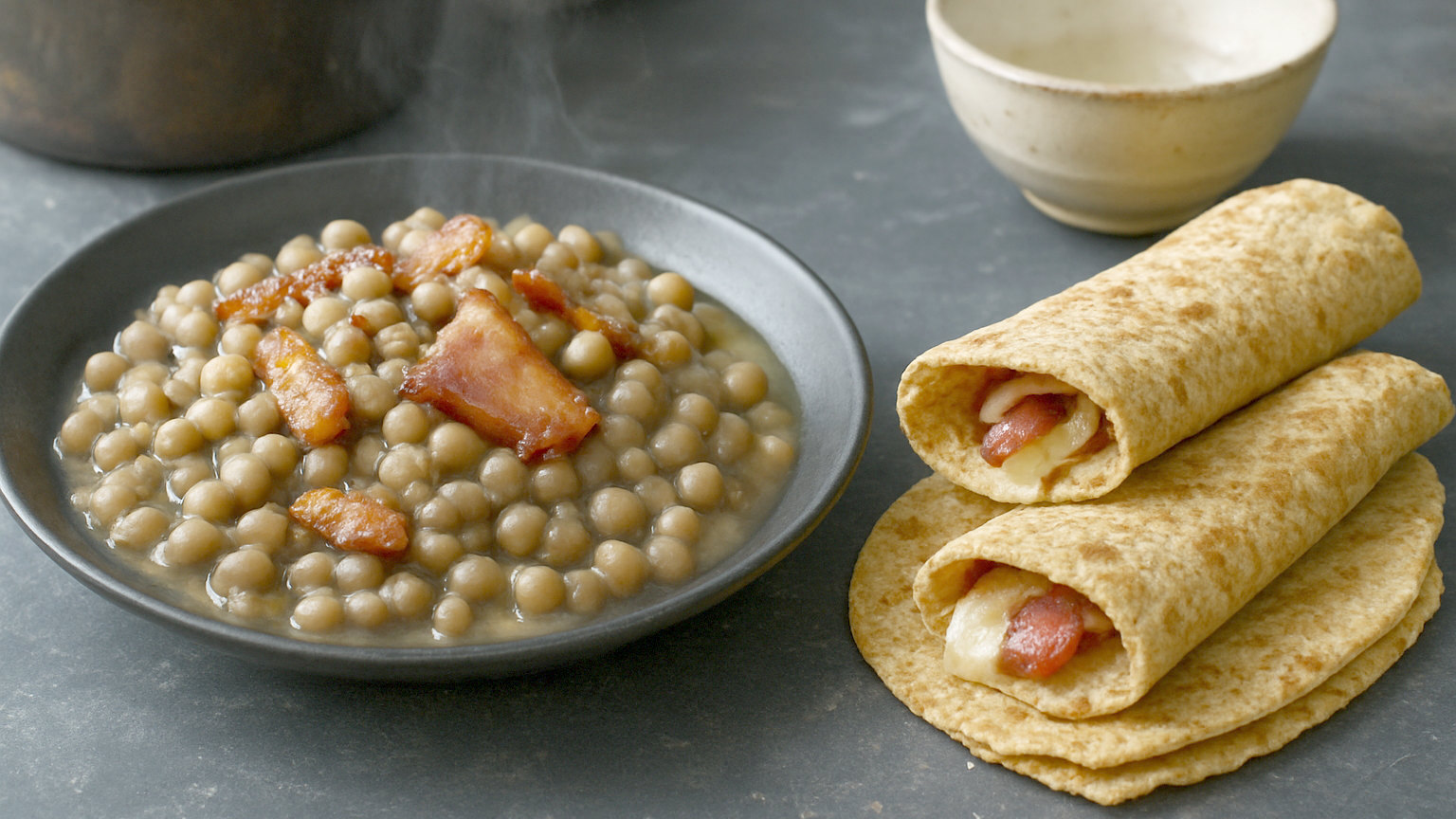
Maple peas soaked overnight and stewed with bacon. A Black Country dish once eaten on Bonfire Night and now hard to find.
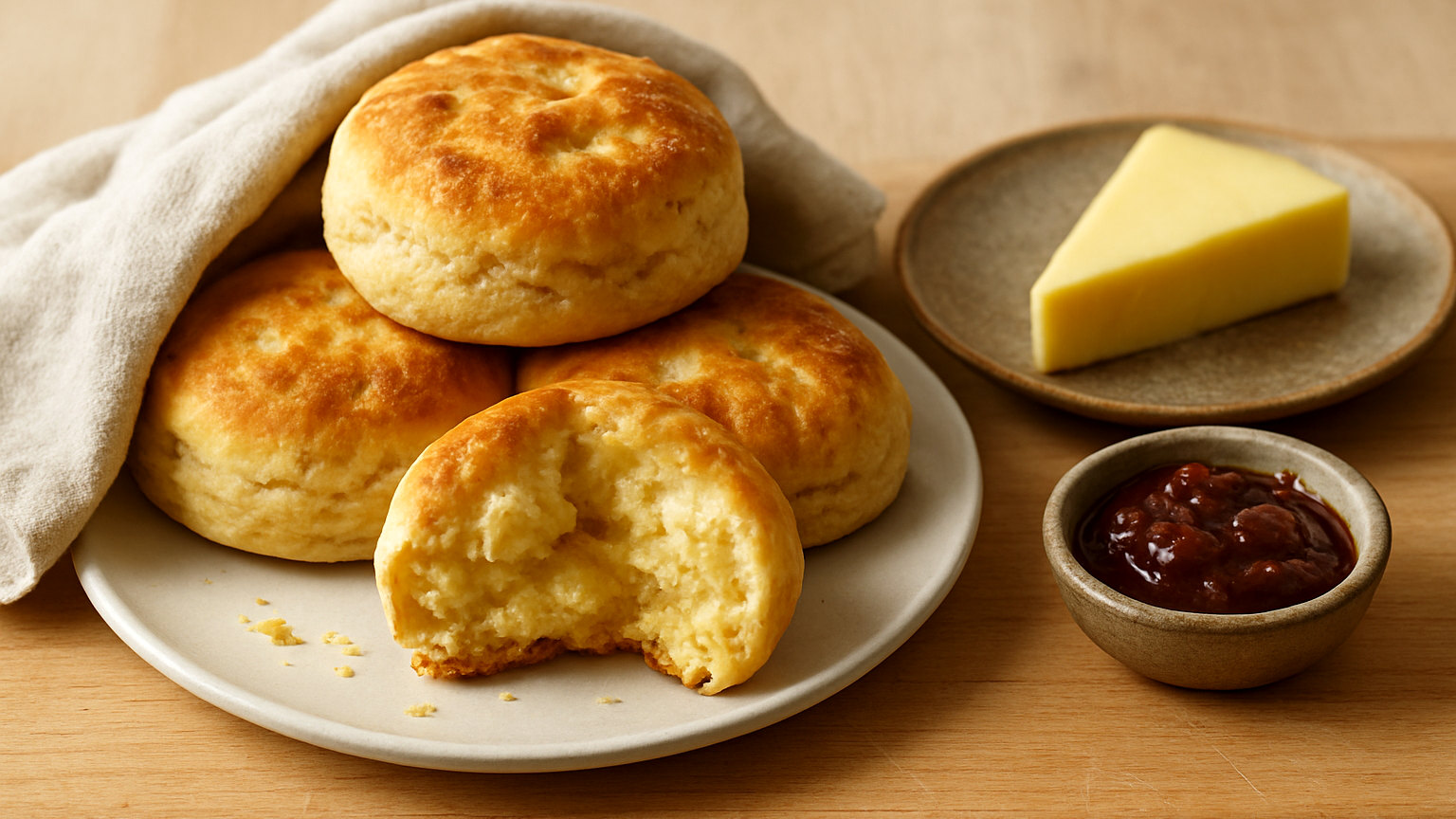
Soft flat bread rolls with a dimple pressed in the middle, from Kent. Wrapped in a cloth as they cool so the crust stays soft.
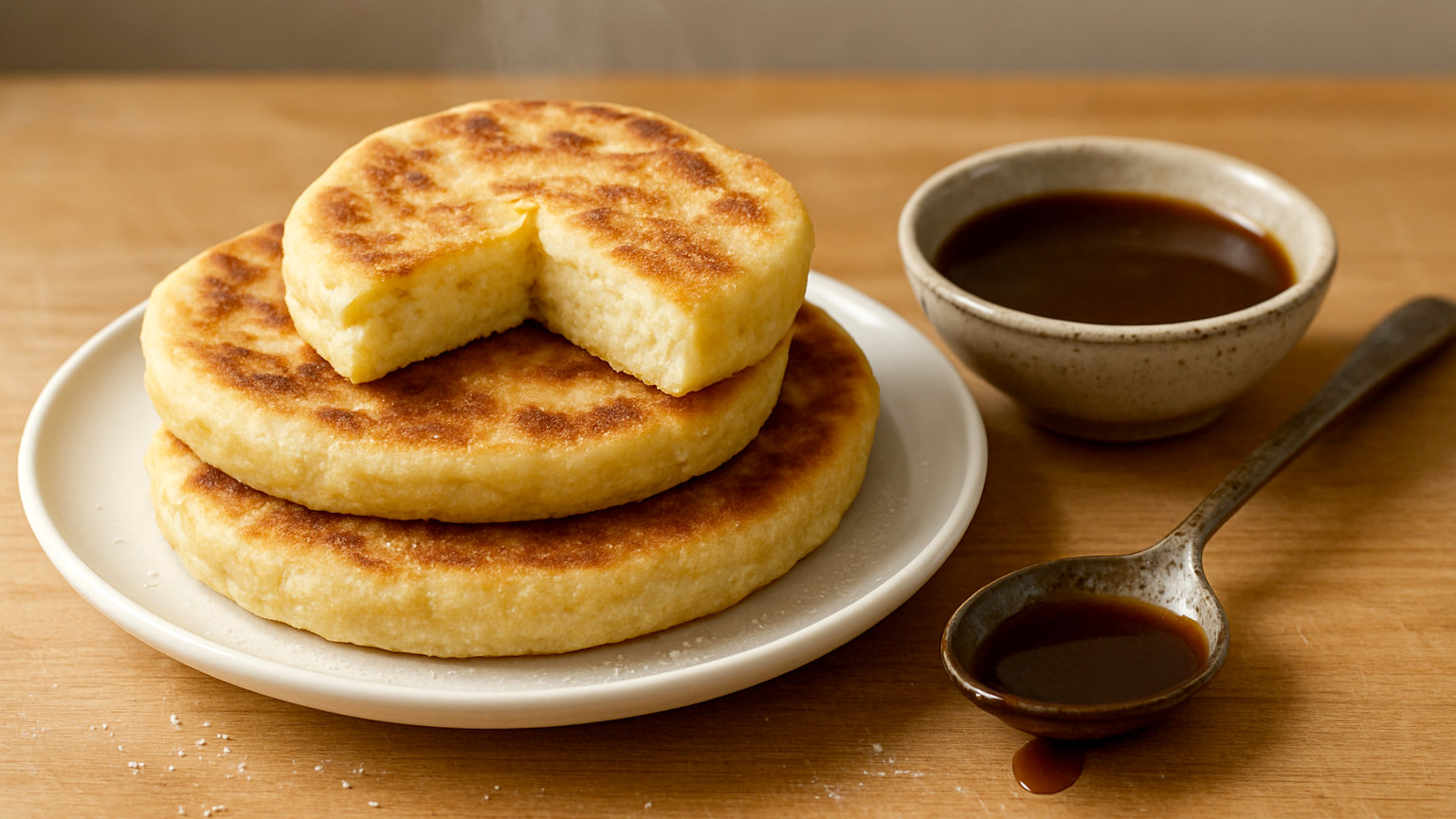
Mashed potato, flour and butter cooked on a dry girdle. The mash must be warm and dry, and the flour kept to a minimum.
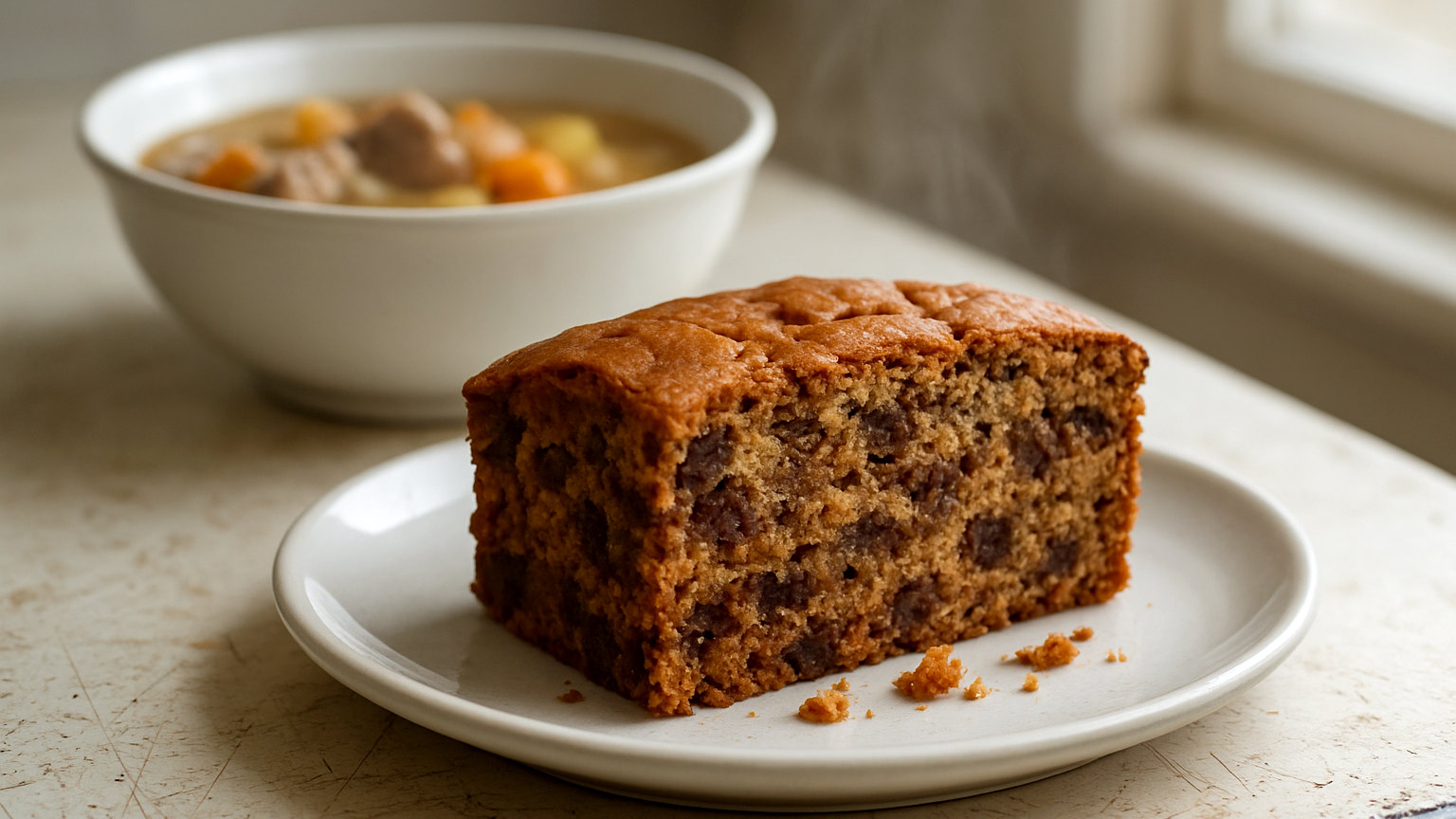
A shallow moist fruit cake baked flat, made so miners could carry a slice underground without it crumbling.
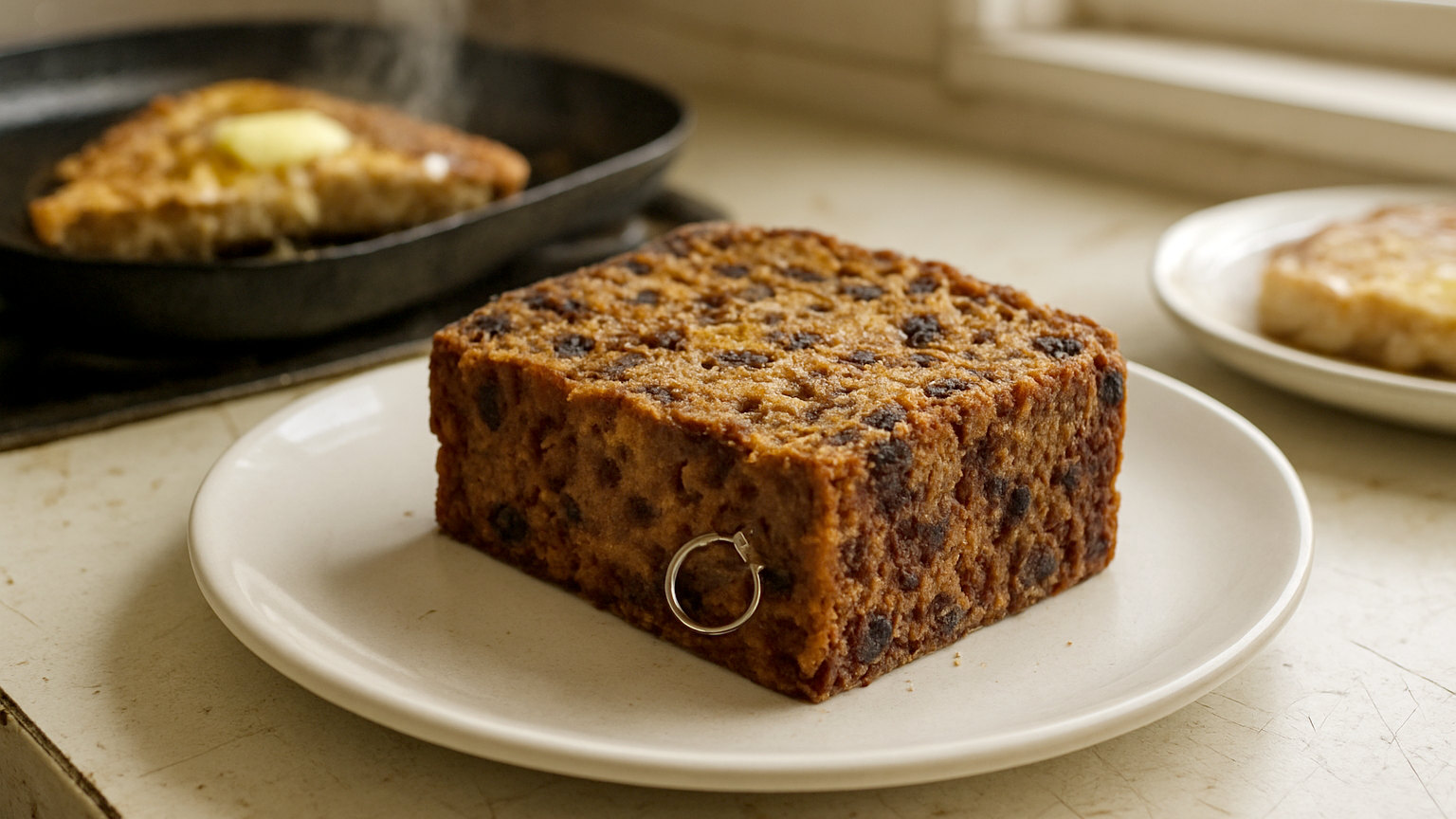
A tea soaked fruit loaf eaten at Halloween, with charms baked in to tell fortunes. The ring means marriage within the year.