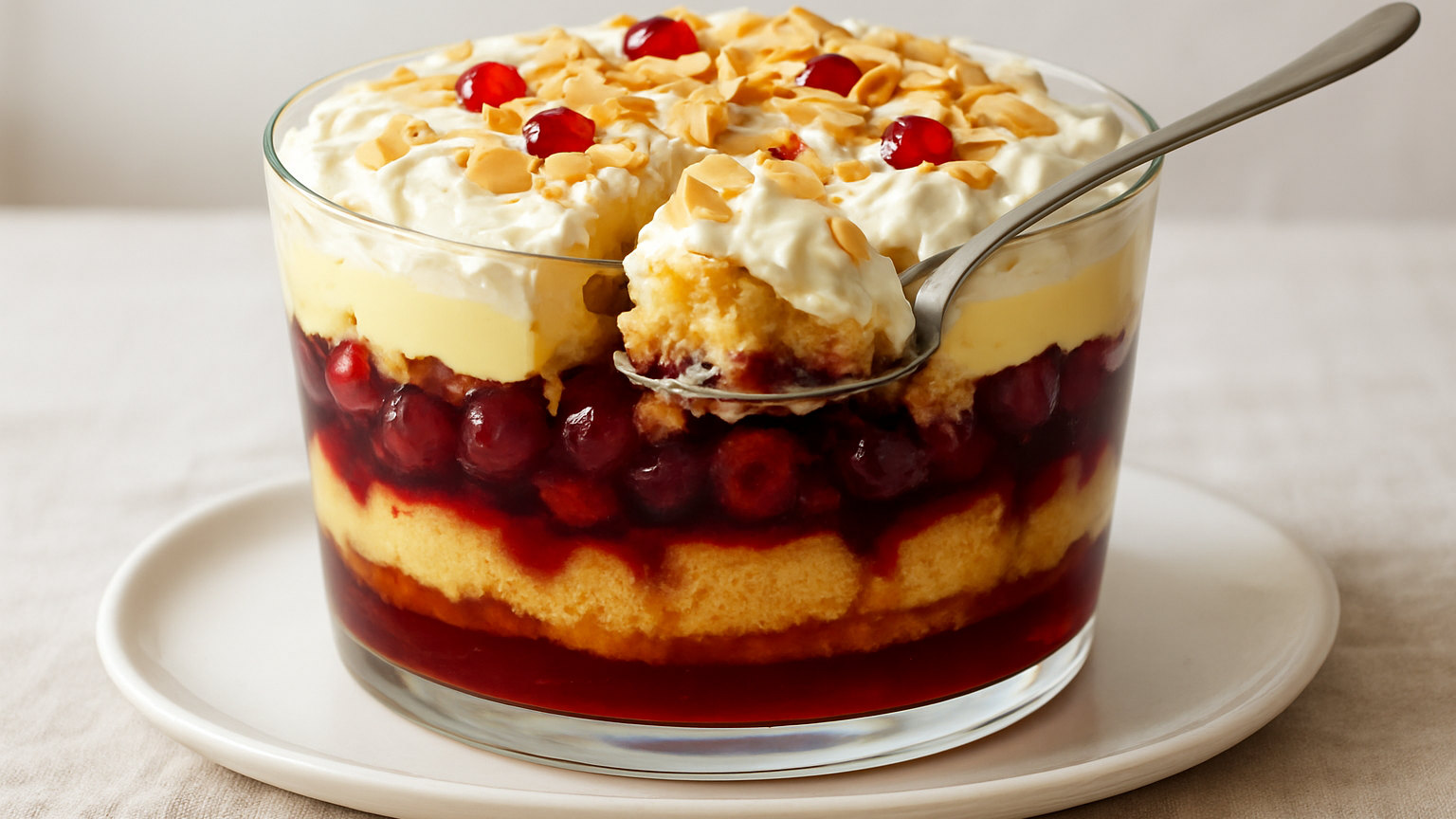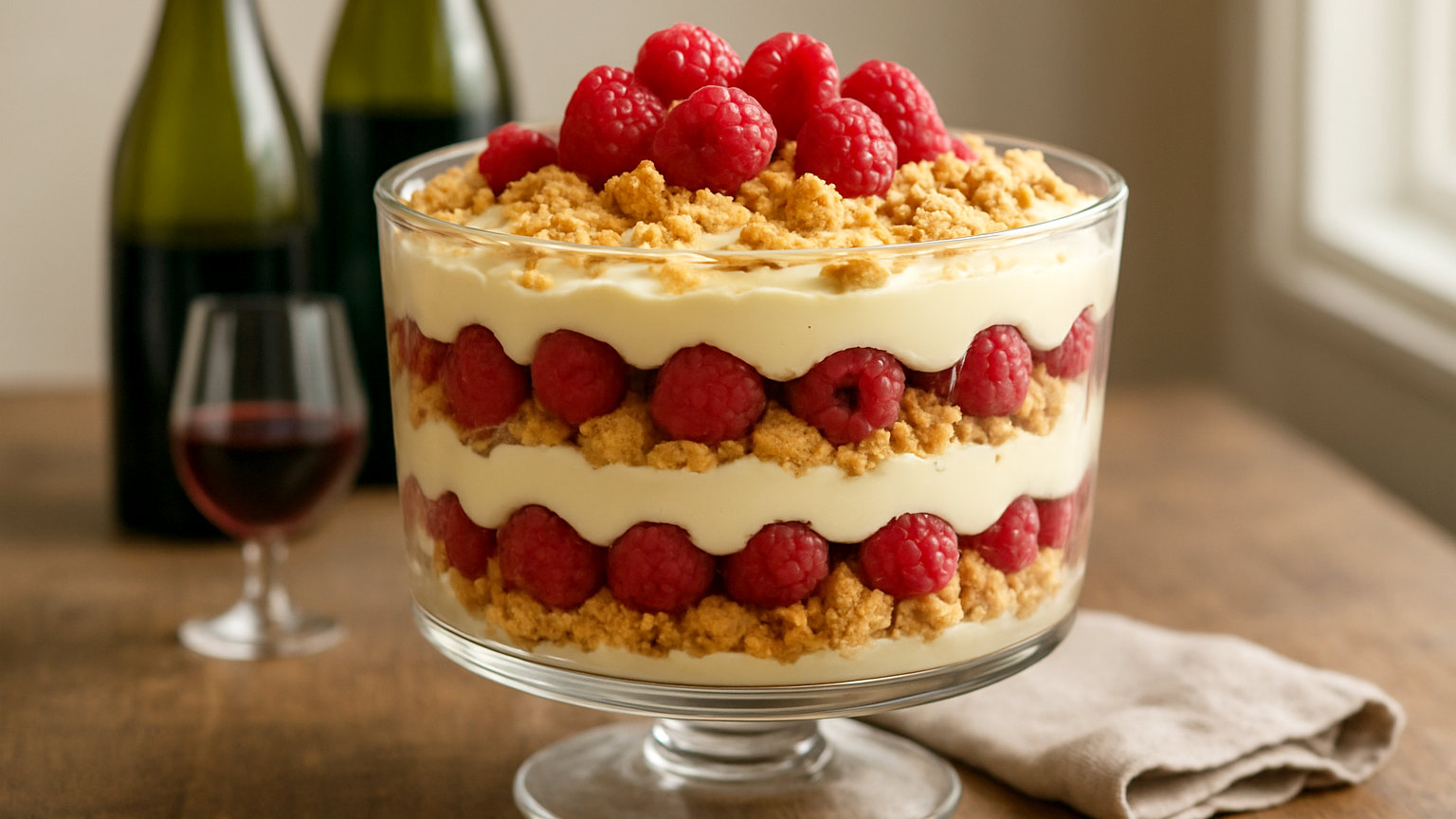
Raspberry and Amaretti Trifle
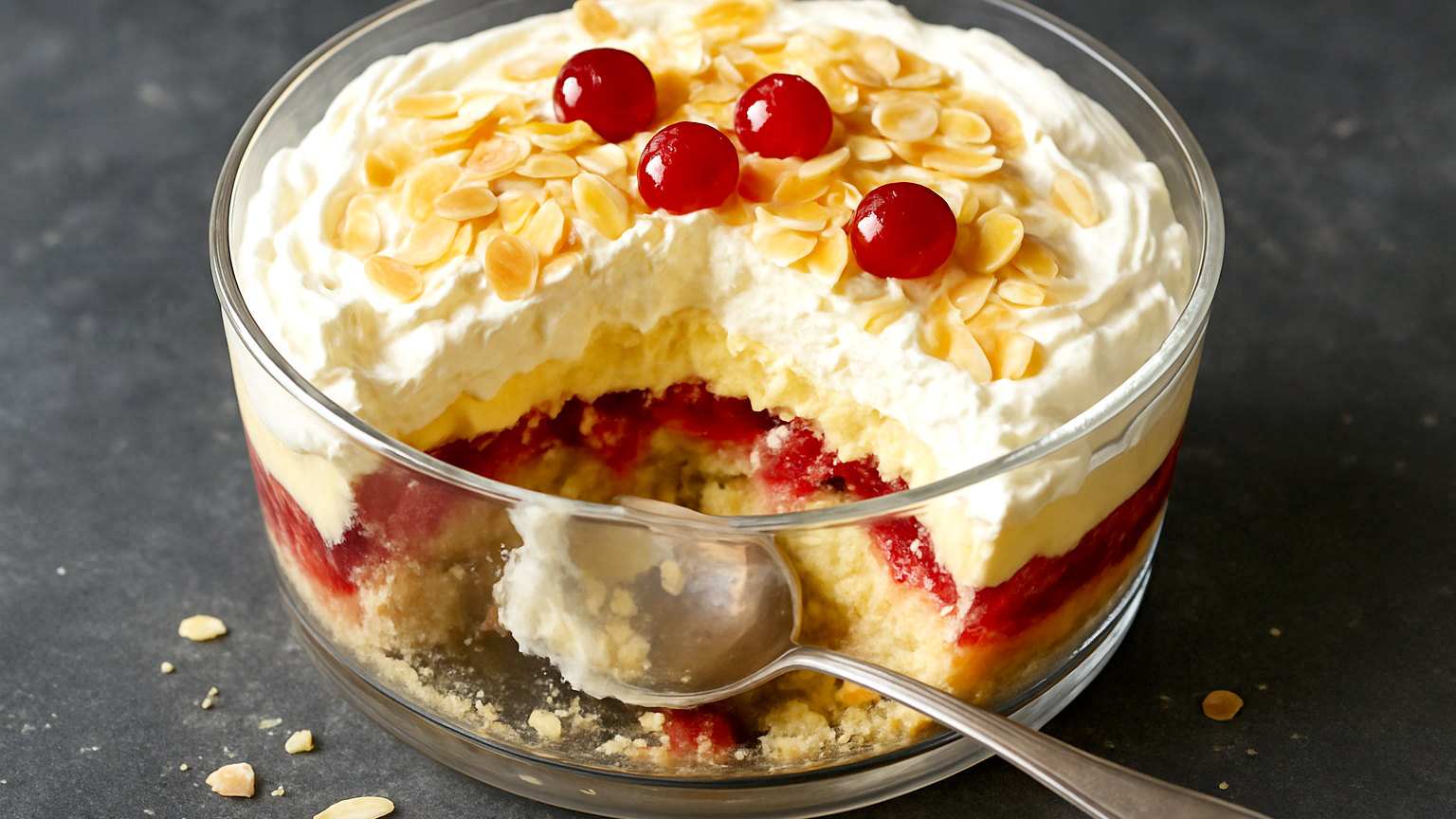
Amaretti in place of sponge, so the base stays crisp for longer. Sharper and less sweet than a classic trifle, and quicker to build.
By UK Recipes
11 Aug 2026

Proper trifle in layers, plus fools, syllabubs and Eton mess - assembled ahead and better for the wait.
Amaretti in place of sponge, so the base stays crisp for longer. Sharper and less sweet than a classic trifle, and quicker to build.
They portion themselves, set faster and look considerably better. The layers need to be thinner and the sponge cut smaller.
Build it to the custard the day before and add the cream on the day. A working timetable for a trifle that has to be ready at a set hour.
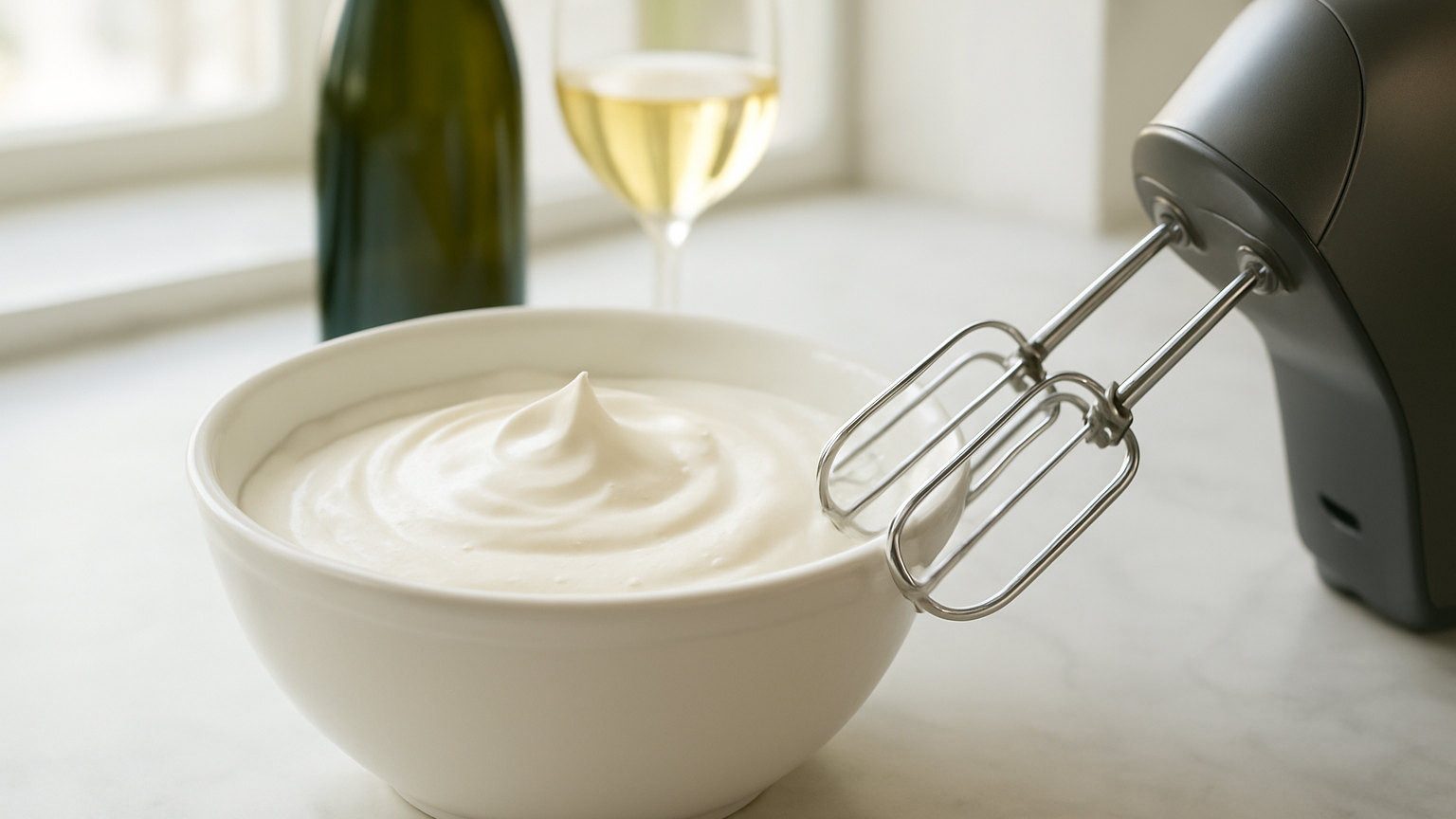
Cold cream, a cold bowl and stopping early. Cream goes from soft peaks to grainy in about fifteen seconds on an electric whisk.
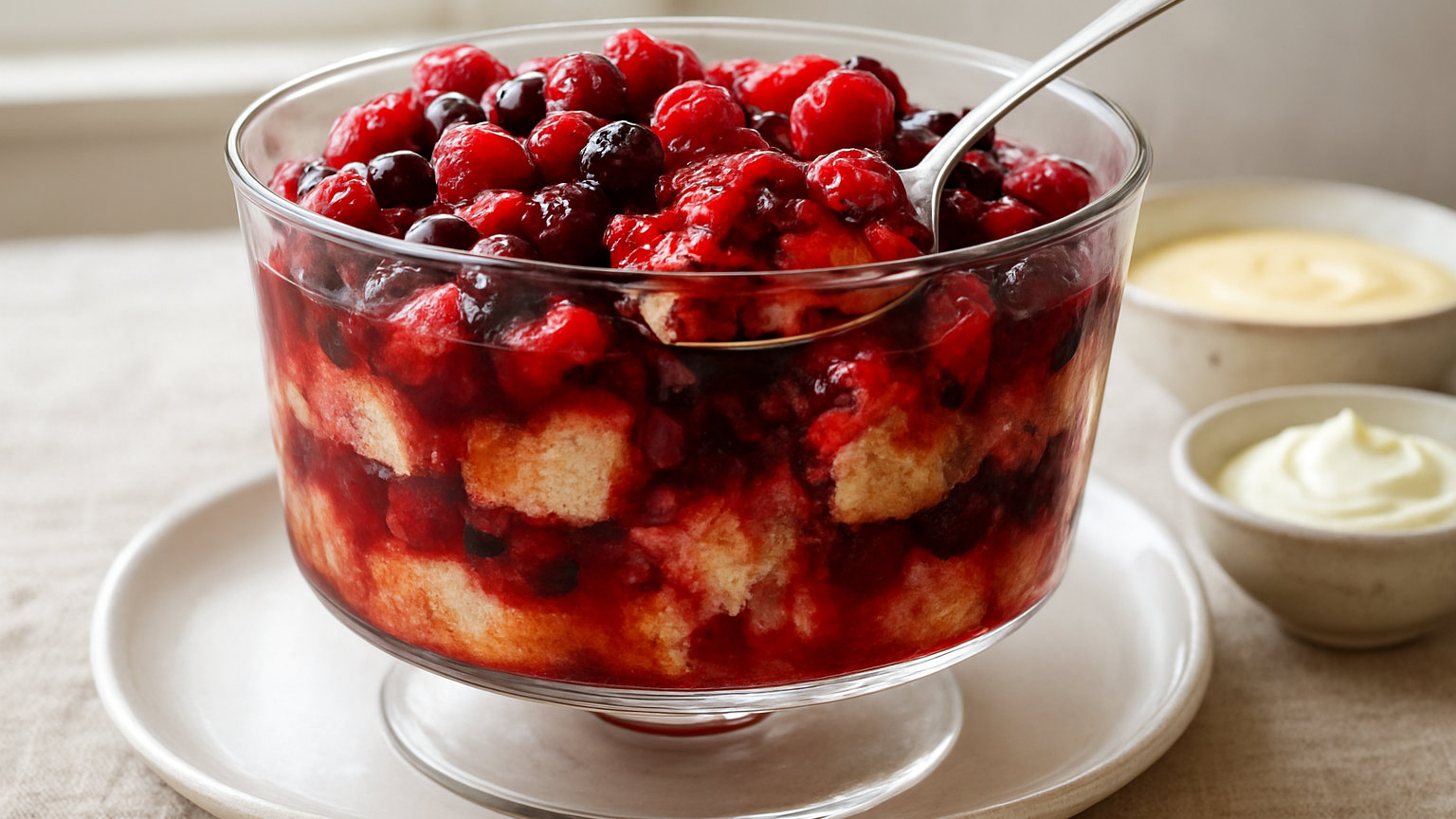
Berries pressed into a bread lined basin overnight. The bread must be slightly stale and white, and the whole thing must be weighted.
It needs to absorb liquid without collapsing. A fresh light sponge turns to paste and a day old firm one holds its shape.
The jelly question divides the country. Here is what the traditional version contains, what was added later and what each layer is for.
Cream whipped with wine, sugar and lemon. A seventeenth century pudding that takes ten minutes and separates if you overwhip it.
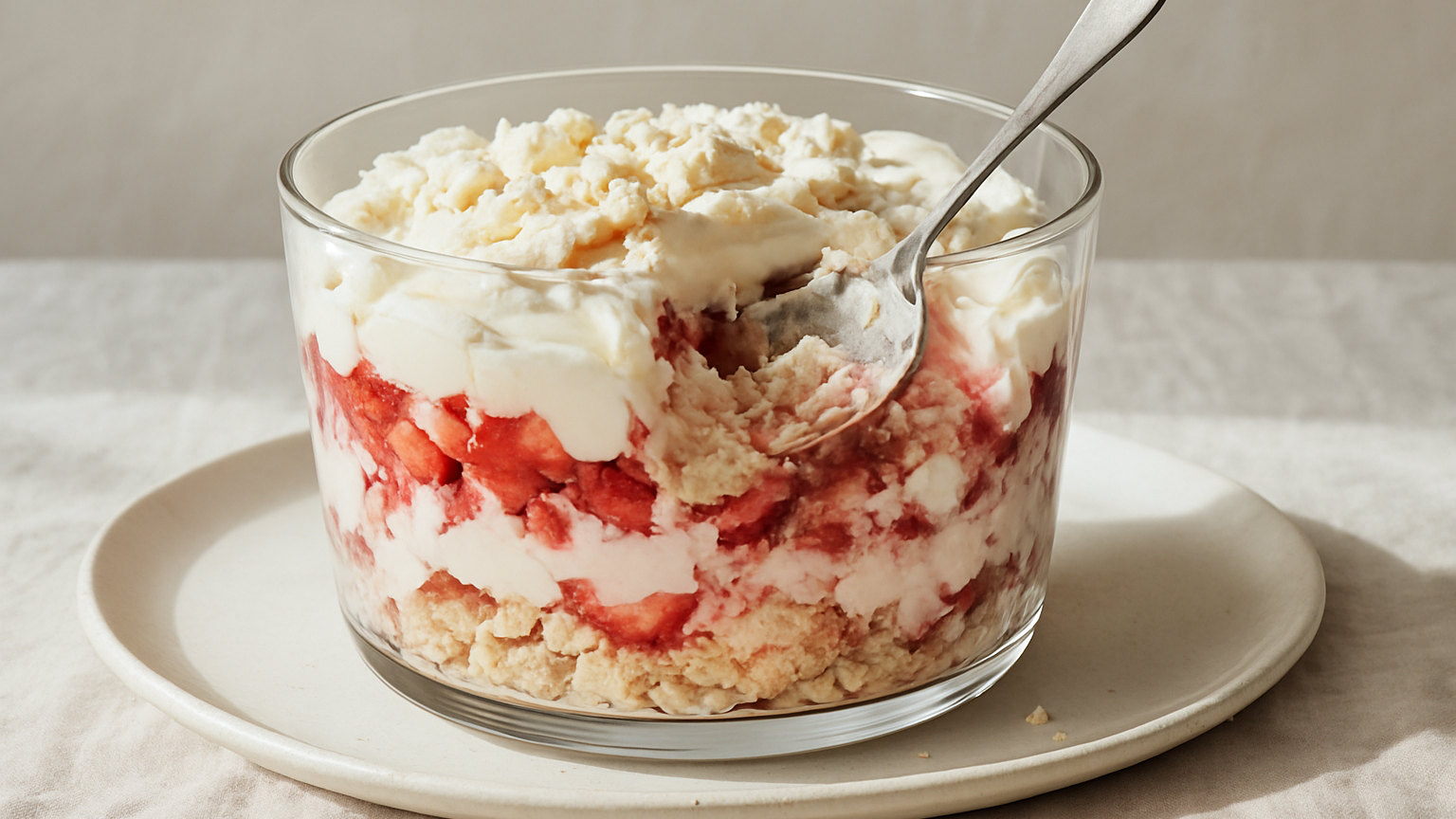
Meringue, cream and strawberries, combined at the last minute. Assembled early it dissolves into a pink soup within half an hour.
Sharp cooked fruit folded through whipped cream, and barely folded at all. Two ingredients and about fifteen minutes.
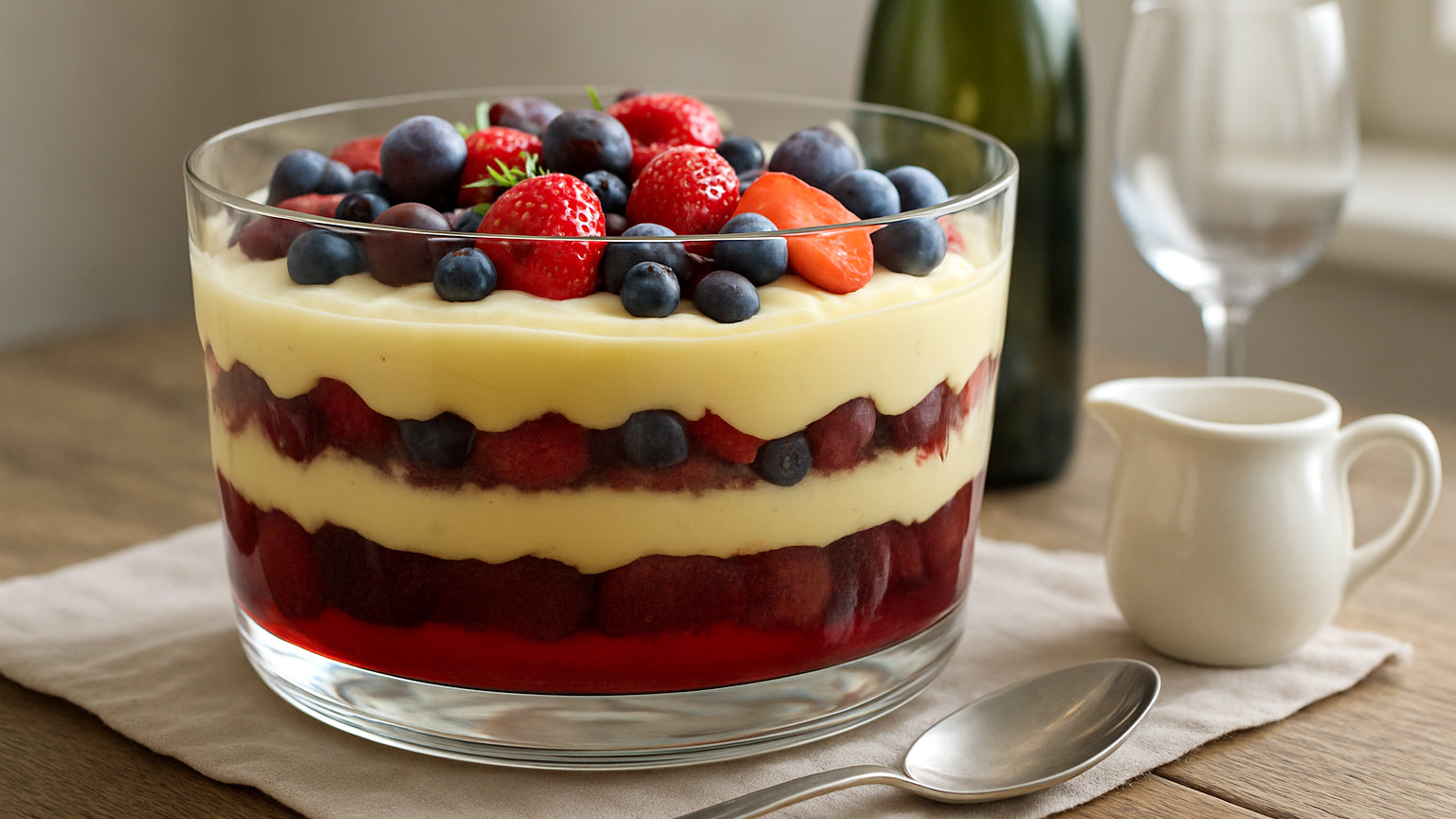
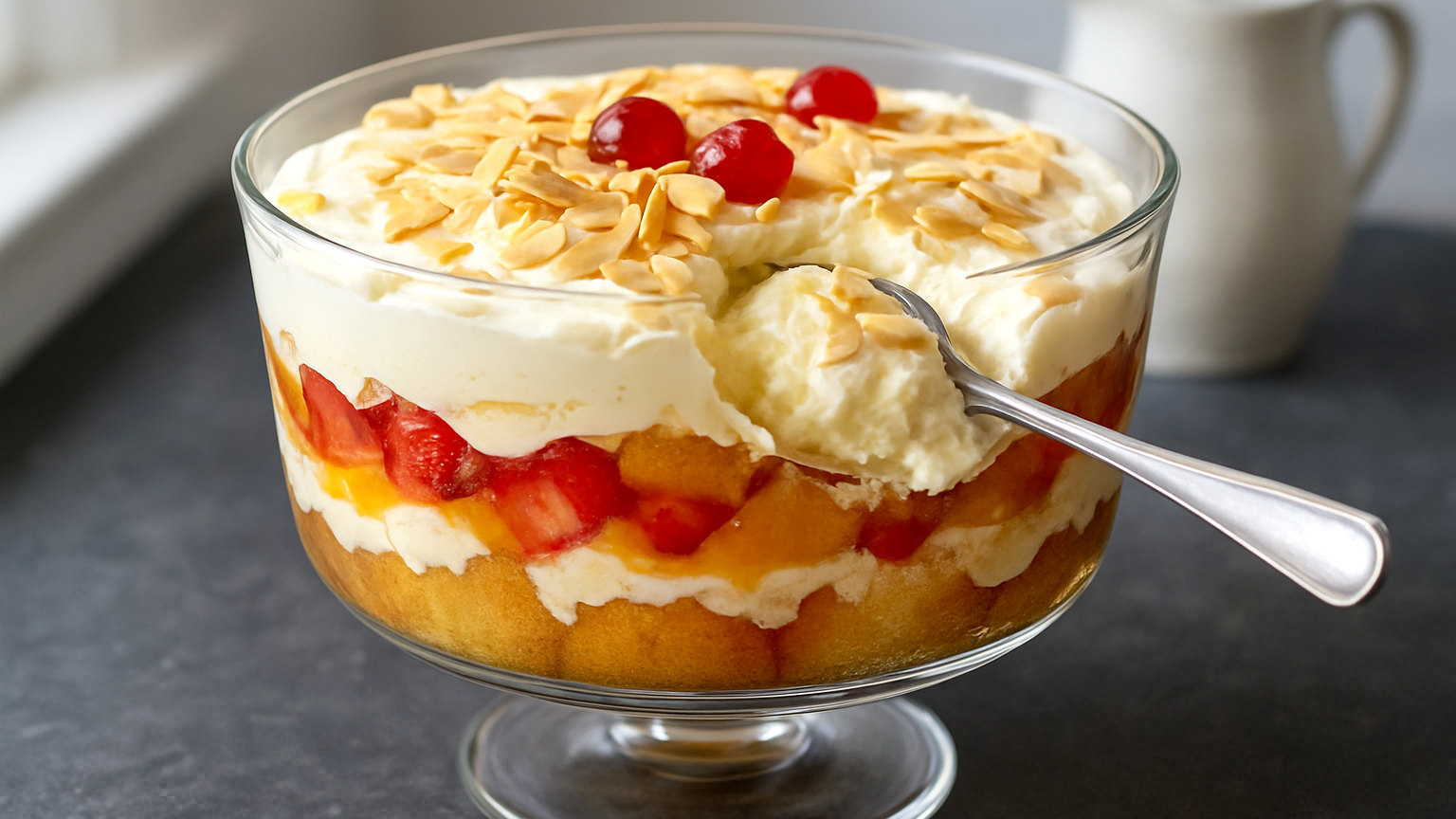
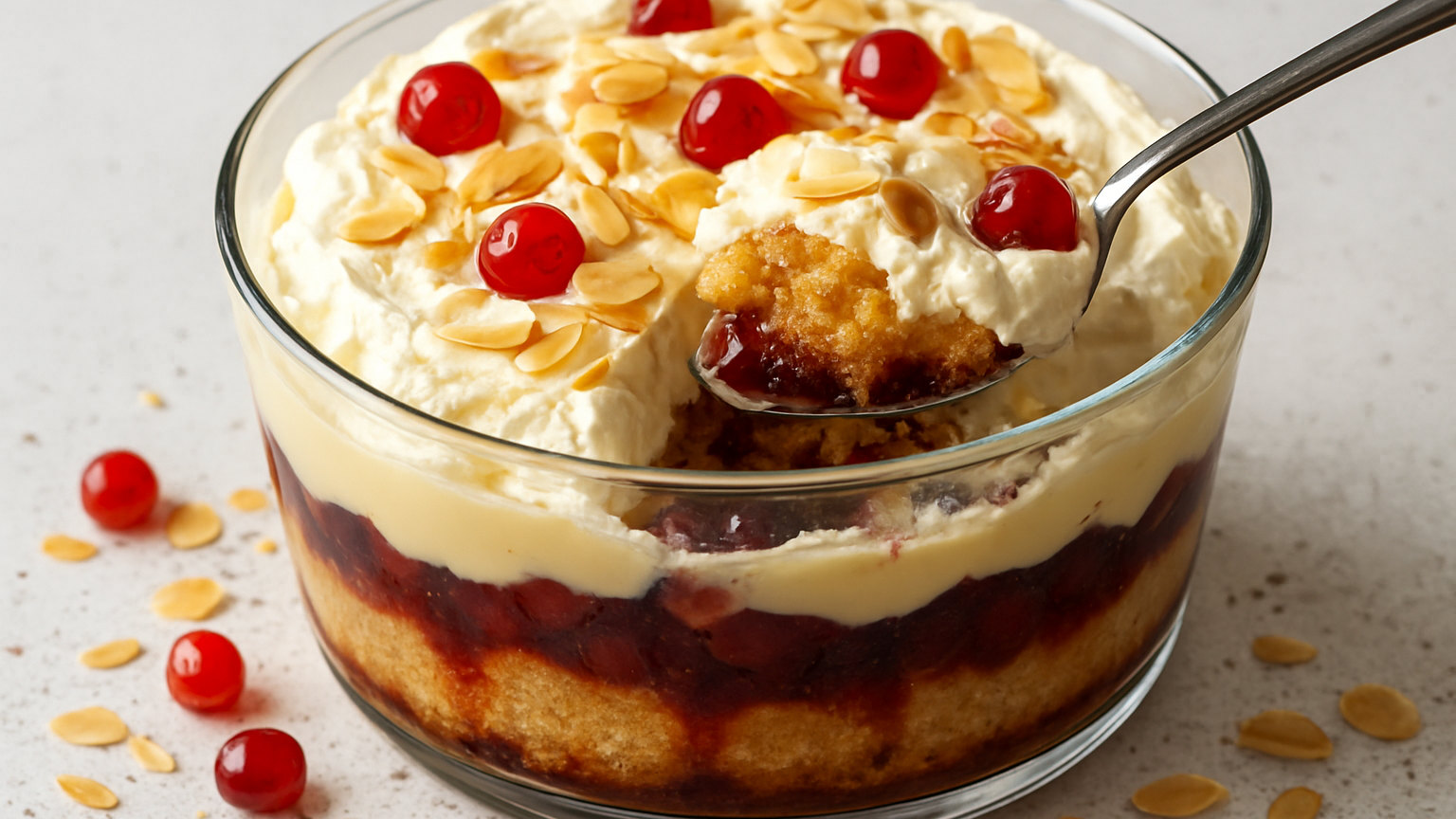
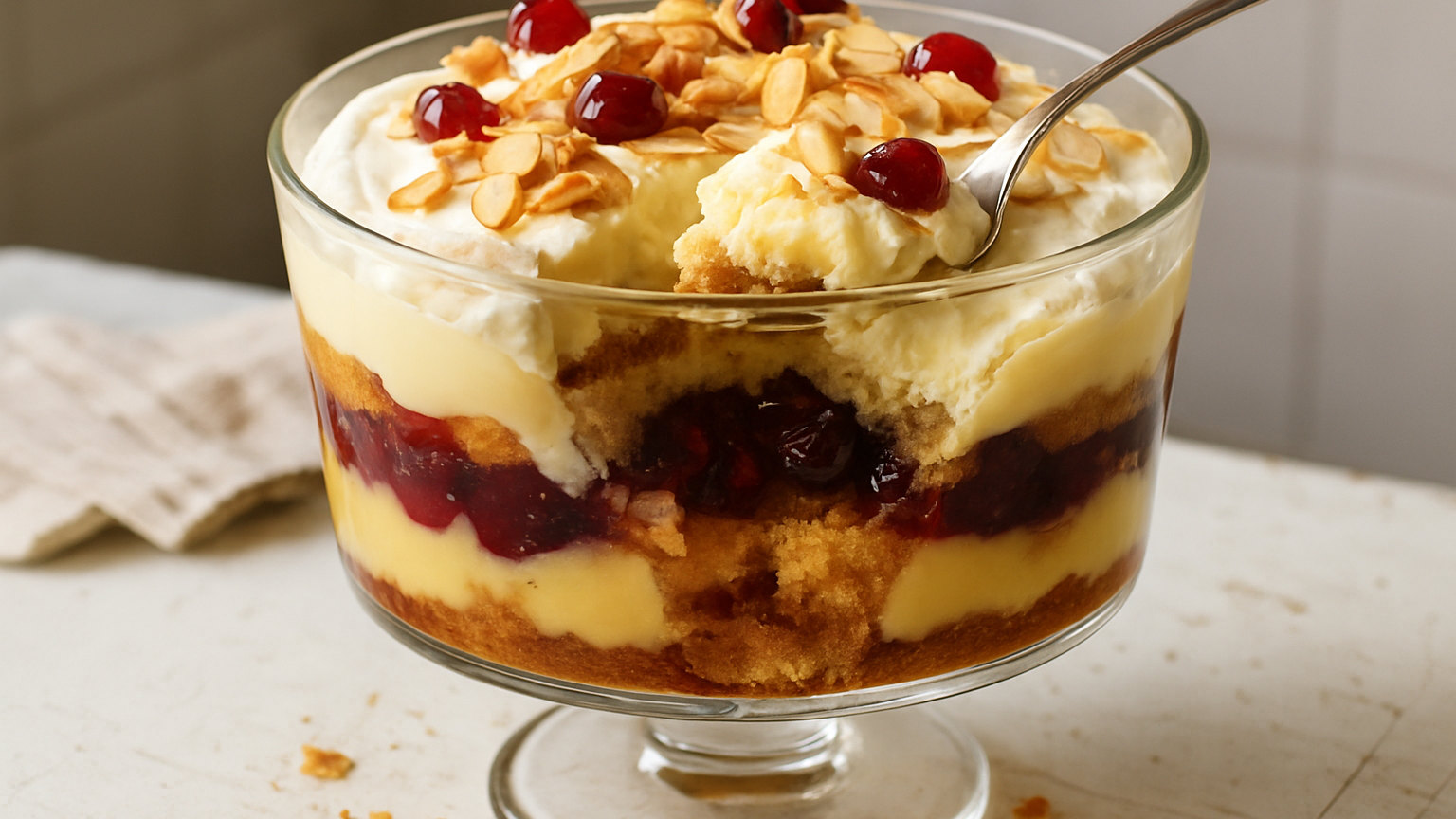
Sponge, sherry, fruit, proper custard and cream. Each layer must be completely cold before the next goes on or the whole thing slumps.