Baking Without Eggs, Dairy or Gluten
Each one removes something structural, so the substitution has to replace the job rather than the ingredient. Some cakes adapt easily and some do not.
By UK Recipes
19 Aug 2026

Pudding in the British sense covers a great deal: something steamed and turned out with custard, a crumble made from whatever is in the fruit bowl, a tart, a trifle, or a tray of biscuits. These are the ones worth knowing by heart, written with the quantities most people actually have to hand and in tins most kitchens own.
Each one removes something structural, so the substitution has to replace the job rather than the ingredient. Some cakes adapt easily and some do not.
The three coloured British layer cake, not the American fat free one. They share a name and nothing else.
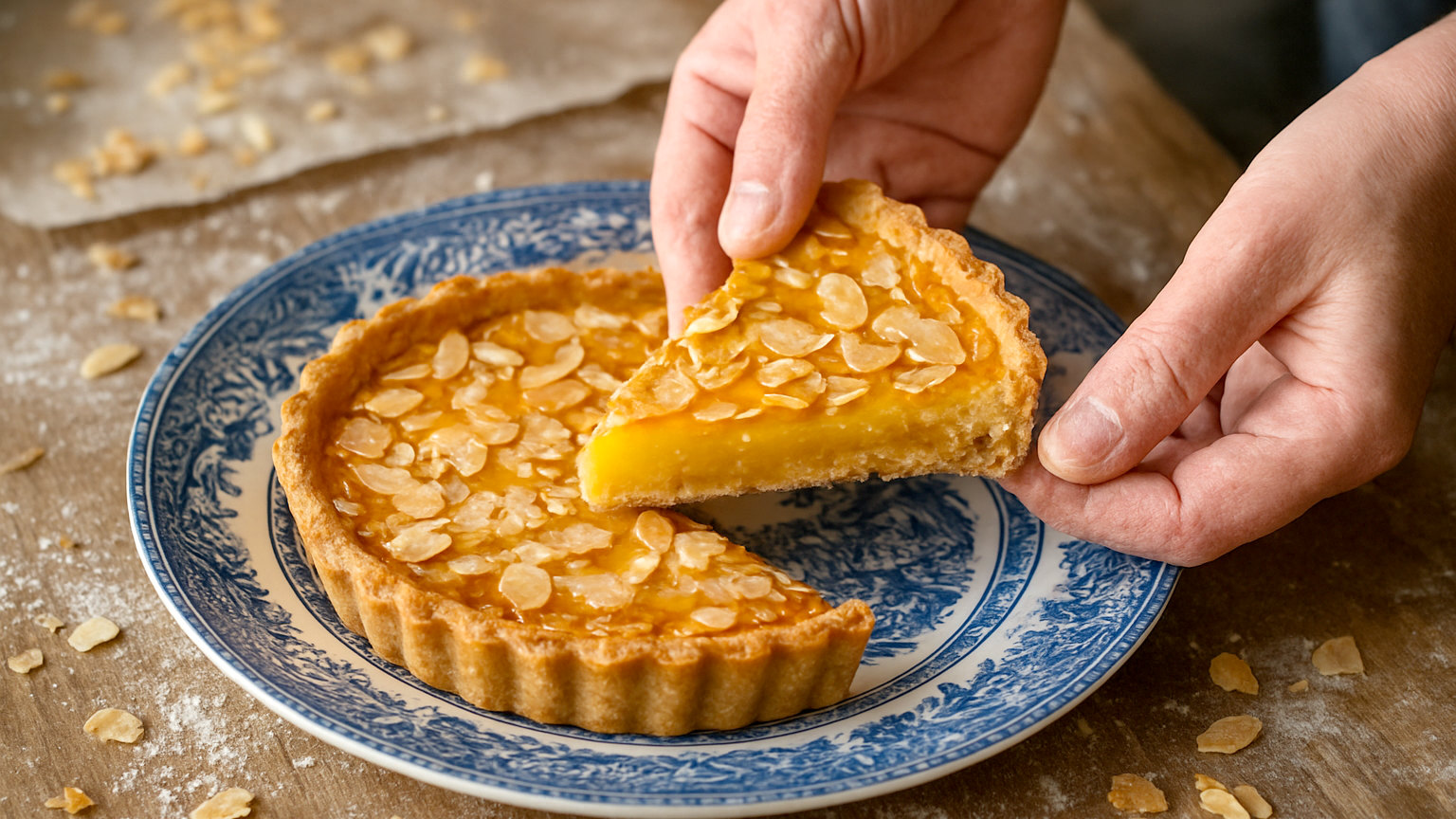
Cold butter, a light hand and a hot oven. Handle the dough as little as possible and cut straight down without twisting.
Adding cream to a jam sponge changes how long it lasts. It has to be refrigerated and eaten within two days.
Something unsweetened, in most cases. Tarts are sweeter and richer than they look and cream does more for them than custard.
A tin at room temperature for most, the fridge only for perishable icing. Refrigerating a plain sponge is the fastest way to dry it out.
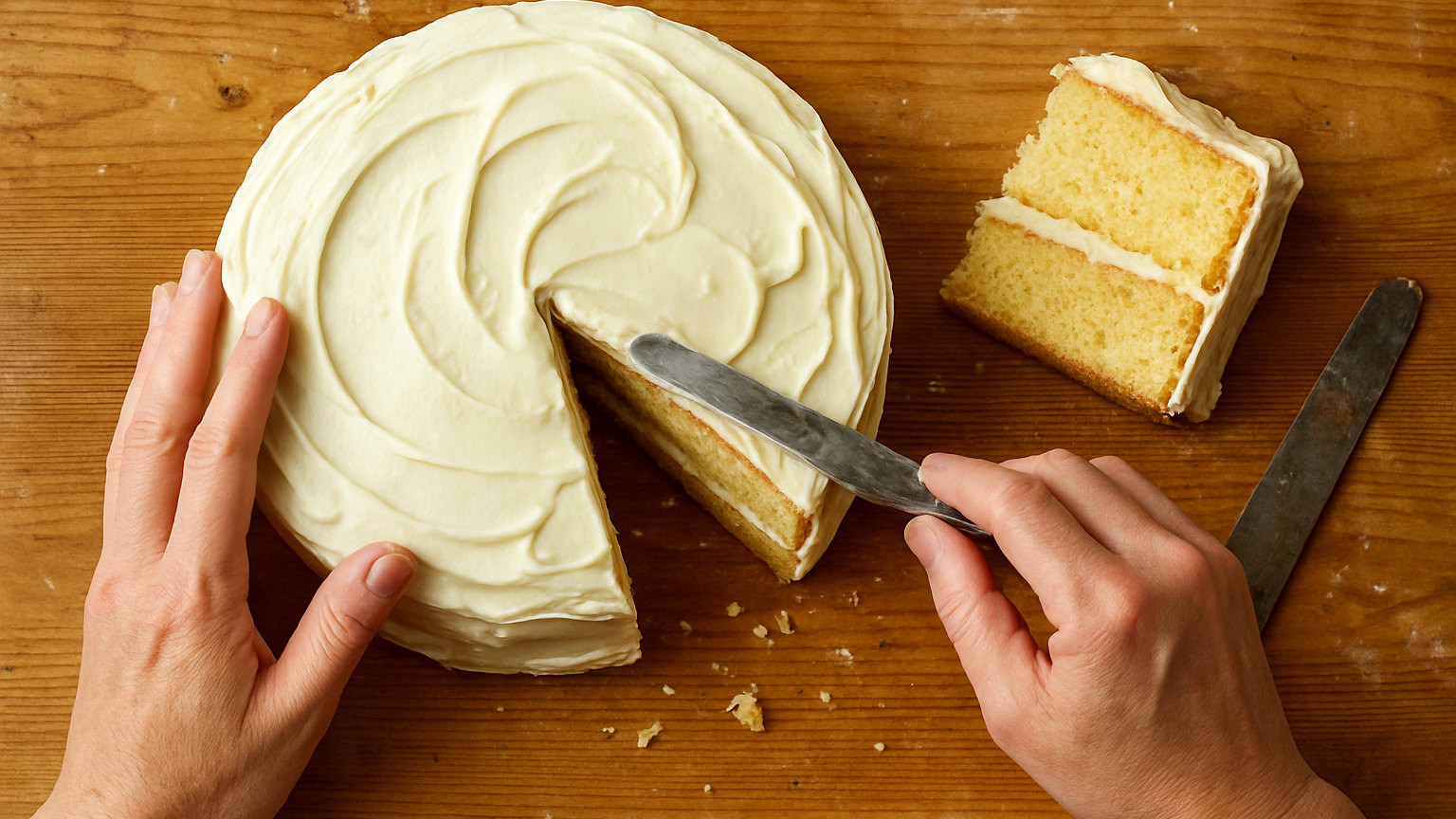
Curd between the layers and buttercream around it, so the curd cannot escape. Zest in the sponge, juice in the icing.
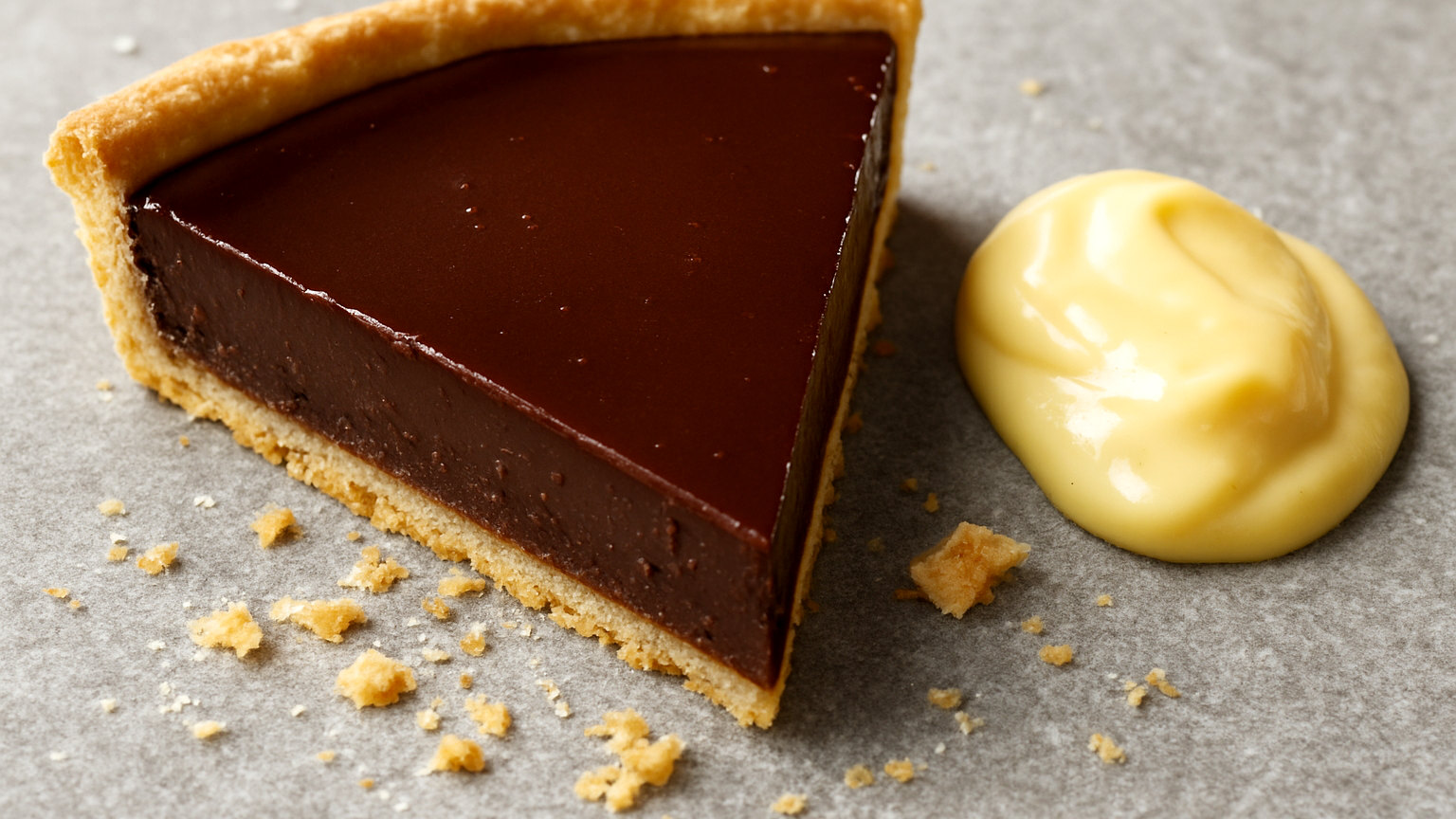
A ganache poured into a blind baked case and left to set without baking. It needs no oven time and no skill beyond not overheating the cream.
Scale by the area of the tin, not the diameter. A 23cm tin holds about a third more than a 20cm one, not 15 per cent more.
Ice cream, a quick trifle, or poured over stale cake and baked. It keeps three days and does not freeze, so it needs using.
Lemon curd rather than apricot jam between the batons, and zest through the pale half. Contains nuts.
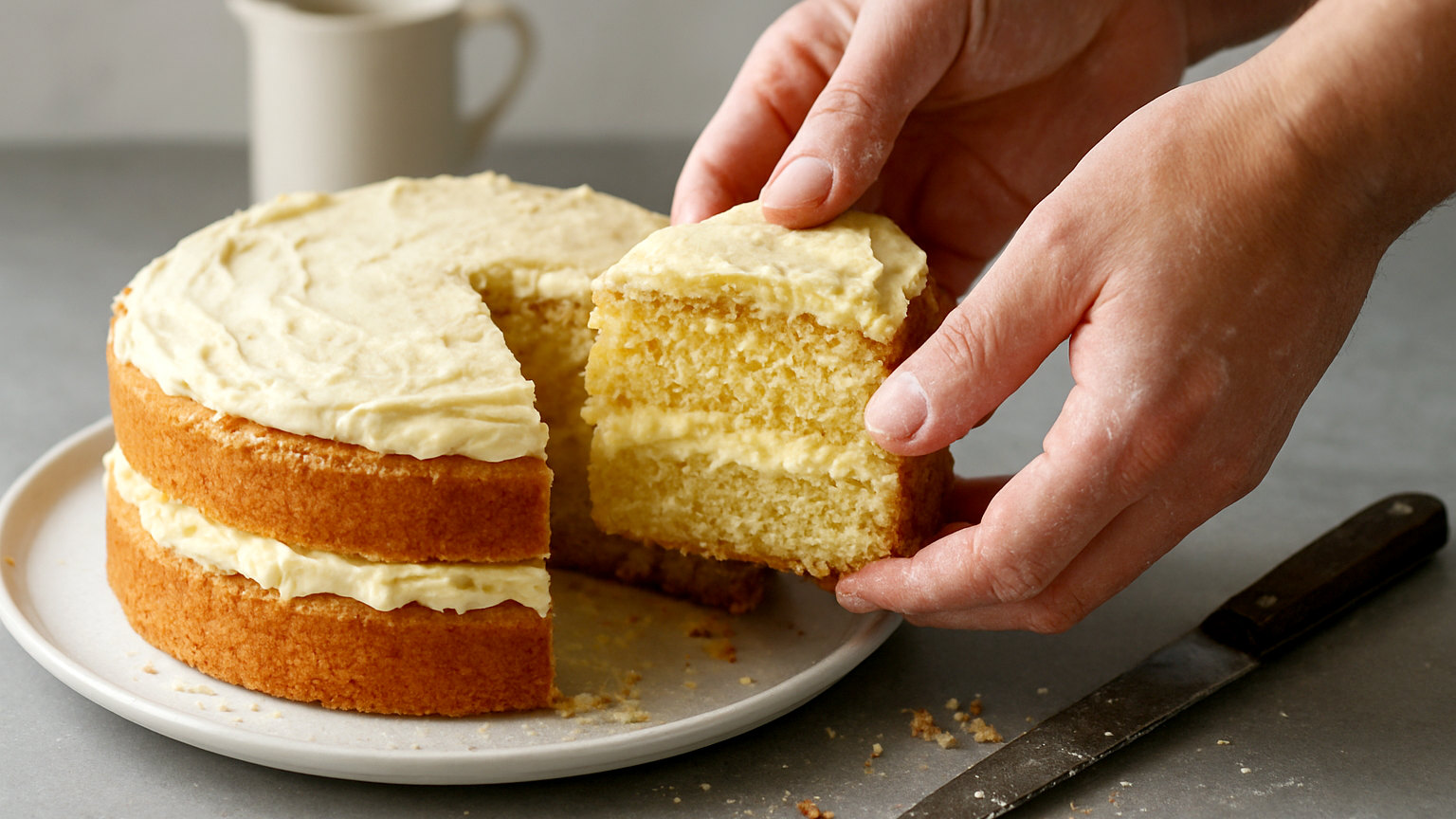
A plain sponge is the base you build a birthday cake on. Bake it a day ahead and it cuts and carves far better.