Millionaire's Shortbread
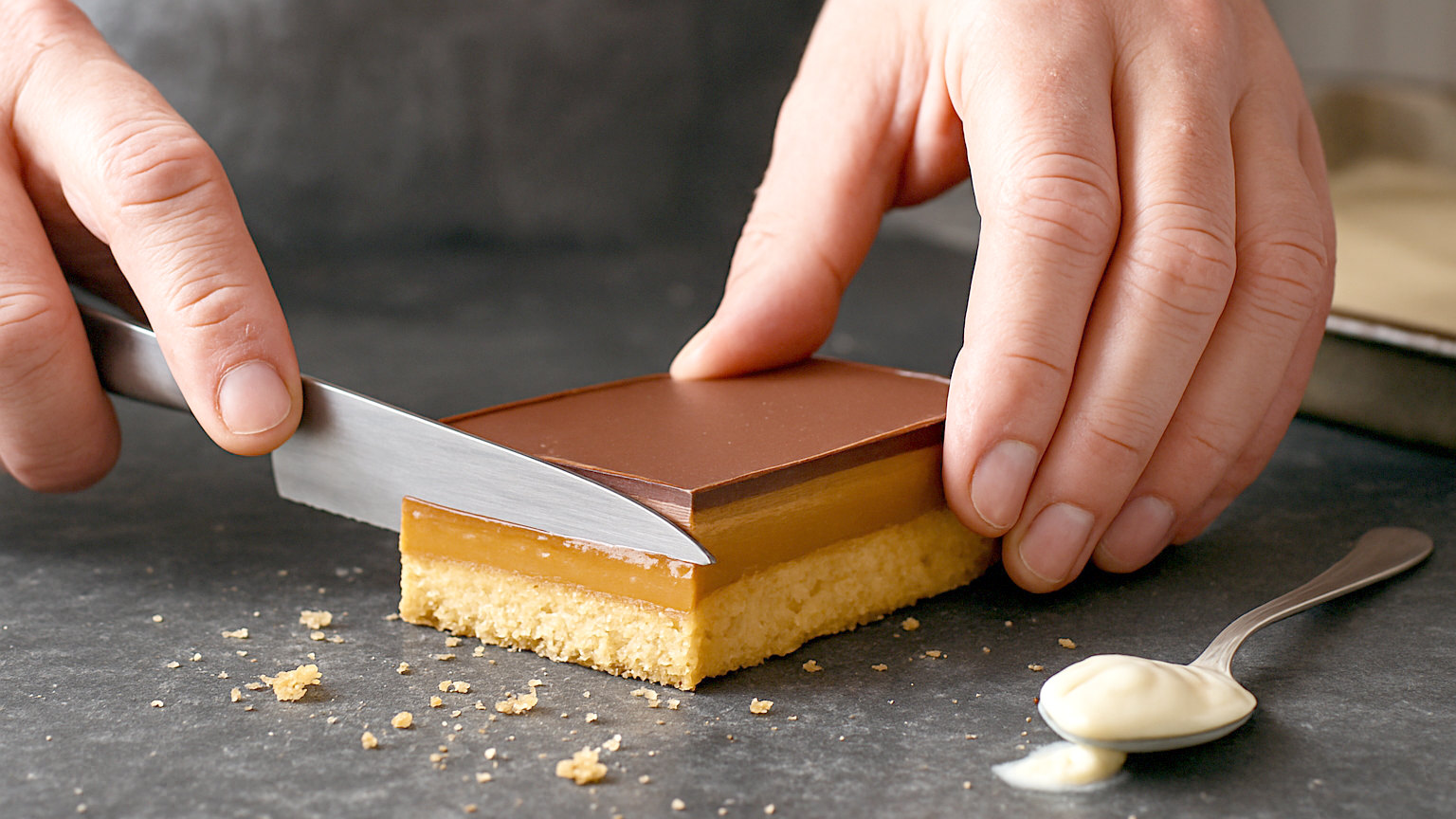
Three layers, and the caramel is the one that decides it. It must be boiled properly or it will not set and will run out when cut.
By UK Recipes
11 Aug 2026

Pudding in the British sense covers a great deal: something steamed and turned out with custard, a crumble made from whatever is in the fruit bowl, a tart, a trifle, or a tray of biscuits. These are the ones worth knowing by heart, written with the quantities most people actually have to hand and in tins most kitchens own.
Three layers, and the caramel is the one that decides it. It must be boiled properly or it will not set and will run out when cut.
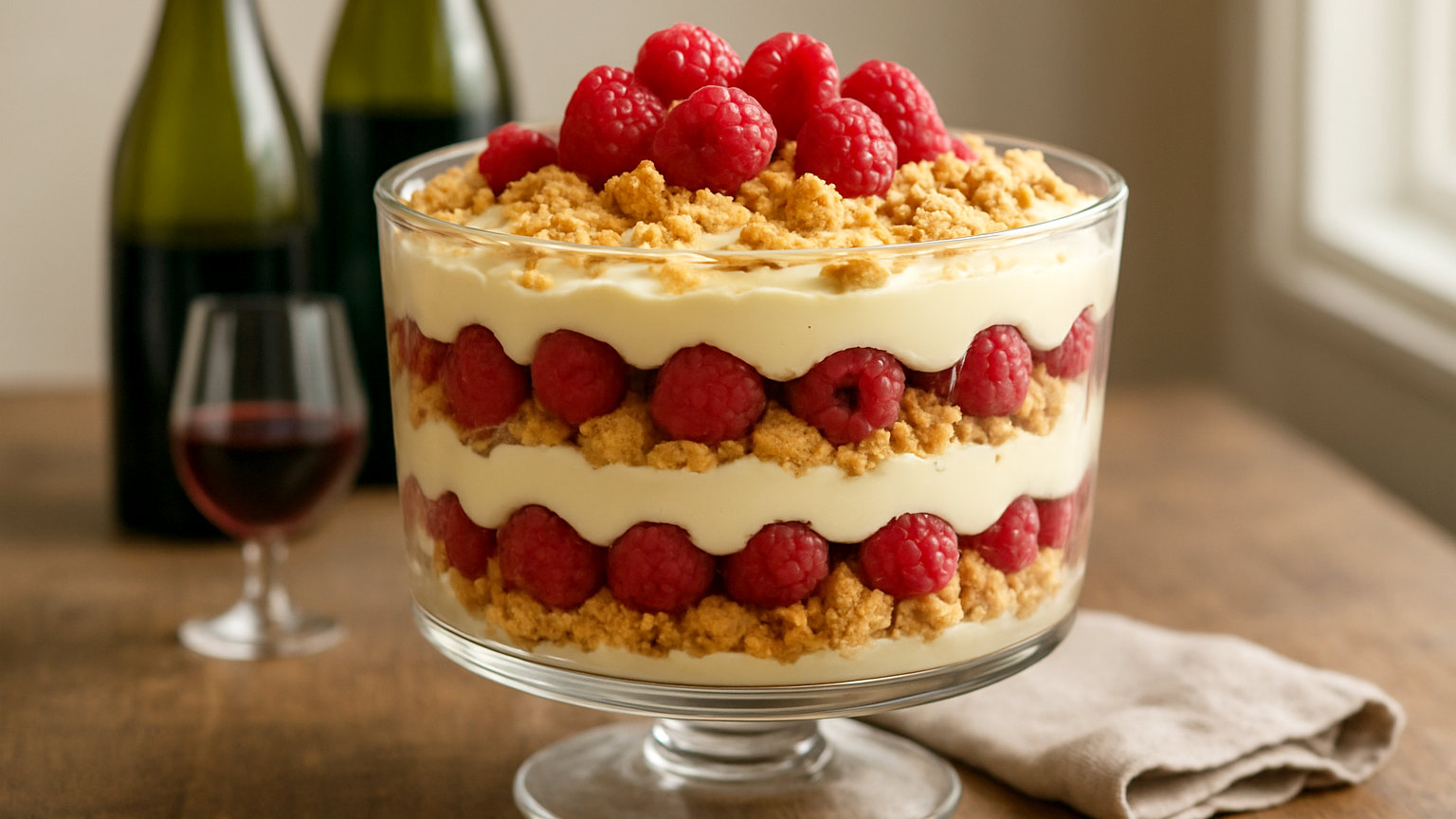
Amaretti in place of sponge, so the base stays crisp for longer. Sharper and less sweet than a classic trifle, and quicker to build.
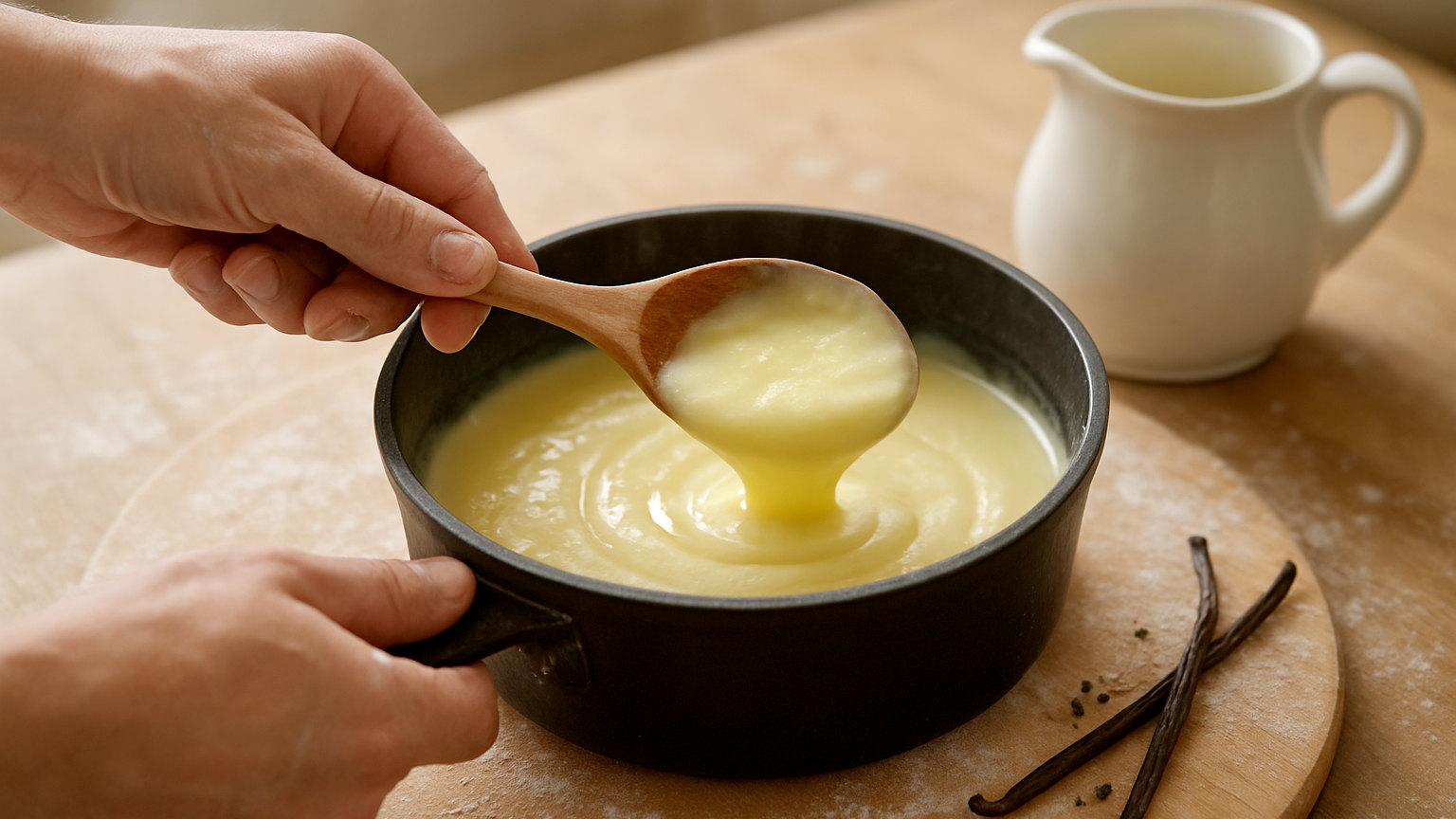
Cornflour does the setting instead. It has to be slaked in cold liquid and then properly boiled, which is the opposite of egg custard.
Ground almonds in place of some of the flour give a denser, moister crumb that keeps for a week. Contains nuts.
A spoonful of curd hollowed into the top of each cube before the dome goes on. Contains nuts.
Individual pies rather than one large one. Cook the apples down first or the filling shrinks and leaves a hollow lid.
Cocoa cakes dry out faster than plain ones, and a loaf tin bakes for an hour. Soured cream is what saves it.
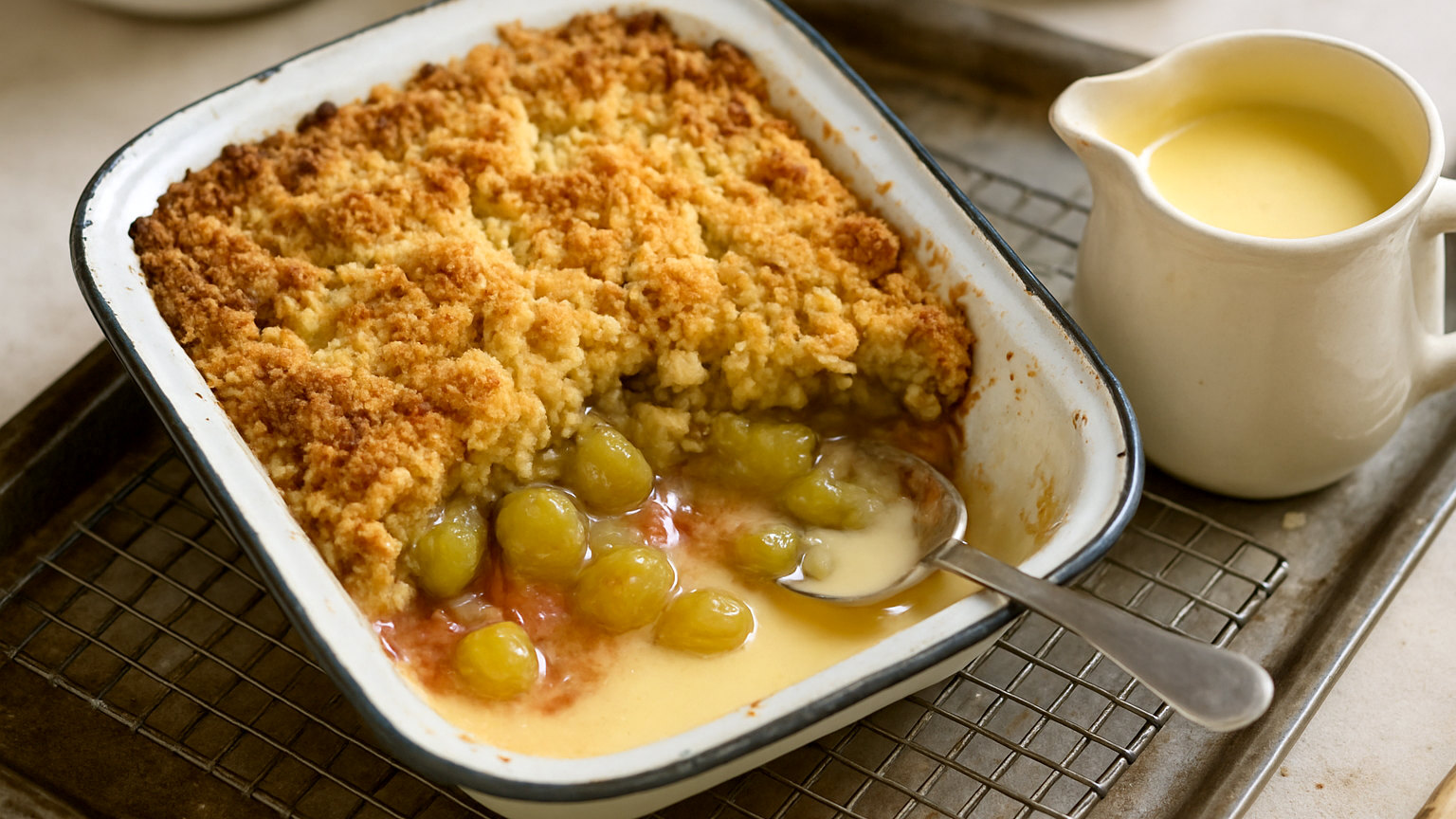
A short season and a sharp fruit that most people never cook. Gooseberries need real sugar and they pair with elderflower for a reason.
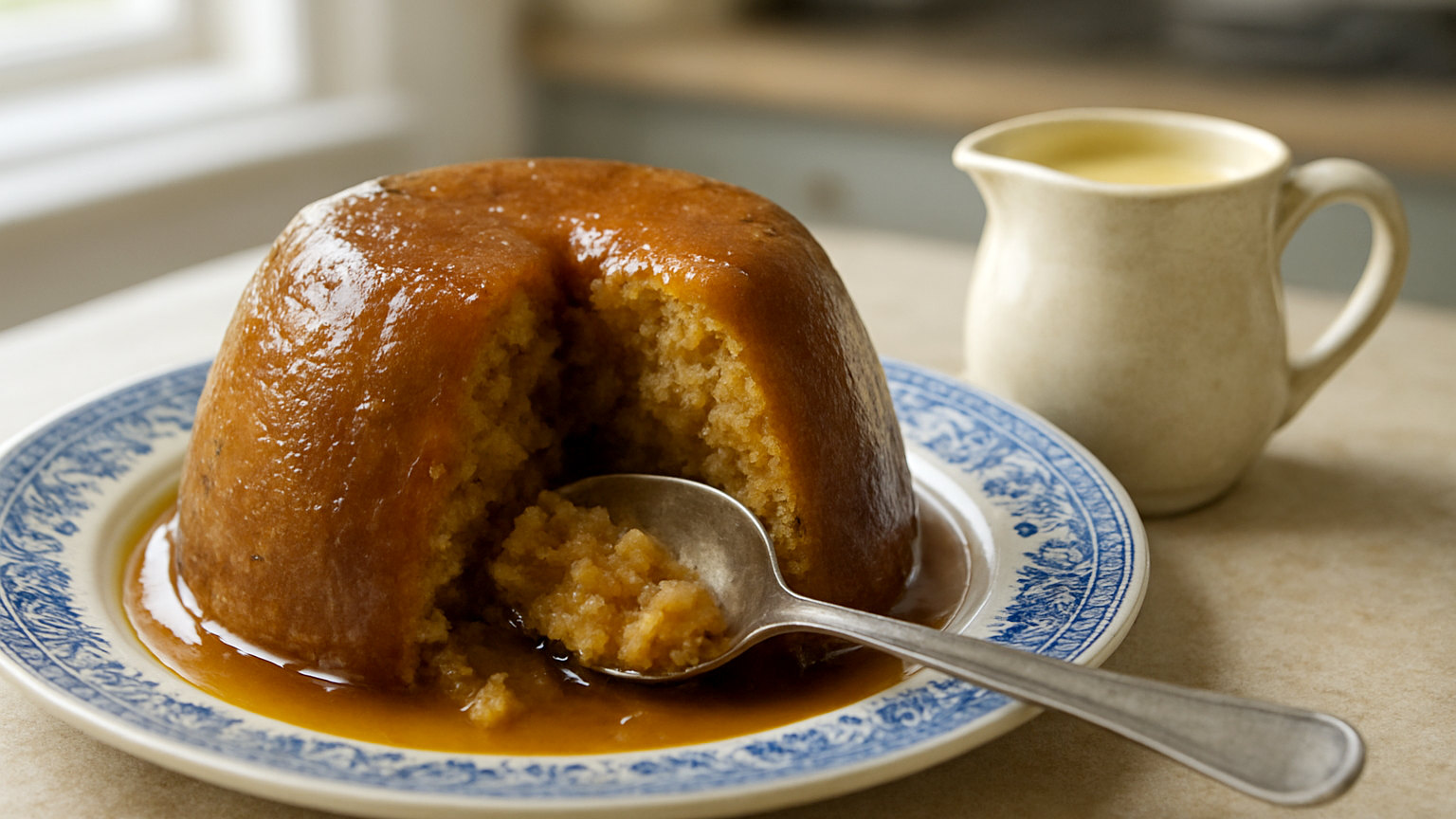
They reheat better than almost any other pudding, because more steam is exactly what they were made with. Two hours becomes thirty minutes on the day.
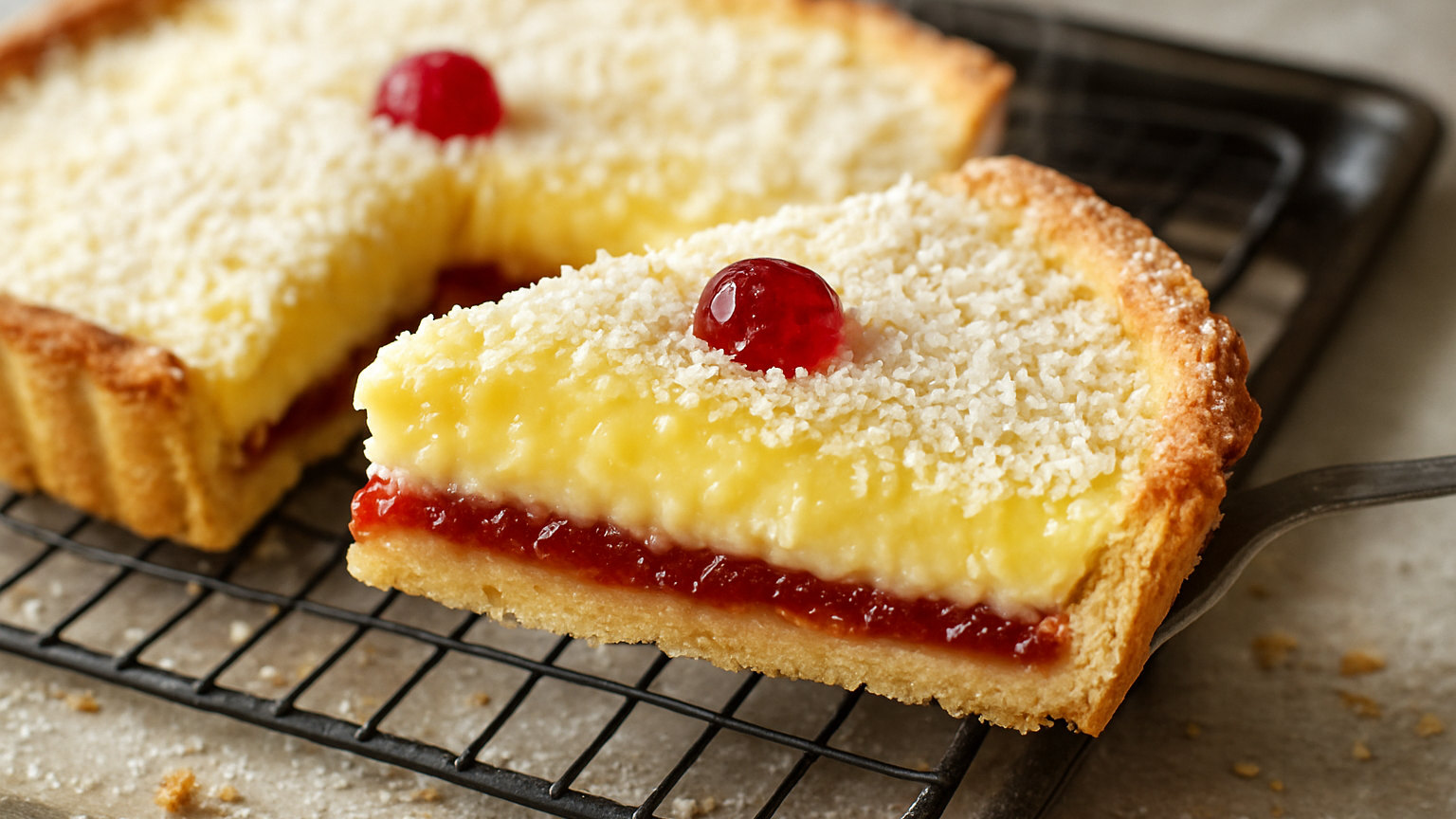
Jam, custard, coconut and a glace cherry. A school dinner pudding that is better than nostalgia suggests, provided the custard is set properly.
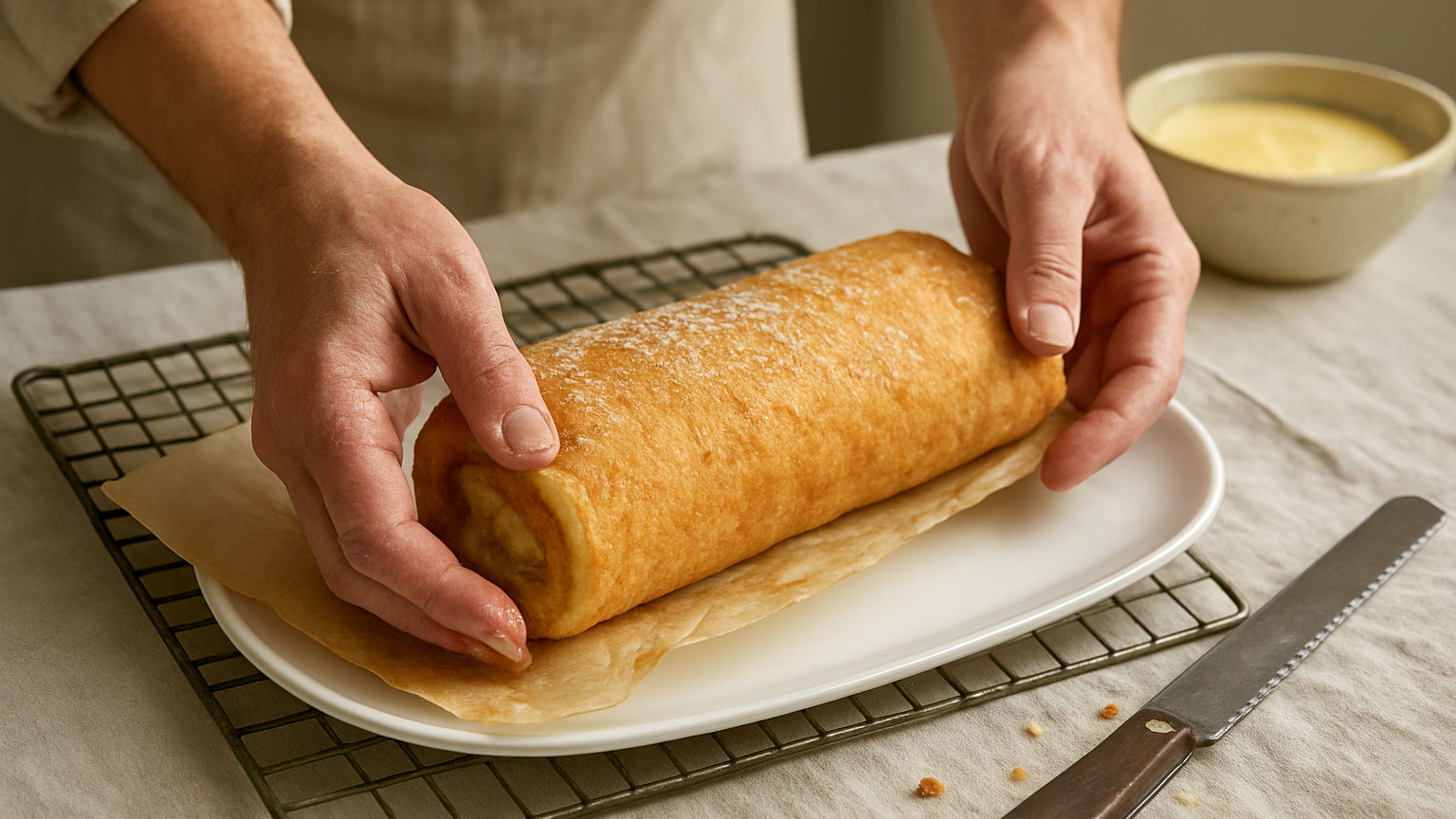
A whisked sponge with no fat at all, rolled while hot. Letting it cool flat is what causes the cracks everyone gets first time.
Airtight, at room temperature, and never in the same tin as a soft biscuit. Moisture moves from one to the other overnight.