Barm Cakes, Baps and Oven Bottoms
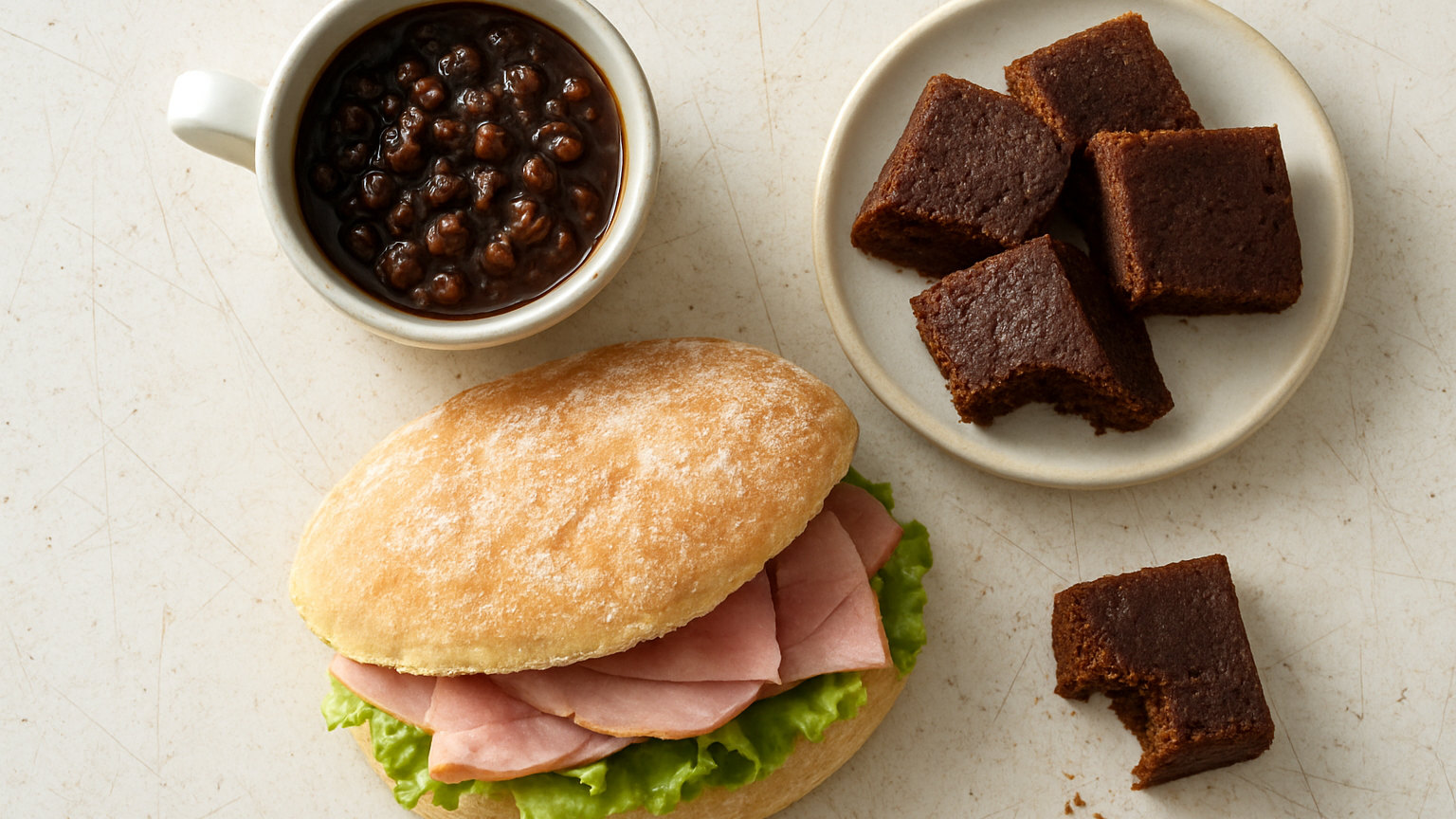
What you call a bread roll depends on where you are standing. A guide to the northern names and what they actually mean.
By UK Recipes
15 Aug 2026

Lancashire hotpot, parkin, Yorkshire curd tart, Bury black pudding and Cumberland sausage.
What you call a bread roll depends on where you are standing. A guide to the northern names and what they actually mean.
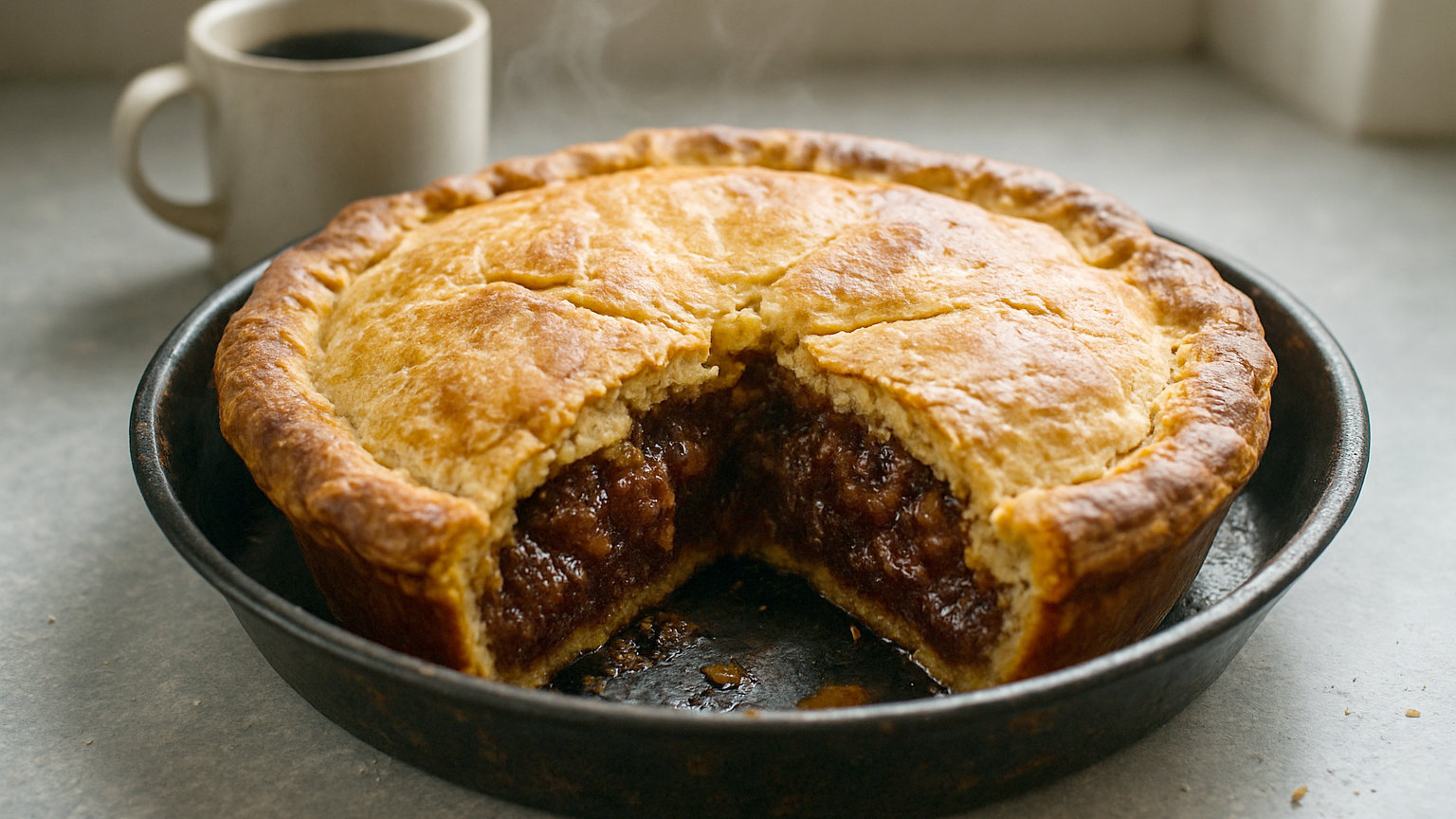
Dates, ginger and rum in a pastry case, a legacy of Whitehaven and its trade with the Caribbean.
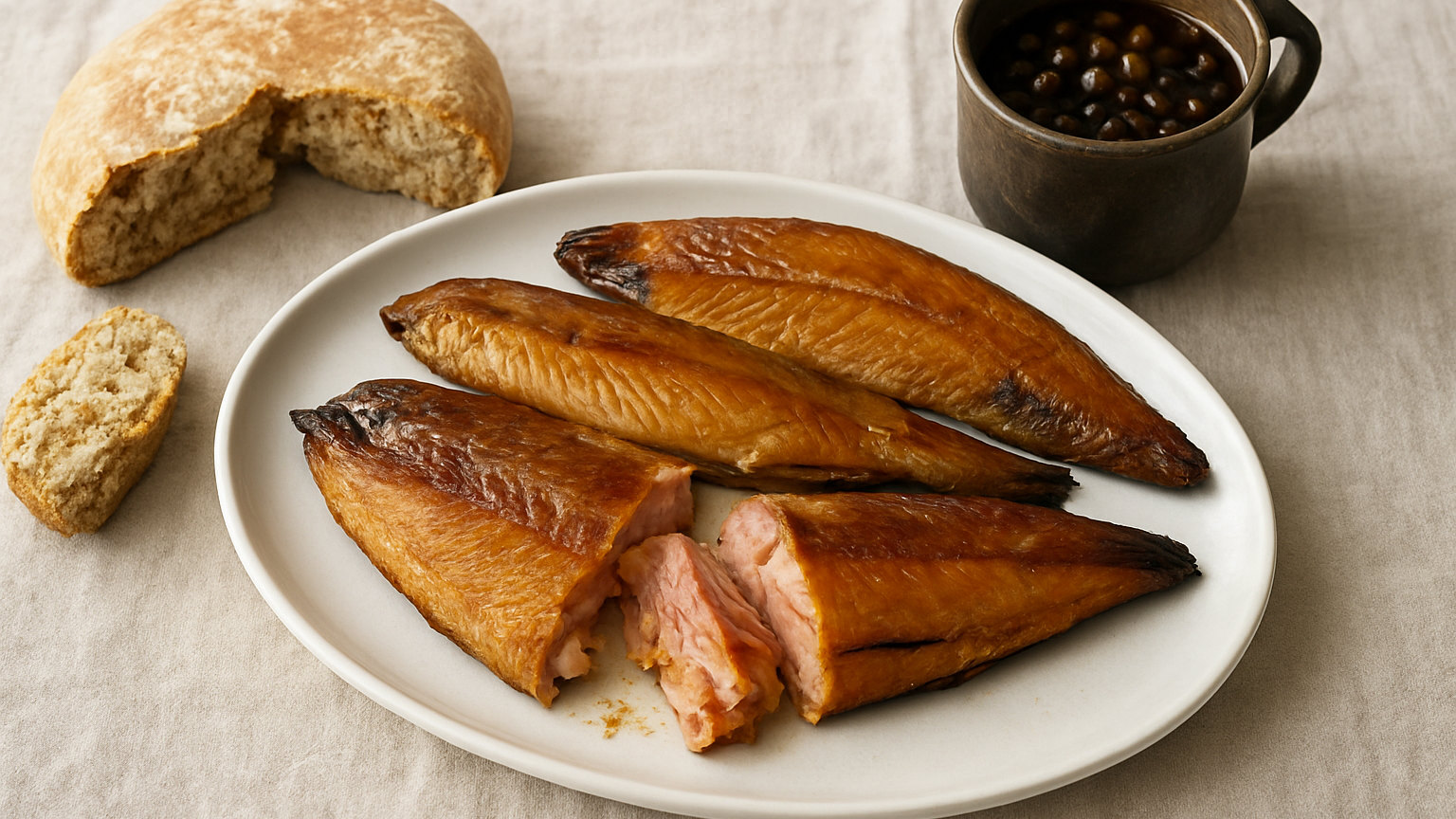
Herring split, salted and oak smoked in Northumberland since the 1850s. Poaching in water beats grilling and leaves no smell in the house.
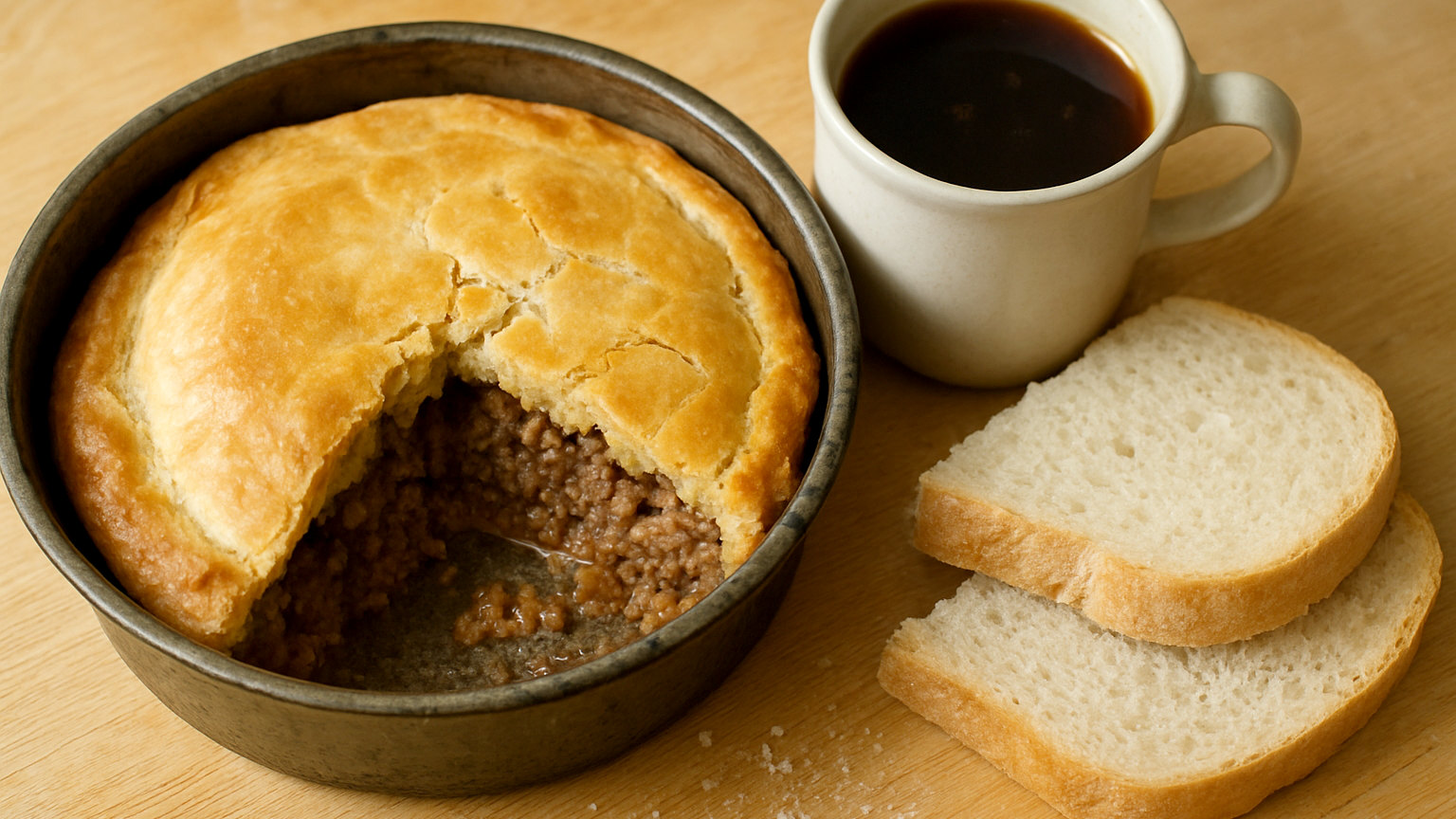
Minced beef and onion in suet pastry, boiled in a cloth rather than a basin. An Oldham dish and a genuinely cheap one.
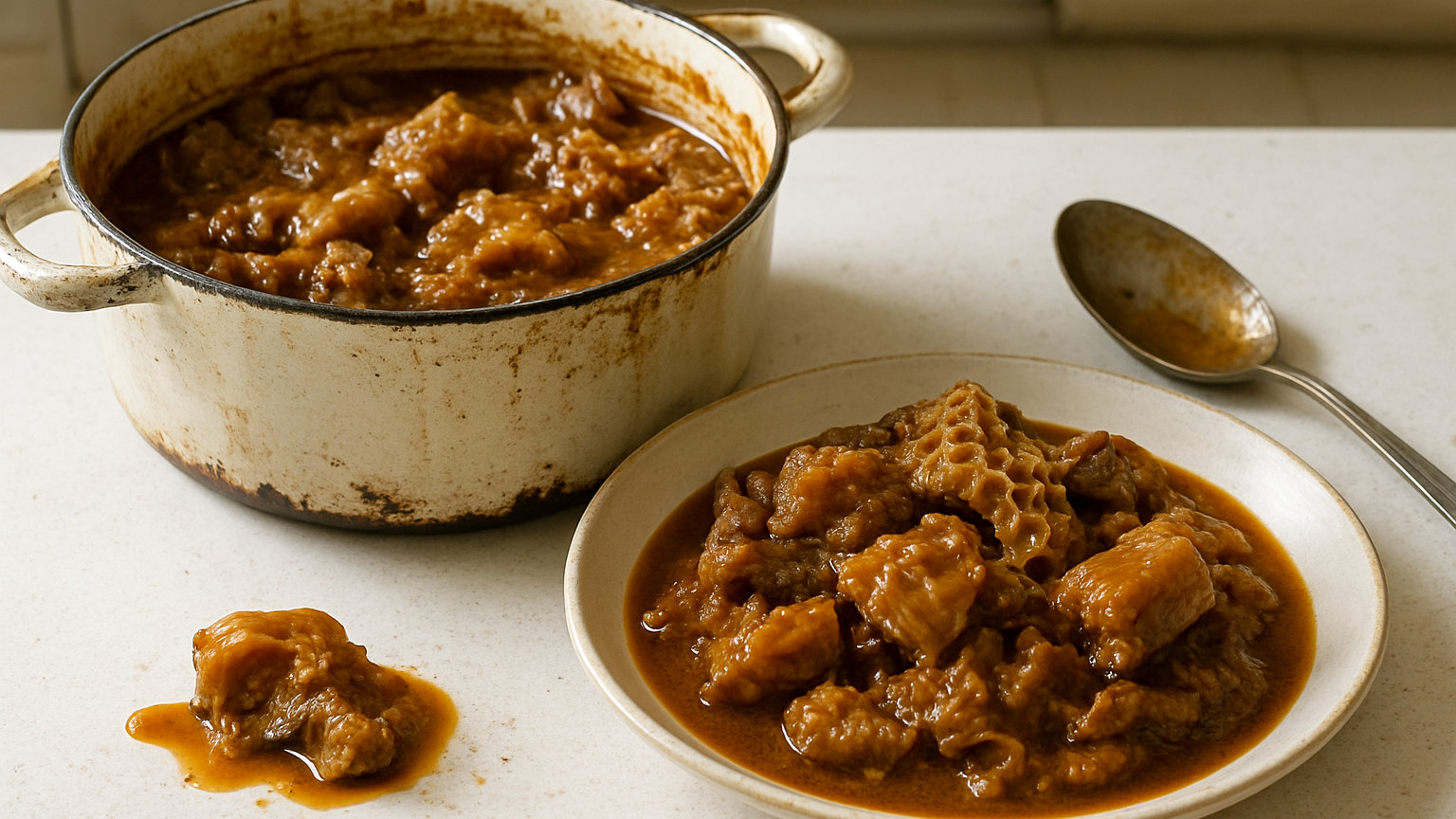
Tripe shops were once on every high street in Lancashire. Understanding what these cuts are and why they were eaten explains a lot about northern food.
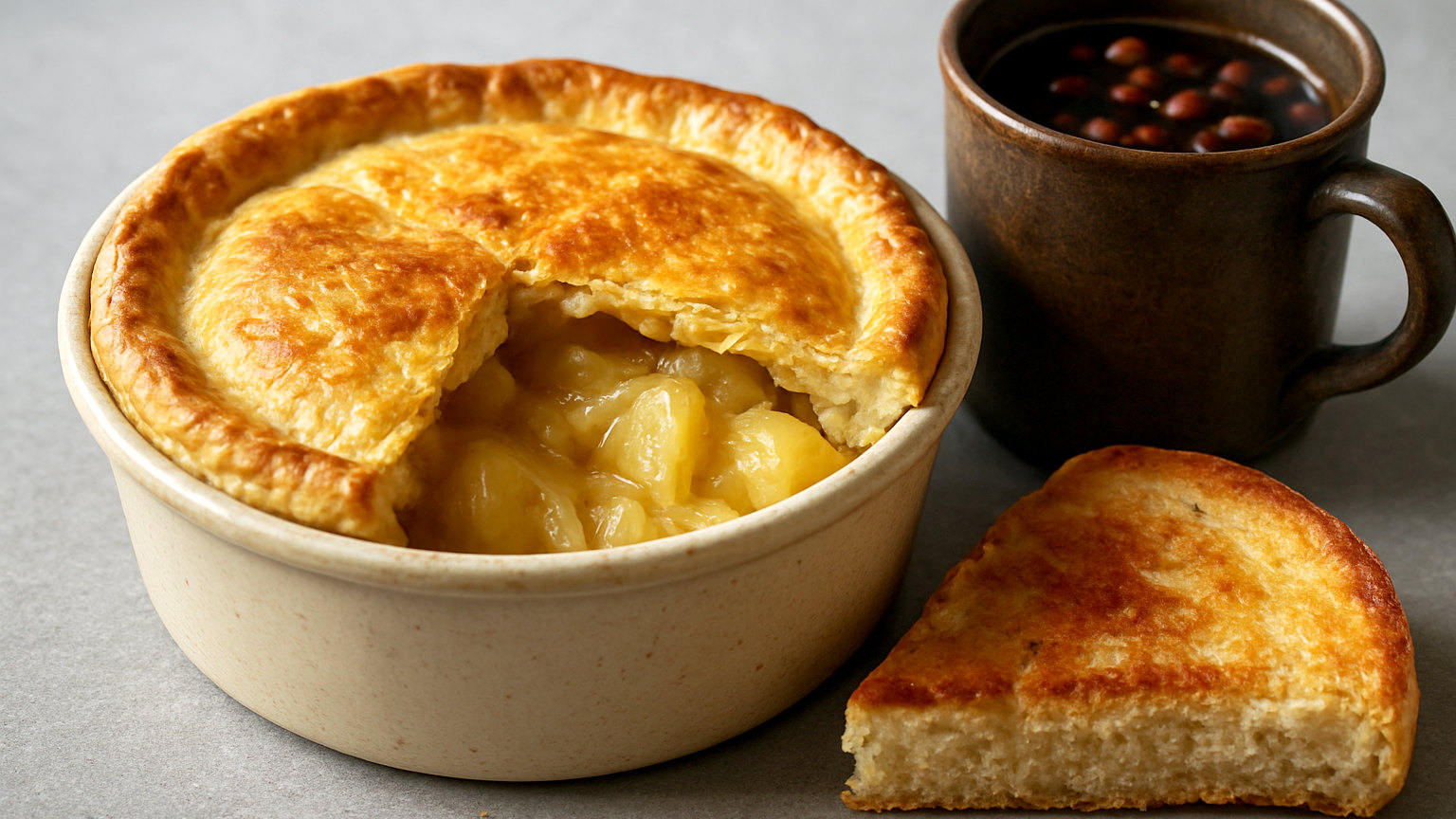
Potato, onion and a great deal of butter in a pastry case. Made for Catholic households who ate no meat on Fridays.
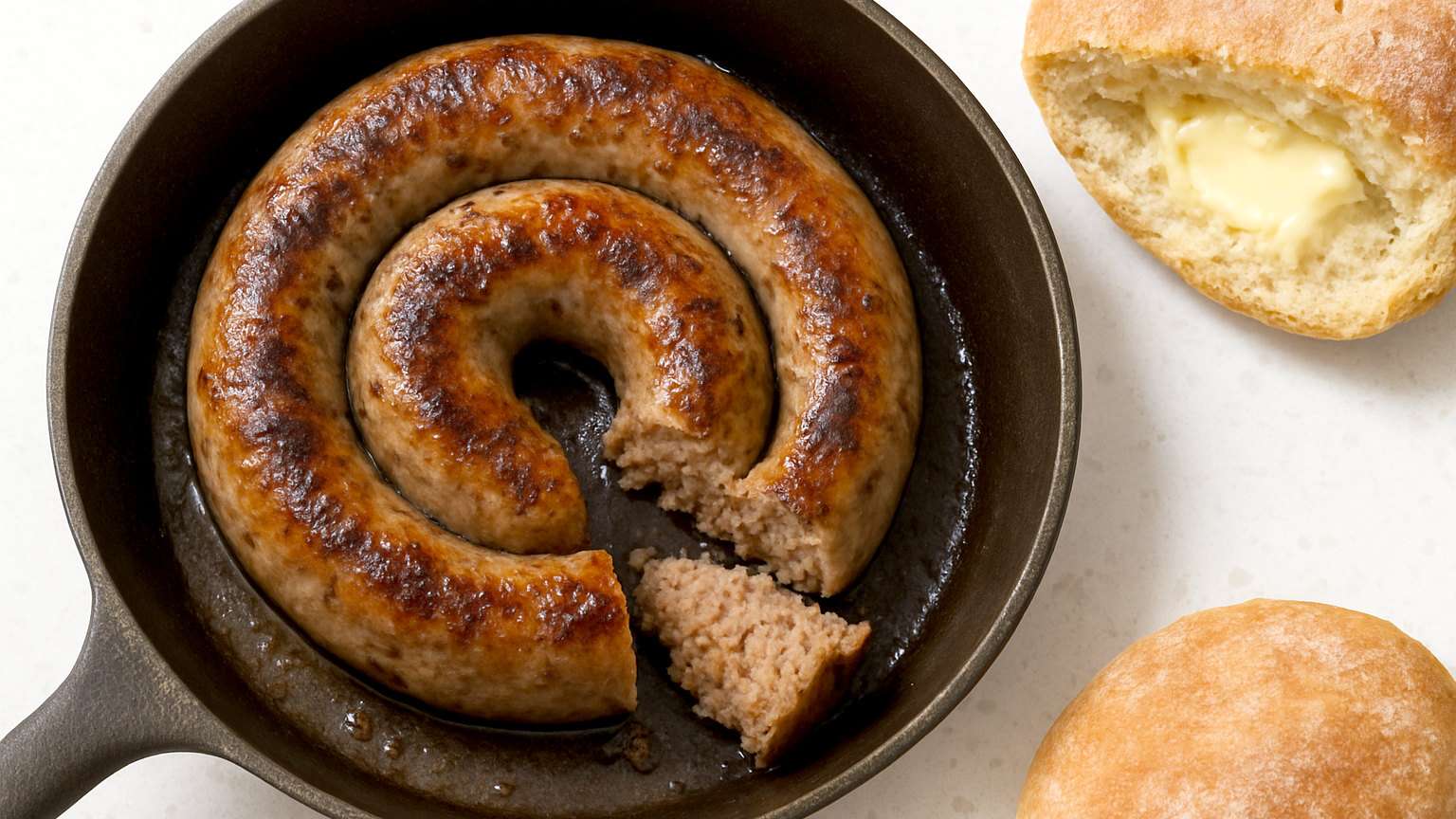
Sold in a coil rather than links, coarsely chopped rather than minced, and heavily peppered. Traditional Cumberland Sausage holds protected status.
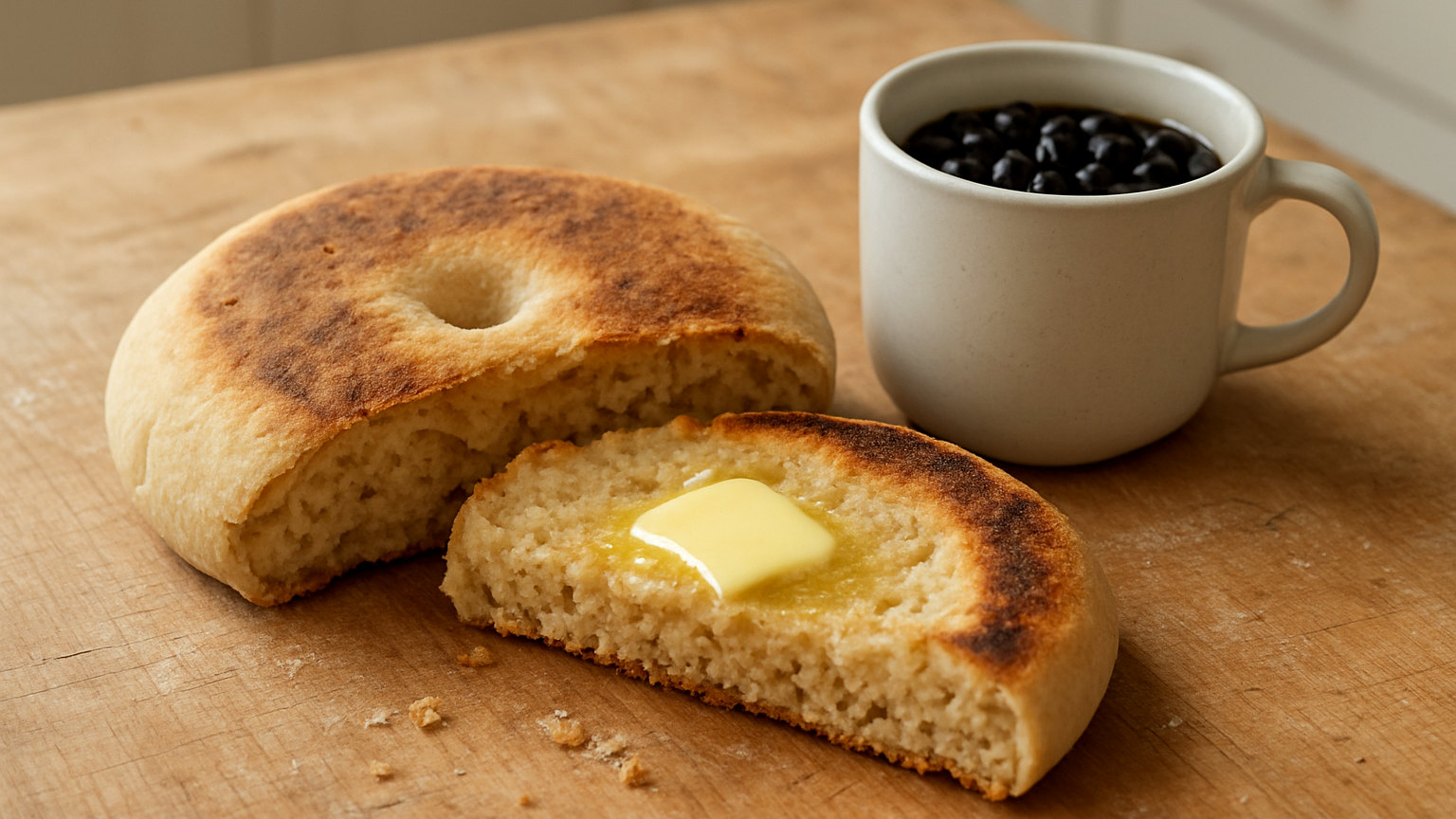
A flat, heavy round loaf from Tyneside with a dimple in the middle. Baked at the bottom of the oven and turned partway through.
A Northumberland griddle cake that sizzles as it cooks, which is where the name comes from. Rich with lard and currants.
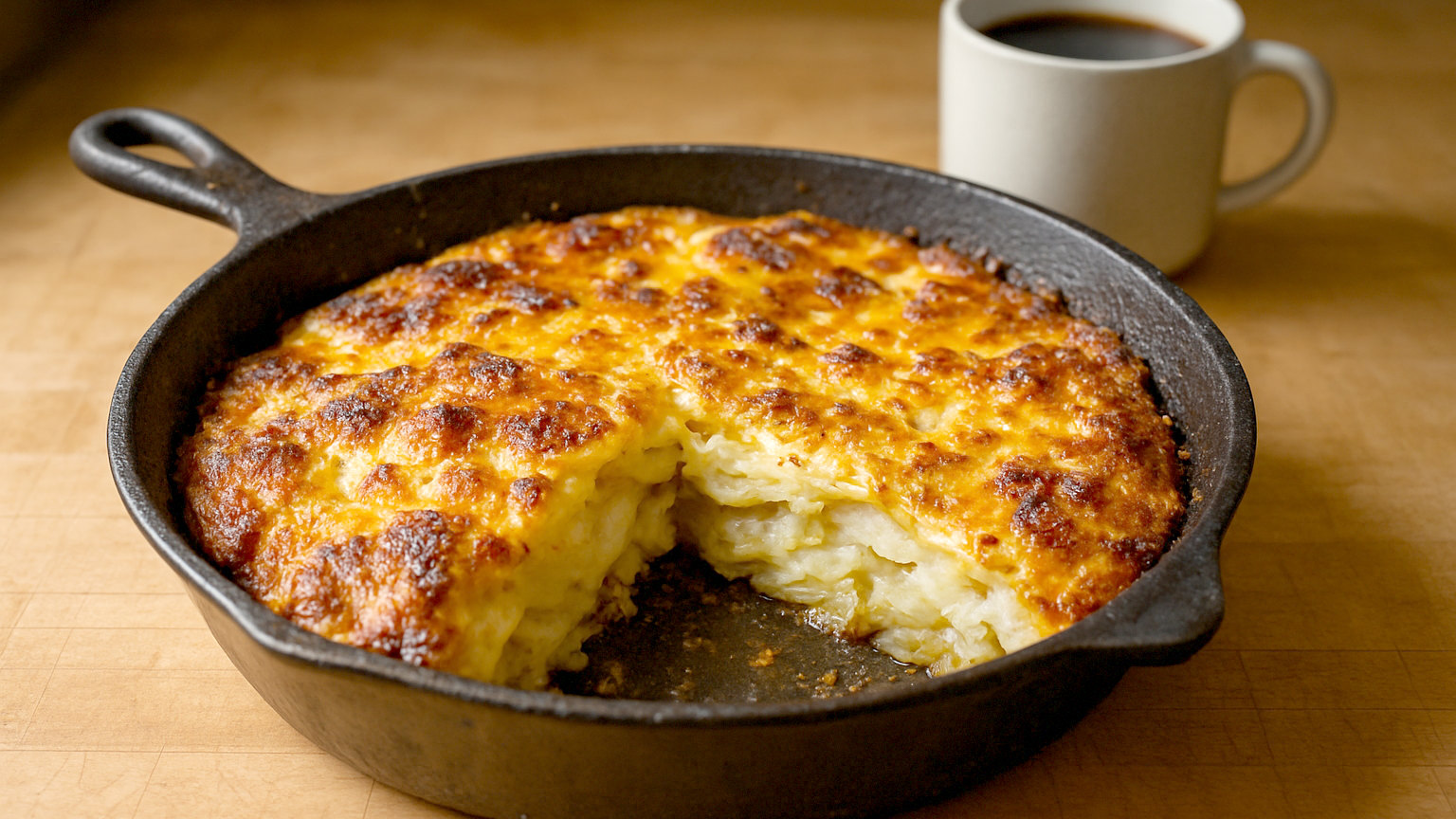
Layered potato, onion and cheese cooked in a frying pan and finished under the grill. A Northumberland dish made from almost nothing.
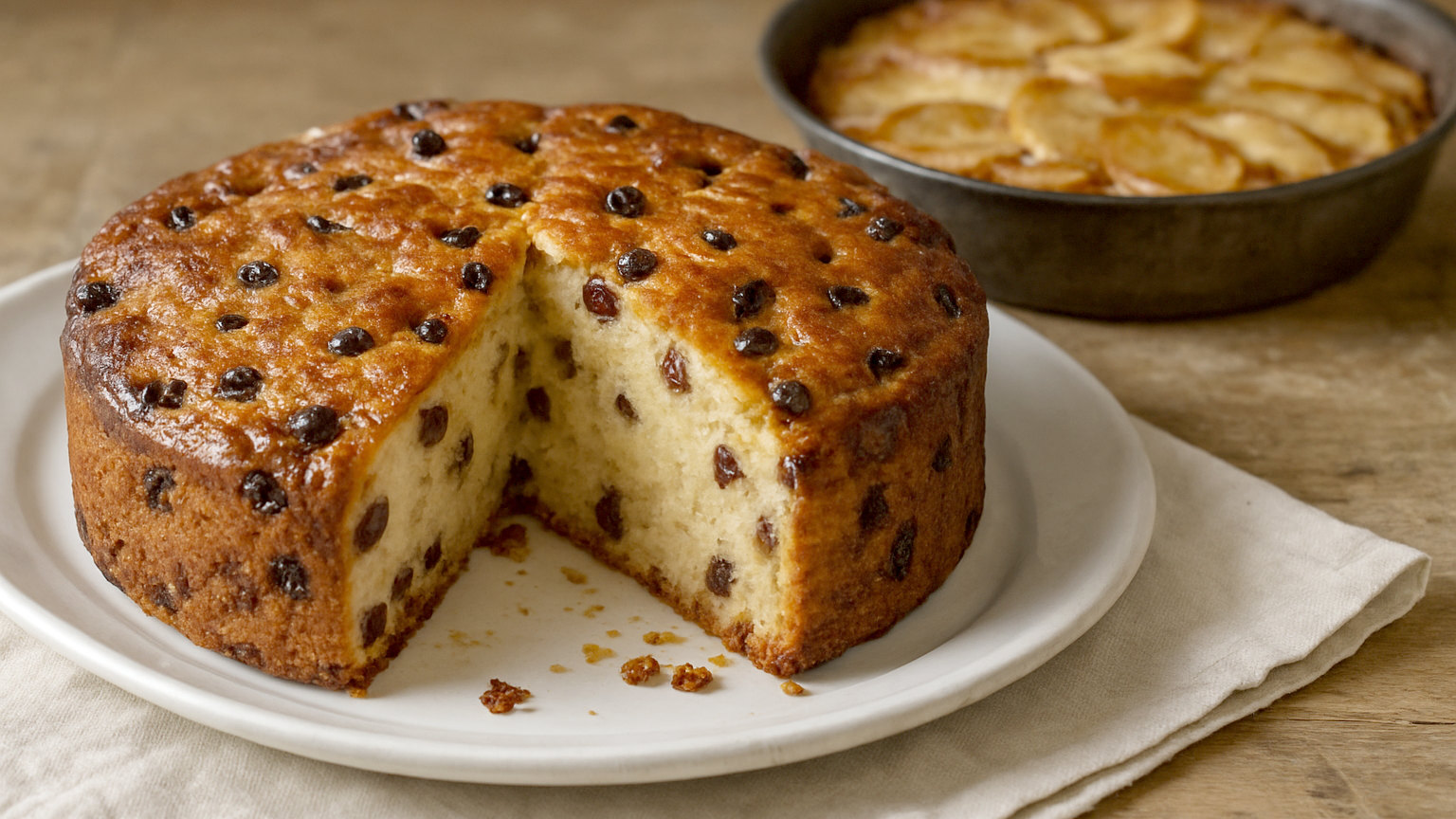
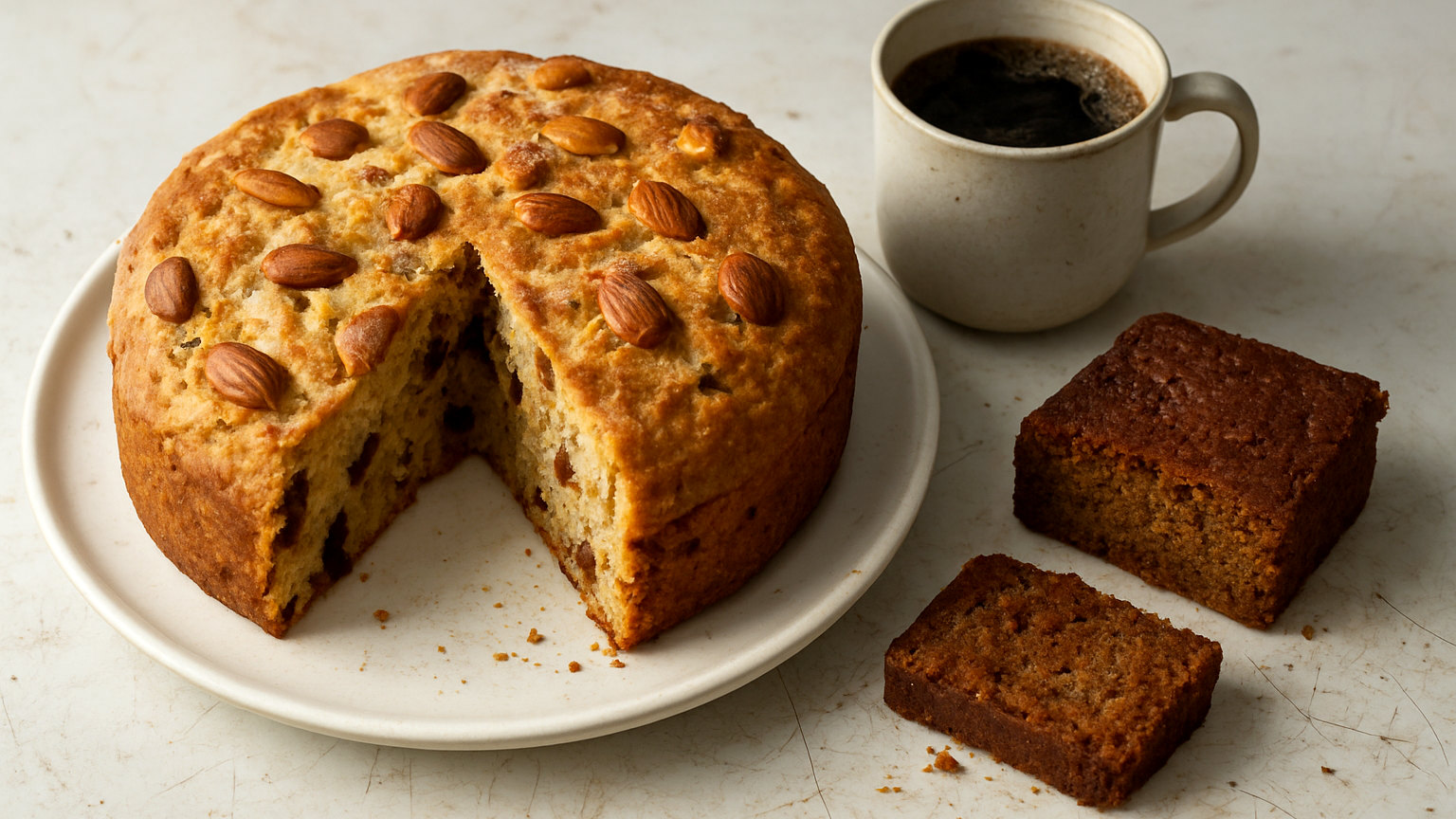
A cross between a rock cake and a scone, studded with fruit and decorated with almonds and cherries. Yorkshire through and through.
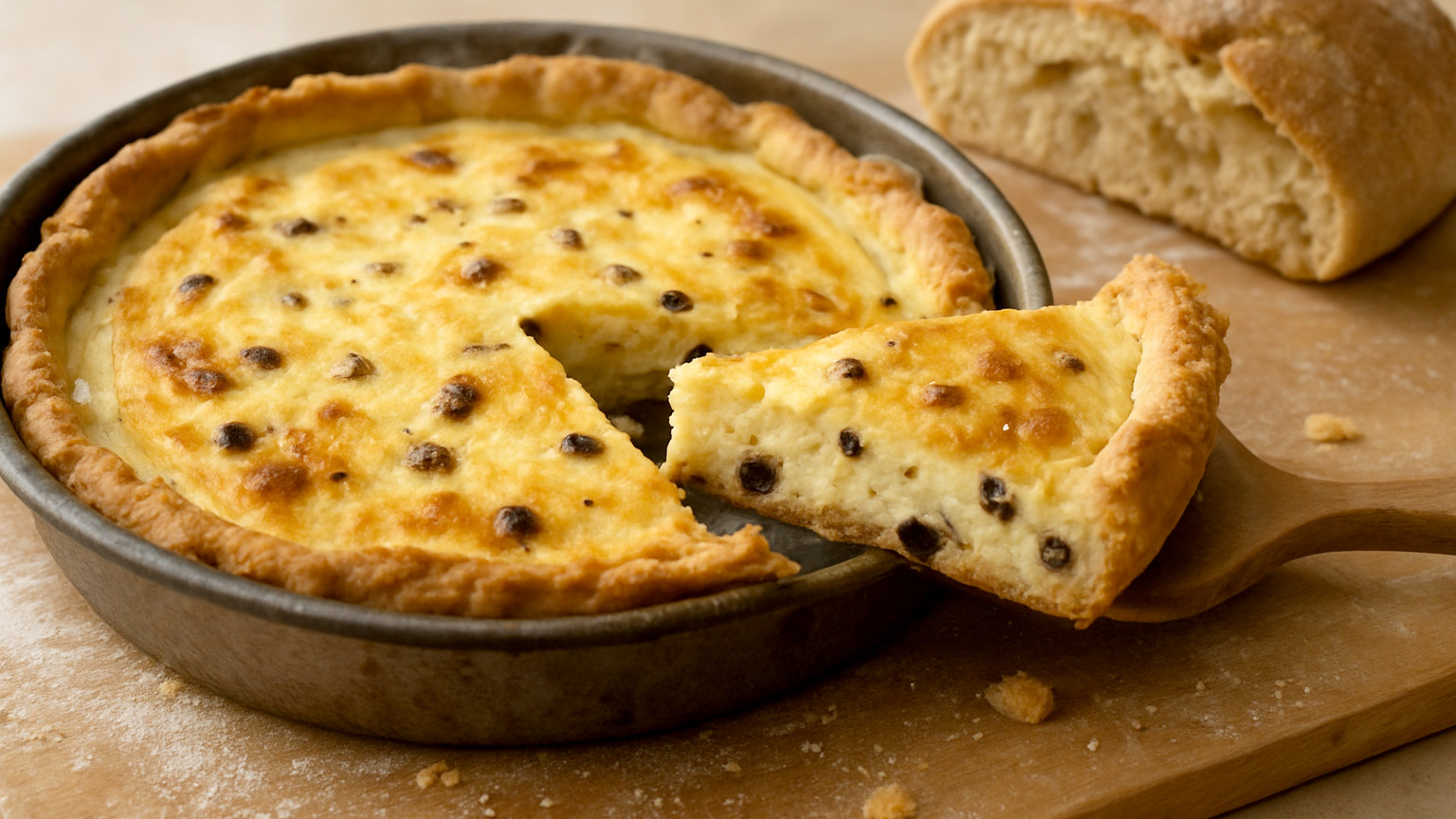
Curd cheese, currants and allspice in a pastry case. The allspice is what makes it Yorkshire rather than any other curd tart.