A Regional Food Map of England
What each part of the country is known for, and why geography rather than tradition usually explains it.
By UK Recipes
18 Aug 2026

Bakewell tart, Melton Mowbray pork pies, jellied eels and the dishes that belong to one English town in particular.
What each part of the country is known for, and why geography rather than tradition usually explains it.
Smoked haddock in a cheese sauce, baked under breadcrumbs. A pub dish from the south coast that takes twenty minutes.
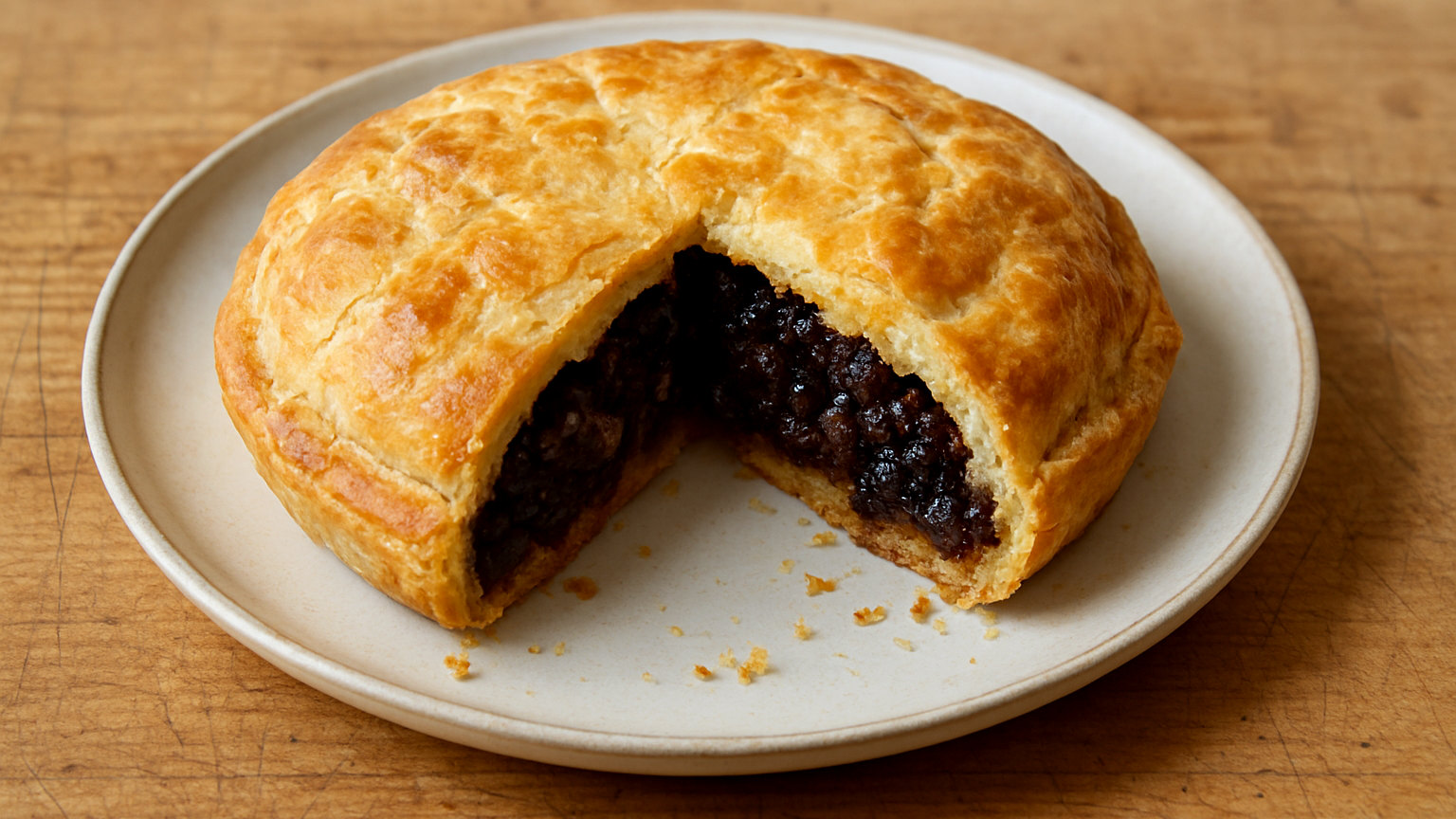
Flat oval pastries filled with spiced currants, from Oxfordshire. Sold from the same shop in Banbury for over three hundred years.
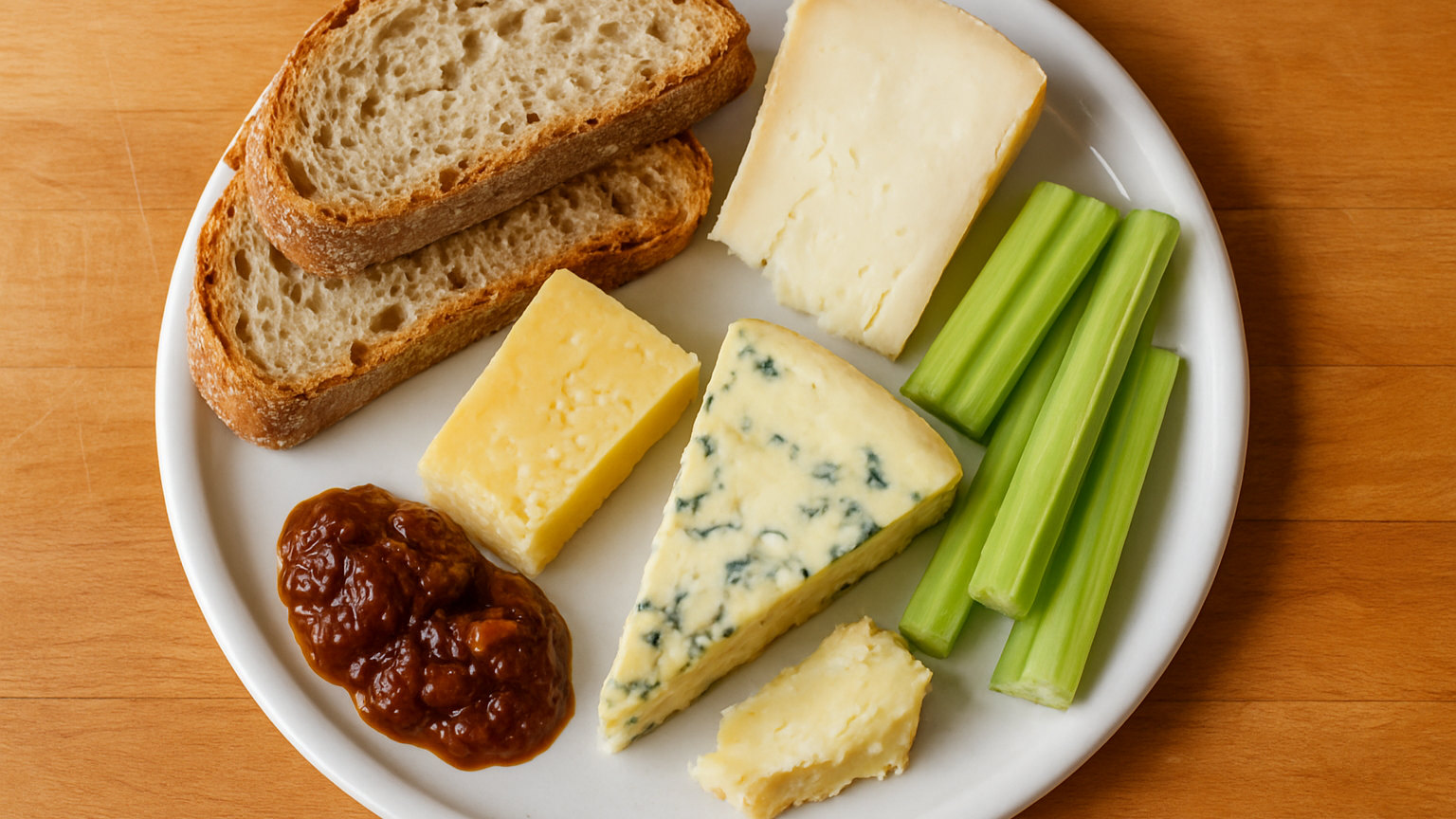
Beyond cheddar there are territorials, blues and soft cheeses with real regional character. Several hold protected status.
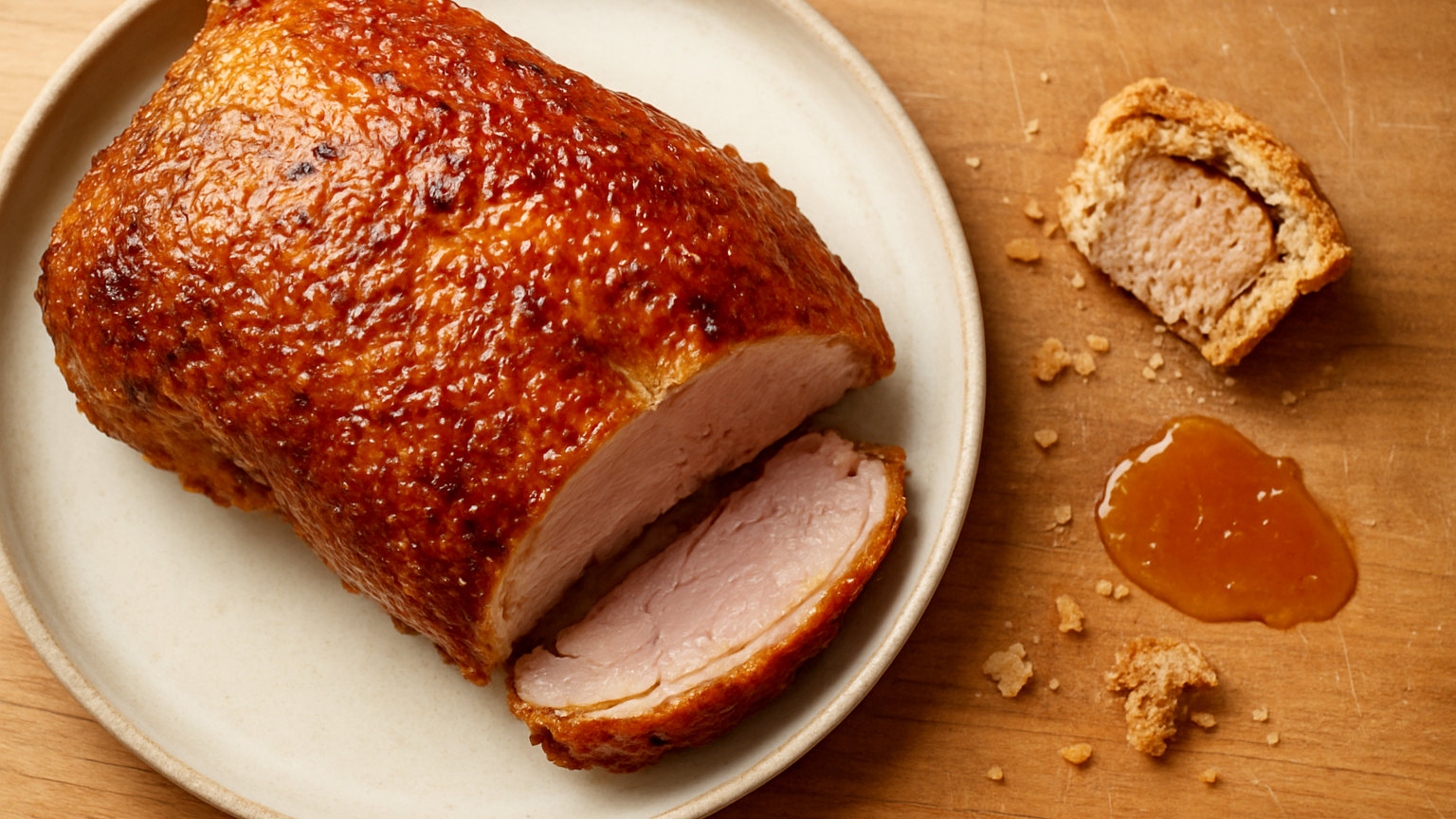
Duck holds a great deal of fat under the skin, so it needs pricking, drying and a long roast to render it out.
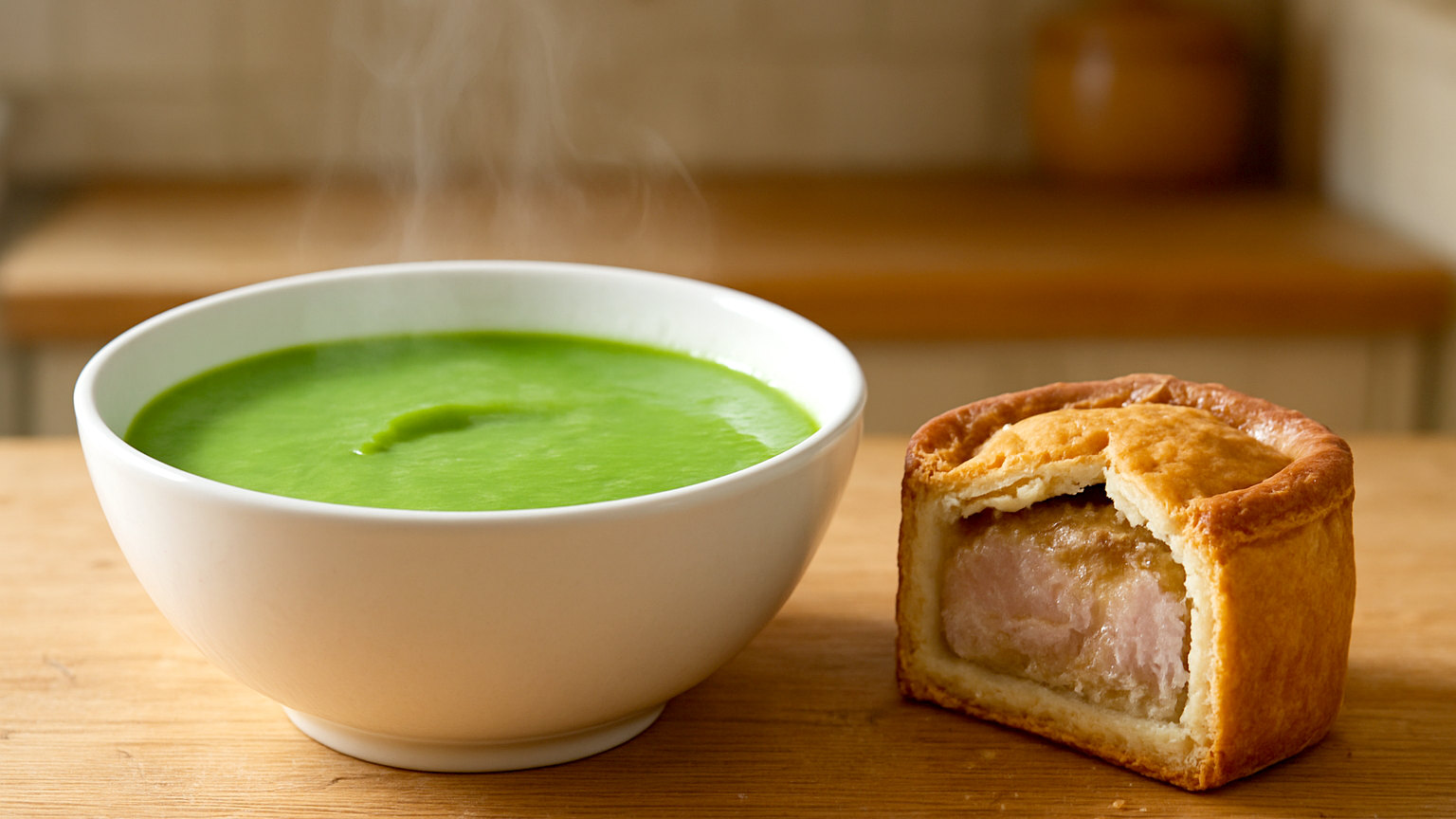
Peppery and bright green, and it turns khaki within minutes if overcooked. The watercress goes in for ninety seconds at the very end.
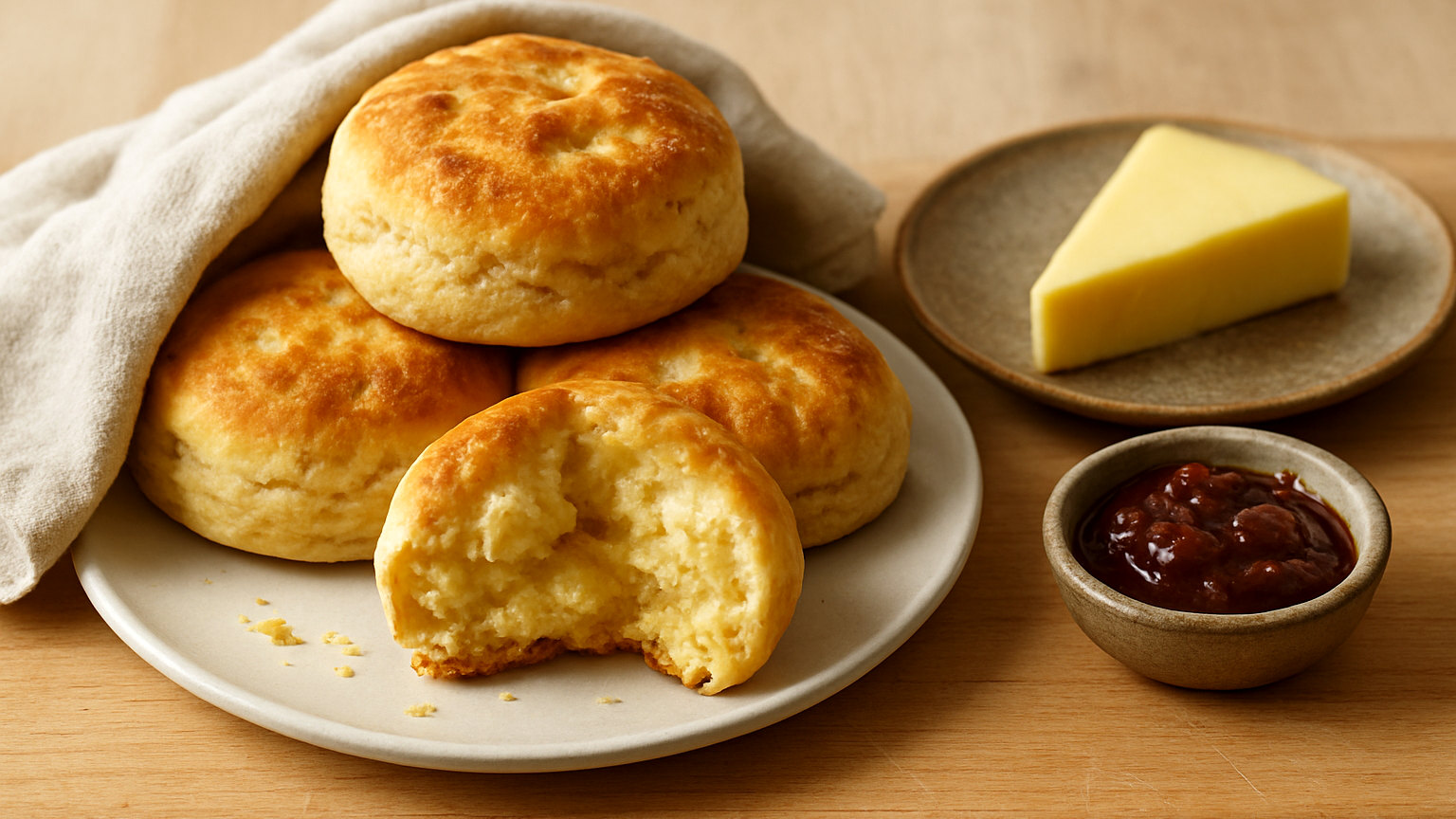
Soft flat bread rolls with a dimple pressed in the middle, from Kent. Wrapped in a cloth as they cool so the crust stays soft.
Sandwiches, scones and cakes, in that order, with tea. It is a Victorian invention rather than an ancient one and it is not high tea.
Native oysters have a season and rock oysters do not. Colchester and Whitstable have been producing them since Roman times.
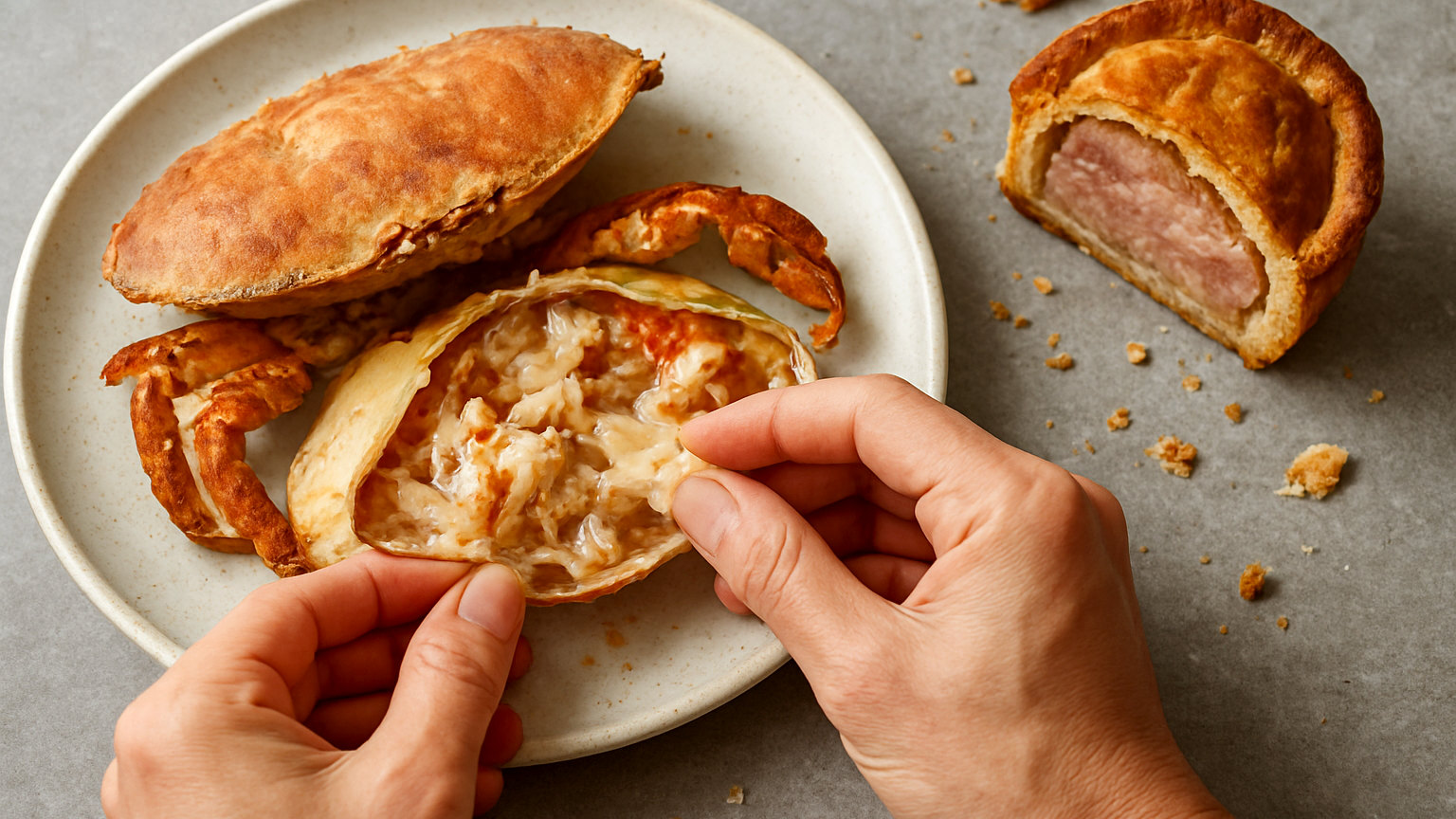
Small, sweet Norfolk crabs with an unusually high proportion of meat. Dressing one takes about twenty minutes and needs no special equipment.
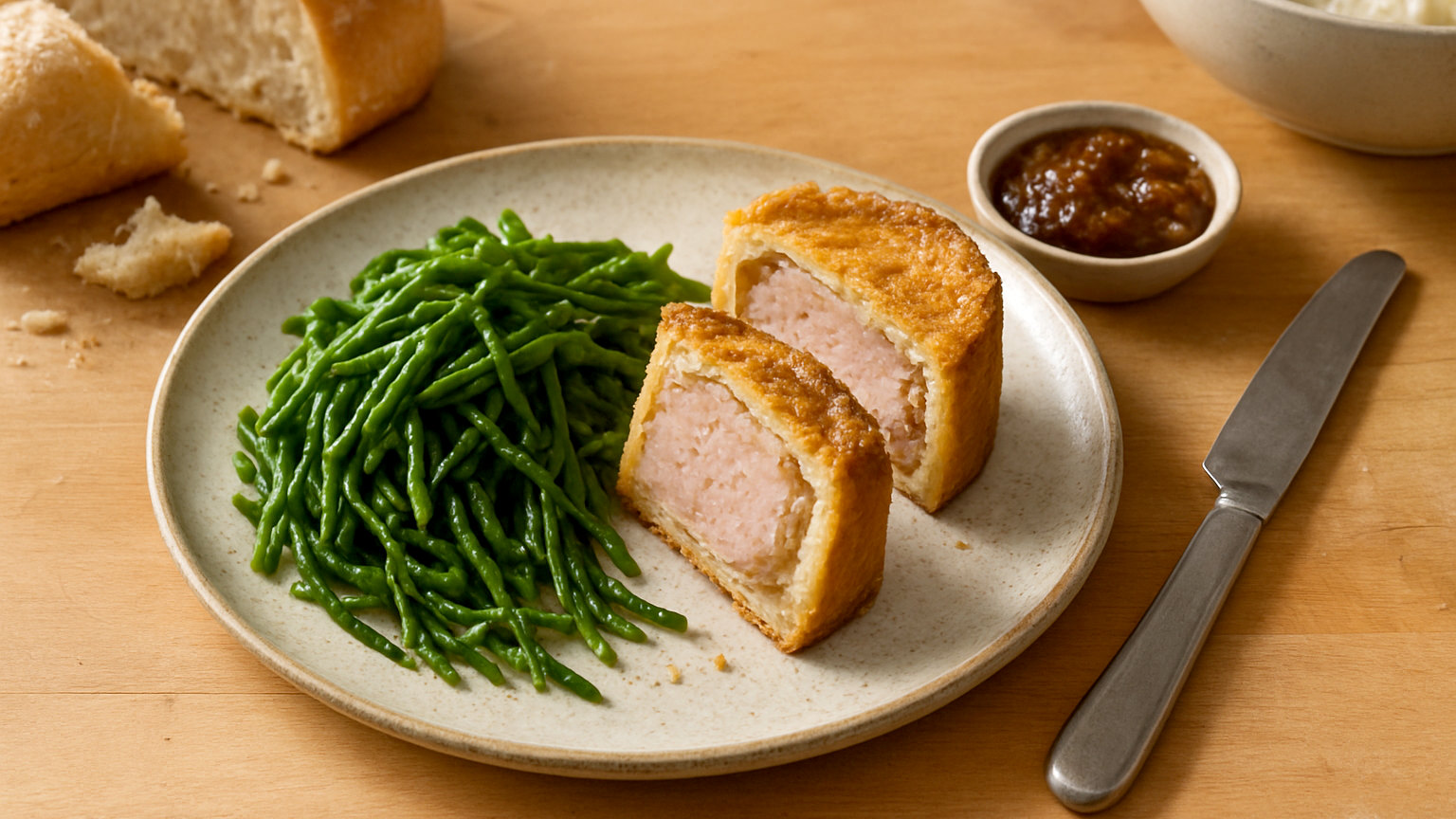
A salty coastal vegetable that needs no salt and about three minutes of cooking. Norfolk marsh samphire is in season from June to September.
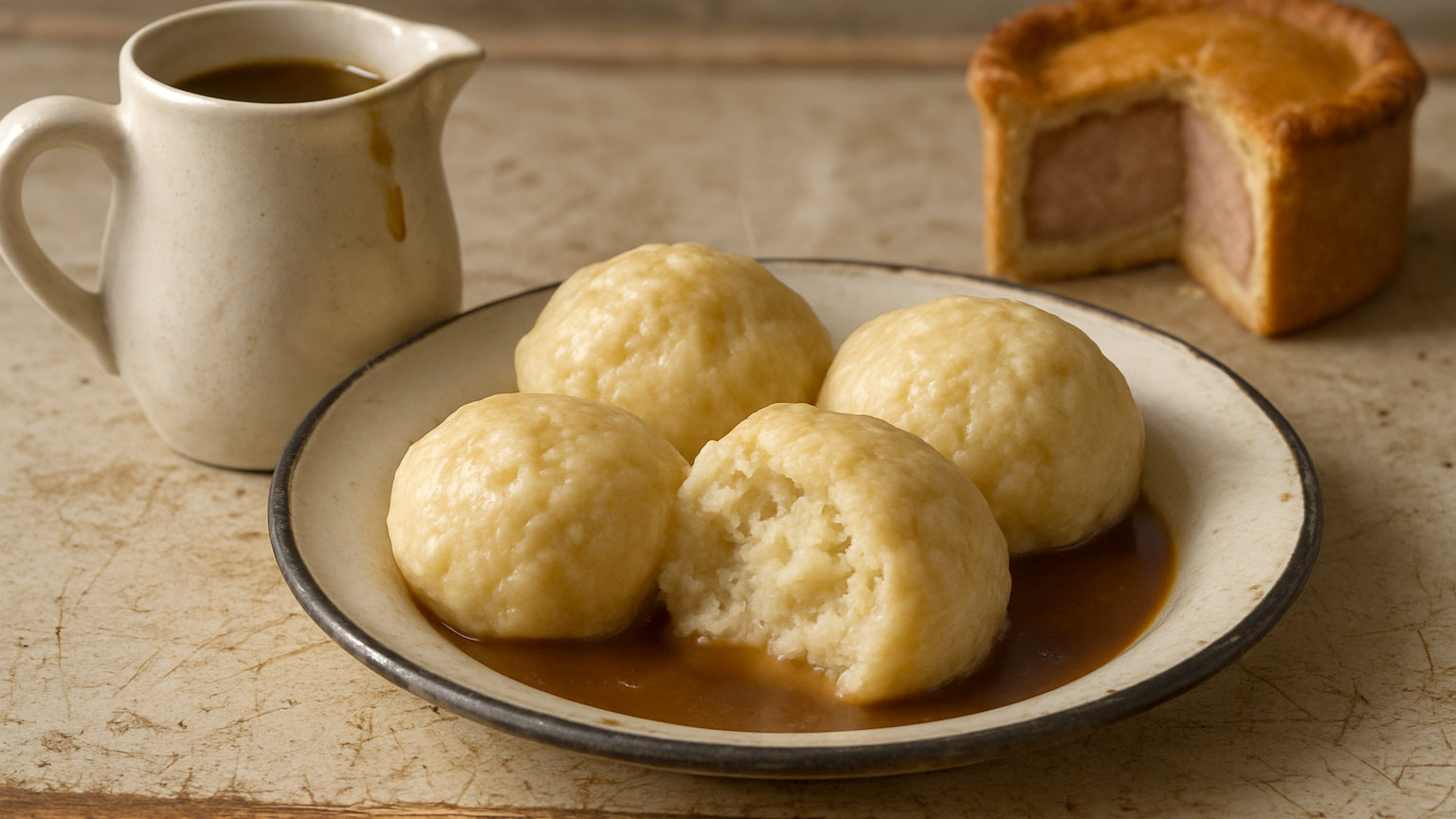
Flour, yeast and water, with no suet at all. They are boiled for twenty minutes and eaten with gravy before the meat.