A Regional Food Map of England
What each part of the country is known for, and why geography rather than tradition usually explains it.
By UK Recipes
18 Aug 2026

A great deal of British cooking is local before it is national, and the arguments about it are half the point. These recipes cover the dishes that belong to somewhere in particular - what makes a pasty Cornish, what goes into a hotpot and in what order, what a proper Ulster fry has on it. Where there is genuine disagreement about a dish, we set out the versions rather than declaring a winner.
What each part of the country is known for, and why geography rather than tradition usually explains it.
Smoked haddock in a cheese sauce, baked under breadcrumbs. A pub dish from the south coast that takes twenty minutes.
The orange colour comes from a plant dye and tells you nothing about the strength. A guide to the cheeses of the central counties.
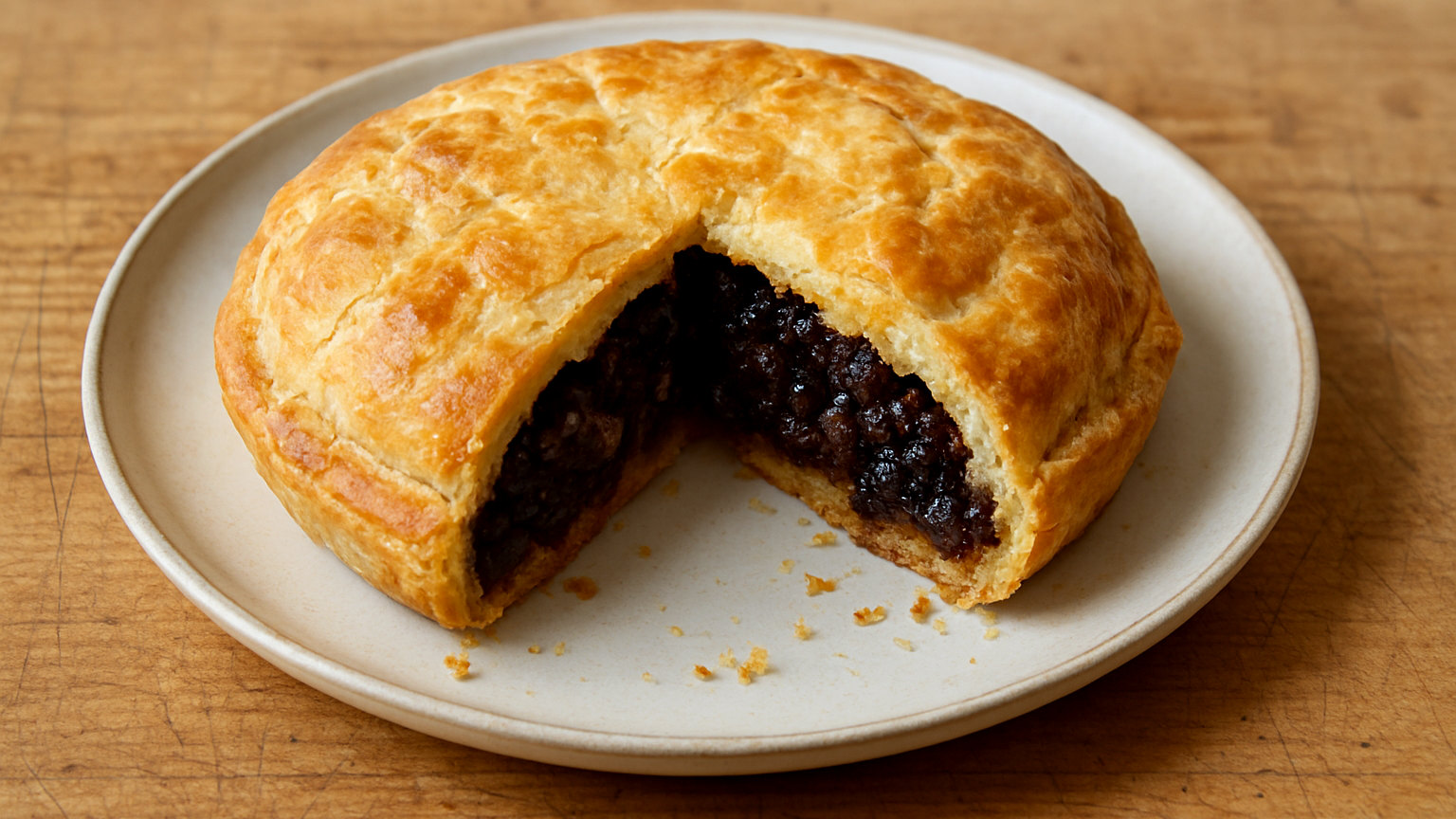
Flat oval pastries filled with spiced currants, from Oxfordshire. Sold from the same shop in Banbury for over three hundred years.
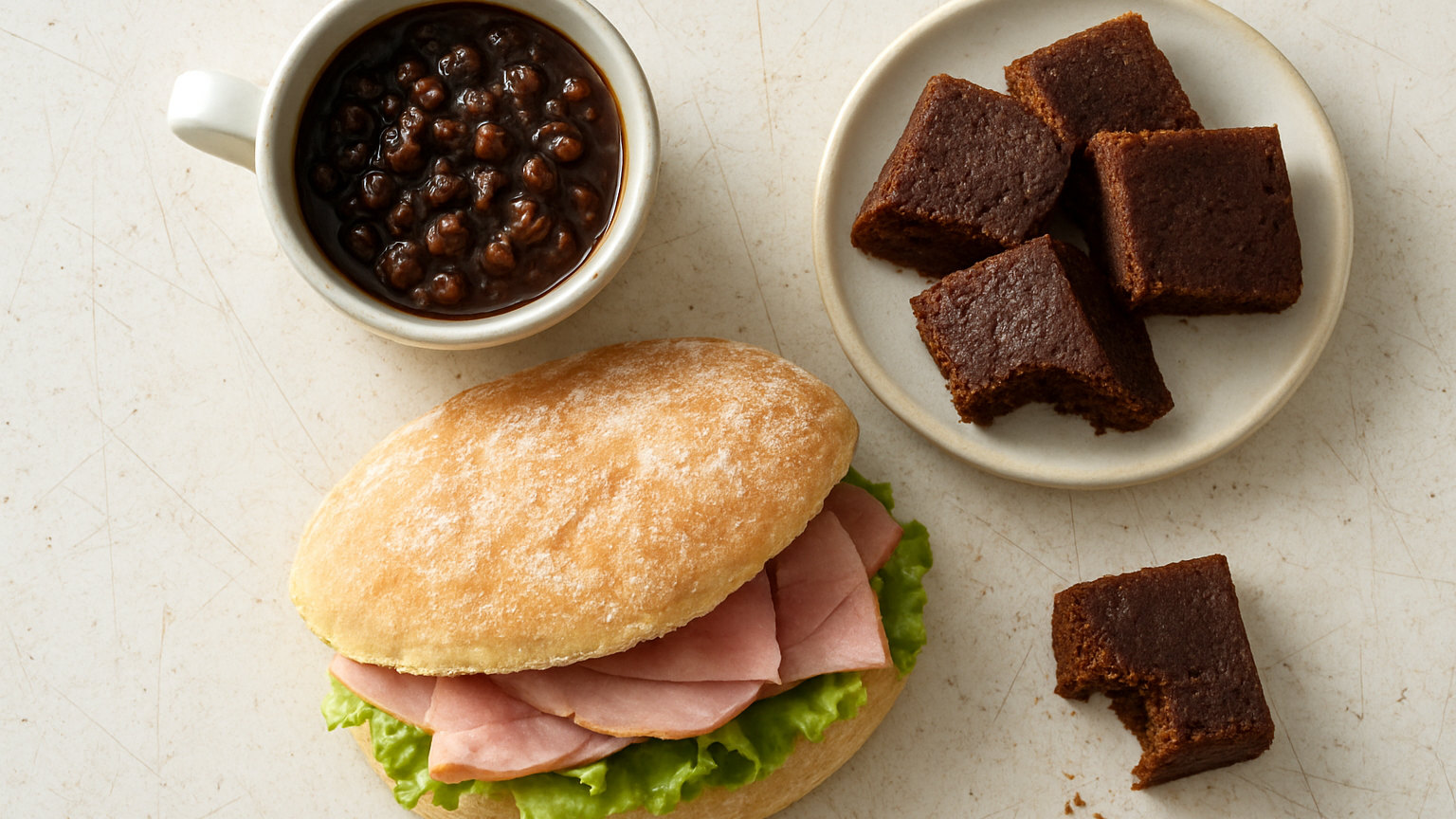
Two national store cupboard staples came out of one Staffordshire town, and both are by products of the brewing industry.
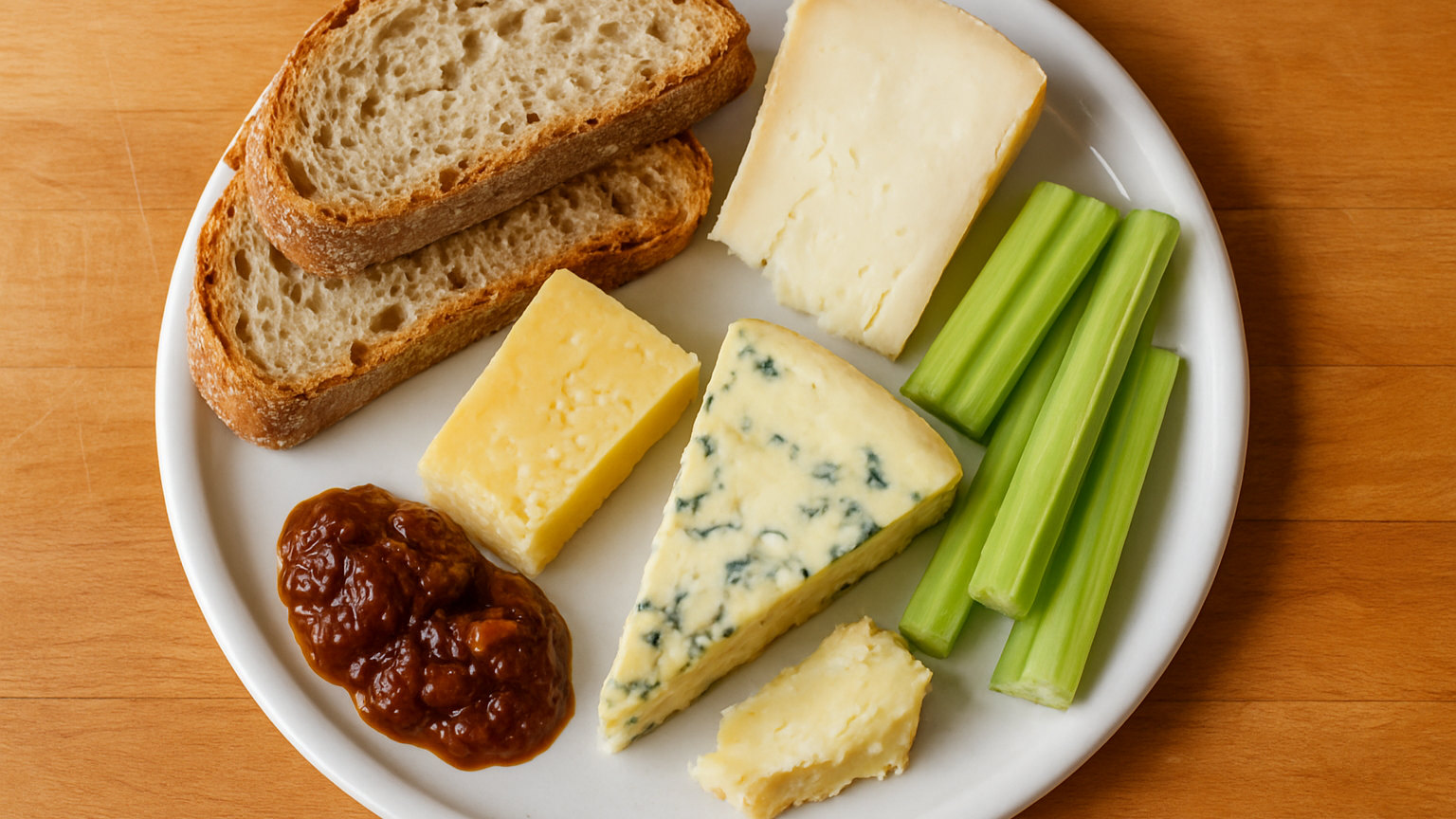
Beyond cheddar there are territorials, blues and soft cheeses with real regional character. Several hold protected status.
What you call a bread roll depends on where you are standing. A guide to the northern names and what they actually mean.
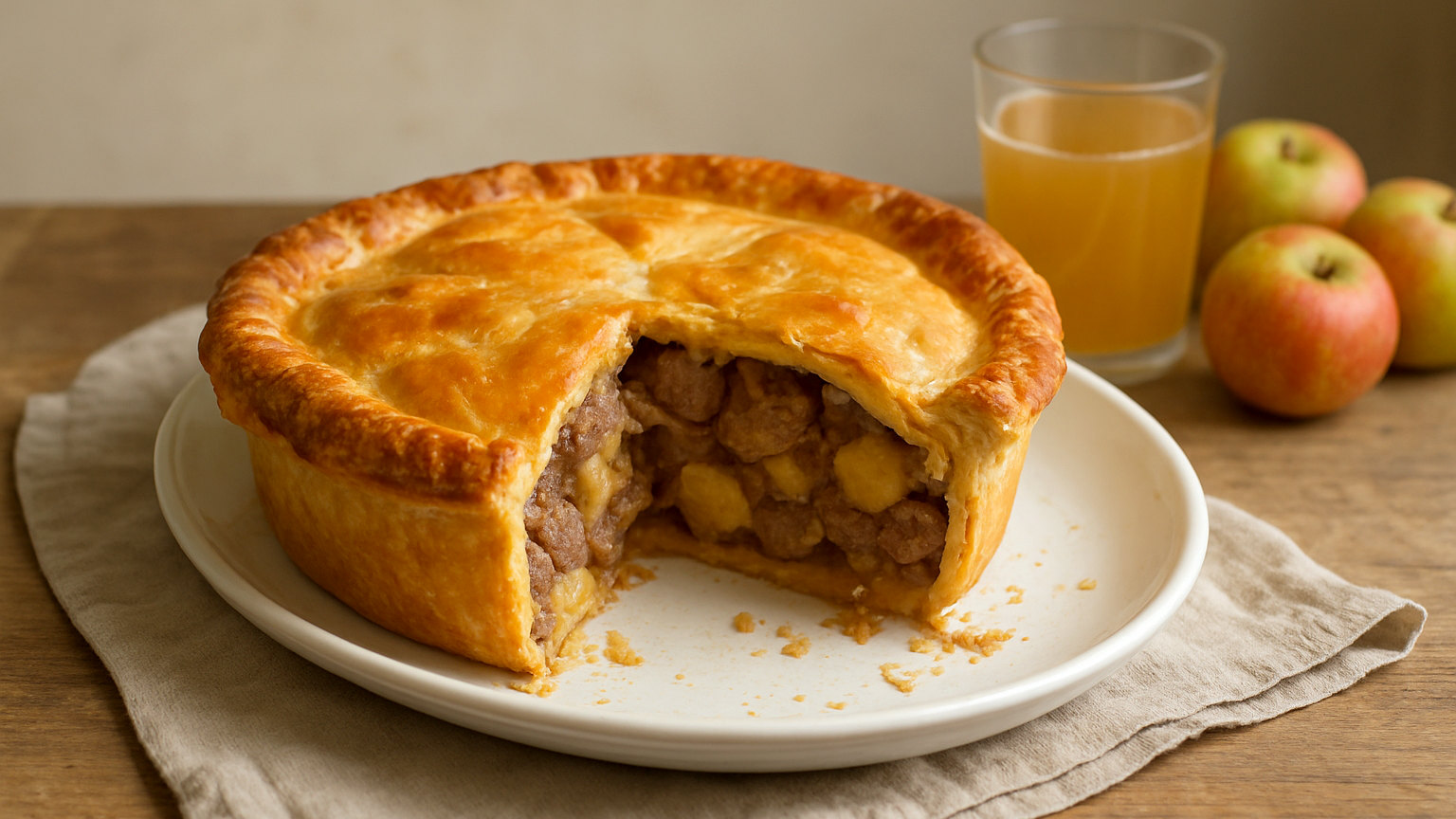
Lamb and apple under a pastry crust, with no pigeon in it despite the name. Sweet and savoury together in an old English style.
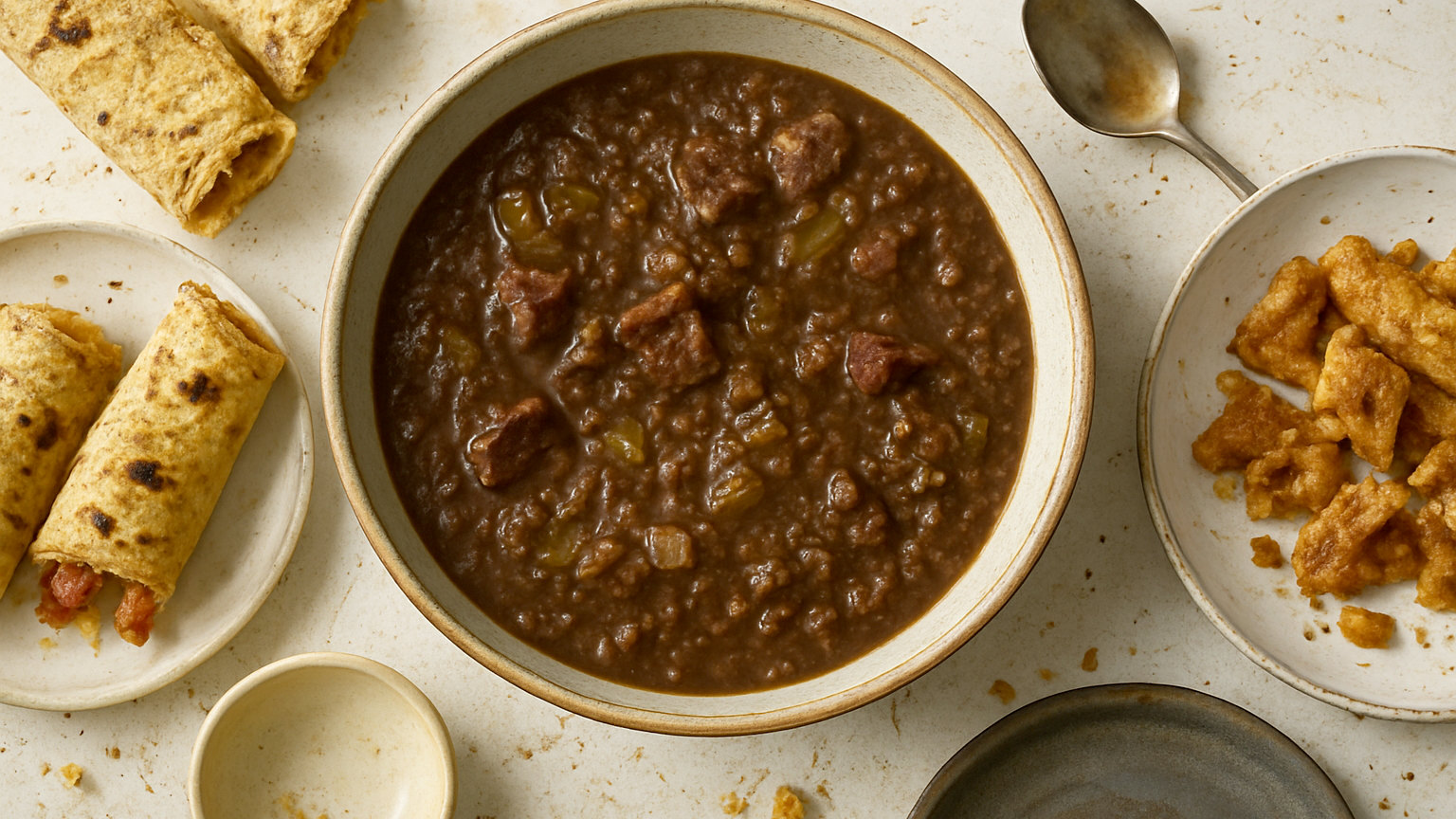
Groats, beef shin and leeks cooked overnight in a low oven until everything collapses. A Black Country dish for Bonfire Night.
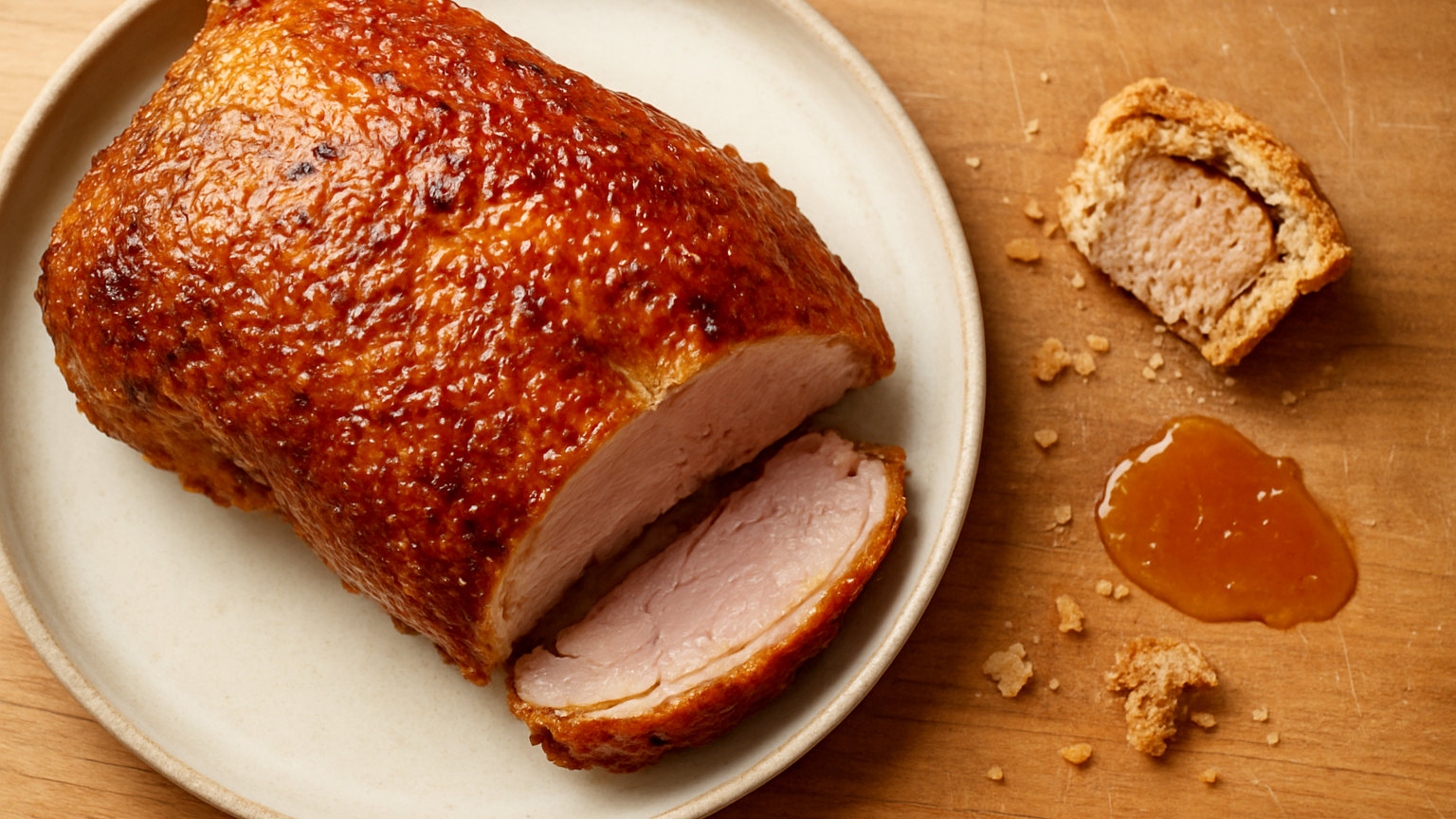
Duck holds a great deal of fat under the skin, so it needs pricking, drying and a long roast to render it out.
It needs cooking out or it tastes raw and harsh. A blend is usually a better choice than an expensive single malt.
Dates, ginger and rum in a pastry case, a legacy of Whitehaven and its trade with the Caribbean.