Boxty
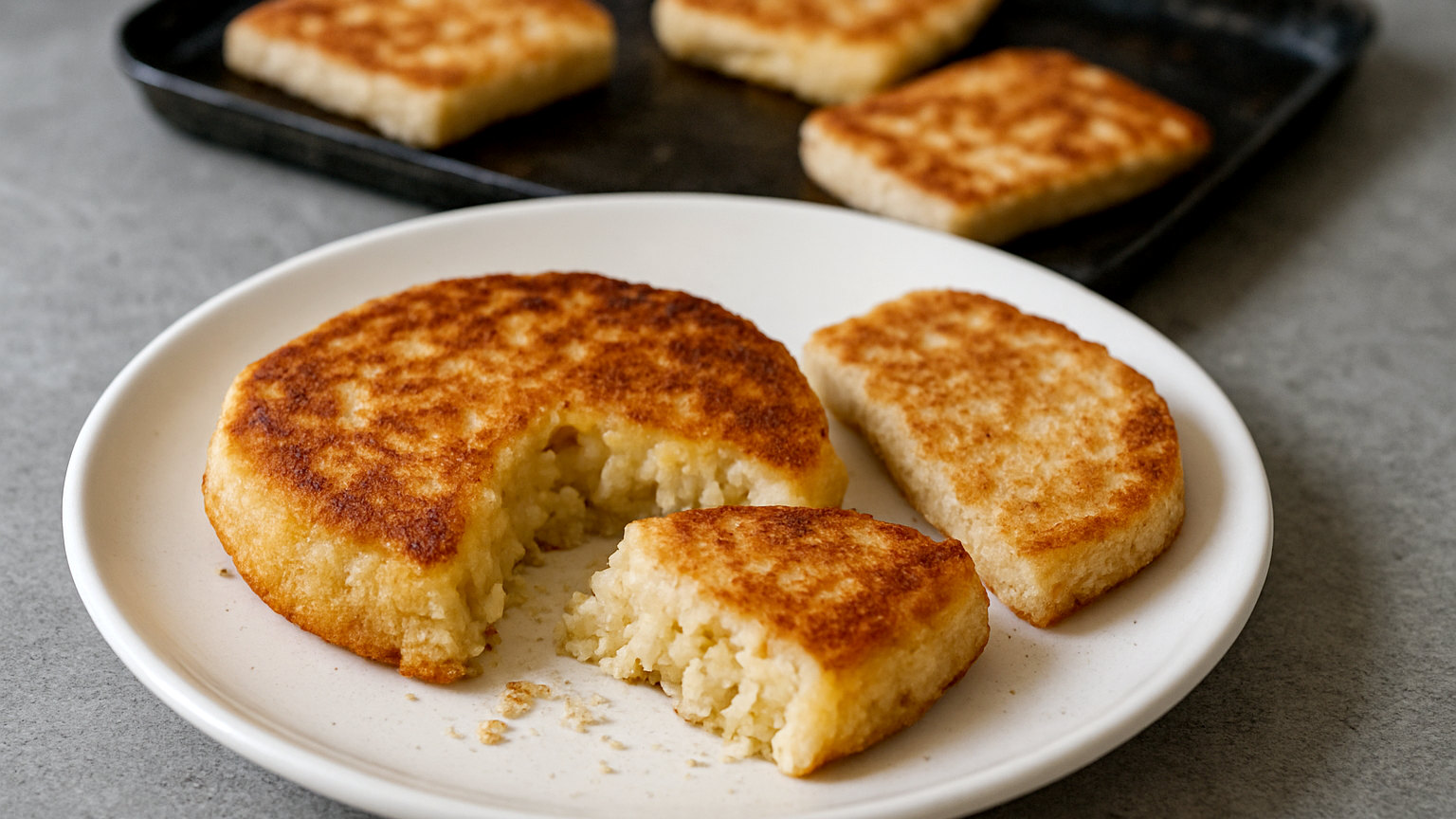
Half raw grated potato and half cooked mash, which gives a texture no other potato cake has. Squeeze the raw potato dry.
By UK Recipes
5 Aug 2026

A great deal of British cooking is local before it is national, and the arguments about it are half the point. These recipes cover the dishes that belong to somewhere in particular - what makes a pasty Cornish, what goes into a hotpot and in what order, what a proper Ulster fry has on it. Where there is genuine disagreement about a dish, we set out the versions rather than declaring a winner.
Half raw grated potato and half cooked mash, which gives a texture no other potato cake has. Squeeze the raw potato dry.
A cross between a rock cake and a scone, studded with fruit and decorated with almonds and cherries. Yorkshire through and through.
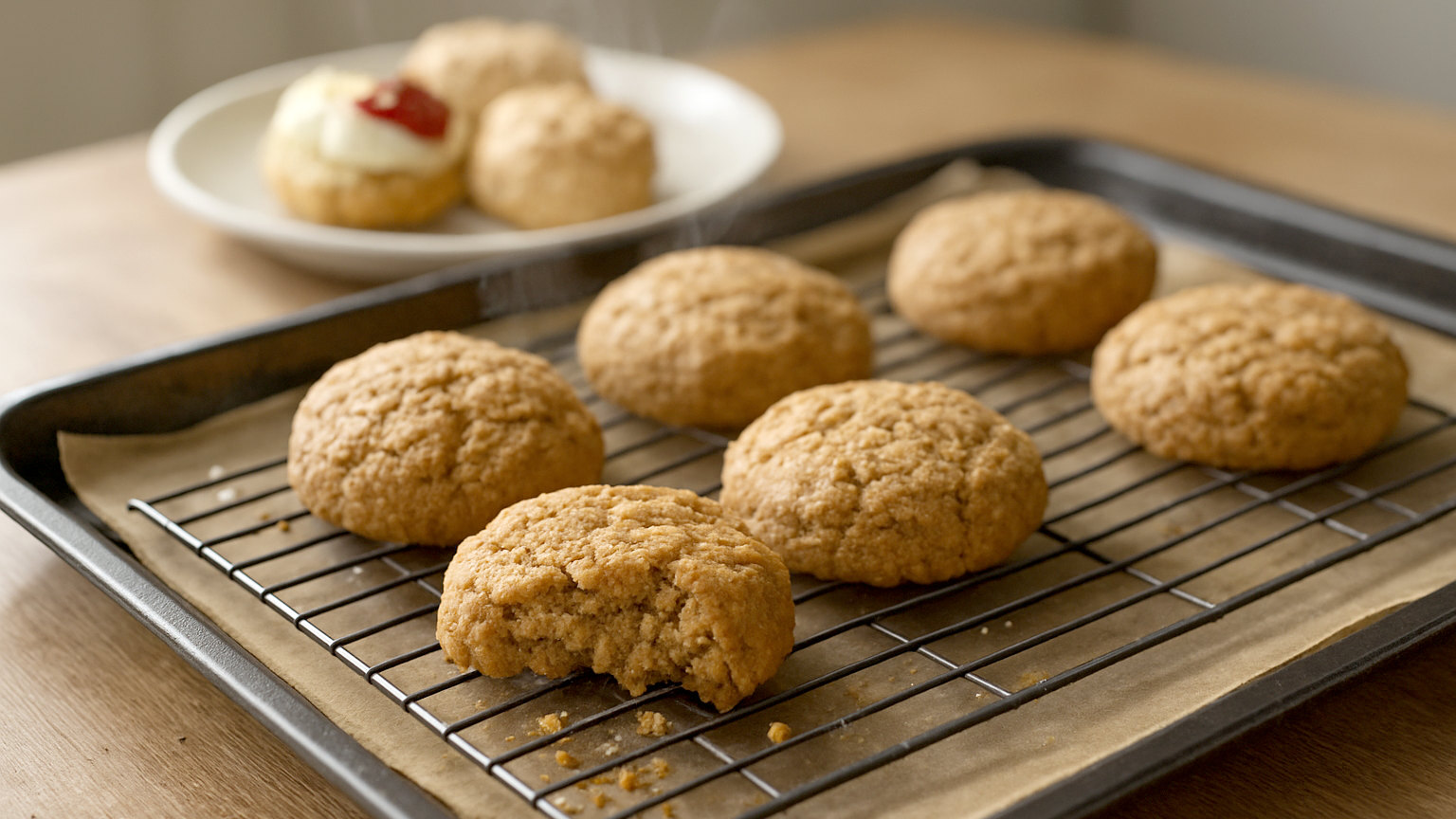
Crisp ginger biscuits that crack as they bake, sold at Cornish fairs. The trick is banging the tray partway through.
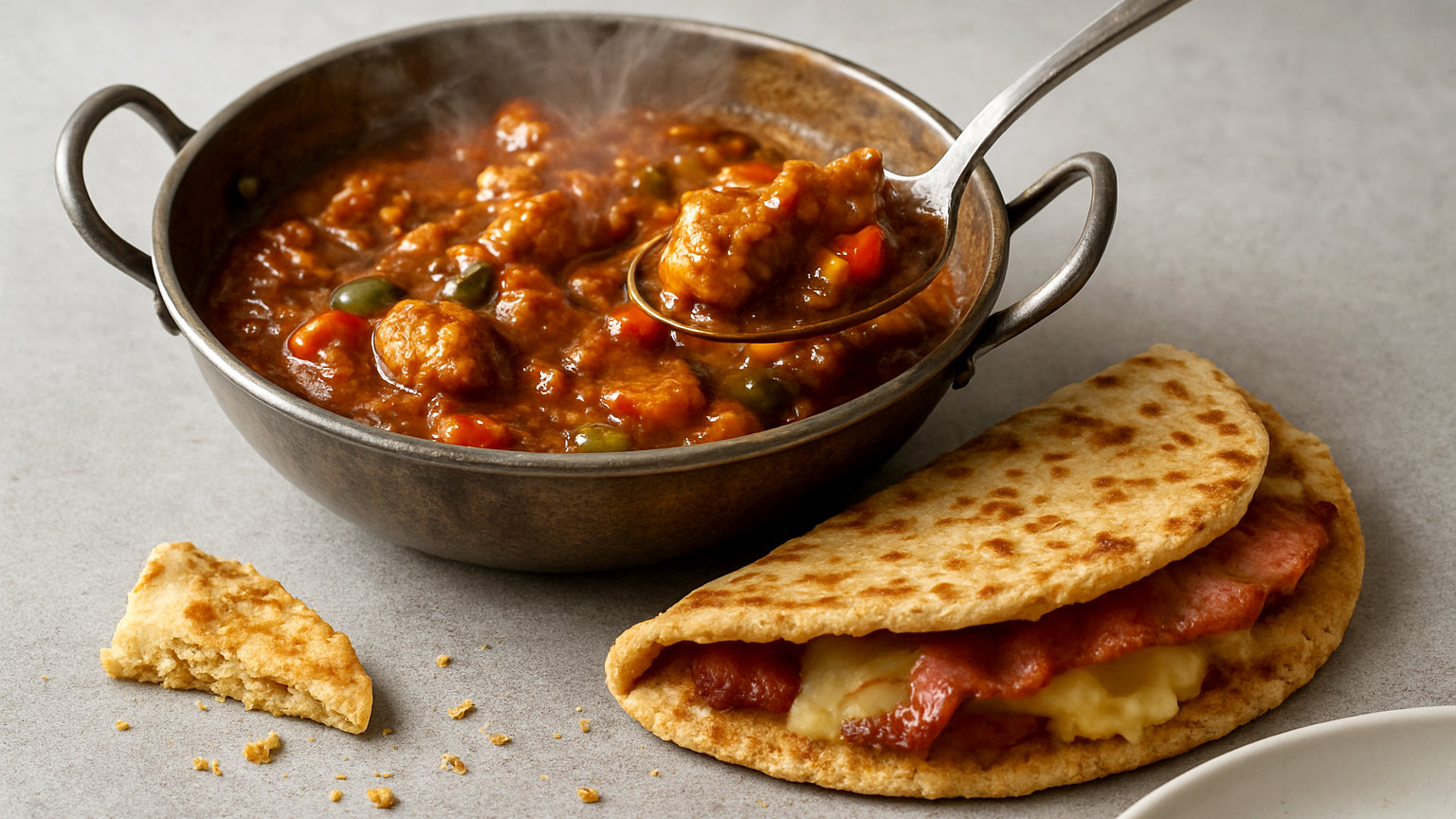
Invented in Birmingham in the 1970s, cooked fast in a thin steel bowl and eaten with naan rather than cutlery.
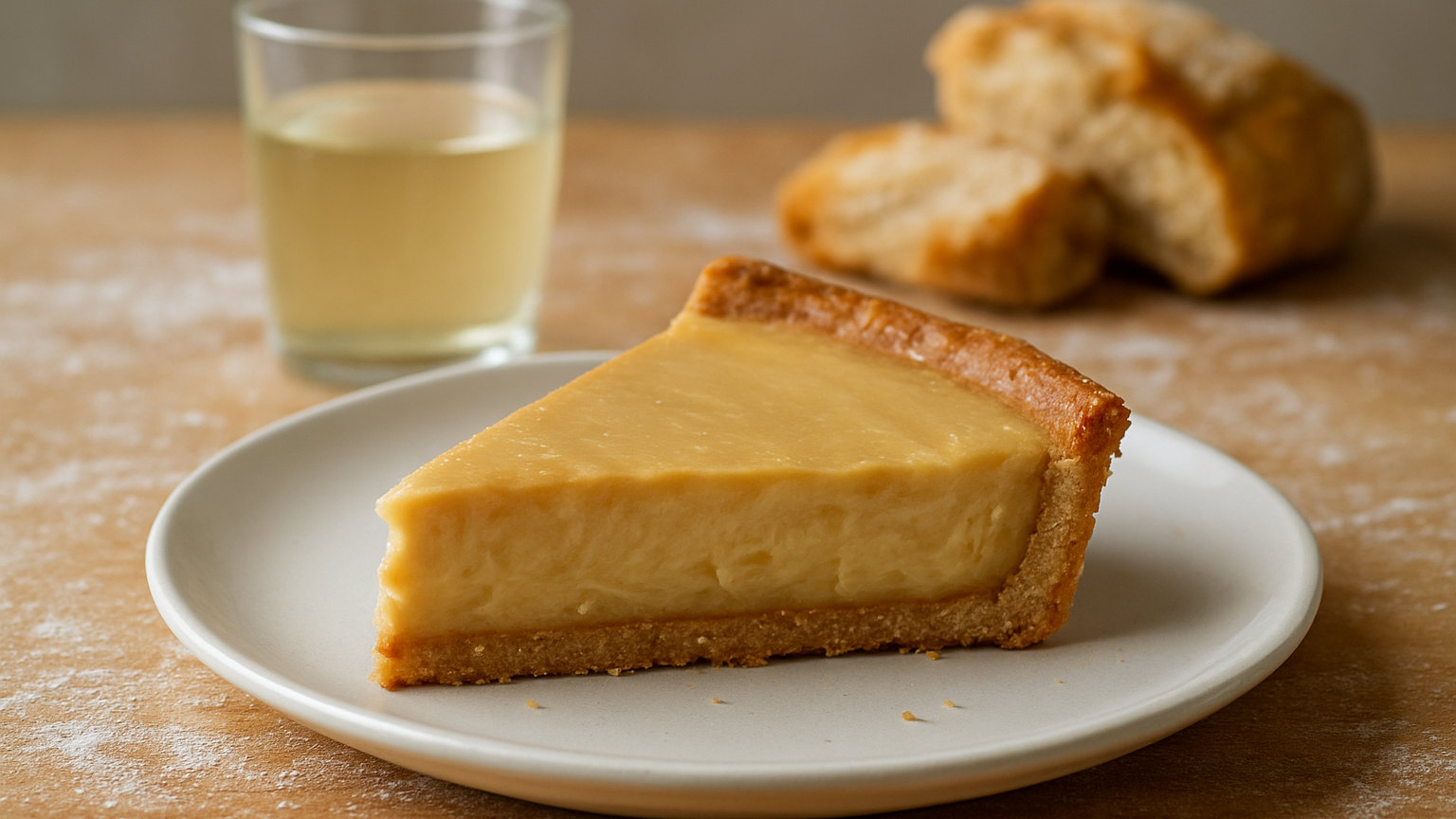
Evaporated milk and muscovado sugar whisked for ten minutes until pale and mousse like. A Kent school pudding with only two filling ingredients.
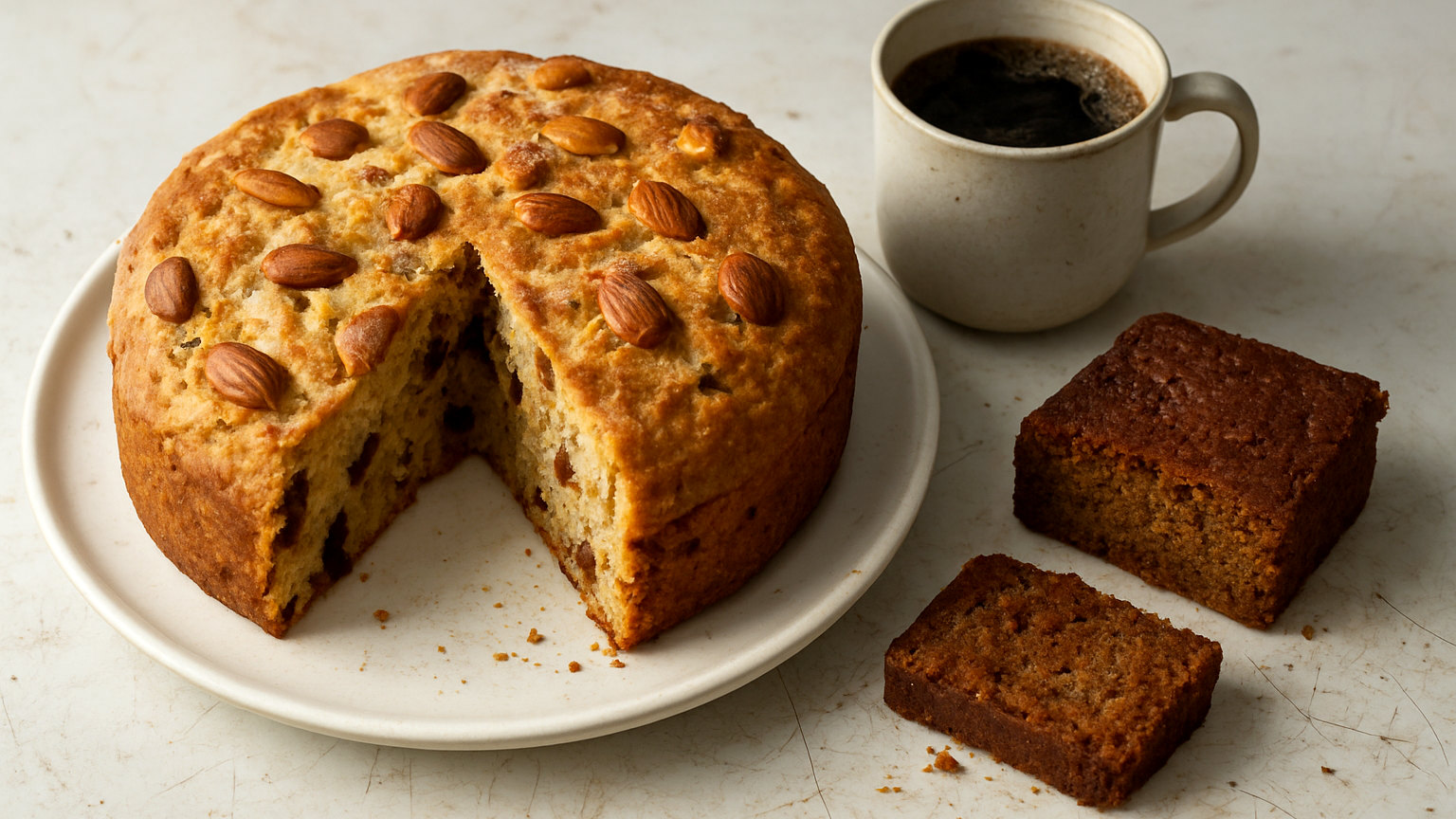
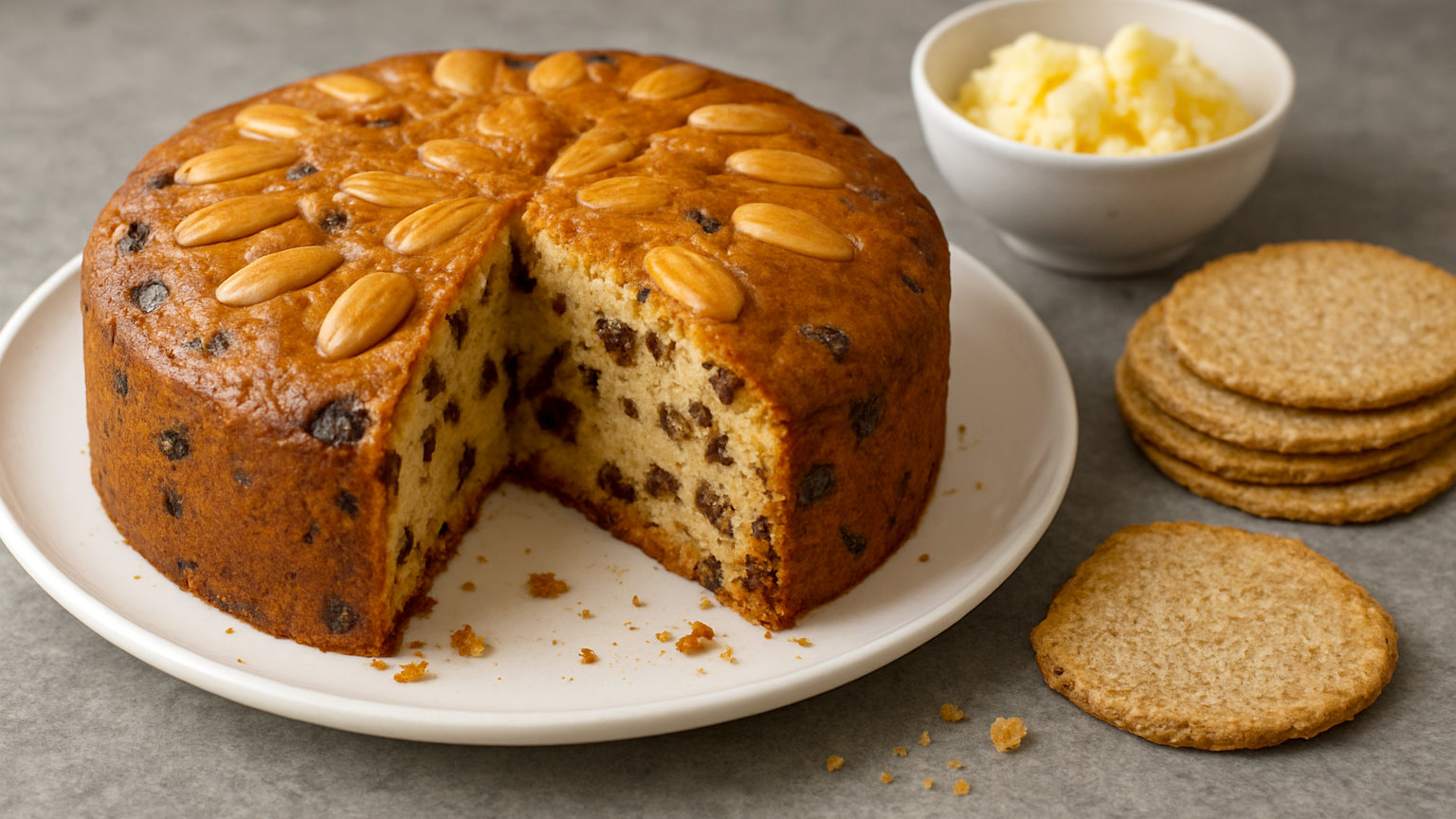
A light fruit cake with almonds arranged in rings on top and orange from the marmalade trade. Less dense than a Christmas cake.
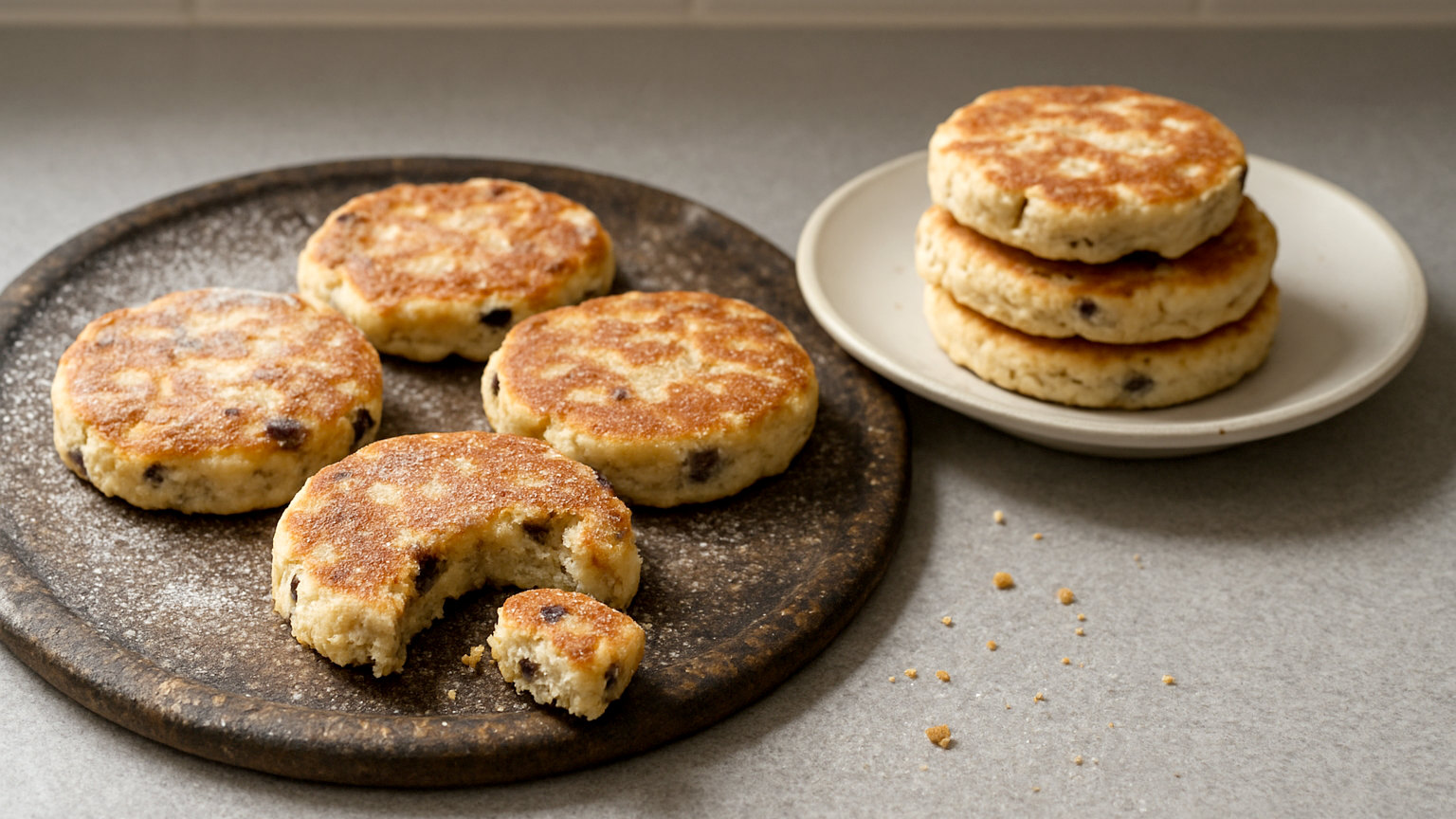
Cooked on a bakestone rather than baked, which is what makes them Welsh cakes rather than scones. About four minutes a side.
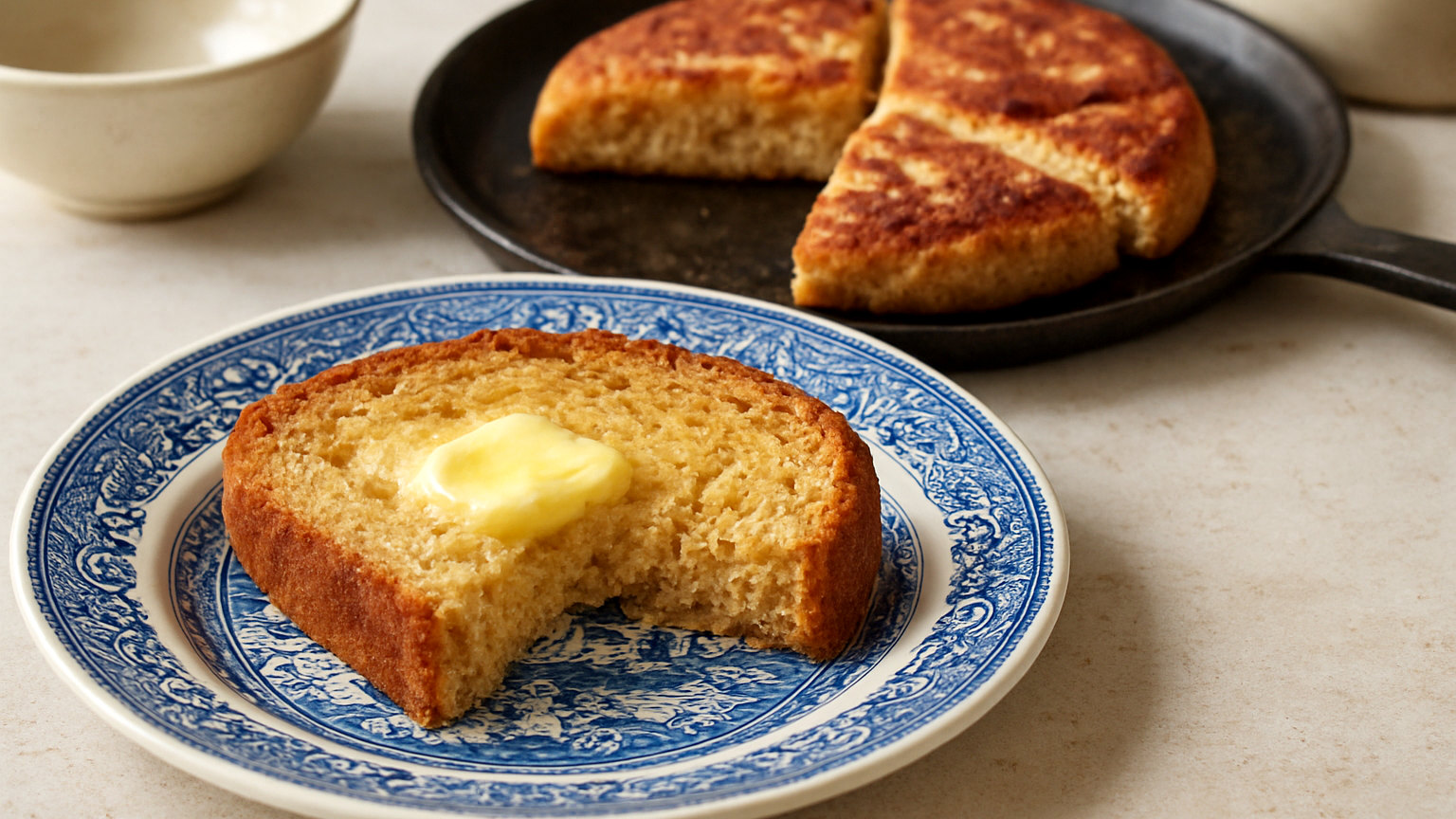
A wholemeal soda bread baked in a loaf tin, slightly sweetened. Northern Ireland eats it with everything from soup to smoked salmon.
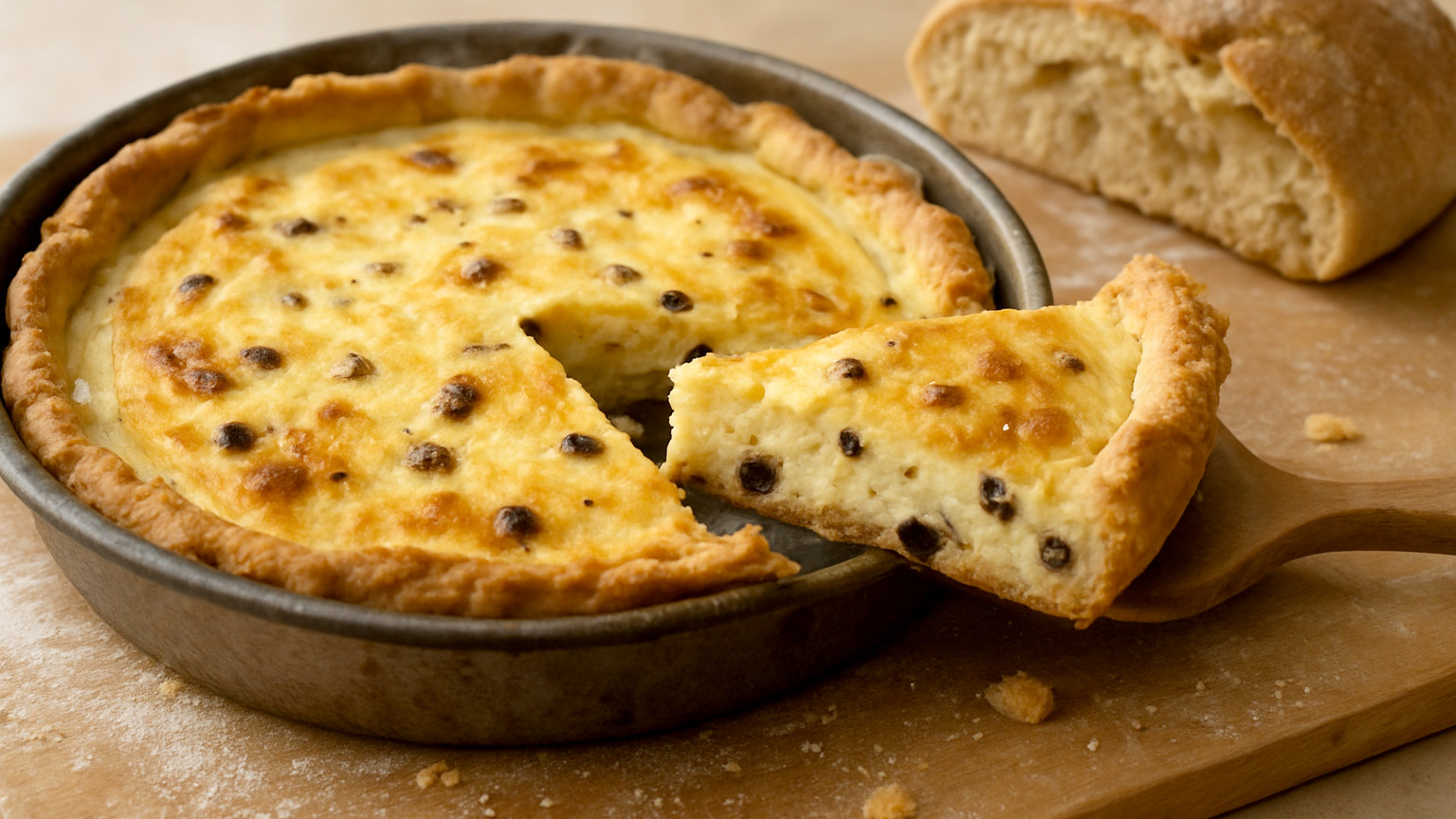
Curd cheese, currants and allspice in a pastry case. The allspice is what makes it Yorkshire rather than any other curd tart.
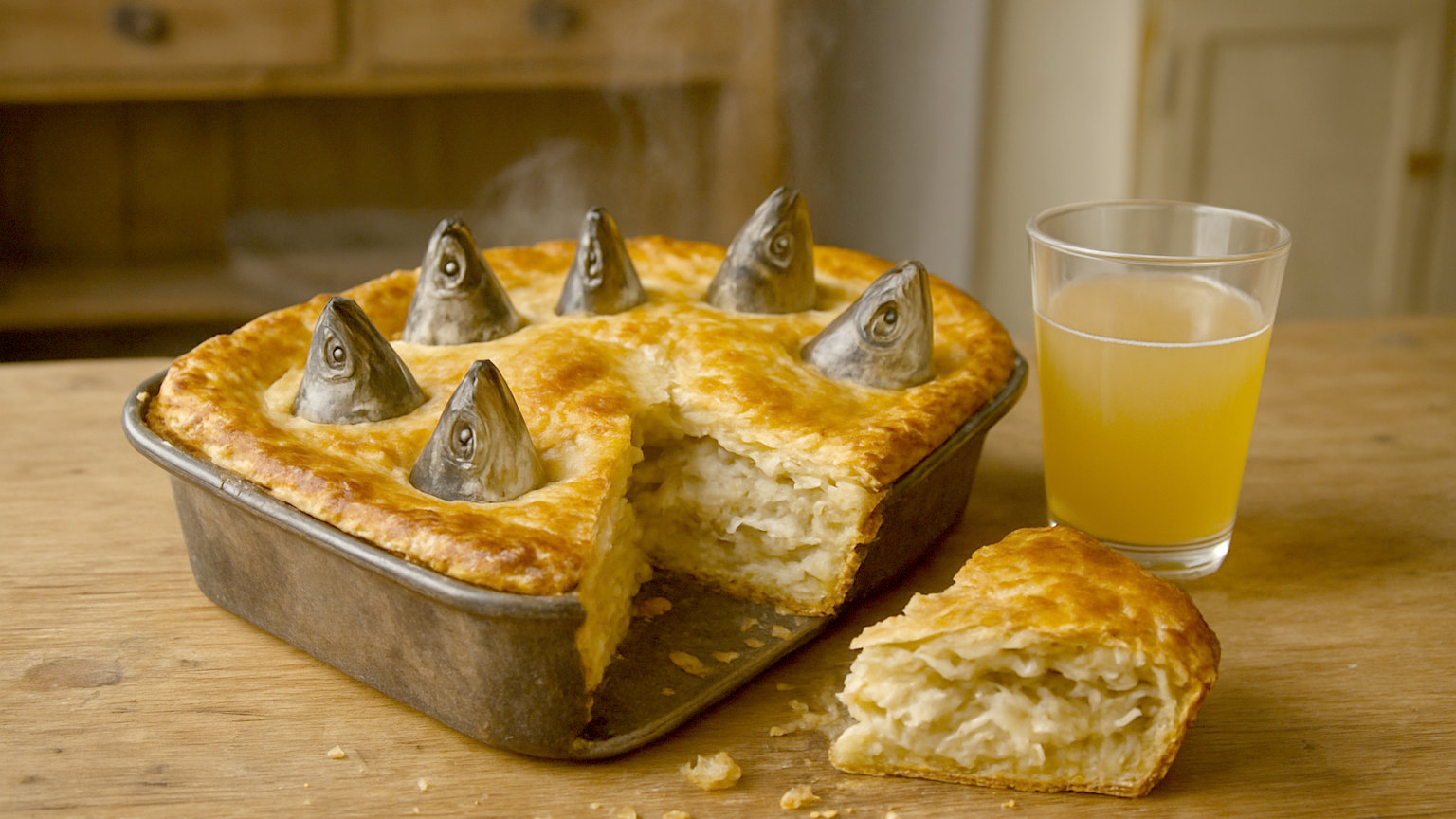
Pilchards baked with their heads poking through the pastry, looking at the sky. There is a practical reason for it.
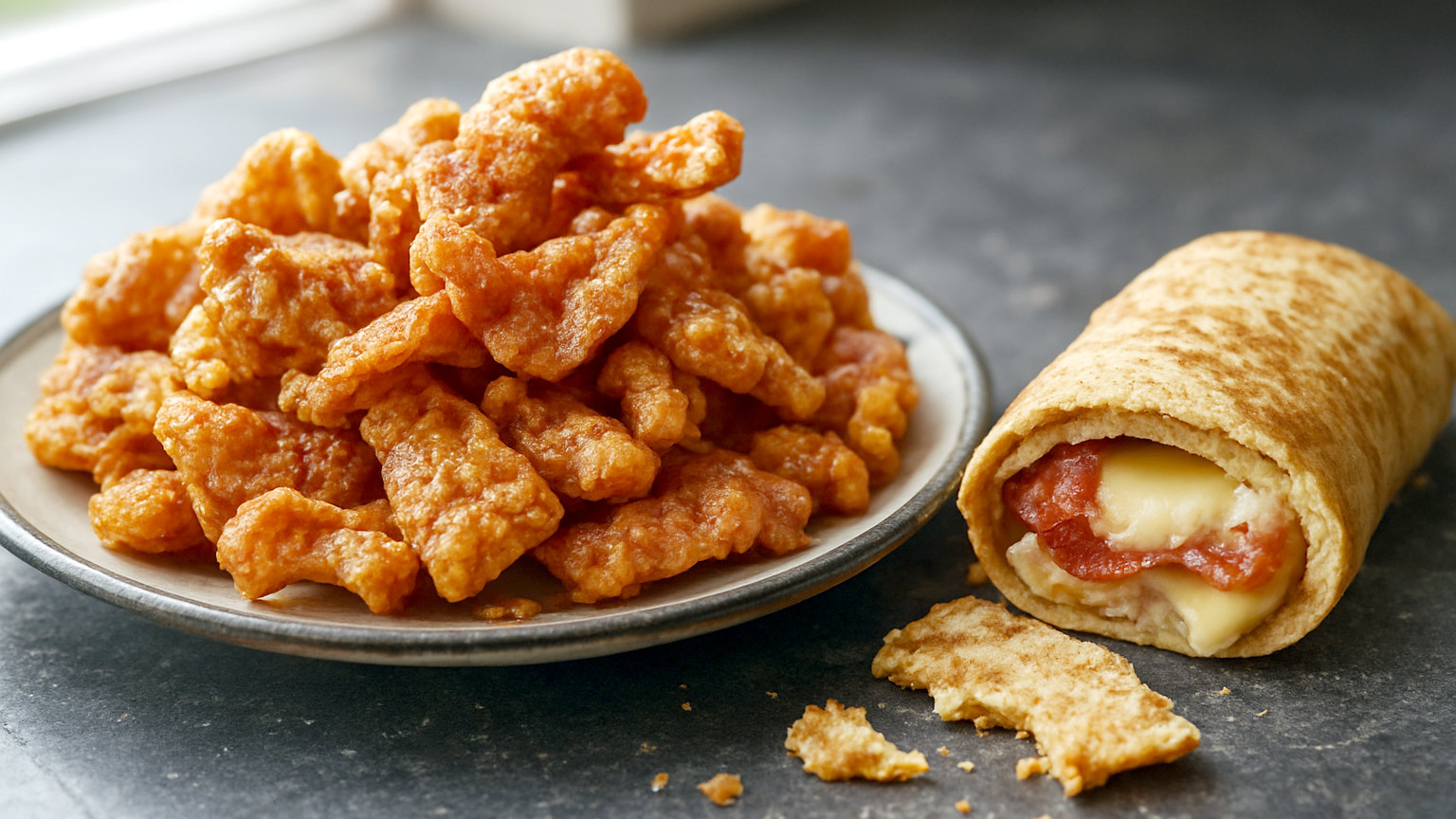
Pork rind rendered slowly and then blasted hot so it puffs. Black Country pubs made them a staple and they are easy at home.
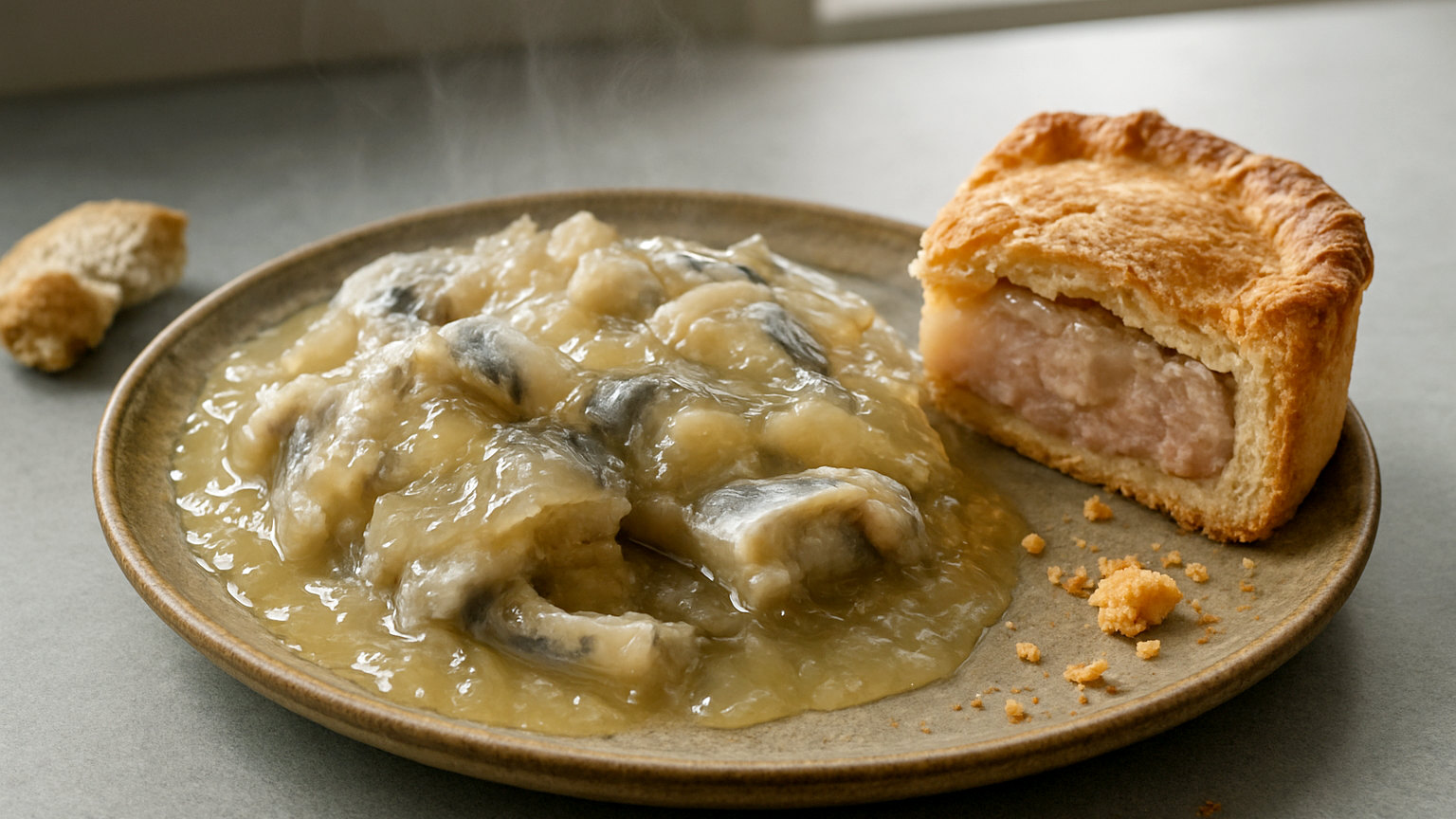
Once the cheapest protein in London and now a curiosity. The jelly sets naturally from the eel itself, without any gelatine added.