Baking on a Bakestone
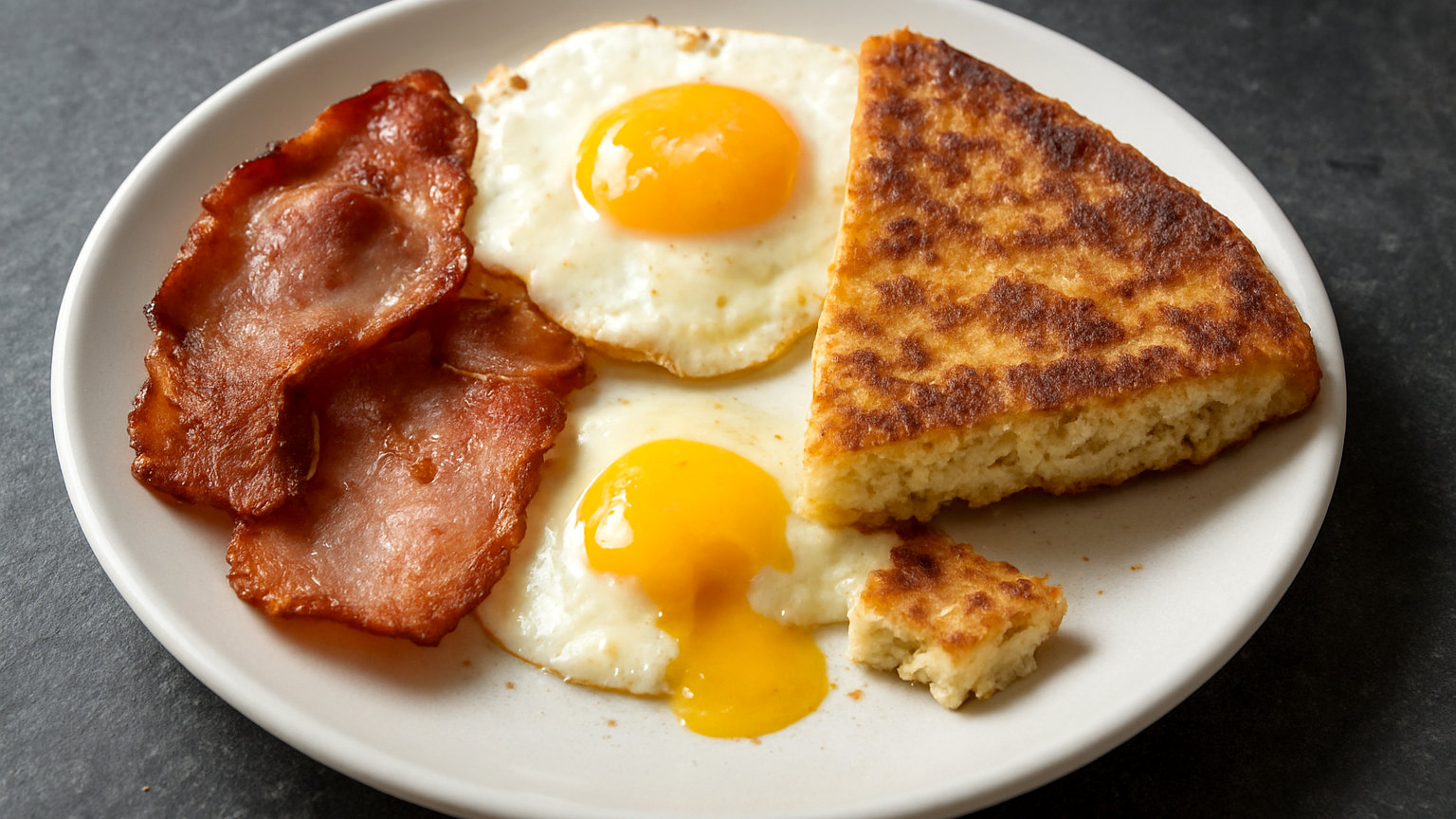
Much of Welsh baking developed without ovens, on a flat iron plate over the fire. That explains the whole tradition.
By UK Recipes
10 Aug 2026

A great deal of British cooking is local before it is national, and the arguments about it are half the point. These recipes cover the dishes that belong to somewhere in particular - what makes a pasty Cornish, what goes into a hotpot and in what order, what a proper Ulster fry has on it. Where there is genuine disagreement about a dish, we set out the versions rather than declaring a winner.
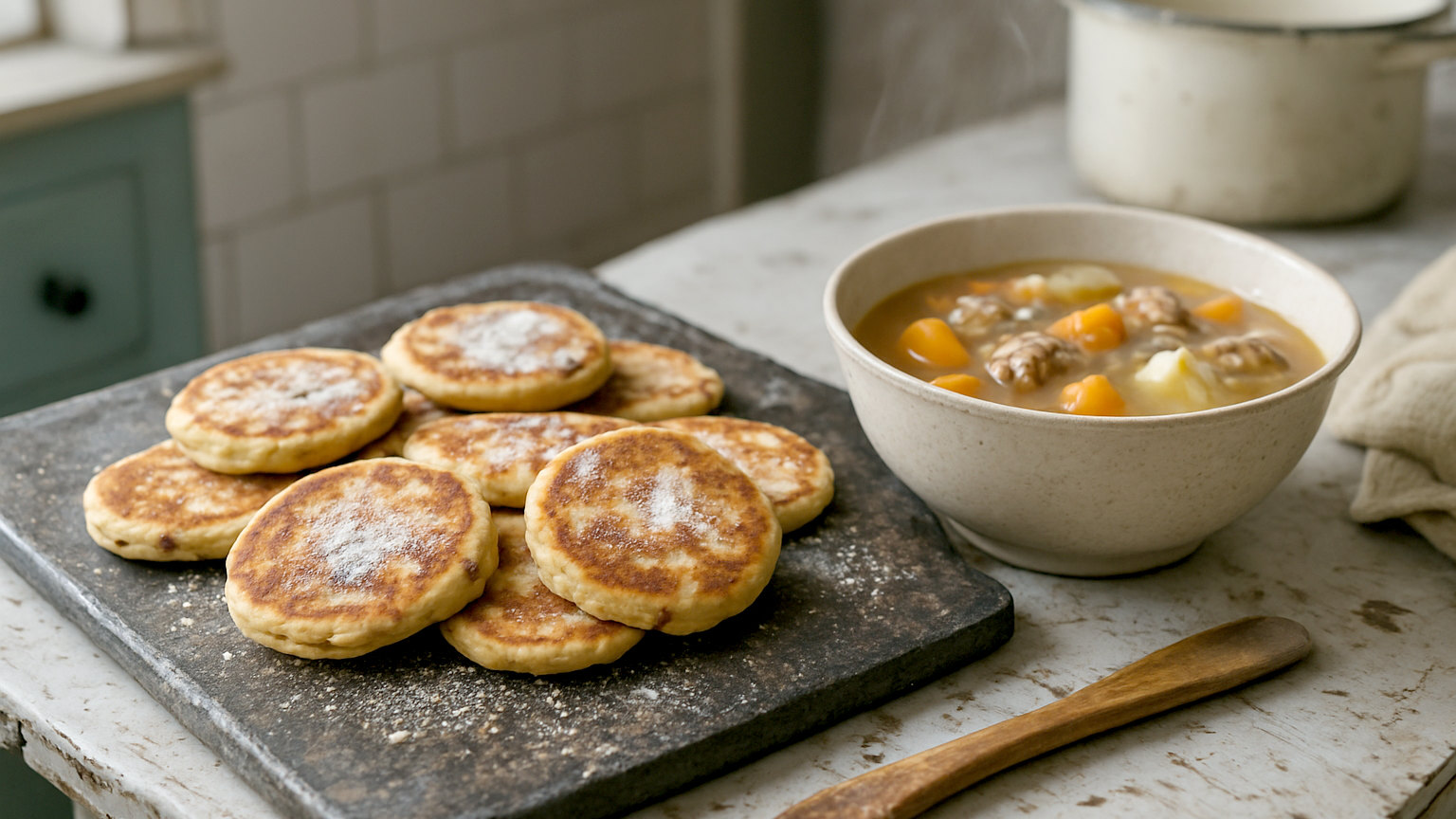
Much of Welsh baking developed without ovens, on a flat iron plate over the fire. That explains the whole tradition.
Comber Earlies hold protected status. Beyond potatoes there is Lough Neagh eel, Dromona butter and a serious modern food scene.
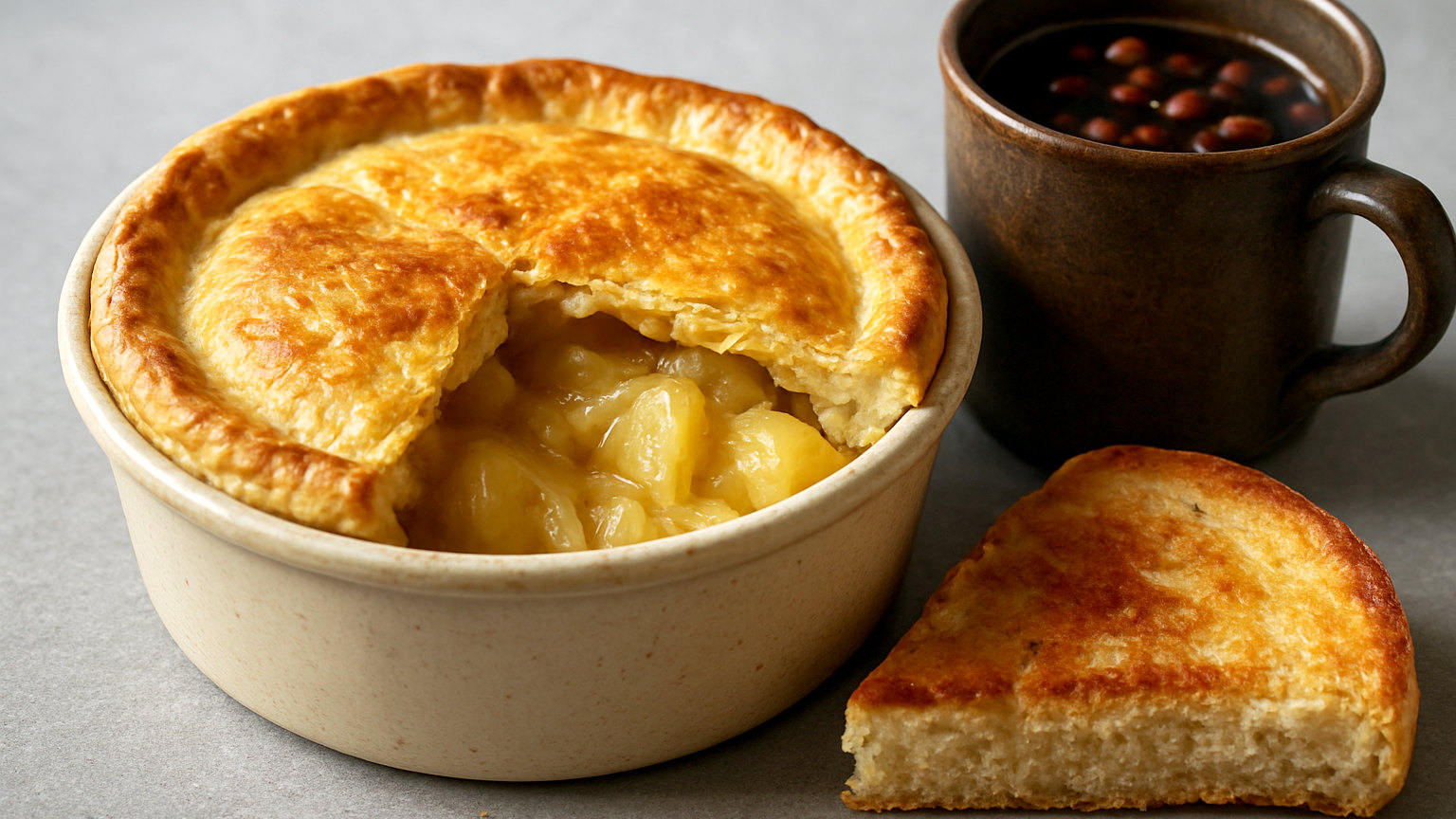
Potato, onion and a great deal of butter in a pastry case. Made for Catholic households who ate no meat on Fridays.
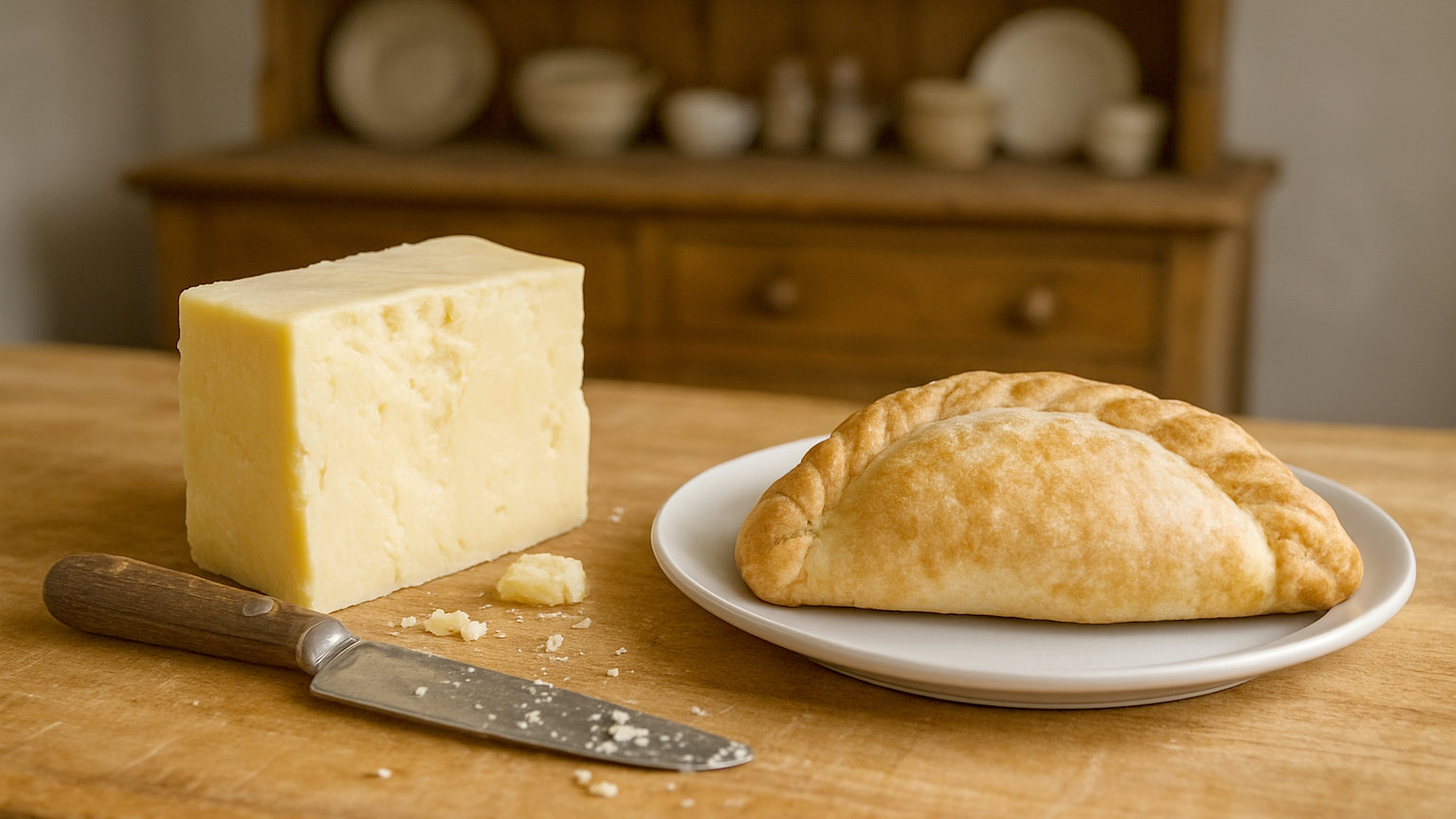
Cheddaring is a process, not a place. It is why the cheese has its texture, and why the name could never be protected.
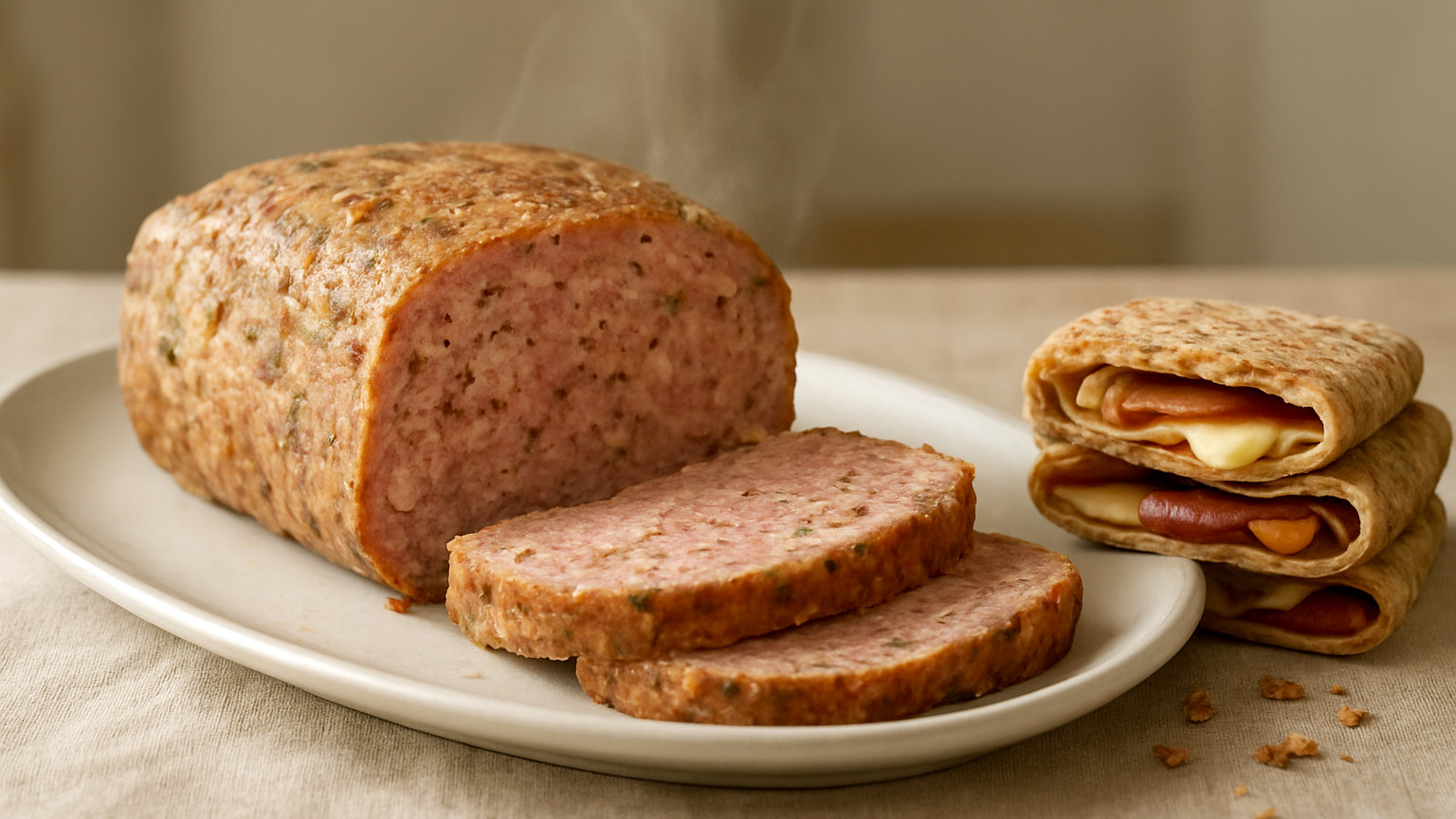
A Lincolnshire pork loaf of minced pork, bread and sage, baked and eaten cold in sandwiches with pickle.
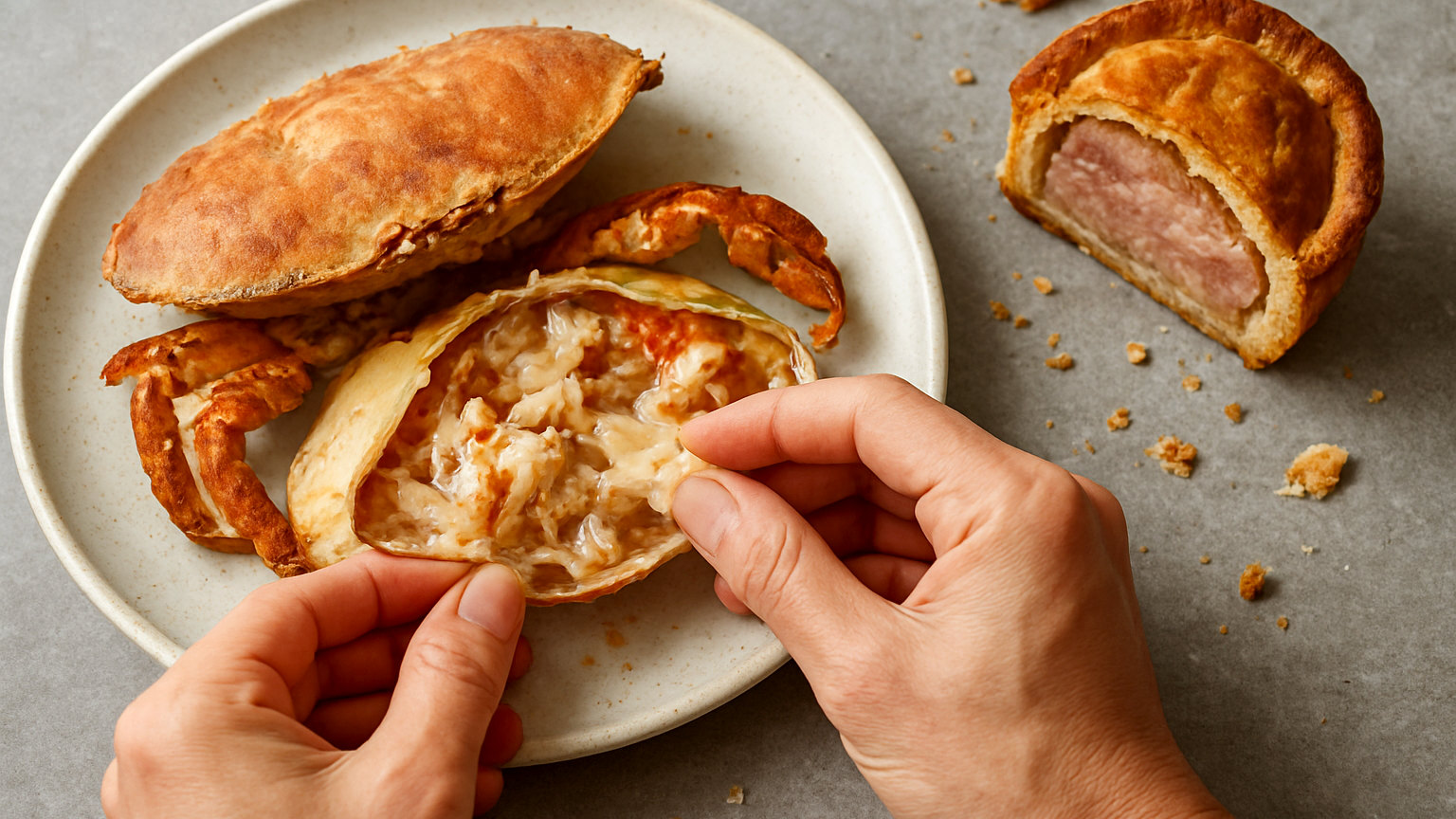
Small, sweet Norfolk crabs with an unusually high proportion of meat. Dressing one takes about twenty minutes and needs no special equipment.
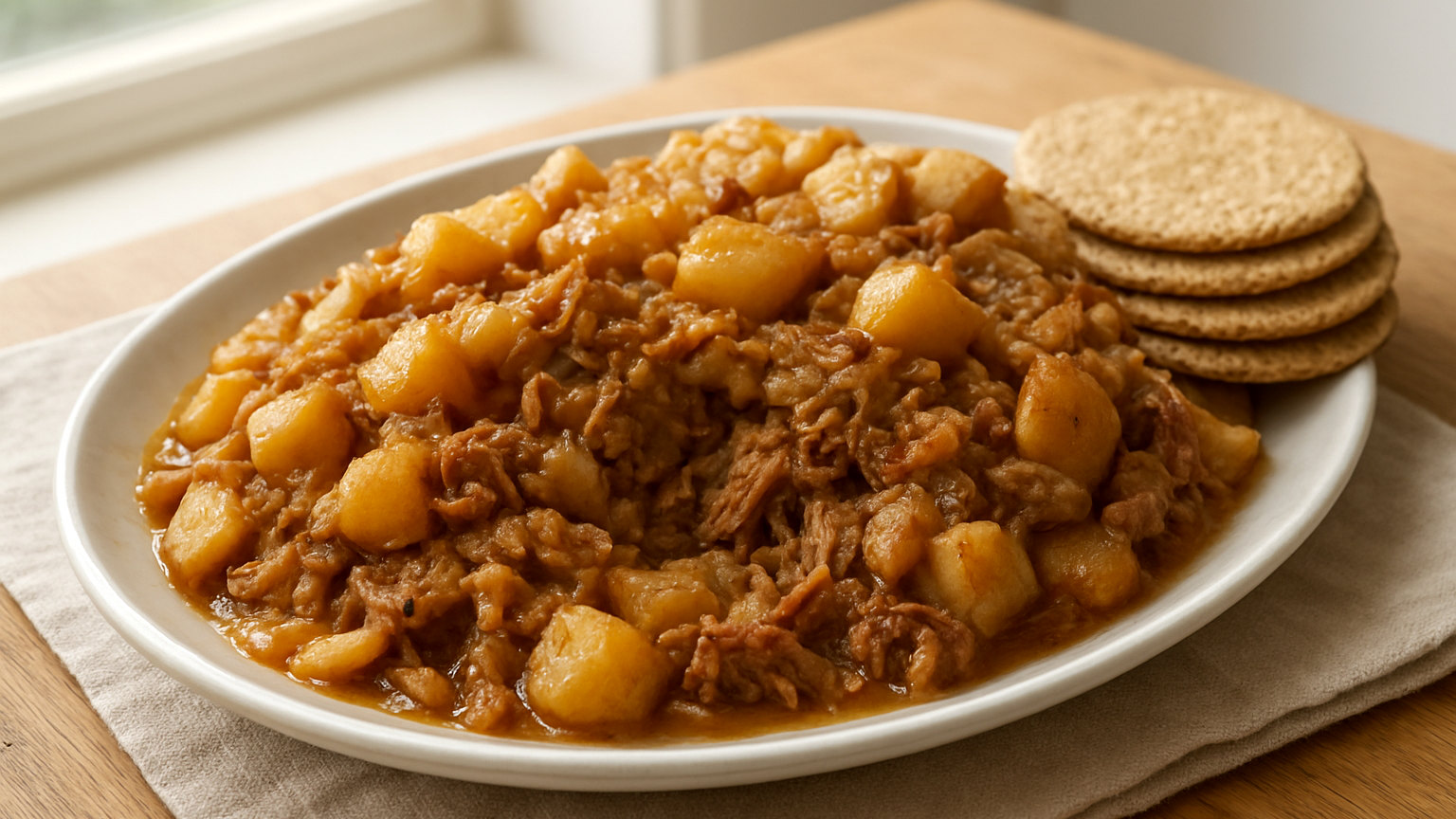
Potatoes stewed slowly with onions and leftover roast meat until they collapse into each other. Every family makes them differently.
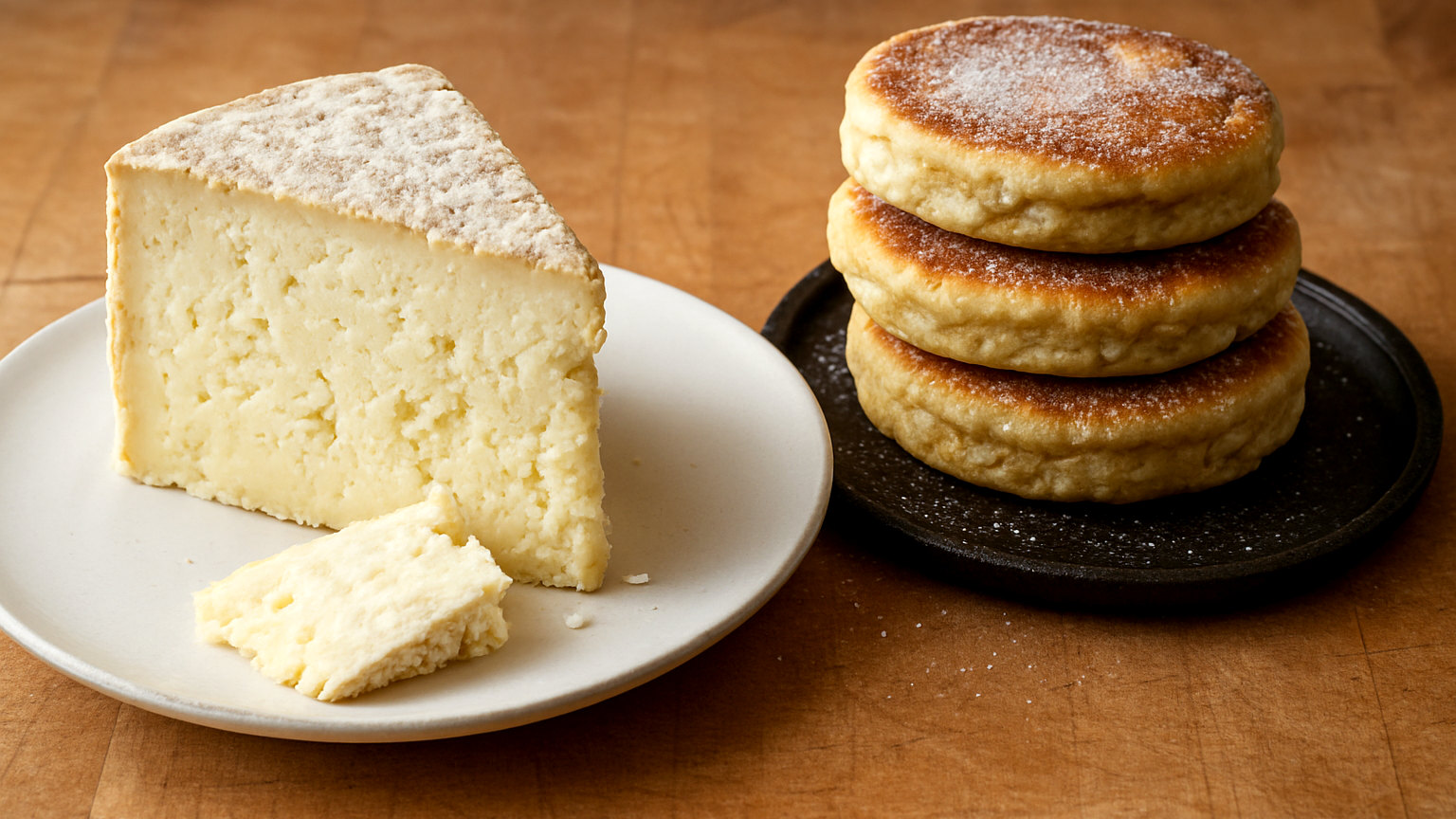
Caerphilly was made for miners to eat underground. The salted rind replaced the salt they lost working.
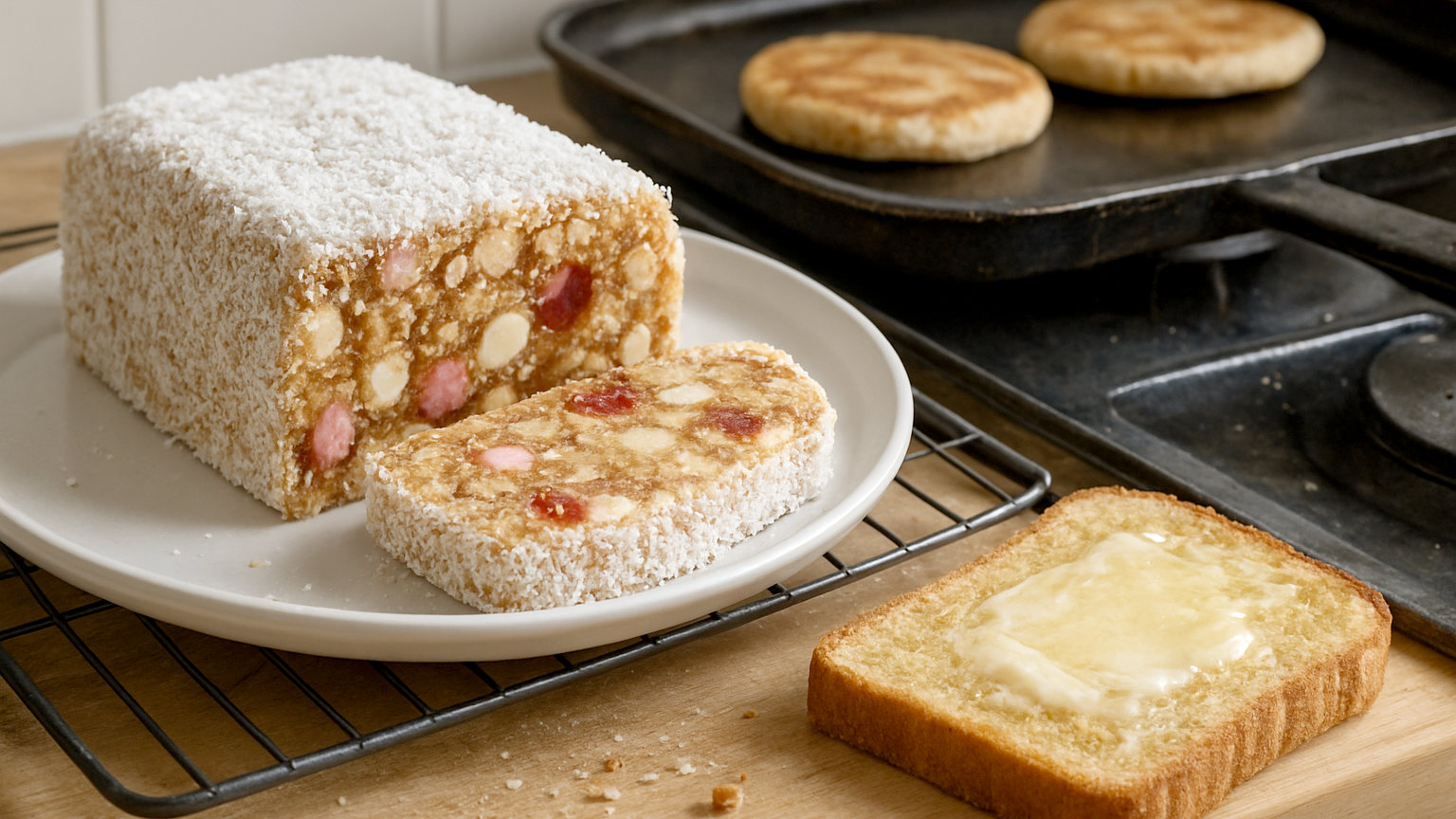
Fifteen digestives, fifteen marshmallows, fifteen cherries and condensed milk, rolled in coconut. No baking at all.
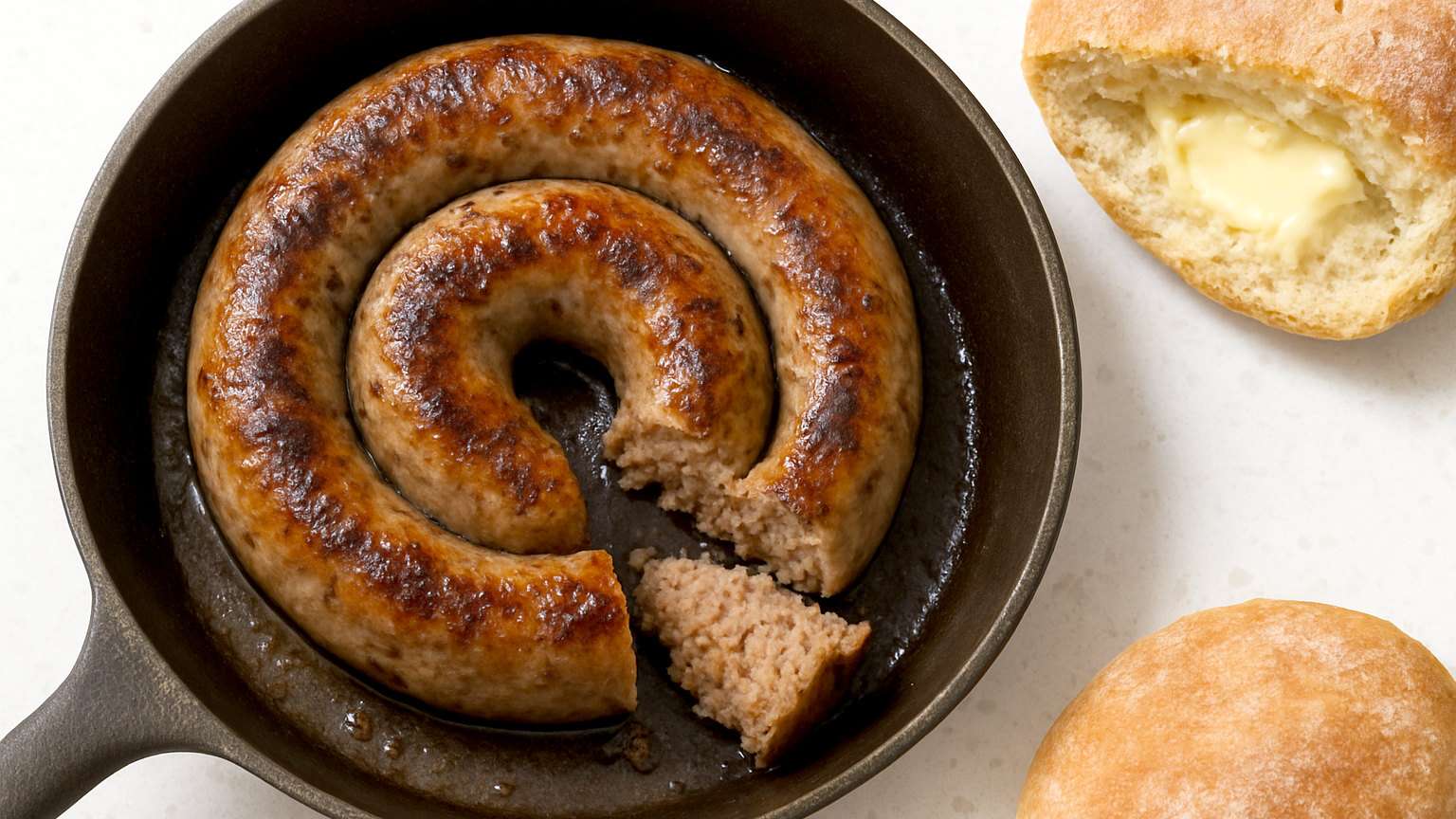
Sold in a coil rather than links, coarsely chopped rather than minced, and heavily peppered. Traditional Cumberland Sausage holds protected status.
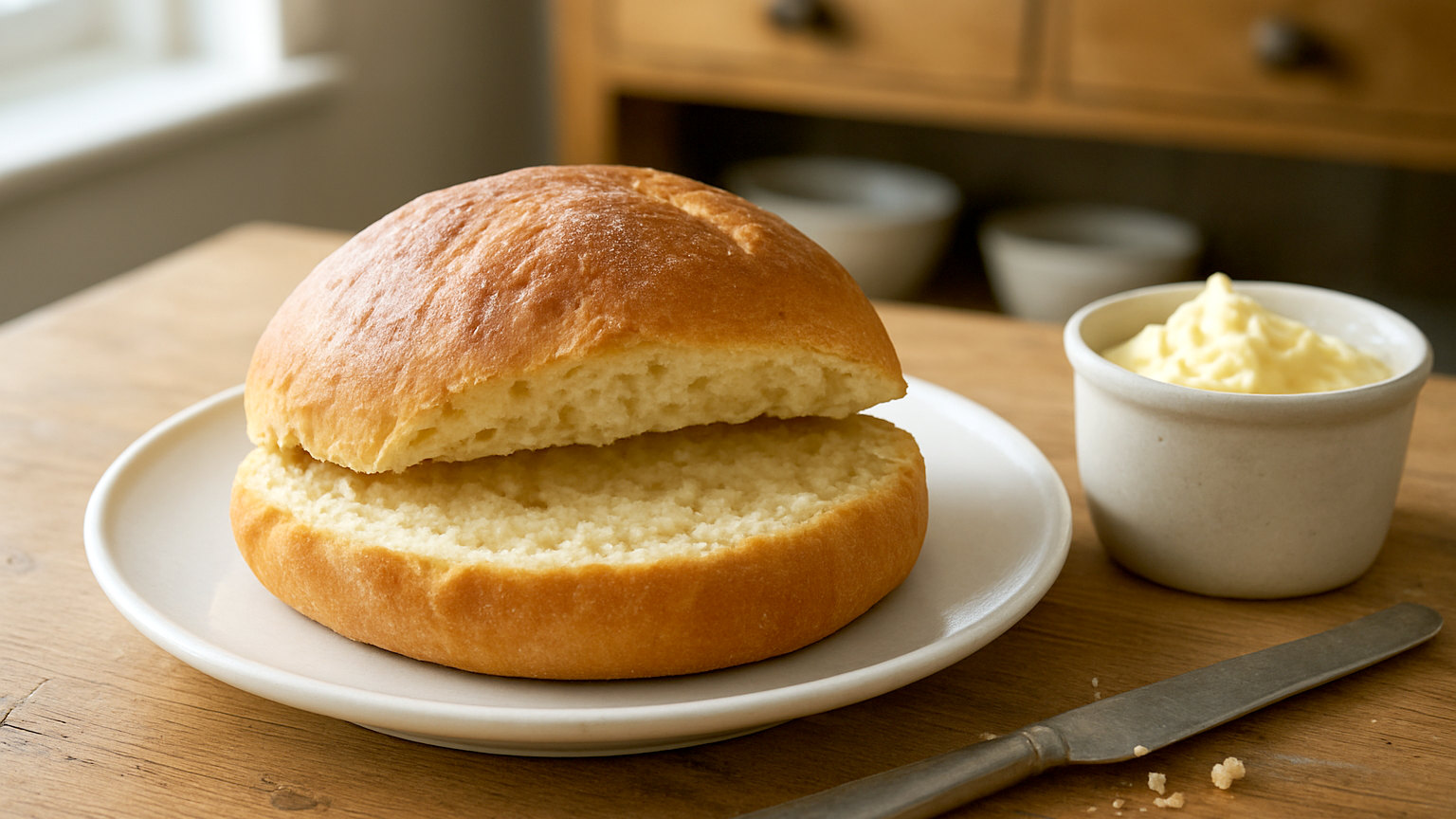
A large, light, barely sweet bun from Bath, closer to brioche than to anything else British. Served in horizontal slices.
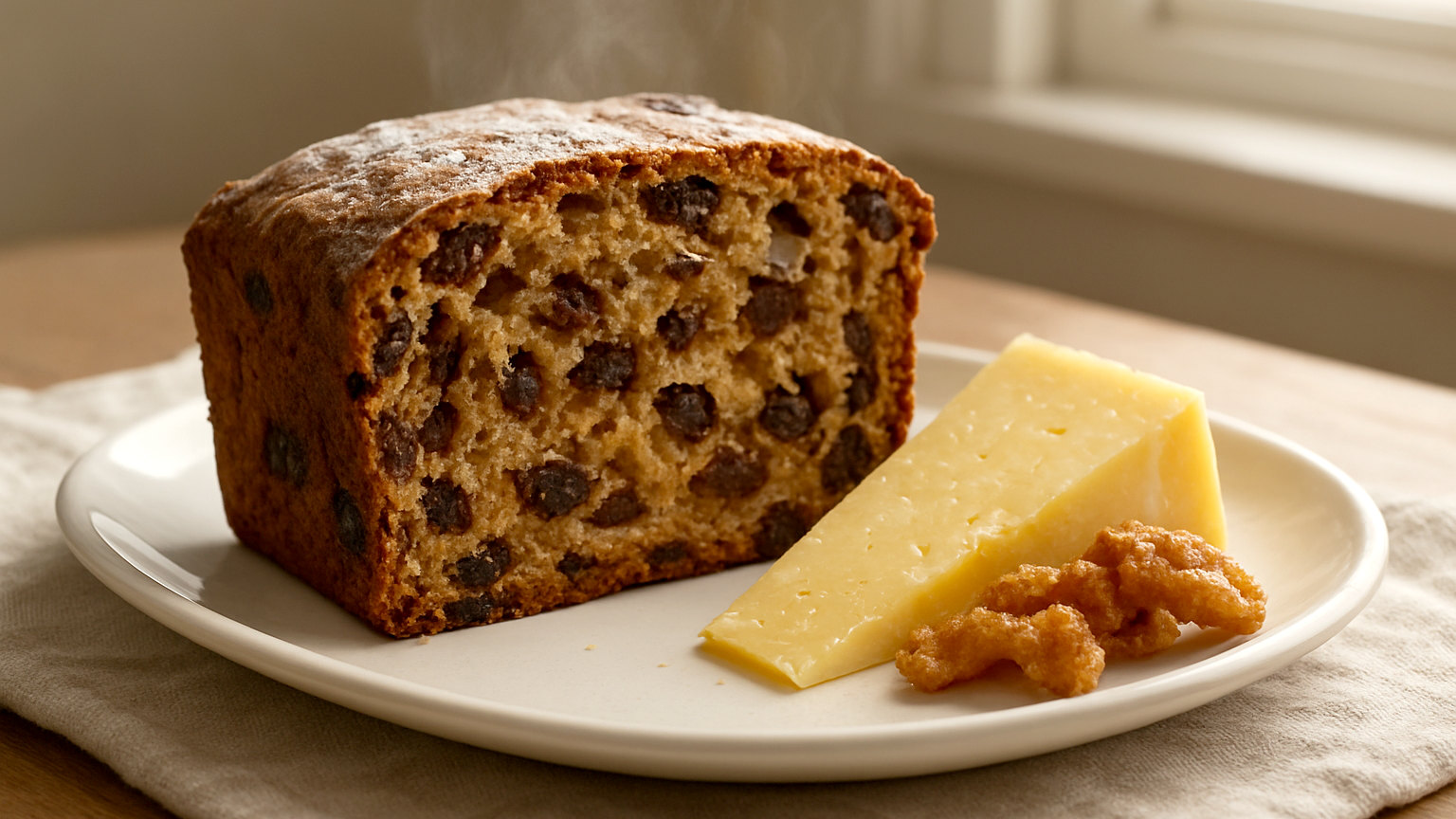
A yeasted fruit loaf containing no plums, eaten sliced with a wedge of Lincolnshire Poacher cheese.