Why We Want Stodge in Winter
Suet, dumplings and baked puddings all belong to the cold months for practical reasons rather than sentimental ones.
By UK Recipes
19 Aug 2026

British cooking follows the year closely - rhubarb and lamb in spring, gluts of soft fruit in summer, apples and game in autumn, and the long slow cooking that gets us through winter. These recipes are grouped by when the ingredients are actually good and cheap, with the fixed points of the calendar - Christmas dinner, Easter, Bonfire Night - covered in full.
Suet, dumplings and baked puddings all belong to the cold months for practical reasons rather than sentimental ones.
Layered roots baked slowly in cream until they set into something you can cut. Slice them thinly and do not rinse them.
Cook once, eat four times. What freezes well, what does not, and the cooling rules that actually matter.
Food that sits happily on a table for an hour, most of it made the day before. A working plan for twelve people.
Bitter leaves grown in the dark, in season when nothing else crisp is. They need a sweeter dressing than summer leaves.
A whisked sponge rolled while still warm. Roll it in the paper first and it will not crack when you fill it.
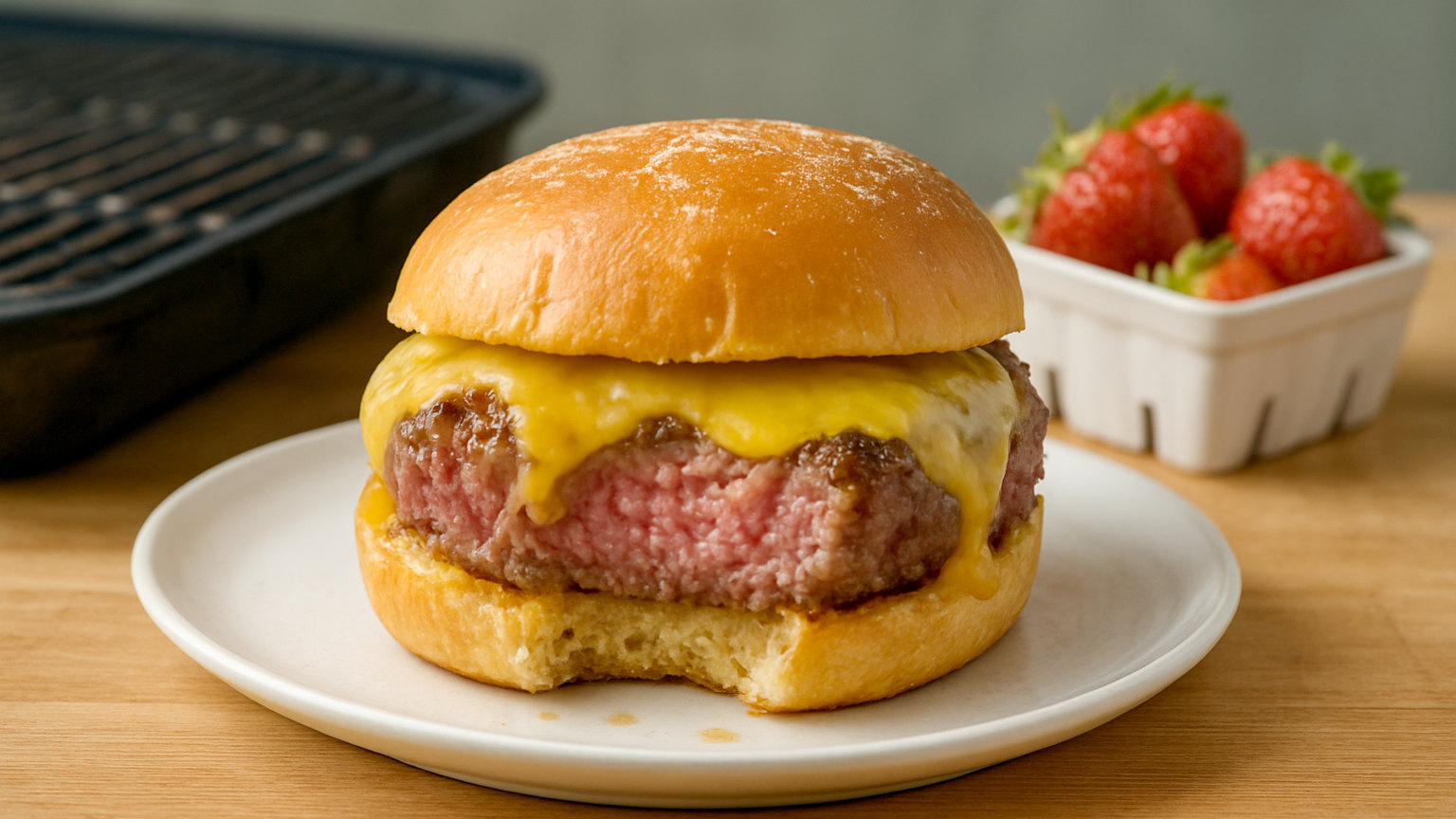
Coarse mince, twenty per cent fat, salt only on the outside and almost no handling. Four ingredients and a hot grill.
Cheap, quick and in season all winter. Discard any that stay open before cooking or stay shut after.
Four cheeses with genuine contrast, out of the fridge an hour beforehand. More than five and nobody finishes any of them.
Preheat the flask with boiling water first or the soup will be lukewarm within the hour. Smooth soups travel better than chunky ones.
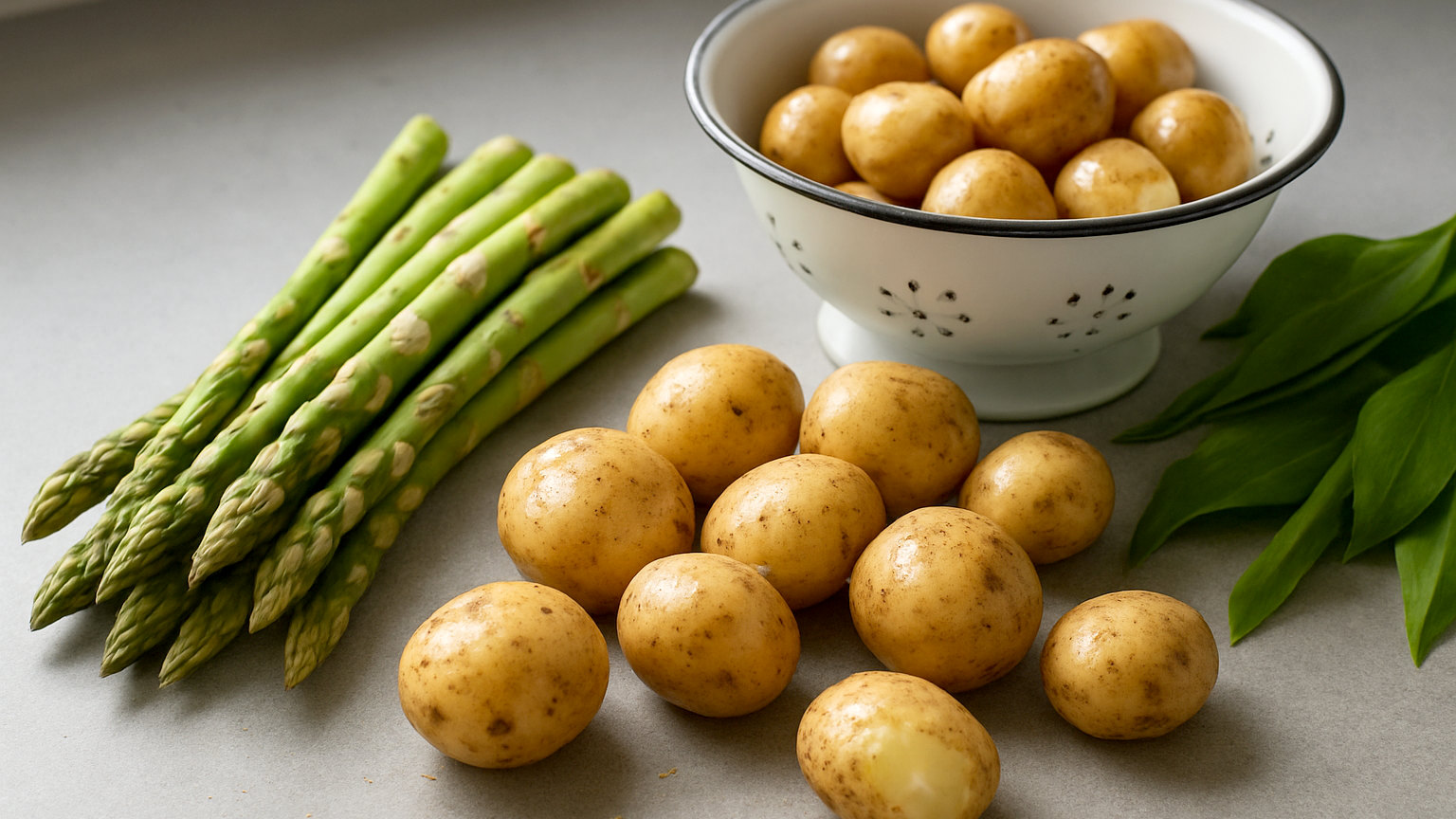
Three courses built entirely from what is in season in May, with a timetable that keeps you out of the kitchen.
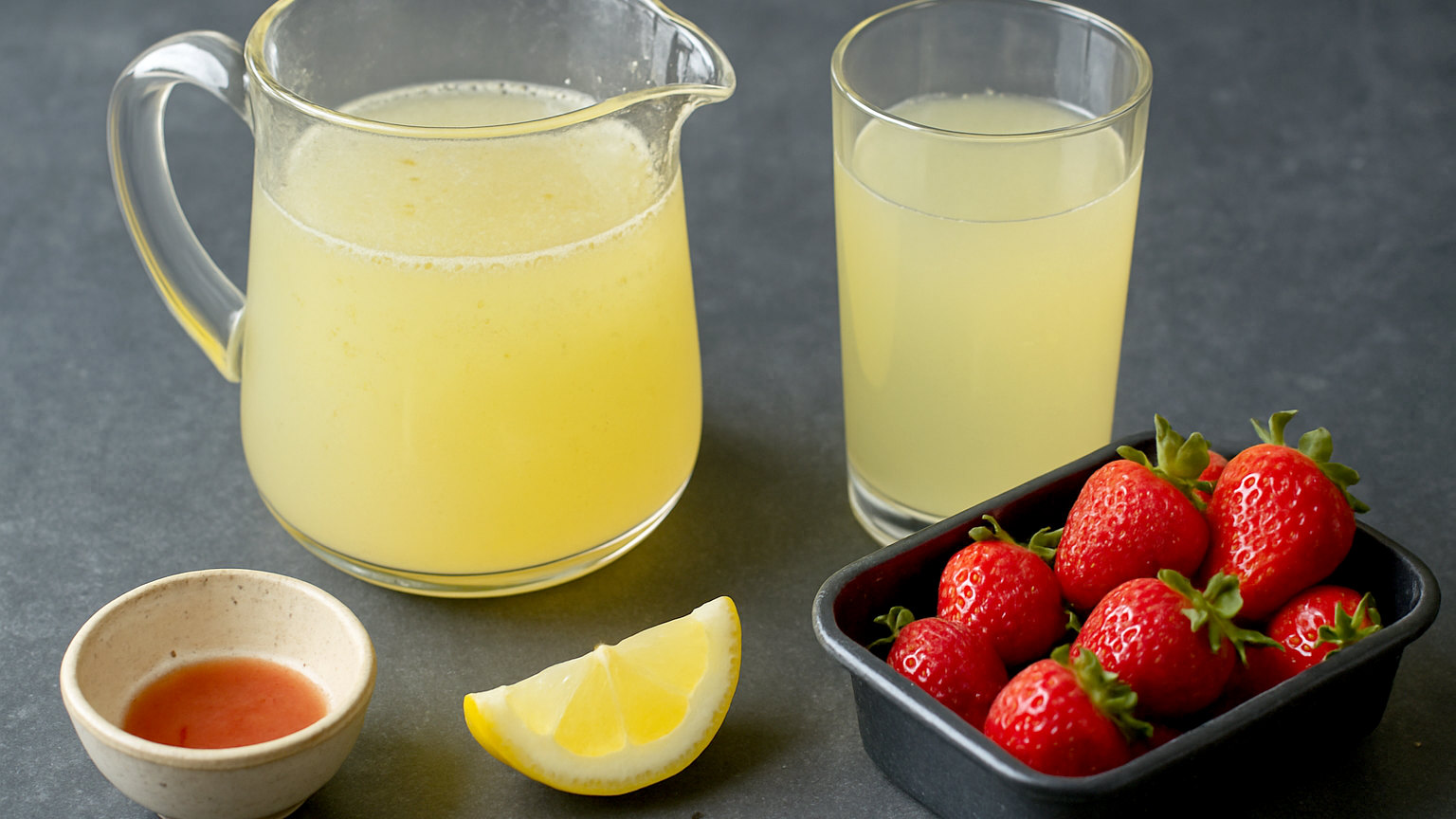
Made with a sugar syrup and the zest as well as the juice. Twenty minutes of work and nothing like the bottled version.