Twelfth Night and Wassailing
The end of Christmas on 6 January, once the biggest party of the year. The cake with the bean in it is where all this comes from.
By UK Recipes
14 Aug 2026

British cooking follows the year closely - rhubarb and lamb in spring, gluts of soft fruit in summer, apples and game in autumn, and the long slow cooking that gets us through winter. These recipes are grouped by when the ingredients are actually good and cheap, with the fixed points of the calendar - Christmas dinner, Easter, Bonfire Night - covered in full.
The end of Christmas on 6 January, once the biggest party of the year. The cake with the bean in it is where all this comes from.
One pot, made in advance, eaten whenever people arrive. The kitchen is needed for other things.
Over embers rather than flames, on a long metal skewer, turned slowly. The inside gets far hotter than it looks.
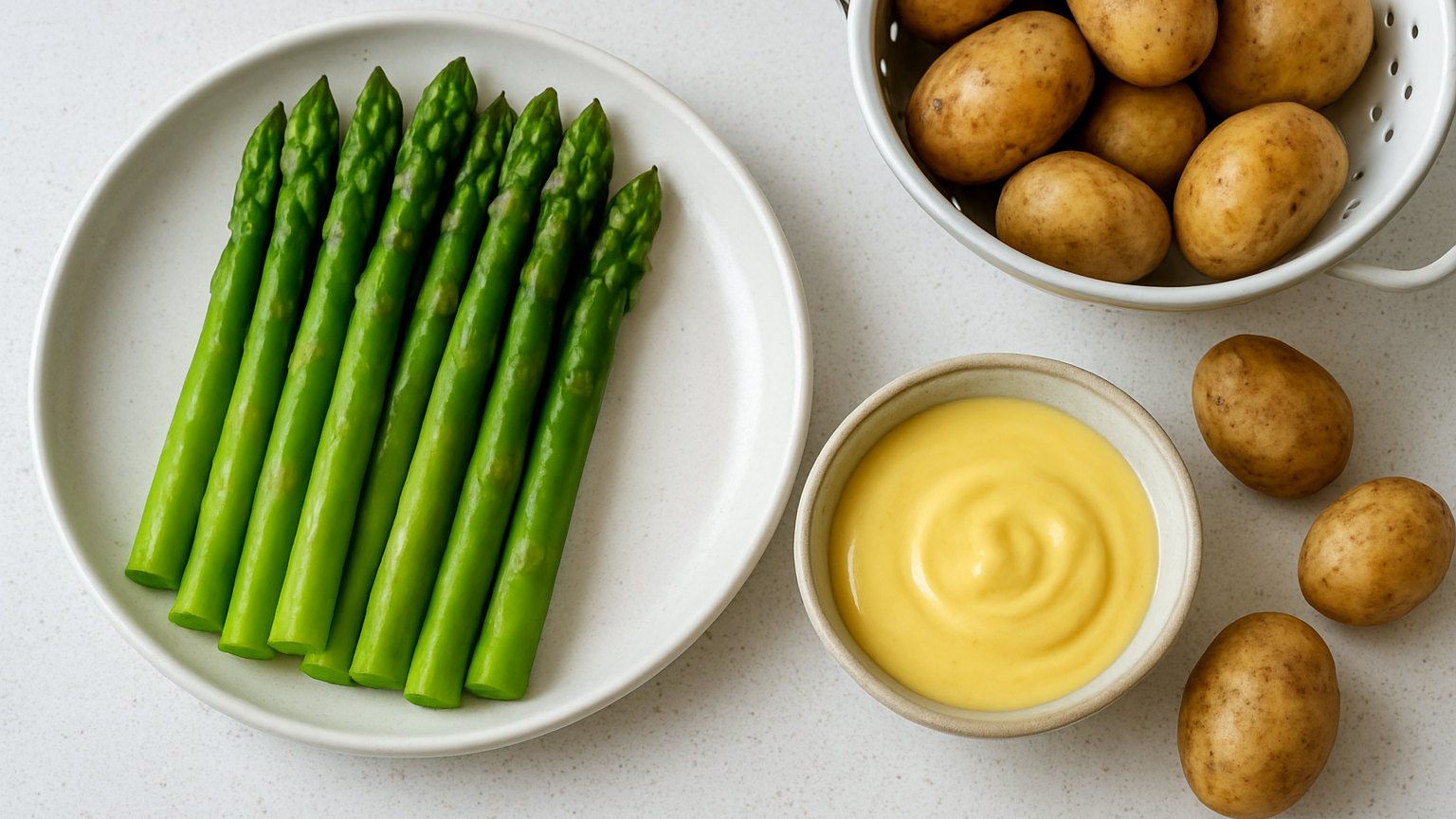
Egg yolks, butter and acid held in an emulsion. It splits if the butter goes in too fast or the pan gets too hot.
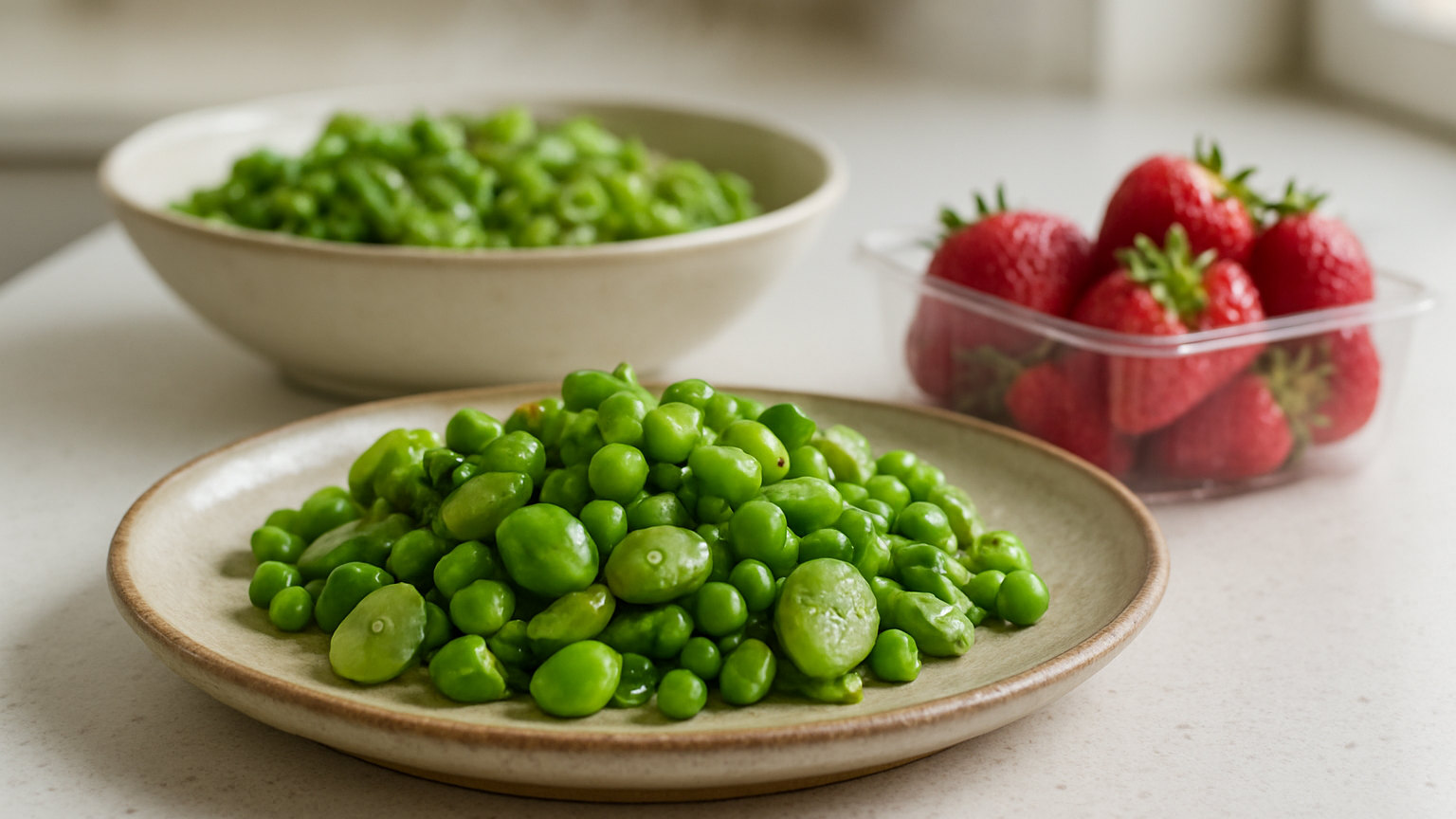
Fresh peas start turning to starch within hours of picking, which is why frozen are often better. Broad beans need double podding.
A goose renders an extraordinary amount of fat. Prick it, pour the fat off as it cooks, and keep every drop.
First footing, black bun and steak pie on New Year's Day. Scotland takes the night considerably more seriously than England.
What to make in November, what in the week before and what on the day itself. Almost nothing has to happen on the morning.
Almost every Bonfire Night food contains black treacle or oats. Both were cheap northern staples and both keep well.
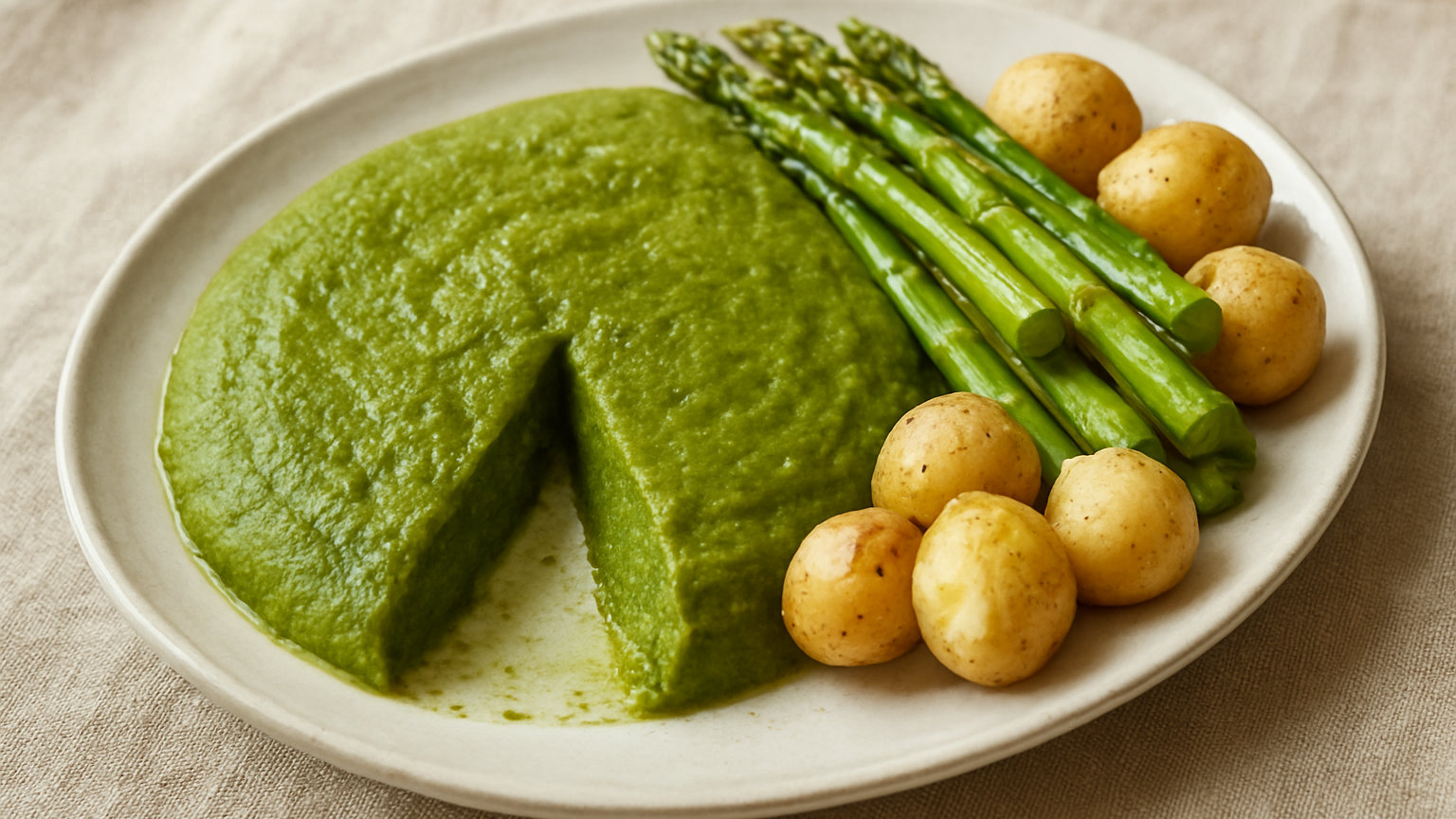
Sorrel tastes of lemon and collapses to a khaki puree the moment it hits heat. Both facts are worth knowing before you cook it.
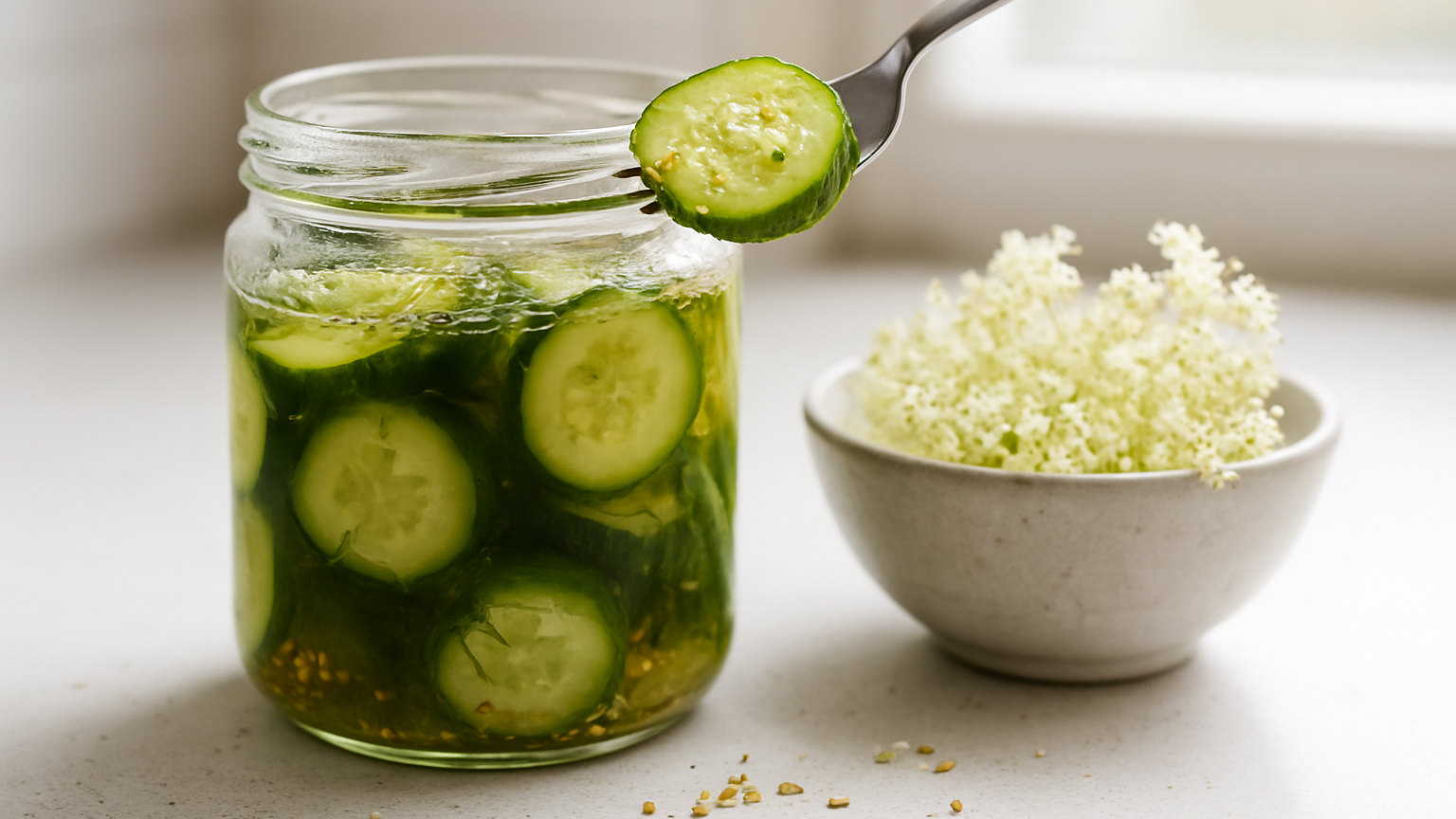
Salt the cucumber first or the pickle turns limp and watery within a week. Ready in two days and keeps for months.
Roast the squash rather than boiling it. Forty minutes in a hot oven concentrates the flavour instead of diluting it.