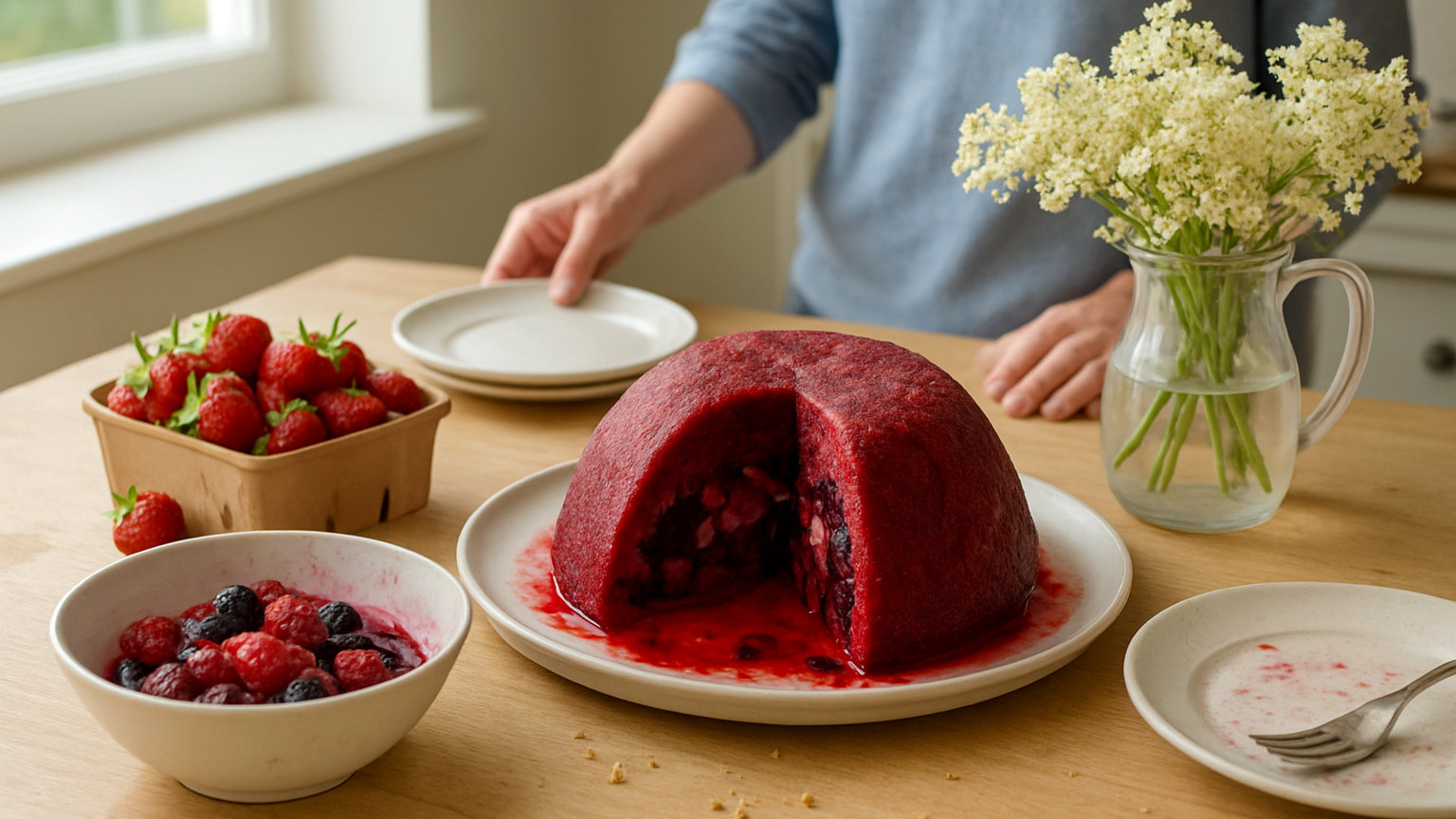
British winter cooking has a reputation for stodge, and it is largely deserved. Suet puddings, dumplings, braises and baked puddings all cluster in the cold months. That is not a failure of imagination. Almost every heavy British dish exists for a practical reason, and most of those reasons are about fuel, storage and physical work.
Why is winter food so heavy?
People doing physical outdoor work in the cold needed far more calories than they do now. A dish built on suet, flour and potato delivered them cheaply.
It was engineering rather than indulgence.
What did suet actually do?
It was cheap, it kept without refrigeration, and it made flour go further while adding a great many calories.
A suet pudding turned a small amount of meat into a meal for a family.
Was it always this heavy?
Medieval English cooking was lighter and more heavily spiced. The dense suet tradition largely belongs to the eighteenth and nineteenth centuries.
Why so many boiled and steamed dishes?
Many households had no oven, only a fire and a pot. Anything that could be boiled or steamed over one heat source was practical, and anything needing an oven was not.
That single constraint explains clootie dumplings, steak and kidney puddings and boiled bacon alike.
Why do braises suit winter?
Cheap cuts need long slow cooking, and a fire or a range was lit anyway for warmth, so the cooking was effectively free.
In summer nobody wanted a range running for four hours.
What is the fuel argument?
A range or fire lit for warmth cooked food for nothing extra, so long slow dishes cost only time. In summer the same dish meant heating a house nobody wanted heated.
Is there a physiological reason?
The evidence for eating substantially more in cold weather is weaker than folklore suggests, though appetite does shift towards warm, energy dense food.
Less daylight and less activity also play a part.
Does the season still shape appetite?
Less than it did, since almost everything is available year round, though most people still reach for soup and braises in January.
What was actually available?
Stored roots, brassicas, dried pulses, preserved meat and flour. Almost nothing fresh and green until spring.
Winter cooking is shaped by what survived the autumn.
Does it still make sense?
Less as necessity and considerably as pleasure. Most people now do far less physical work and need fewer calories, so portion size matters more than it did.
A suet pudding once a fortnight is a different proposition from one twice a week.
What did people actually eat daily?
Bread, potatoes, oats and a small amount of meat or bacon, with the puddings and roasts reserved for Sundays and occasions.
The heavy dishes were the highlights rather than the routine.
How do you lighten it?
Smaller portions, more vegetables alongside, and something sharp on the plate. Pickles, mustard and braised red cabbage all cut through richness.
Bitter winter leaves do the same job.
Do other countries have the same pattern?
Very much so. Cassoulet, goulash and pot au feu all belong to the same logic of cheap cuts, long cooking and cold weather.
Britain is not unusual, only more mocked for it.
What is worth keeping?
The slow braises, which are genuinely good cooking, and the puddings as occasional rather than routine.
Why did puddings become sweet?
Savoury and sweet puddings were once made the same way in the same cloth. Cheaper sugar through the eighteenth and nineteenth centuries pushed the sweet versions forward.
Steak and kidney pudding and spotted dick are the same technique.
What replaced it?
Central heating, cars and desk work between them removed most of the reason for eating that way daily.
The dishes survived as pleasure rather than necessity.
Is stodge a fair word for it?
It is affectionate and slightly unfair. A properly made steak and kidney pudding or a long braised oxtail is careful cooking, not laziness.
The technique deserves more respect than the word suggests.
For something along the same lines, see What Is in Season in Winter?, or browse all our Seasonal recipes.