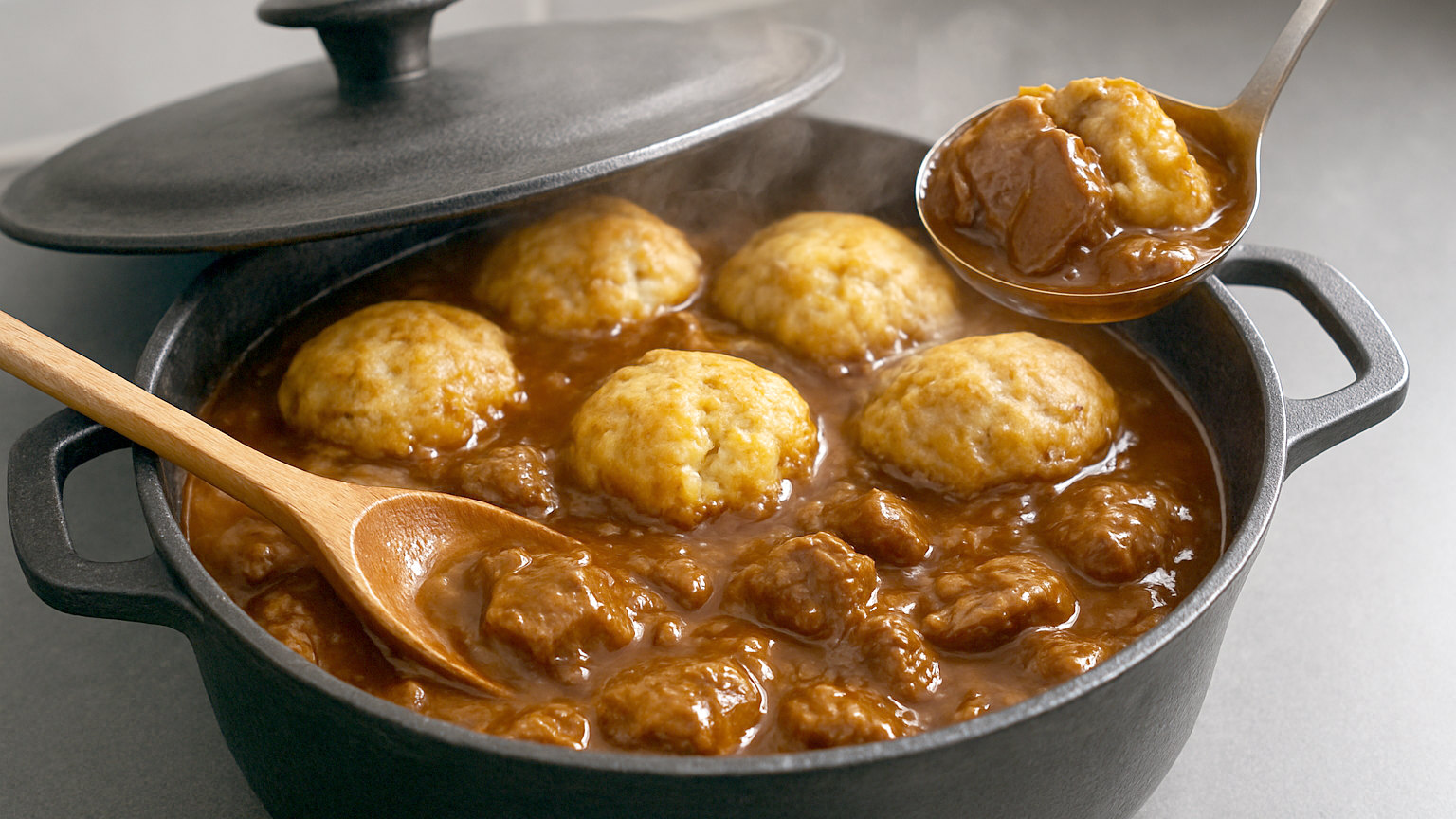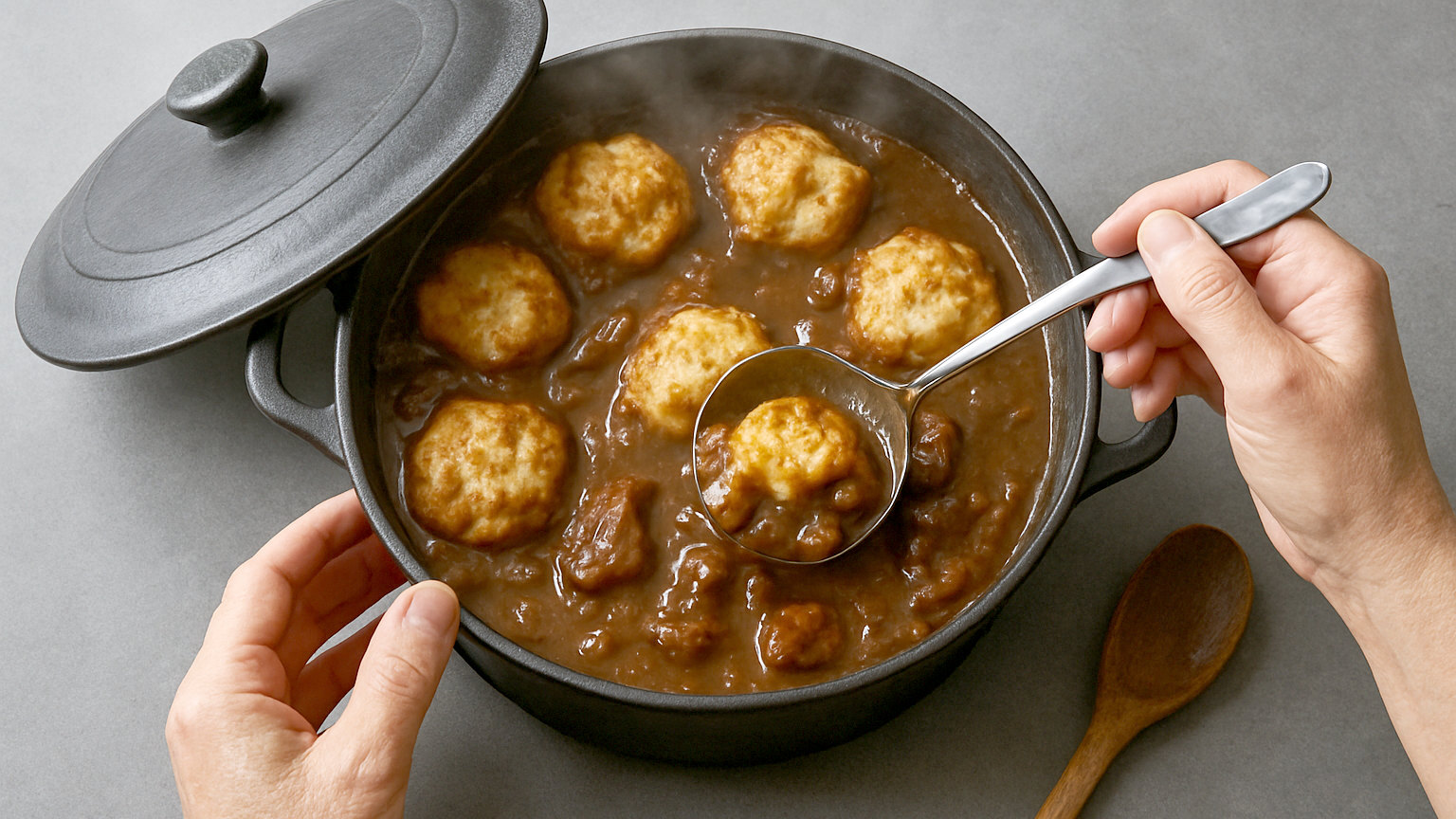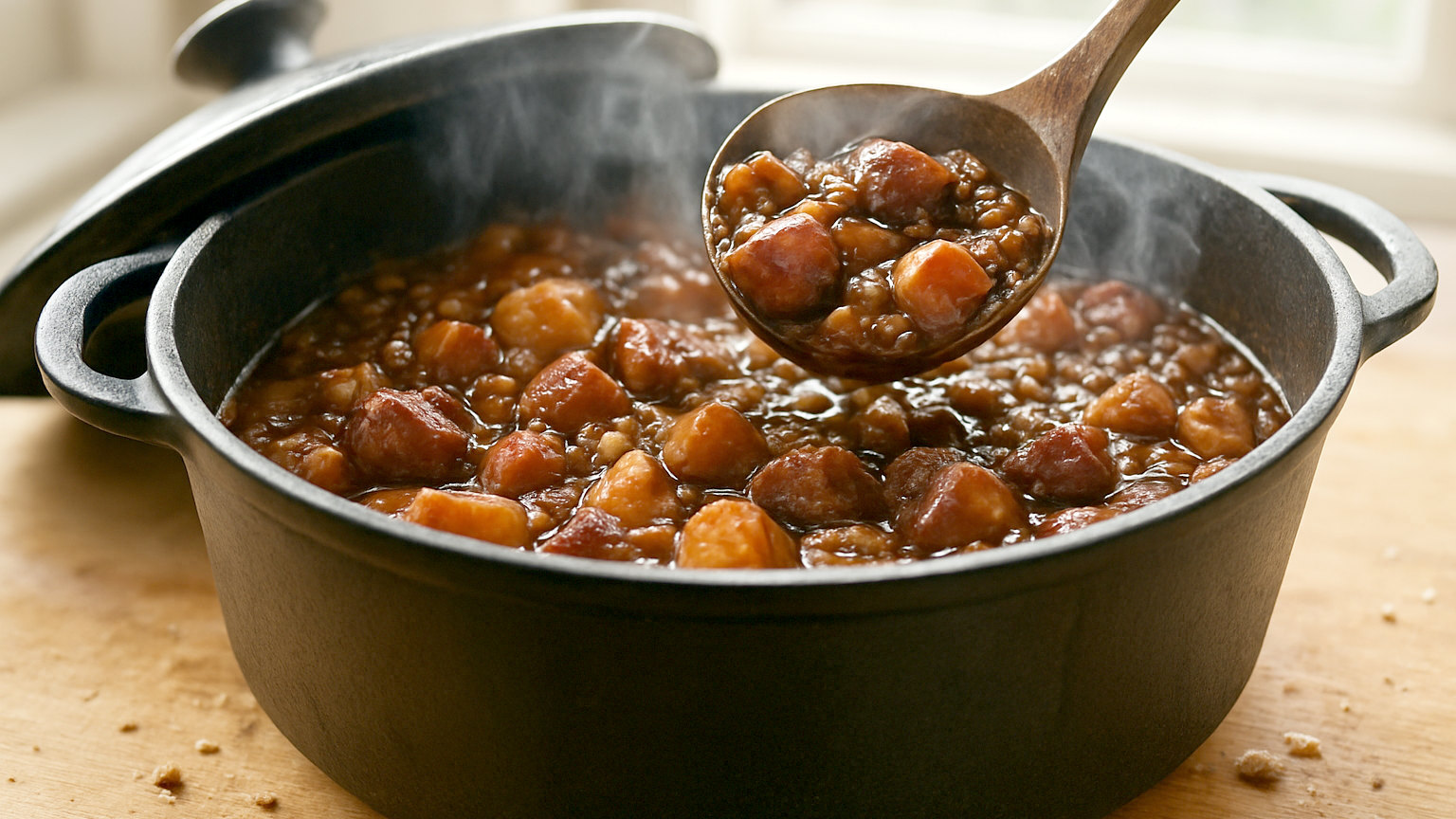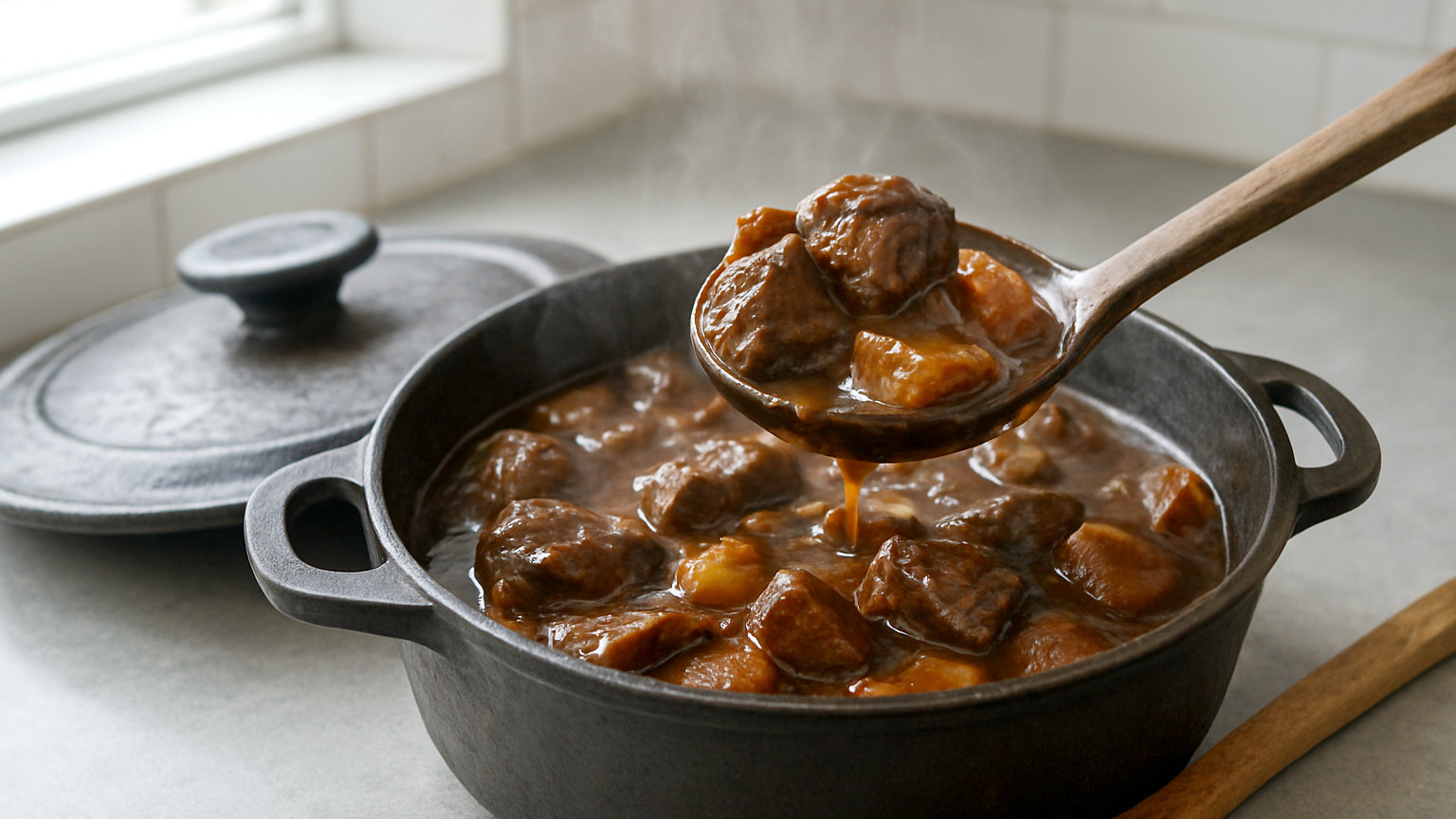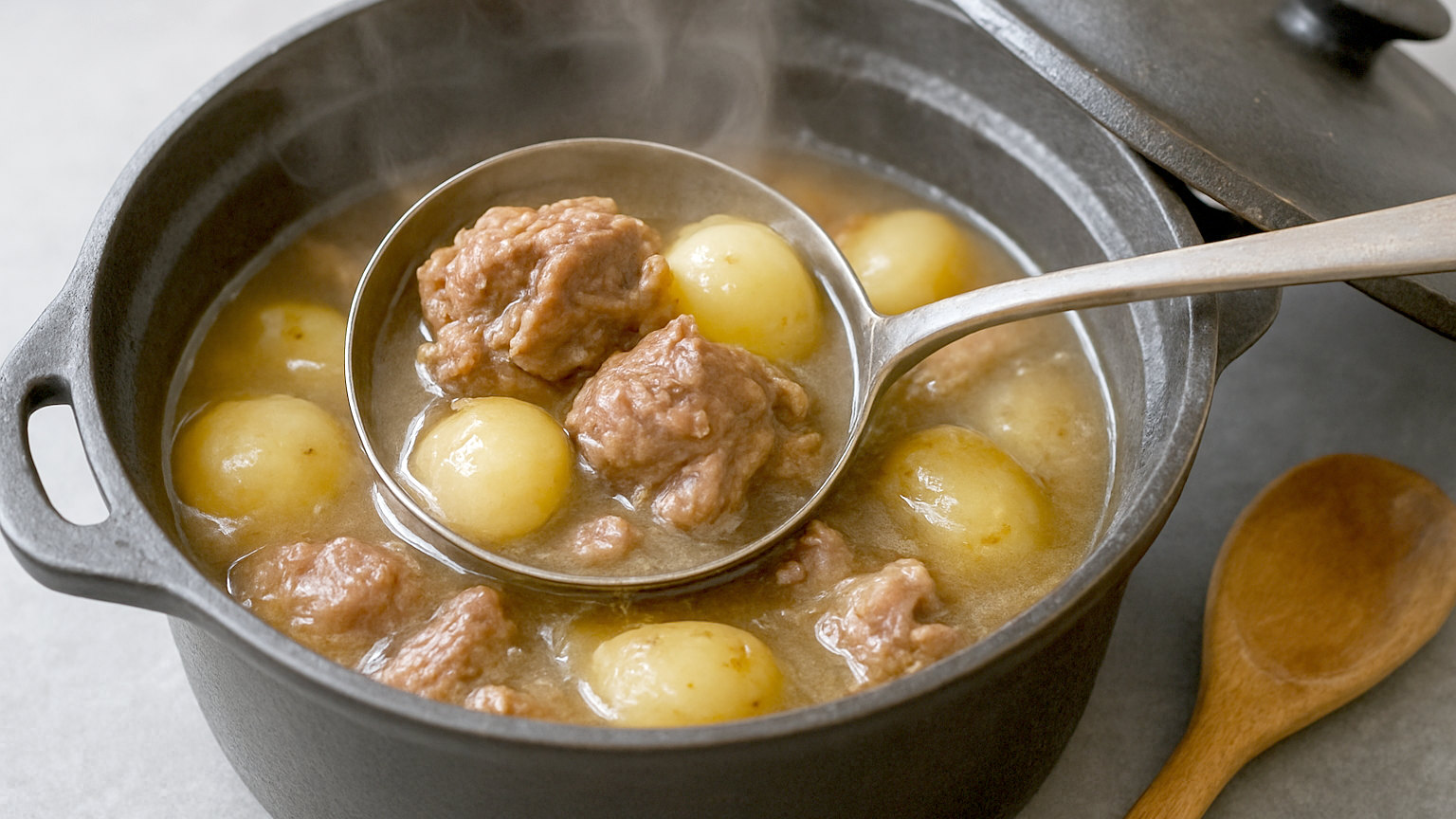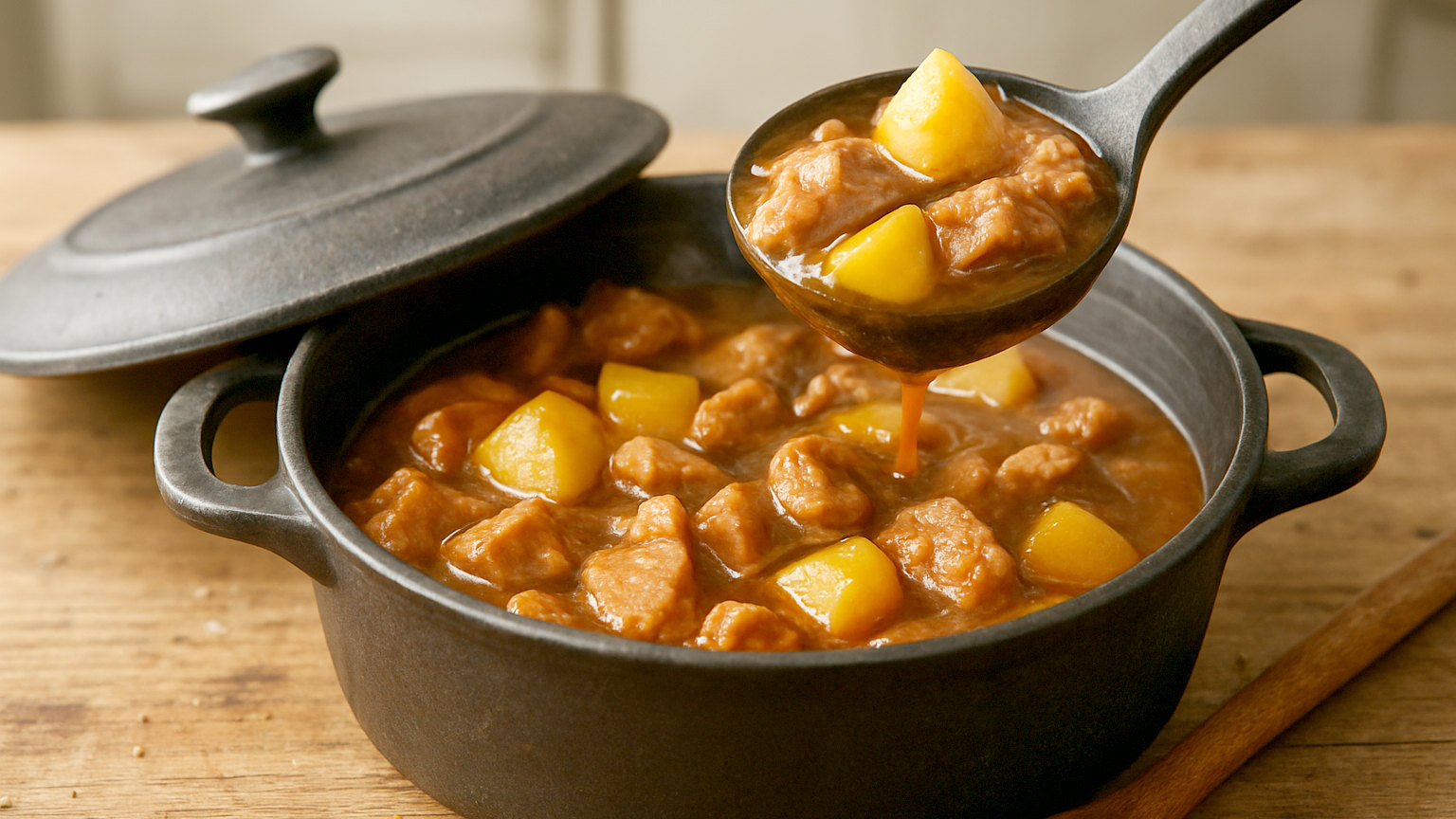
Pork and Cider Casserole With Apples
Pork shoulder, dry cider and apples added late so they hold their shape. A West Country dish that suits an autumn evening.
By UK Recipes
14 Aug 2026

Beef in ale, Irish stew, casseroles and hotpots - browning properly, the low oven, and why tomorrow is better.
Pork shoulder, dry cider and apples added late so they hold their shape. A West Country dish that suits an autumn evening.
Flavours redistribute, starches keep thickening and the fat can be lifted off. It is not imagination, and it is worth planning around.
Something to soak up the gravy and something green for contrast. The choice of starch depends on how thick the sauce is.
A vegetable stew needs savoury depth from somewhere, and browning the vegetables hard rather than softening them is where most of it comes from.
Stews freeze better than almost anything and improve for it. The exceptions are potatoes, cream and dumplings, all of which are best added later.
The oven gives the best result, the slow cooker gives the most convenience, and the hob needs the most attention. None of them can brown the meat for you.
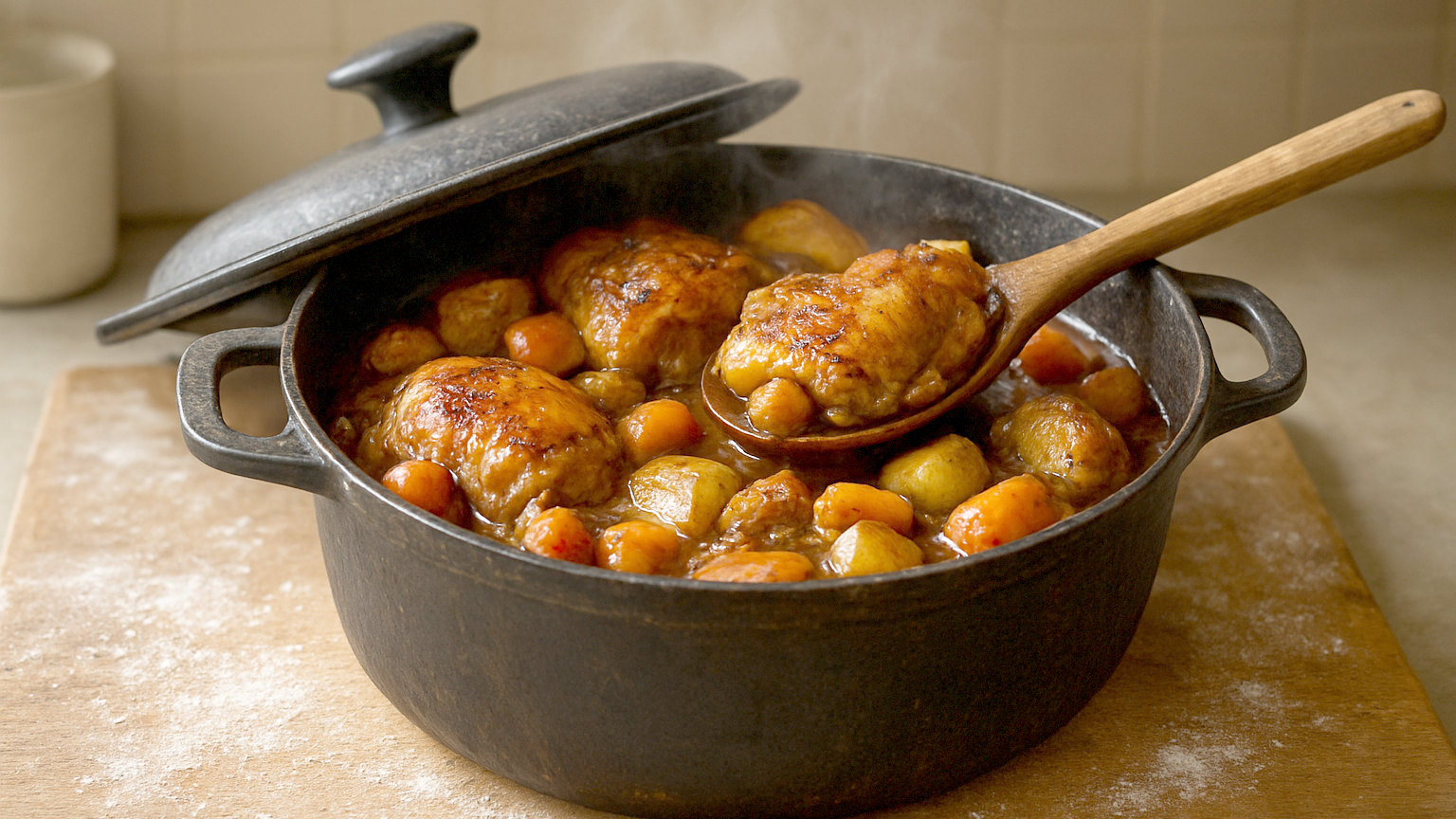
Thighs rather than breast, browned skin side down until the fat renders, and an hour in the oven. Breast meat has no place in a casserole.
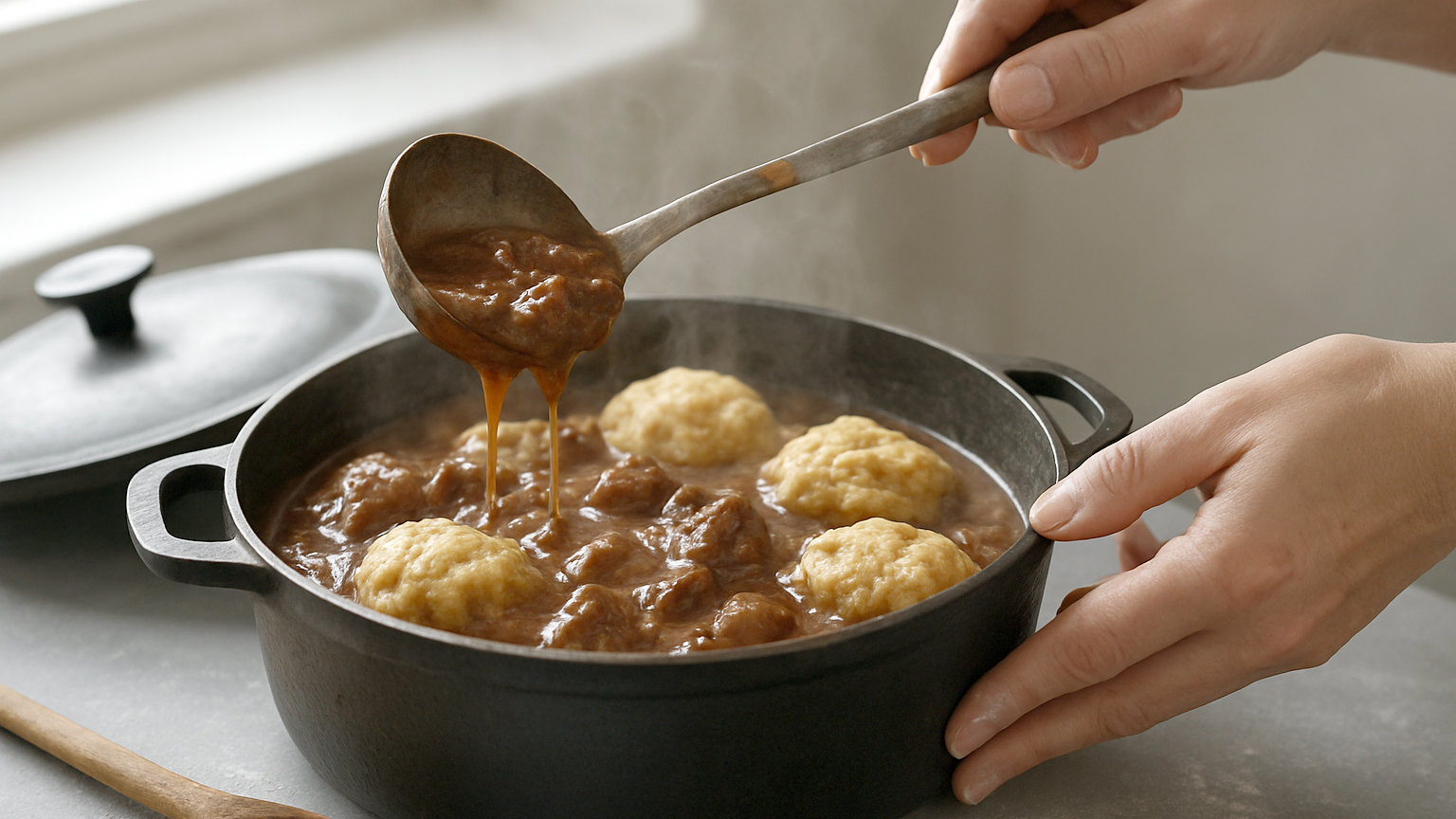
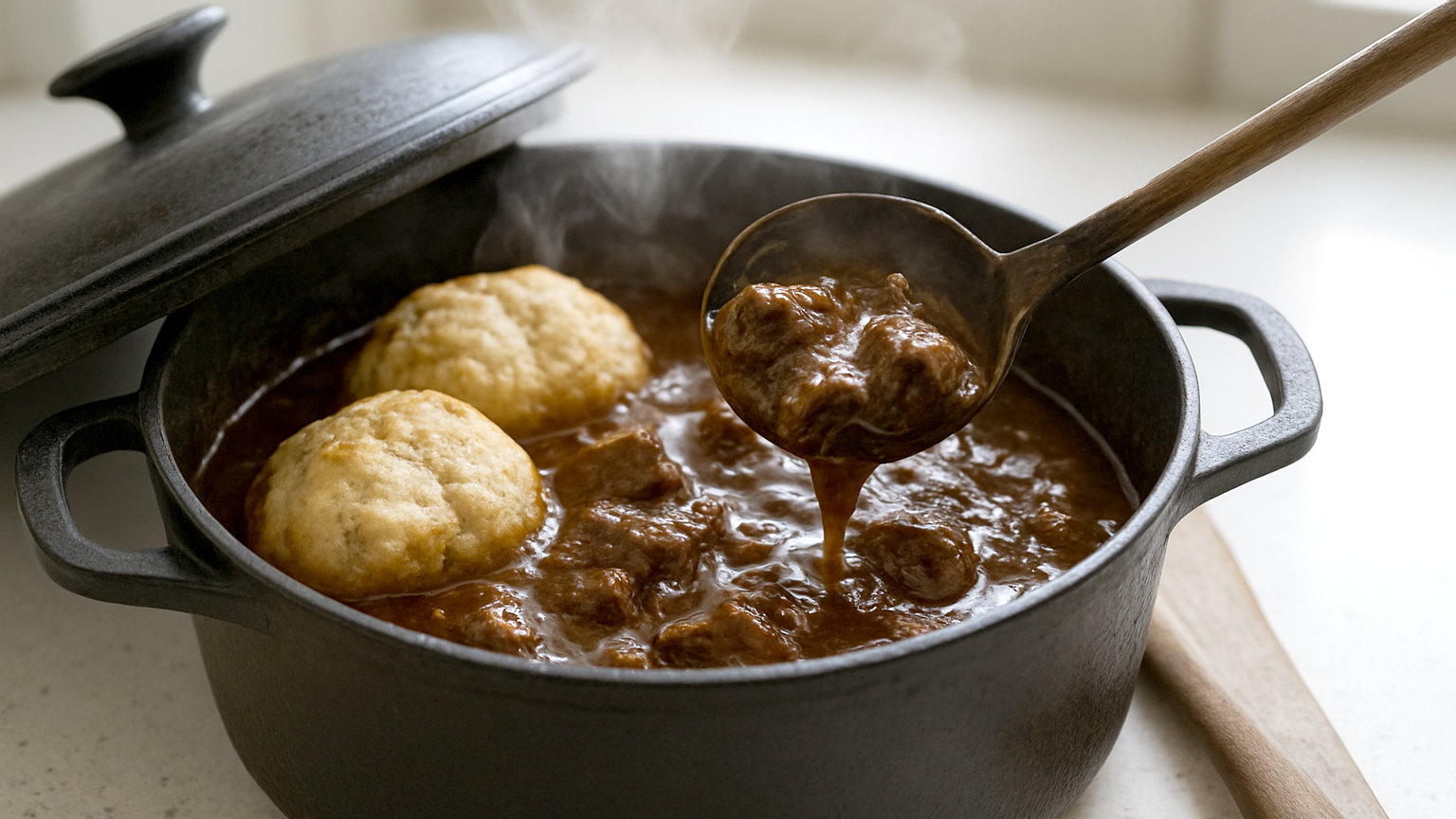
Reducing it is the best answer and the slowest. Flour, cornflour and beurre manie all work, and each has a moment when it is the right choice.
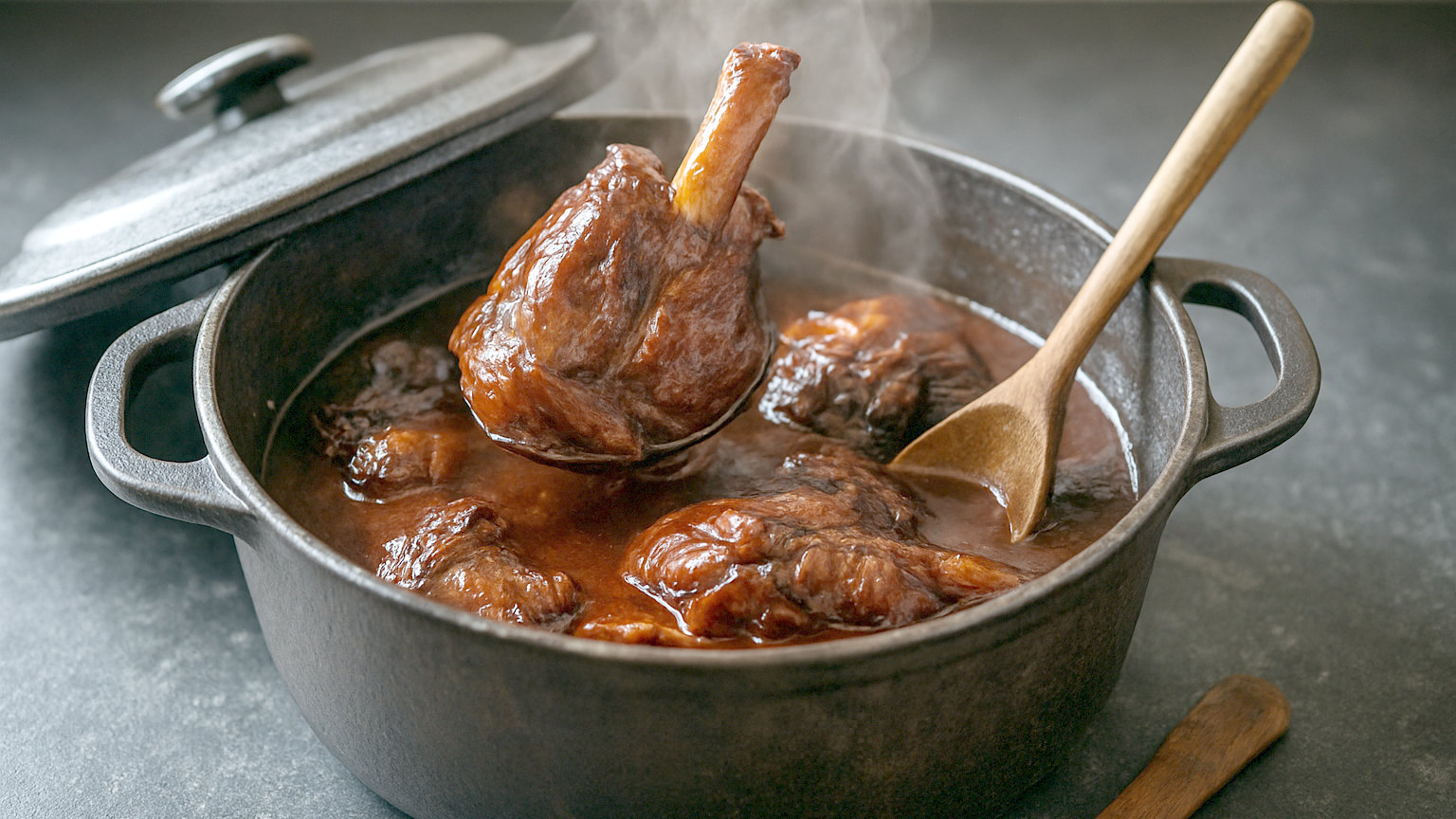
One shank each, three hours in the oven and a sauce that makes itself. The cheapest cut of lamb producing the most impressive plate.
Lamb, potatoes, onions and water. No browning, no stock and nothing else, which is what separates it from every other lamb stew.
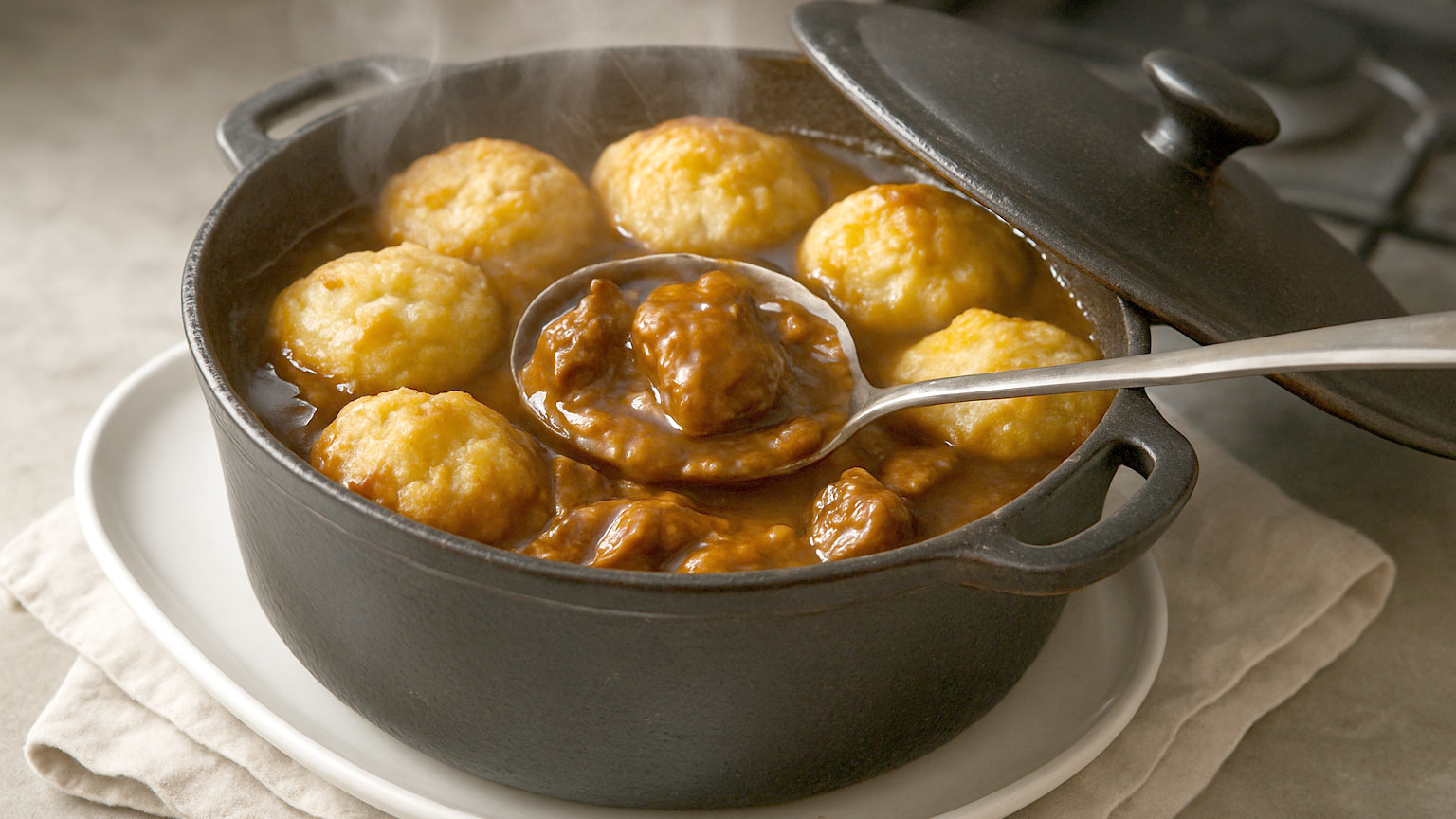
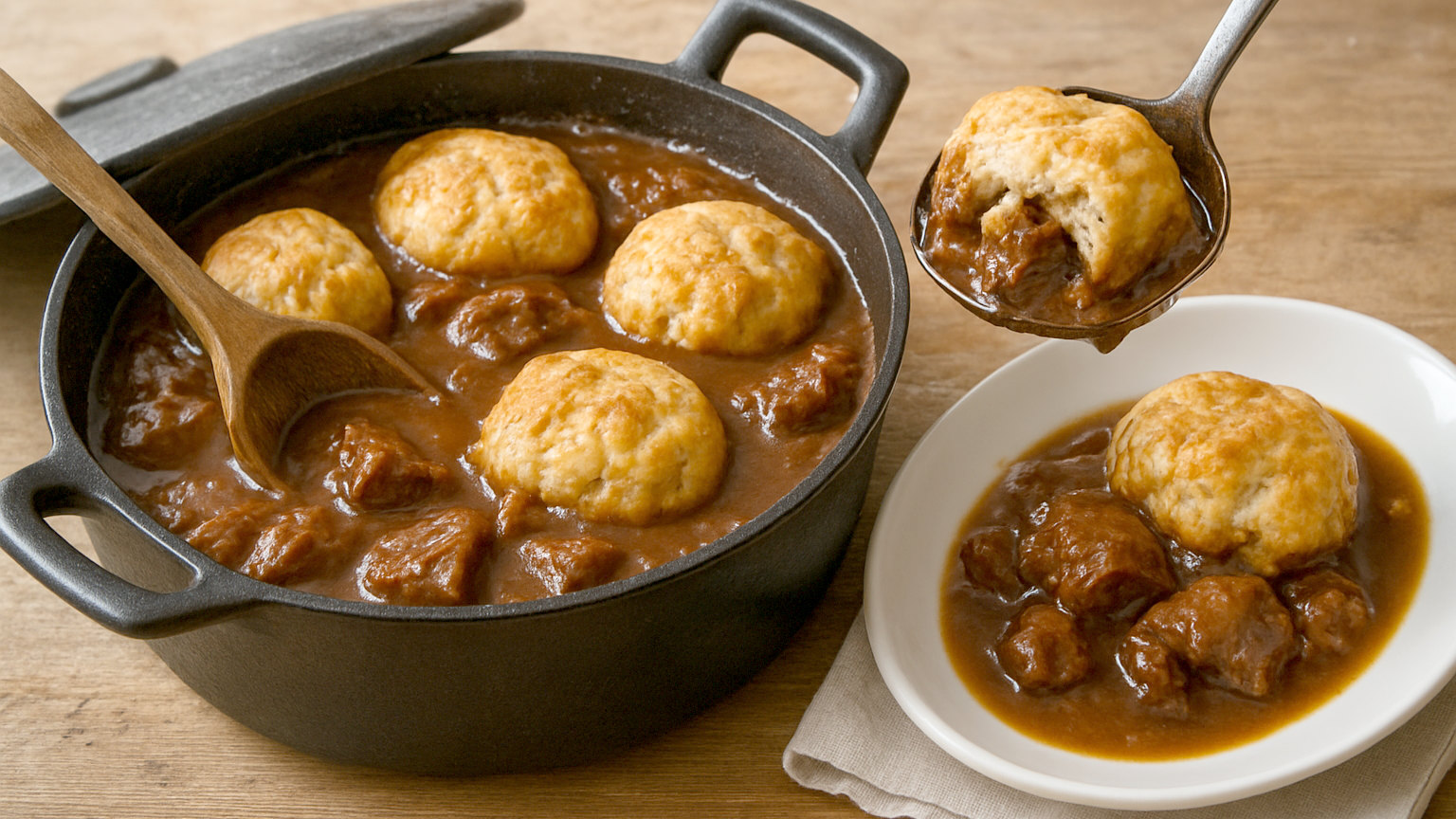
Two parts flour to one part suet, enough water to bring it together, and a firm lid for twenty minutes. Handling the dough is what makes them heavy.
Tough stew meat almost always means it has not cooked long enough, which is the opposite of what most people assume when they turn the heat up.