
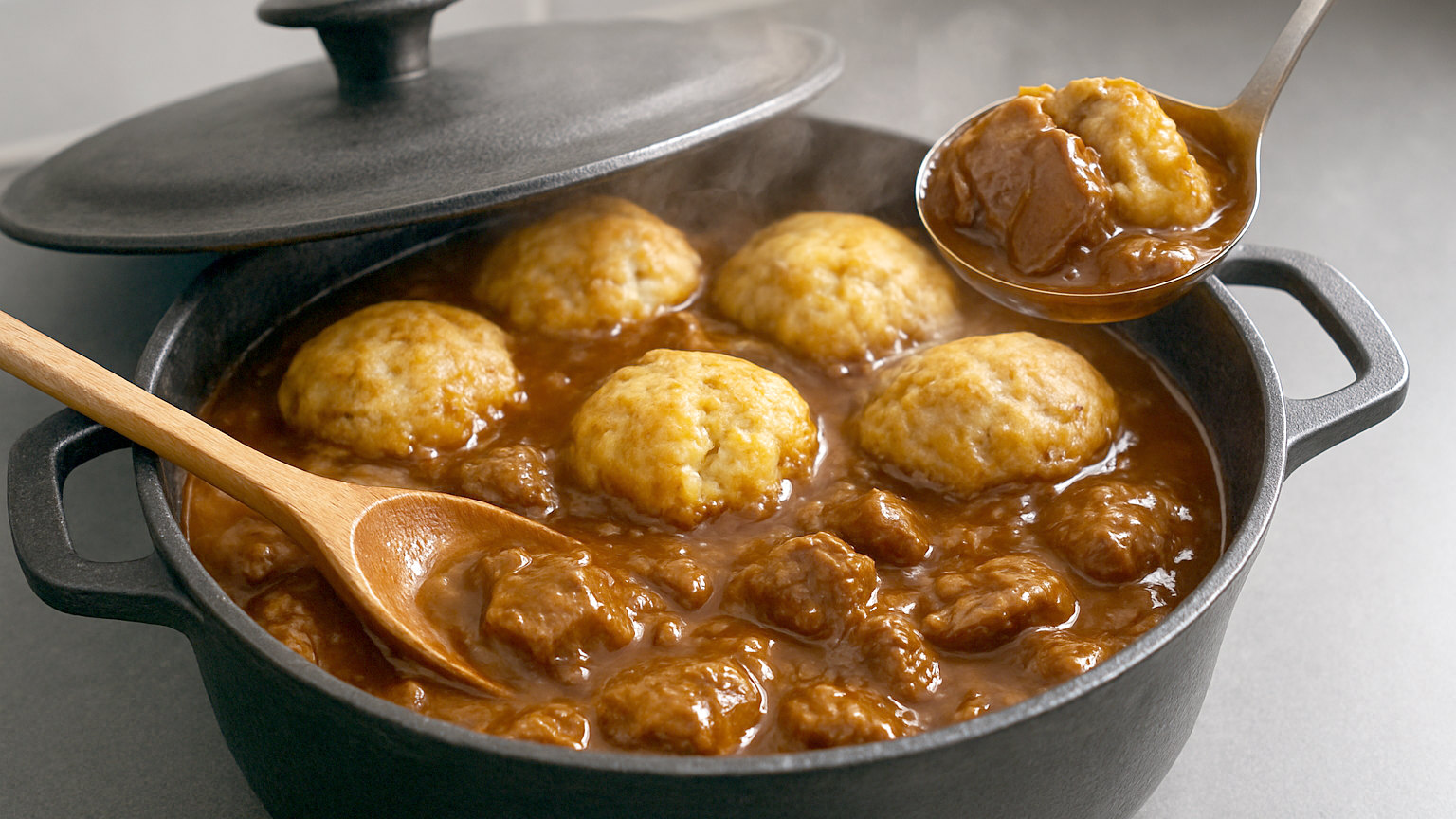
Almost every cook knows a stew is better on the second day, and it is not a matter of imagination or appetite. Several things happen overnight in the fridge that genuinely improve the dish, and none of them can be rushed by cooking it for longer on the first day. It is one of the few pieces of received kitchen wisdom that holds up entirely.
What actually changes?
Flavour compounds continue to move between the meat, the vegetables and the liquid long after the heat is off. Salt distributes evenly, and the concentrated seasoning in the sauce works into the meat.
The result is a dish that tastes of one thing rather than several separate things in the same pot.
Does the texture improve?
Yes. Starches from potatoes, flour and pulses continue to absorb liquid as the stew cools, so the sauce thickens without further reduction.
Gelatine from the meat sets as it chills and then melts again on reheating, giving the sauce a glossier body.
Why is skimming the fat easier?
Fat sets solid on the surface once chilled and lifts off in a sheet. Trying to skim it while hot is fiddly and you always take some of the sauce with it.
Keep the fat if it came from beef or lamb, since it makes excellent roast potatoes.
Does the meat get more tender?
Not significantly. Tenderness is decided during the cooking, and a stew that was tough on day one will still be tough on day two.
What changes is that the meat has absorbed more of the seasoned liquid, which makes it taste better rather than feel softer.
Which dishes benefit most?
Anything with a long cooked sauce and strong seasoning. Beef stews, curries, chillies, ragus and braised shanks all improve noticeably.
Delicate dishes benefit less, and anything with fresh herbs or green vegetables in it is better eaten straight away.
How should you cool it safely?
Divide it into shallow containers and get it into the fridge within two hours of cooking. A large pot left on the hob cools far too slowly.
Standing the pan in a sink of cold water speeds it up considerably, in line with Food Standards Agency guidance.
How do you reheat it properly?
Gently, in a covered pan over a low heat with a splash of stock, stirring occasionally until piping hot throughout.
It must reach 75C in the centre and be reheated once only. A hard boil can tighten the meat again, so keep it just below a simmer.
How long can you keep it?
Three days in the fridge for a meat stew, or three months in the freezer.
The improvement peaks around 24 hours and then plateaus, so there is no benefit in waiting longer than a day.
Does it apply to a slow cooker stew?
Even more so, since slow cooker sauces have not concentrated during cooking. A night in the fridge does some of the work that evaporation would have done in an oven.
Reducing the sauce before you chill it gives you both benefits.
Should you season before or after?
Season lightly on the first day and adjust after reheating. Flavours concentrate overnight, so a stew seasoned perfectly on day one can taste salty on day two.
Cold also dulls the perception of salt, so always taste it hot before adding more.
Is there anything that does not improve?
Anything crisp, so dumplings, pastry lids and mash toppings should all be added on the day rather than cooked in advance with the stew.
Fresh herbs also fade, so hold back half the parsley or thyme and stir it in after reheating.
How should you plan around it?
Cook the stew the day before you want to eat it, which also spreads the work. On the day it needs twenty minutes of reheating and the side dishes.
For guests this is genuinely useful, since it removes almost all of the cooking from the day itself.
Worth reading next: Lamb Shanks Braised in Red Wine. There is more in our Mains recipes.


