What to Do With Leftover Custard
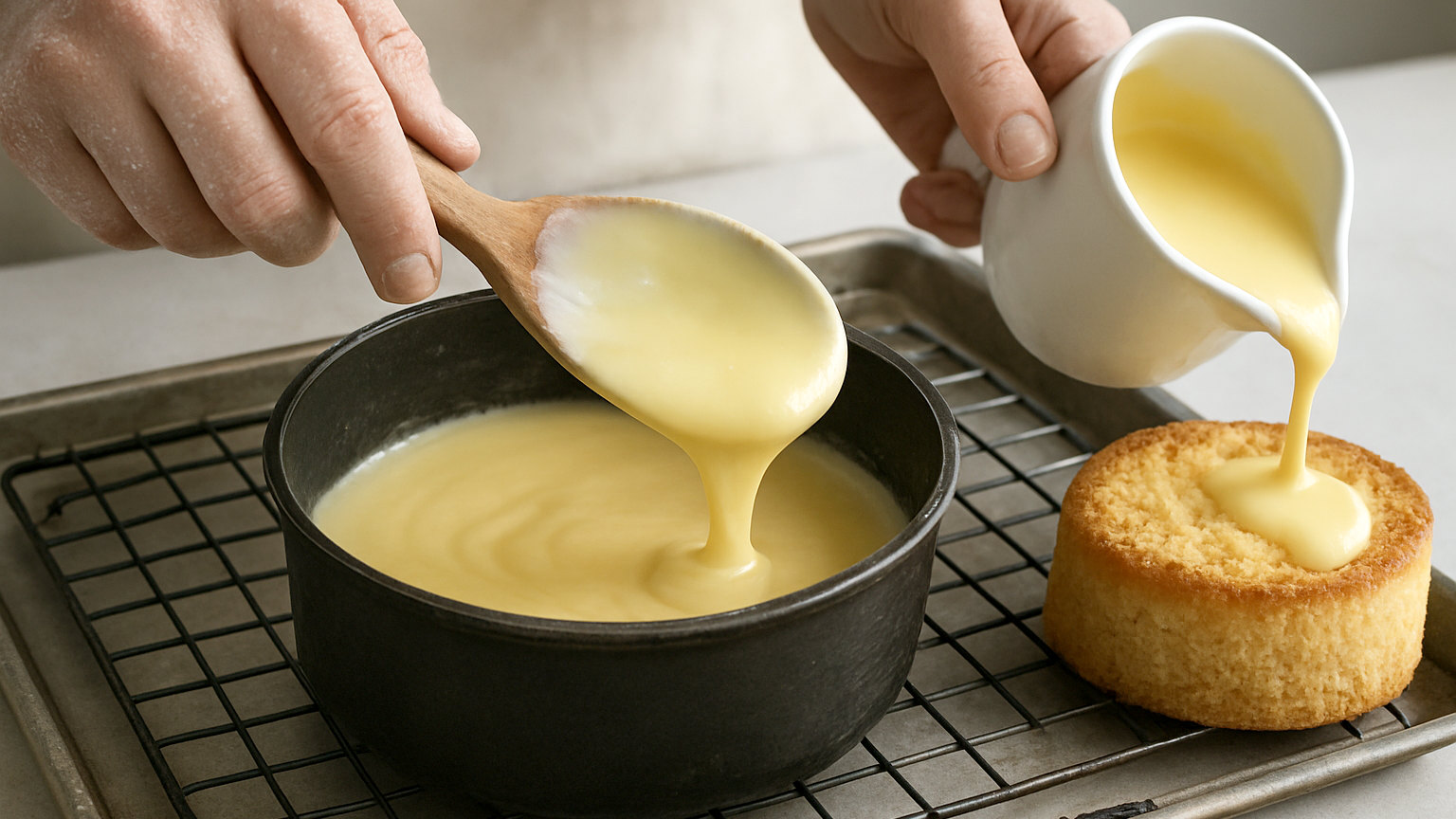
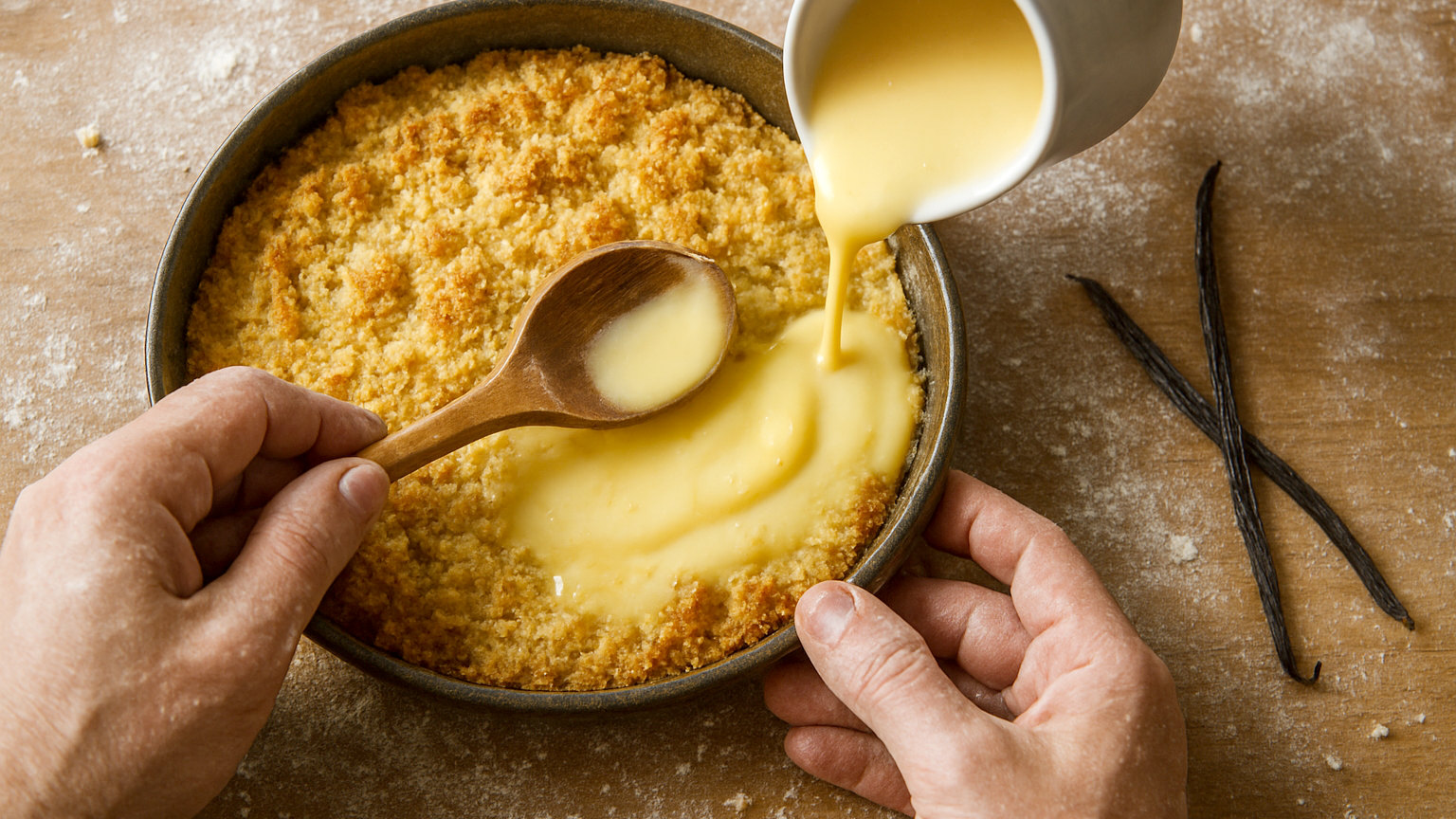
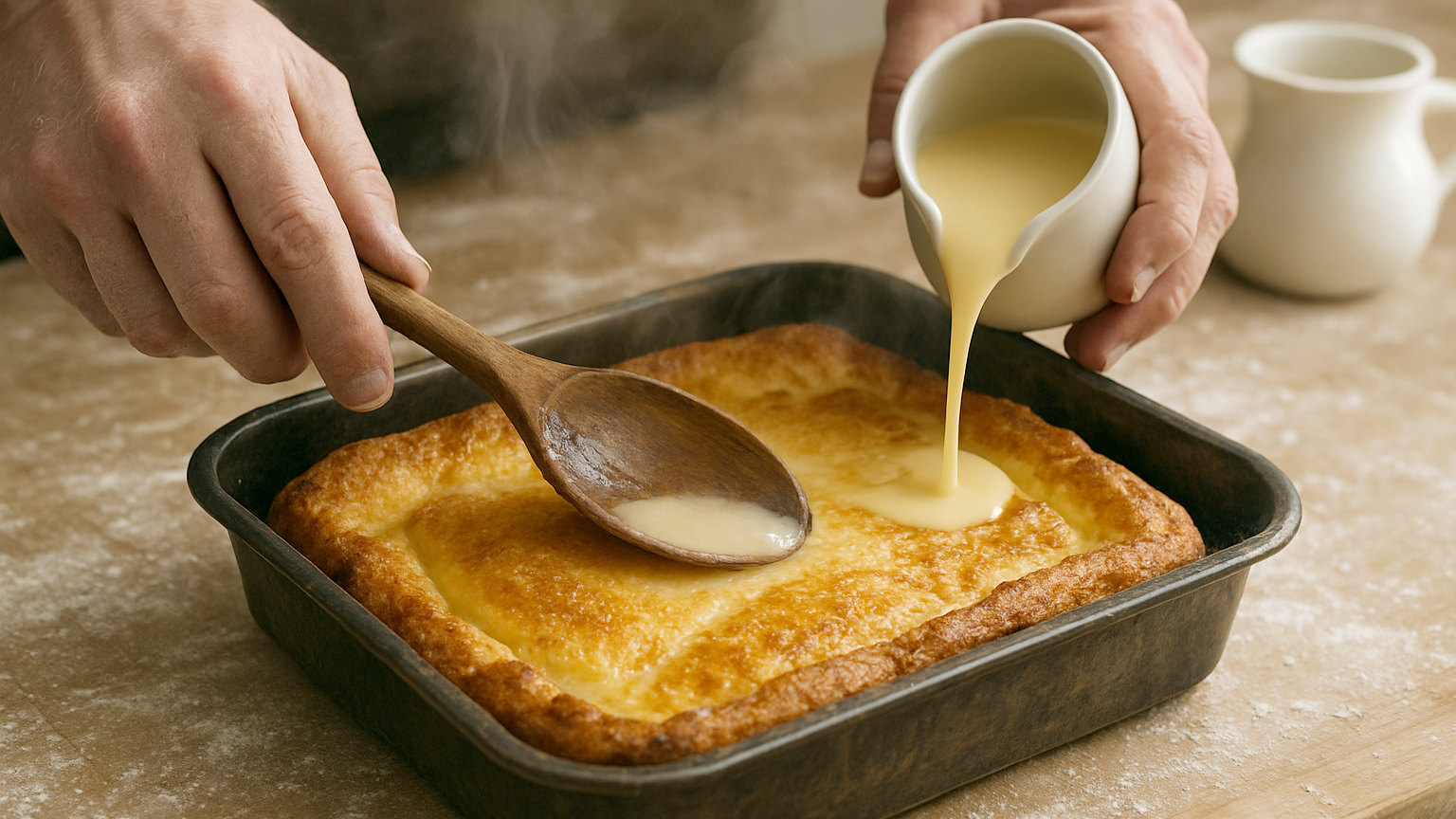
Ice cream, a quick trifle, or poured over stale cake and baked. It keeps three days and does not freeze, so it needs using.
By UK Recipes
16 Aug 2026

Real custard that does not split, plus brandy butter, cream sauces and what to do when it curdles anyway.
Ice cream, a quick trifle, or poured over stale cake and baked. It keeps three days and does not freeze, so it needs using.
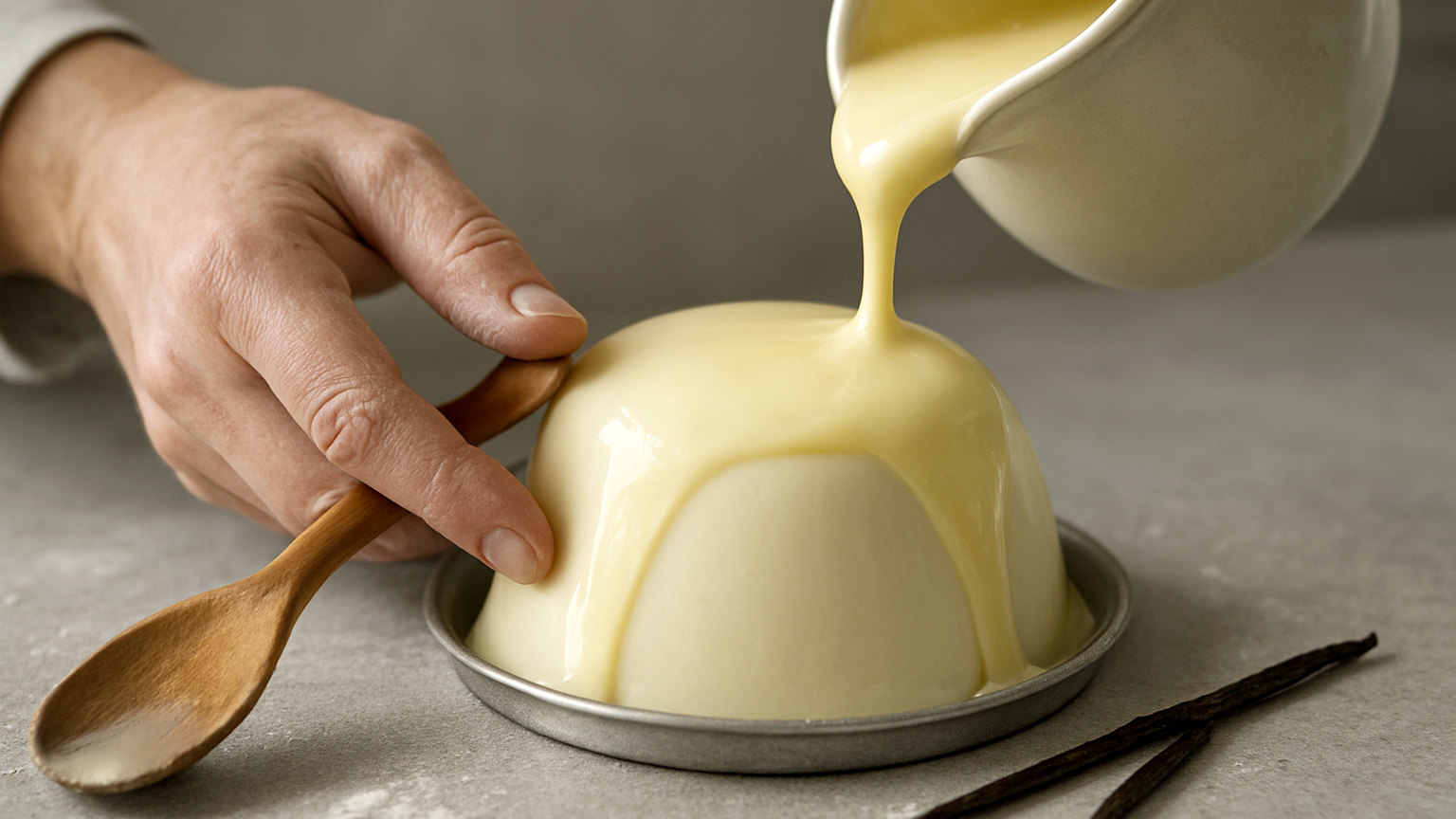
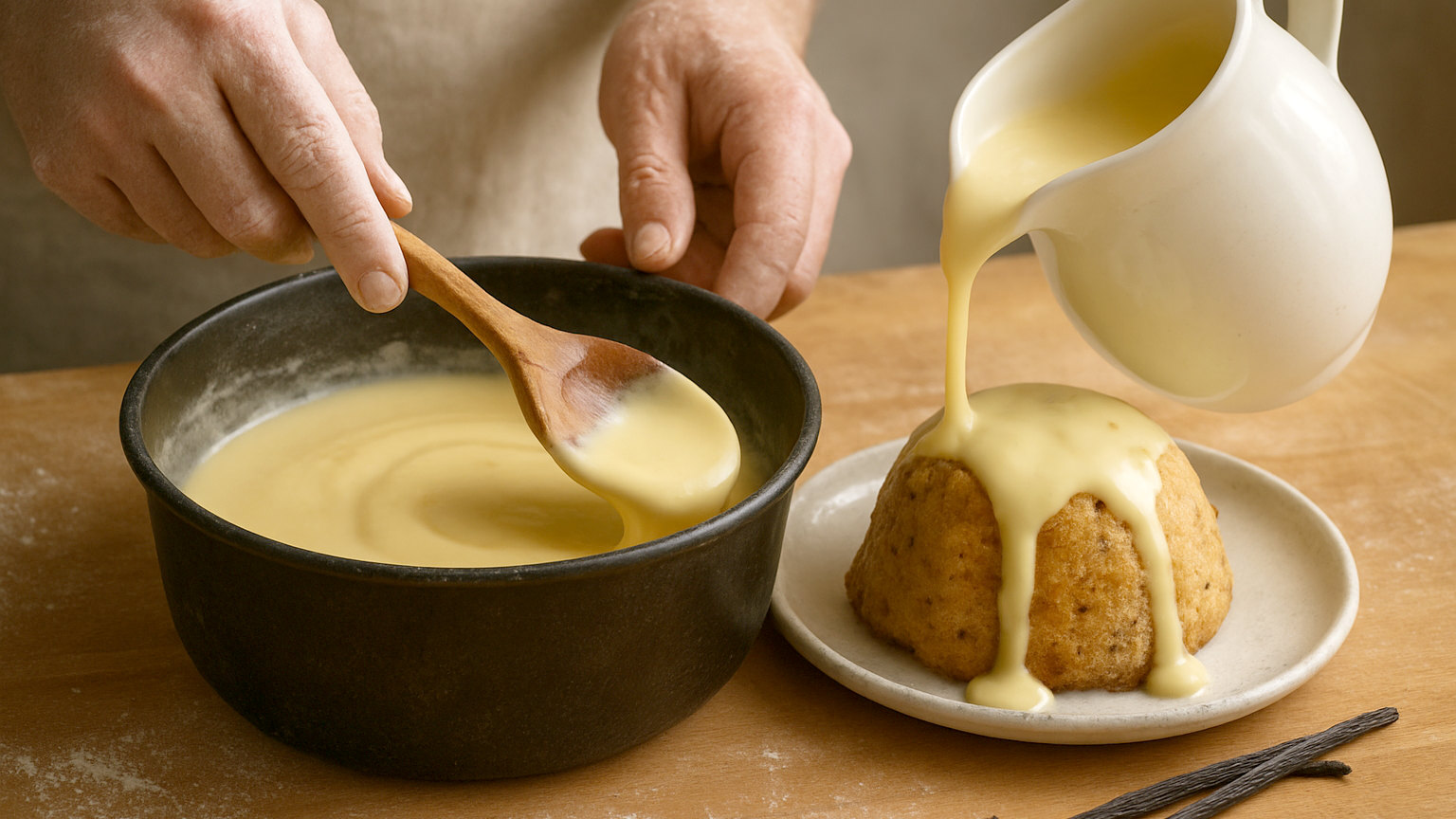
A set milk pudding turned out of a mould, thickened with cornflour rather than gelatine. Older, plainer and better than its reputation.
A rich egg custard churned or beaten as it freezes. Chilling the base overnight before churning is what makes the texture smooth.
Egg custard keeps three days and does not freeze well. Pastry cream keeps three days and does not freeze at all.
Pouring, thick set or pastry cream. Choosing the wrong one is why a trifle collapses or a tart filling runs across the plate.
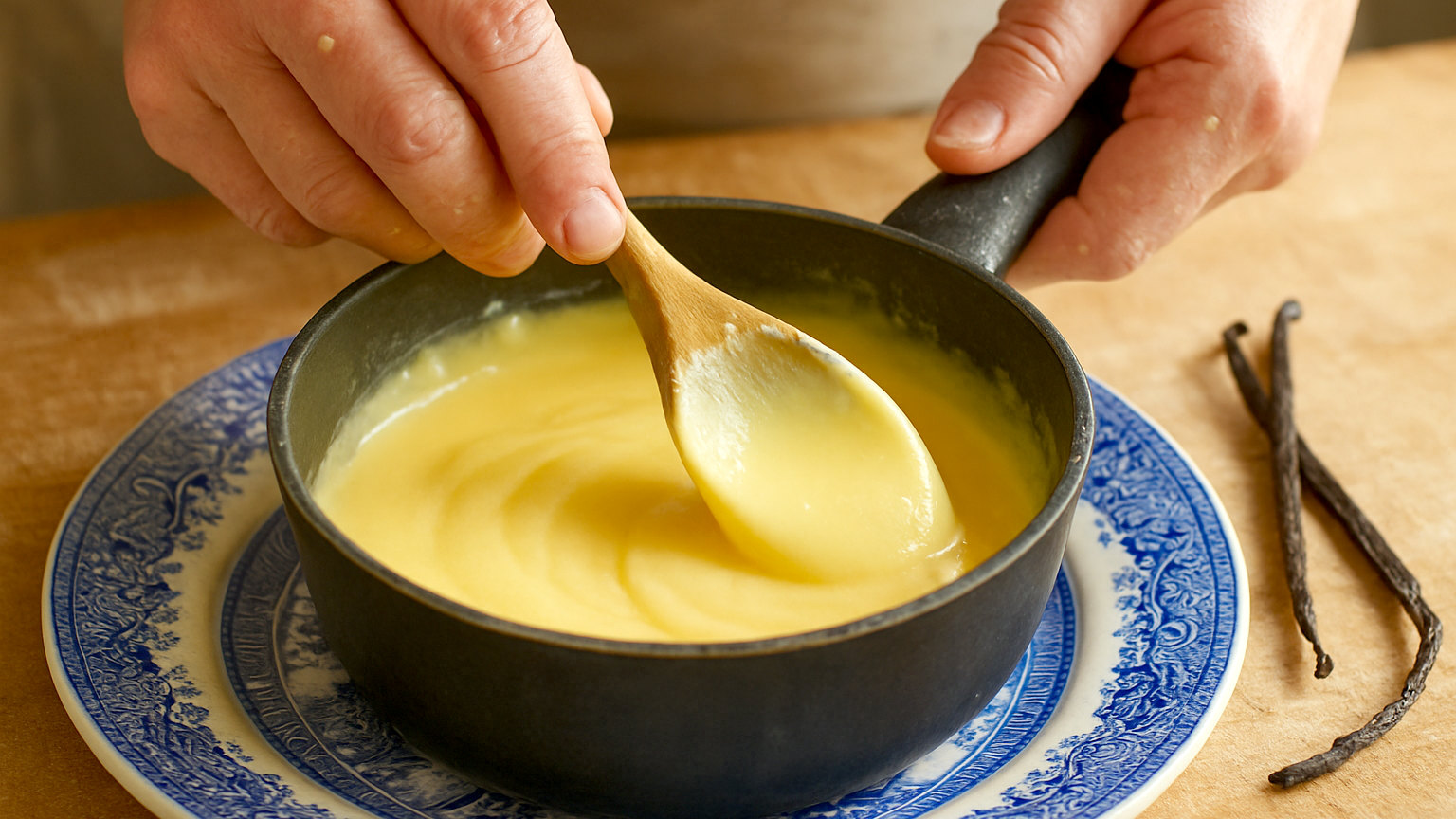
Cornflour does the setting instead. It has to be slaked in cold liquid and then properly boiled, which is the opposite of egg custard.
A thick custard set with cornflour, used to fill tarts, buns and eclairs. Unlike egg custard it must be boiled, which makes it far more forgiving.
Thick creme patissiere between two sheets of puff pastry, weighted flat while baking. The custard must be firm enough to cut cleanly.
A breadcrumb custard base, a layer of jam and a meringue top. Victorian, largely forgotten, and one of the best things in this section.
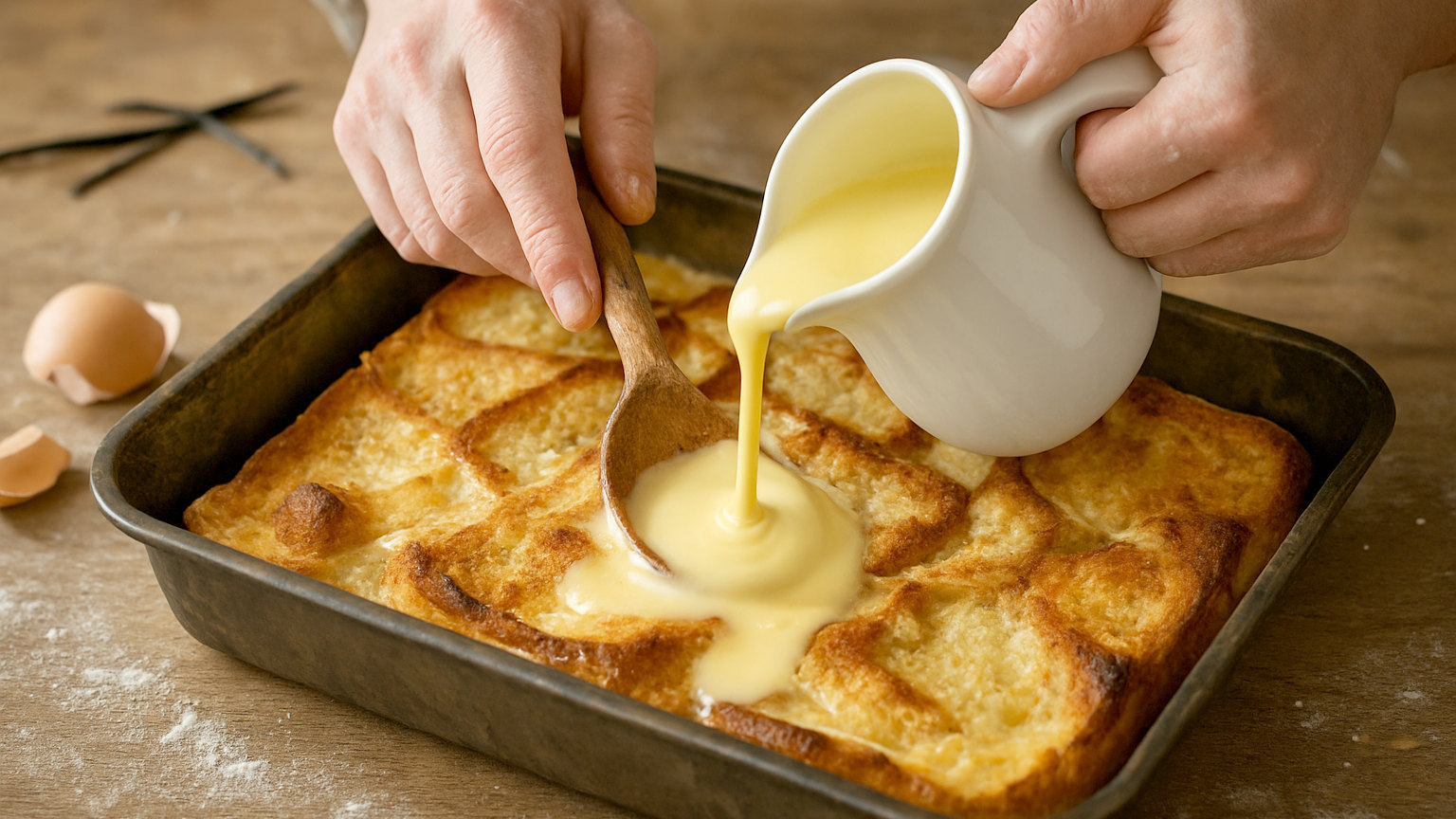
Stale bread, butter and a custard poured over, left to soak before baking. The soaking is what turns it from bread in custard into a pudding.
Pudding rice, whole milk and a very low oven for two hours. The skin on top is the best part and should not be stirred in.
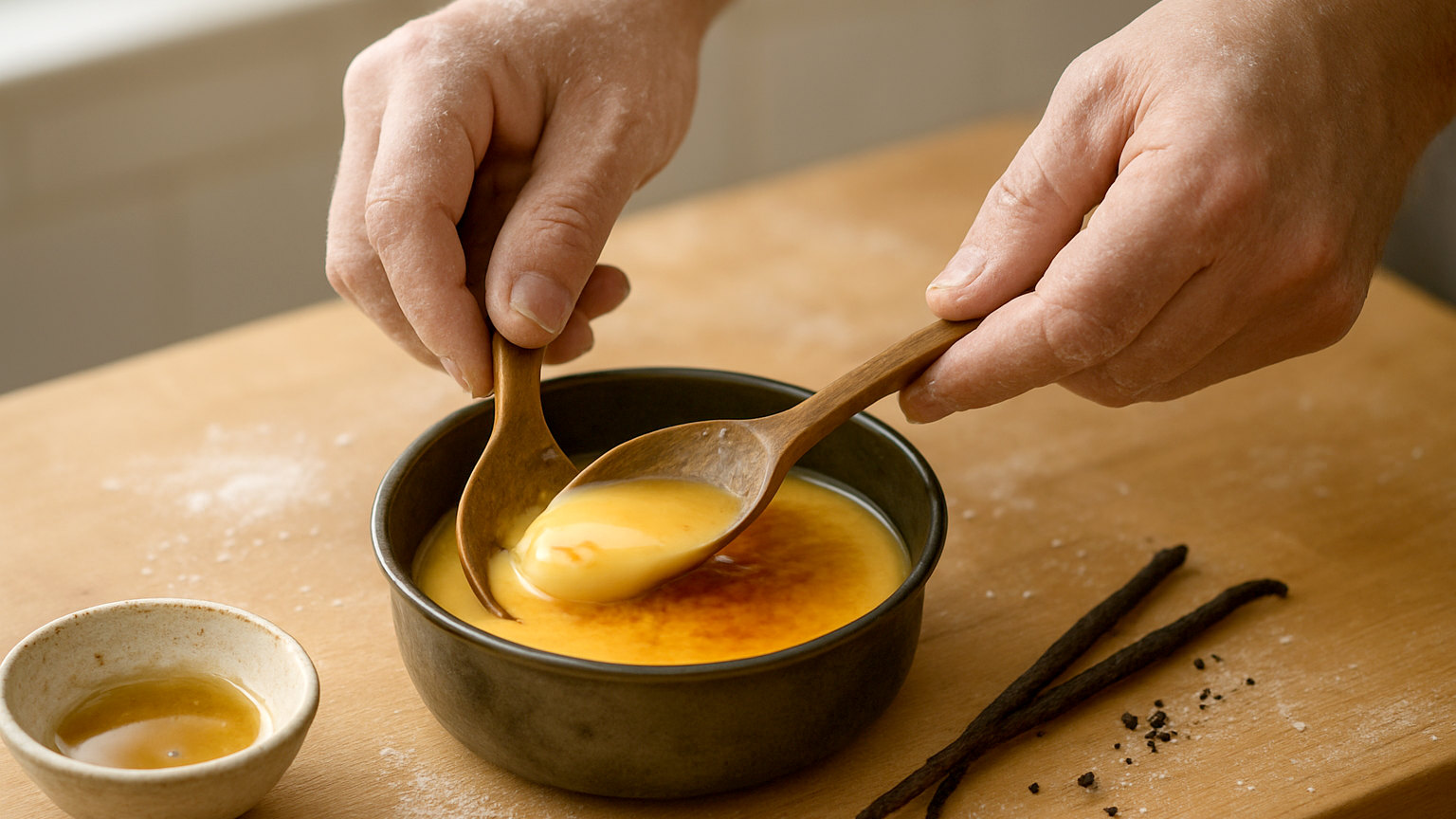
A lighter baked custard turned out with its caramel as a sauce. Made with whole eggs rather than yolks so it sets firmly enough to stand.