What Do You Serve With a Pasty?
Traditionally nothing at all, since it is a complete meal in the hand. On a plate it wants something sharp and something green.
By UK Recipes
12 Aug 2026

Cornish pasties, sausage rolls and savoury turnovers - the pastry, the crimp, and what goes in raw.
Traditionally nothing at all, since it is a complete meal in the hand. On a plate it wants something sharp and something green.
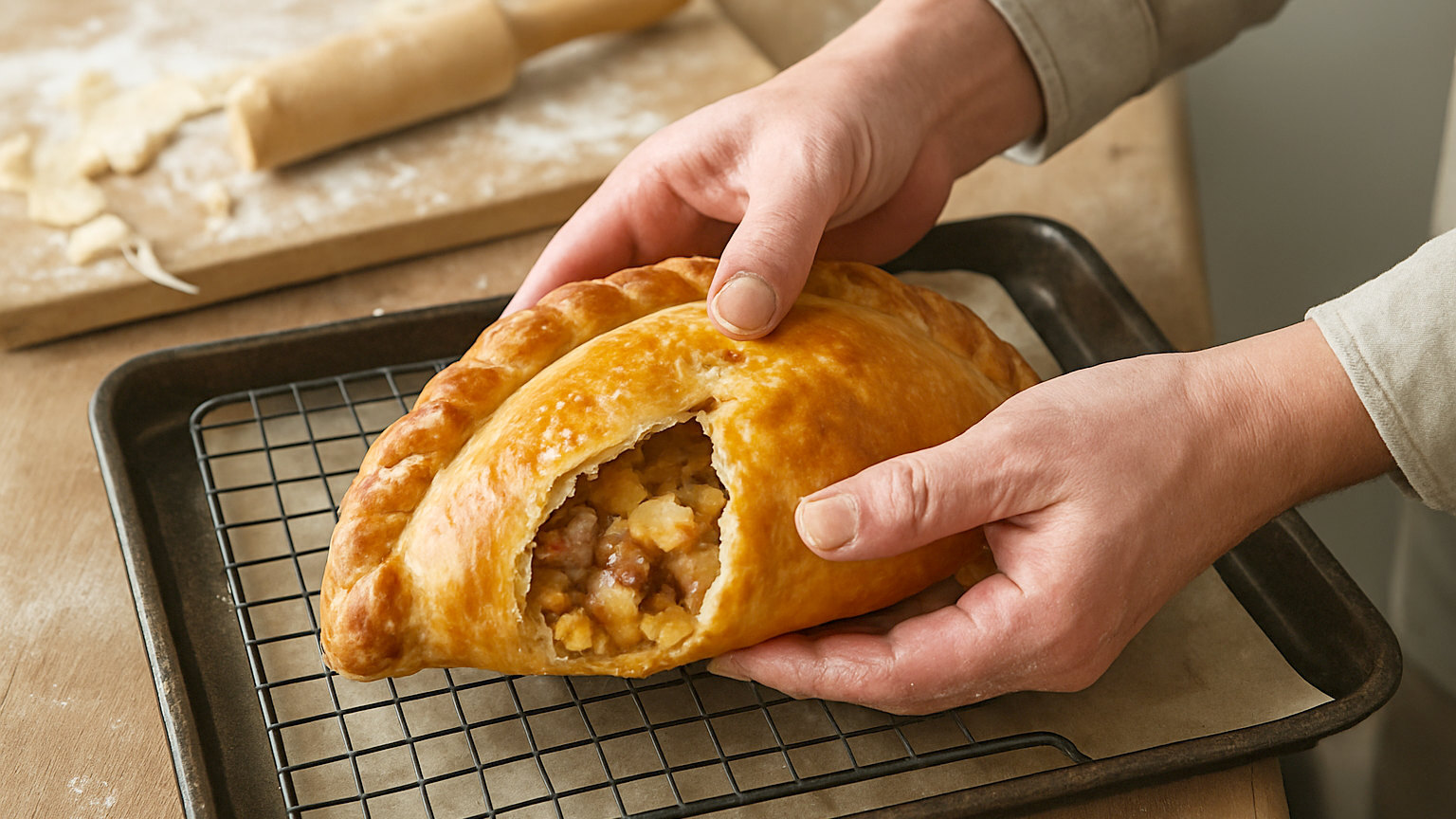
The oven, always. A microwave turns the pastry soft and slightly leathery in about ninety seconds and there is no way back from it.
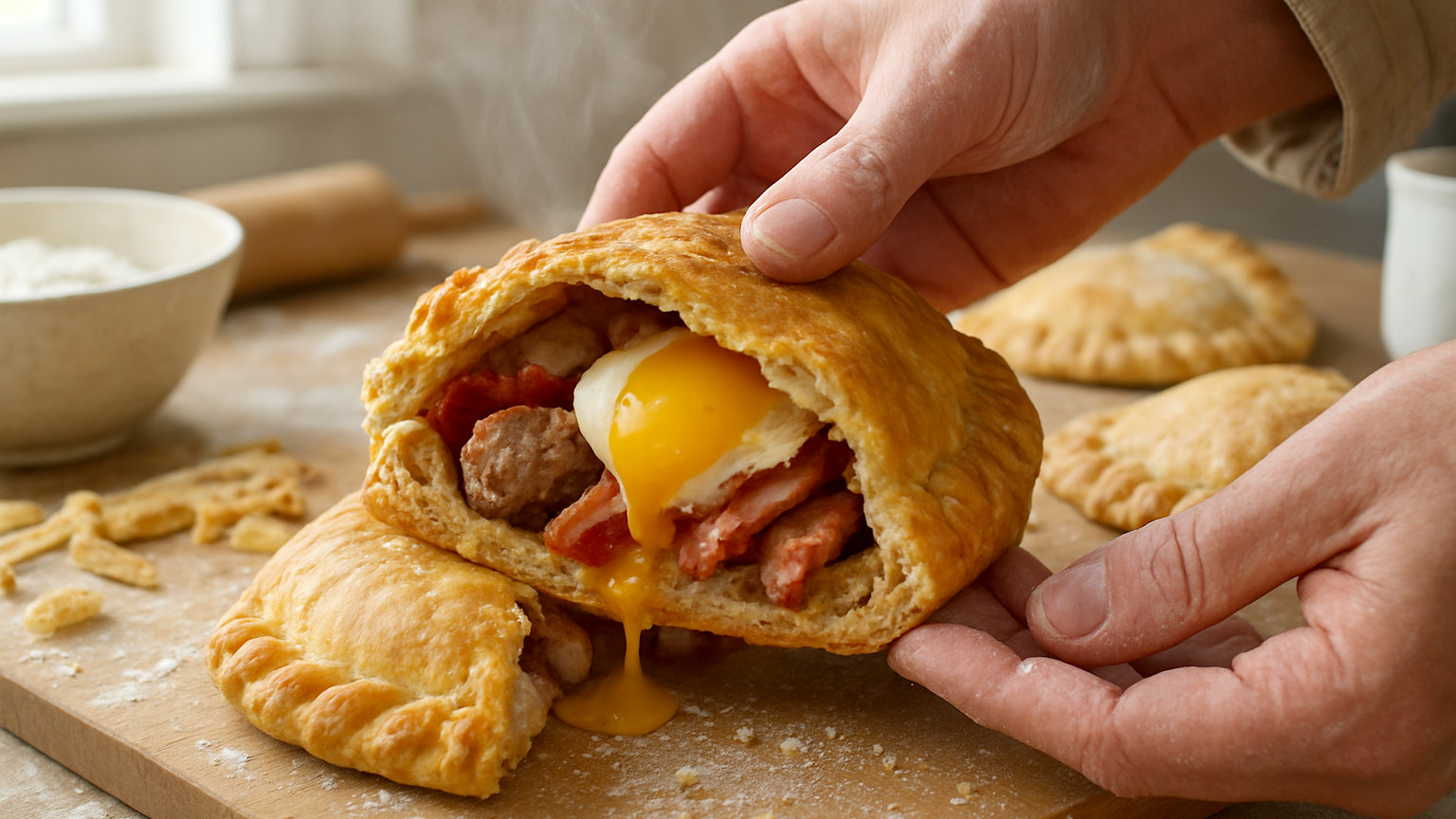
A full breakfast in pastry. The trick is cooking everything first except the egg, which goes in raw and sets inside as it bakes.
Almost every part of Britain developed its own portable pie. The Forfar bridie has no potato and the Bedfordshire clanger has pudding at one end.
Freeze them raw and bake from frozen, which gives a far better result than freezing them cooked. They are one of the best things in a freezer.
Overfilling, trapped air, a dry edge or a wet filling. Four causes, all decided before the pasty goes into the oven.
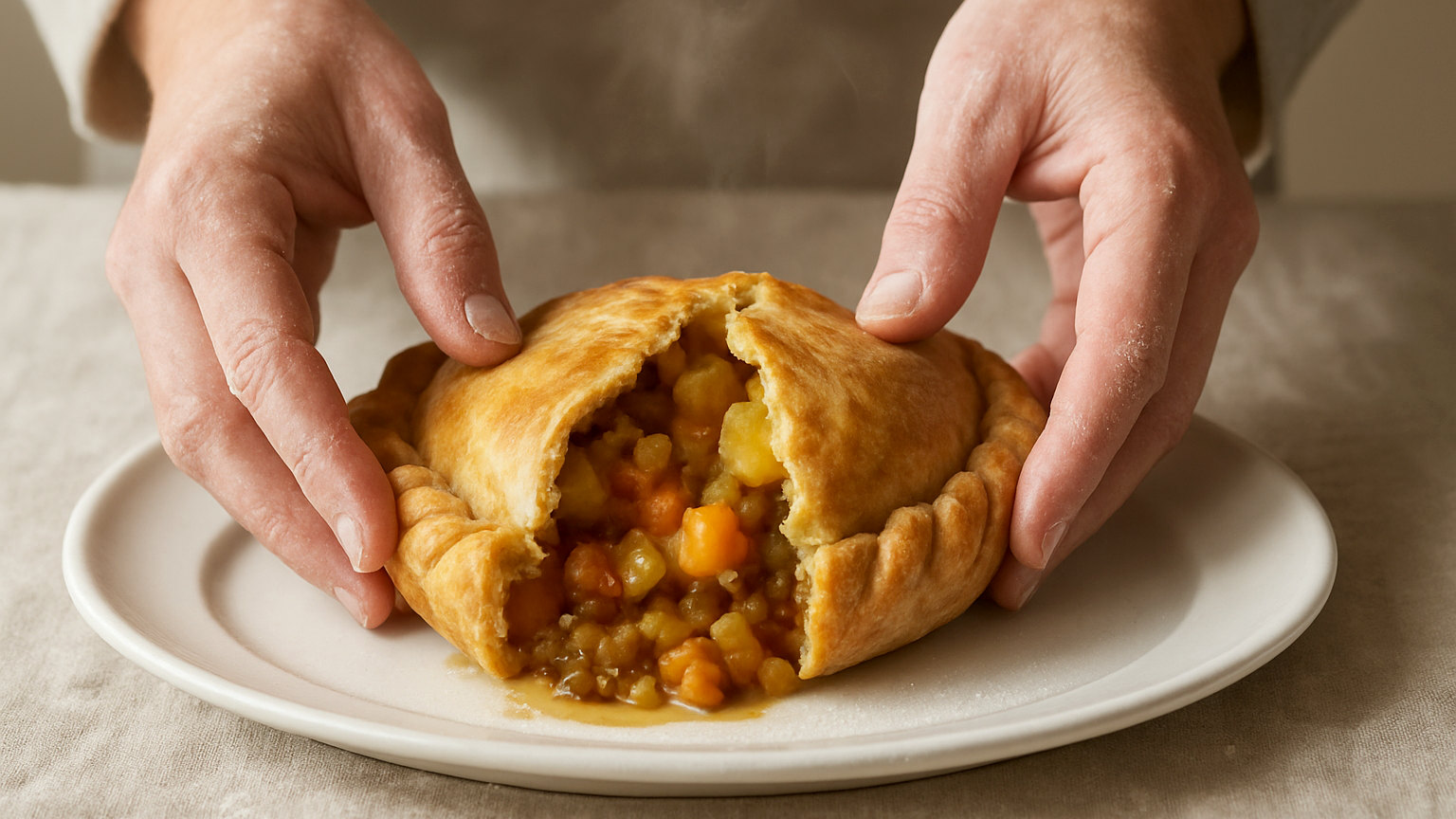
A vegetable pasty needs something to replace what the beef was doing. Lentils give body and a strong savoury base gives the depth.
The onions have to be cooked down first and the potato has to be diced small. Raw onion in a cheese pasty produces a puddle rather than a filling.
Ordinary shortcrust is too fragile for a pasty. Strong flour gives it the structure to survive an hour in the oven and being picked up afterwards.
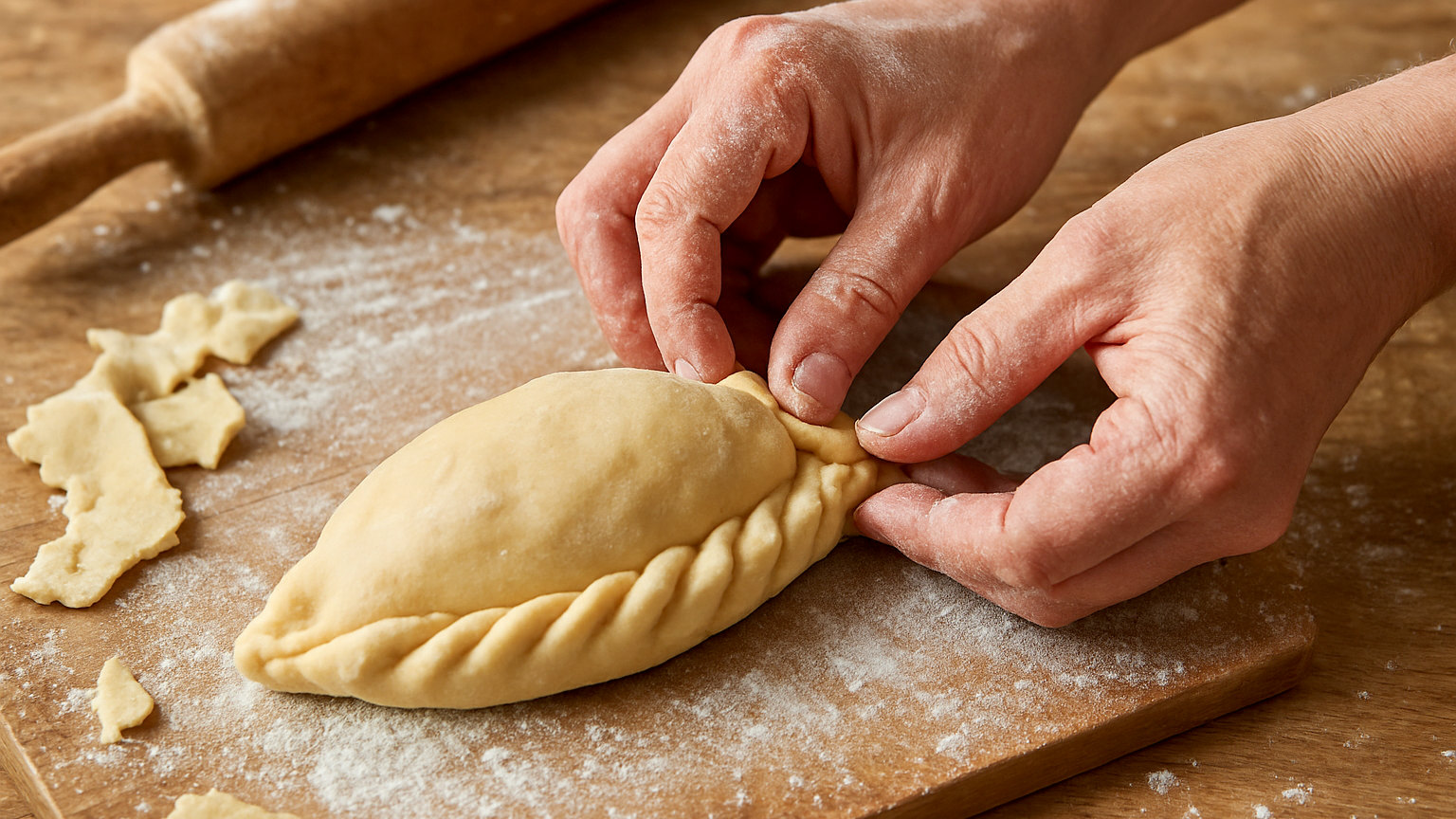
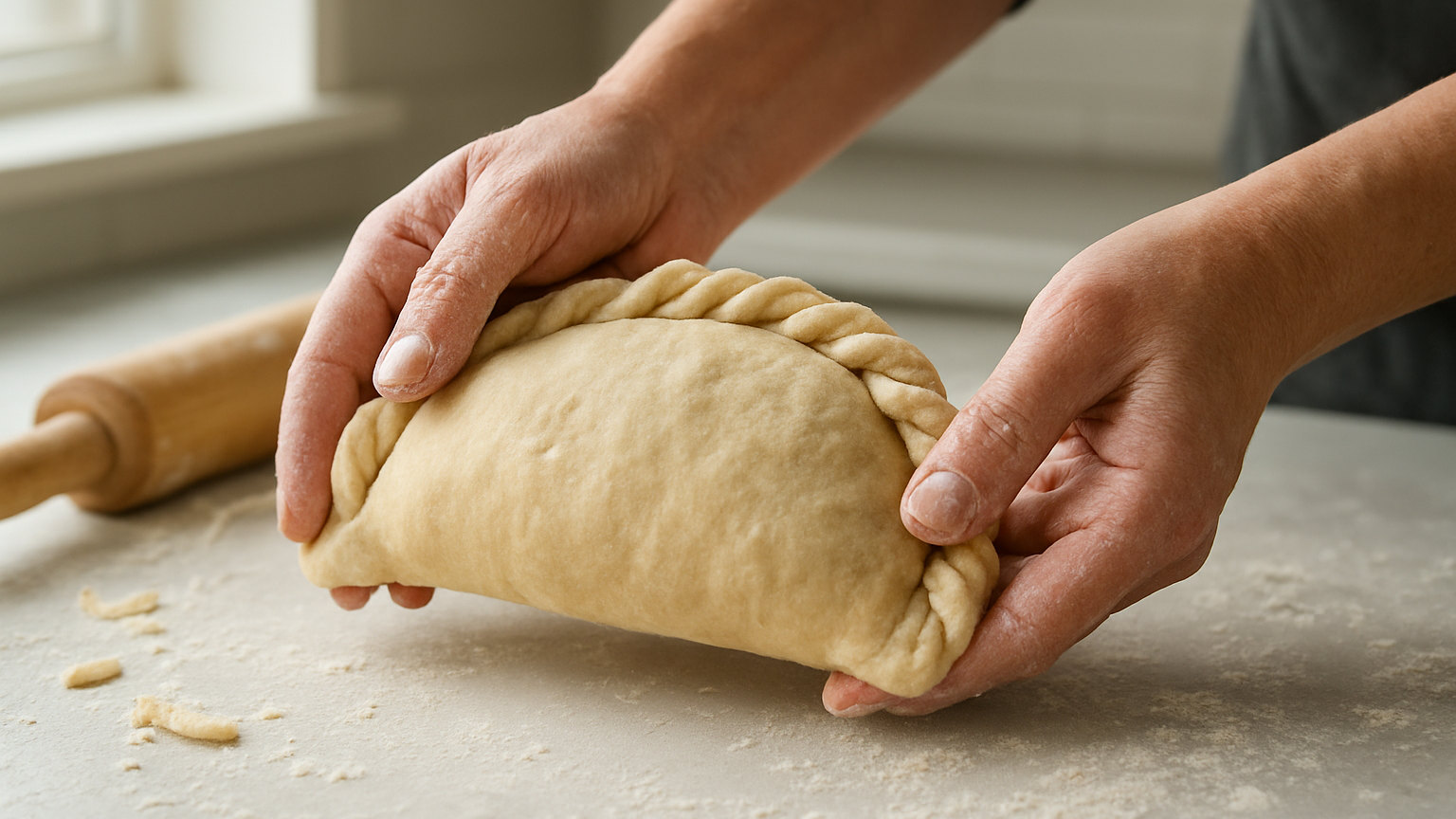
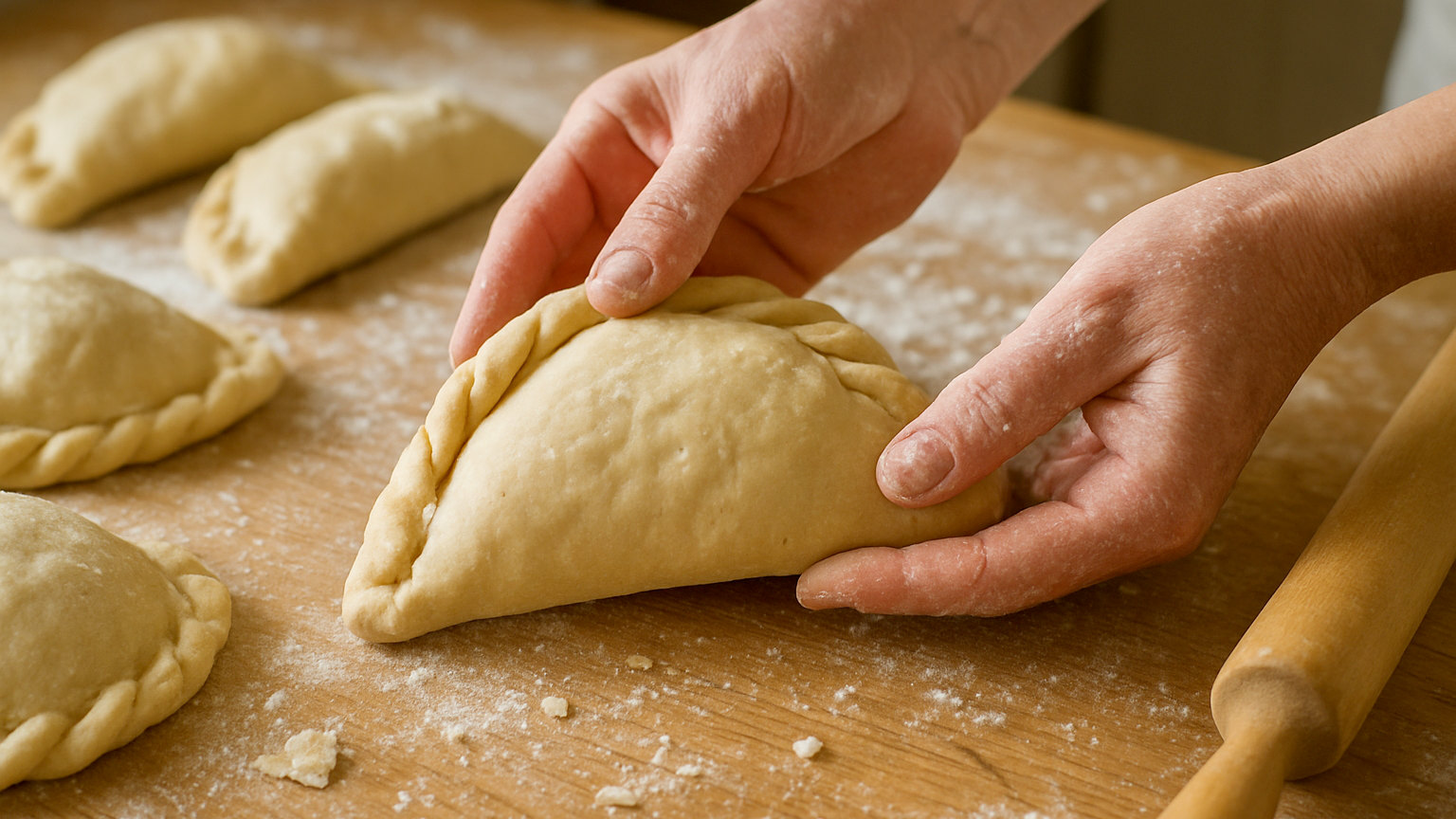
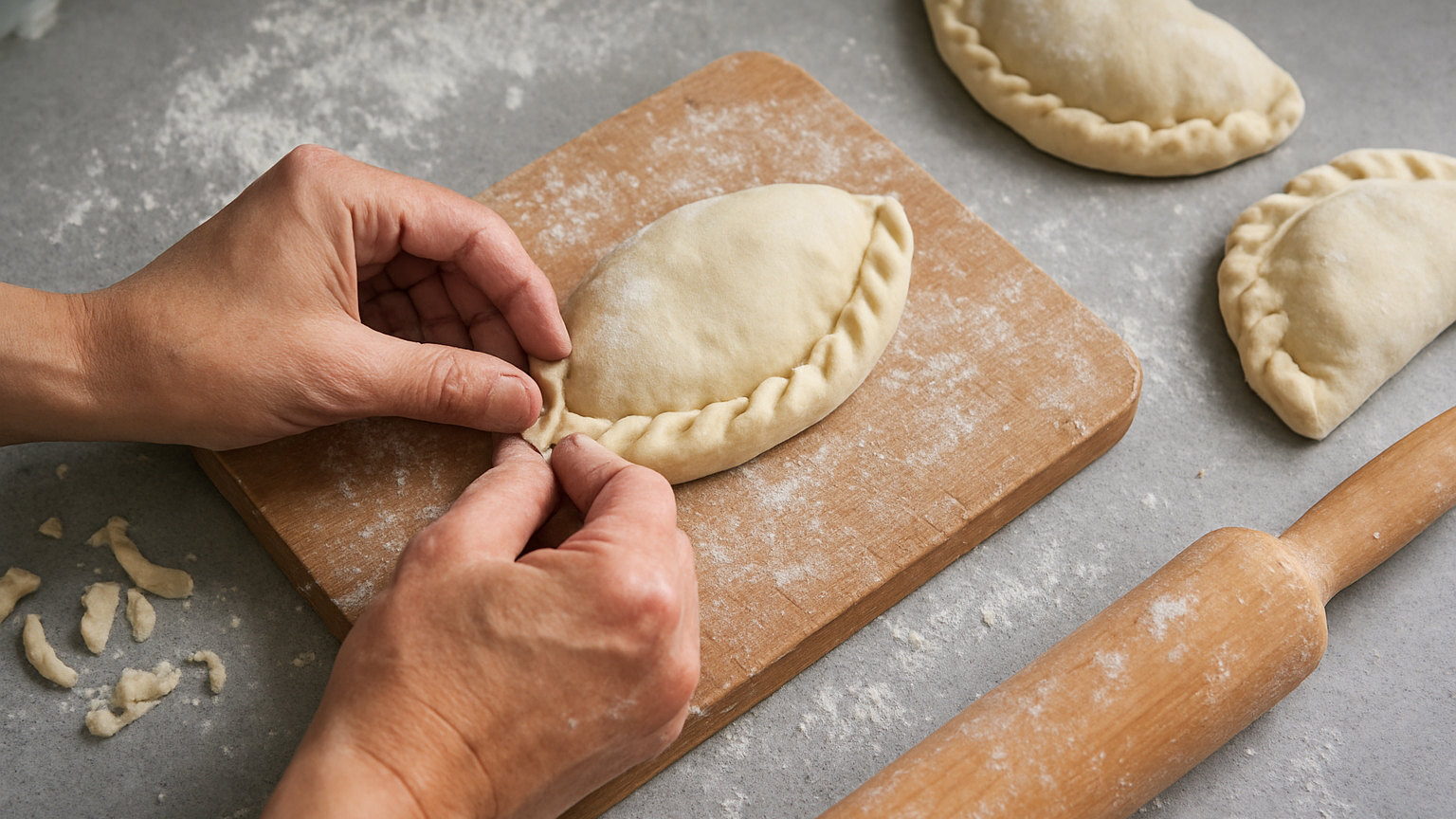
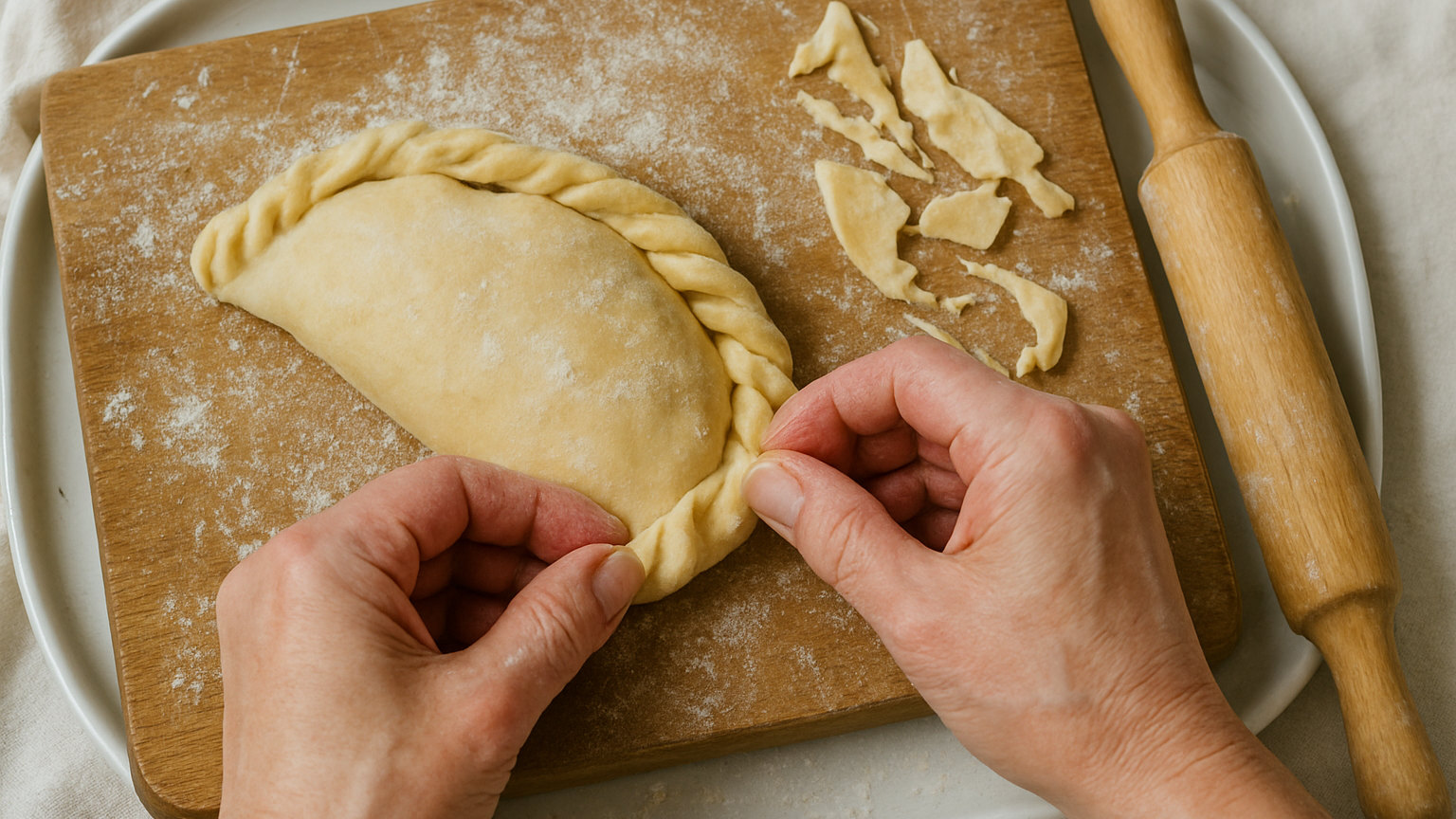
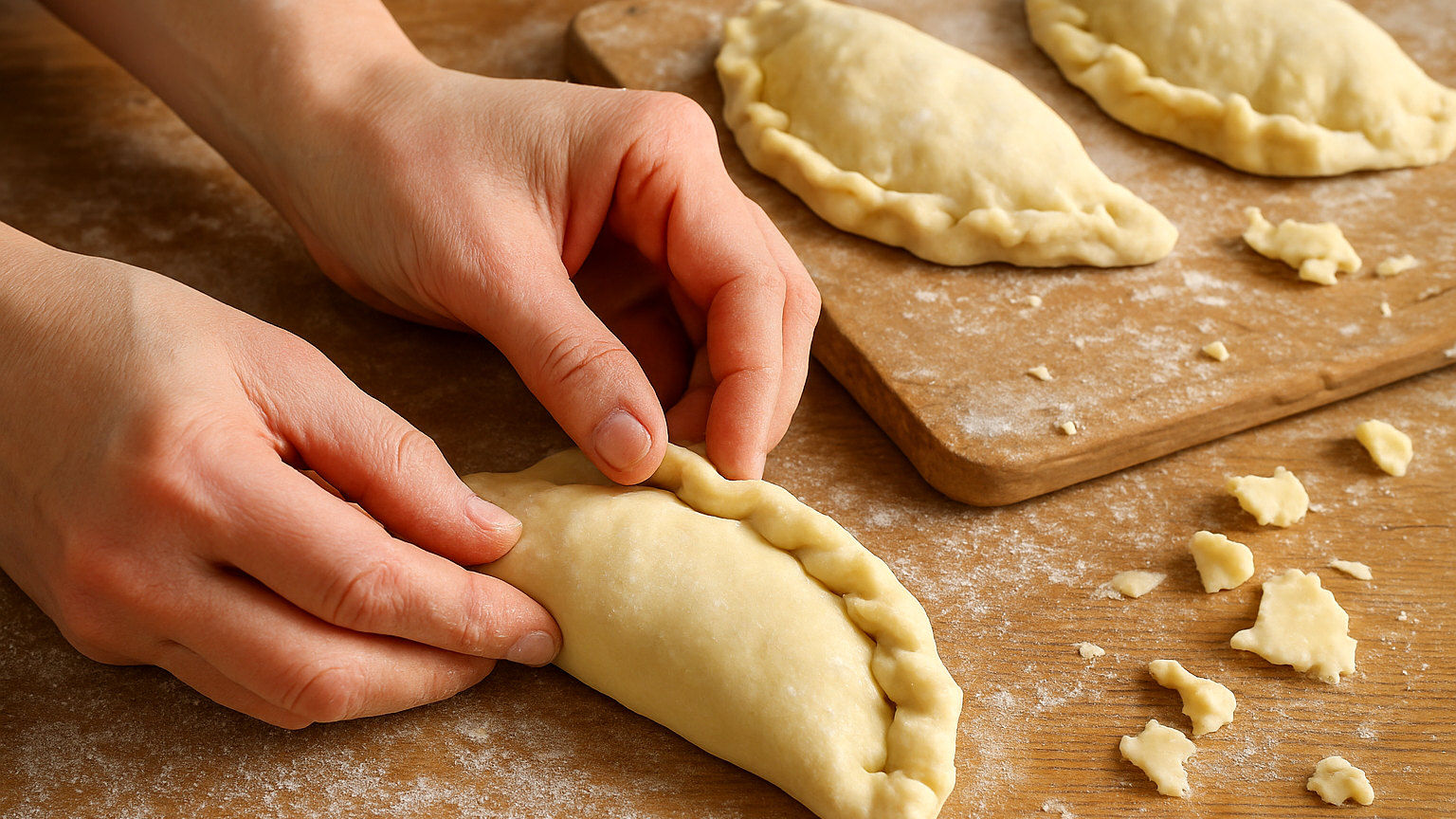
The crimp is a seal, not decoration. Done properly it holds the pastry shut through an hour in the oven, and it takes about twenty of them to get right.
It has protected status, which means the recipe and the place of making are both defined in law. The crimp is on the side and there are no carrots.
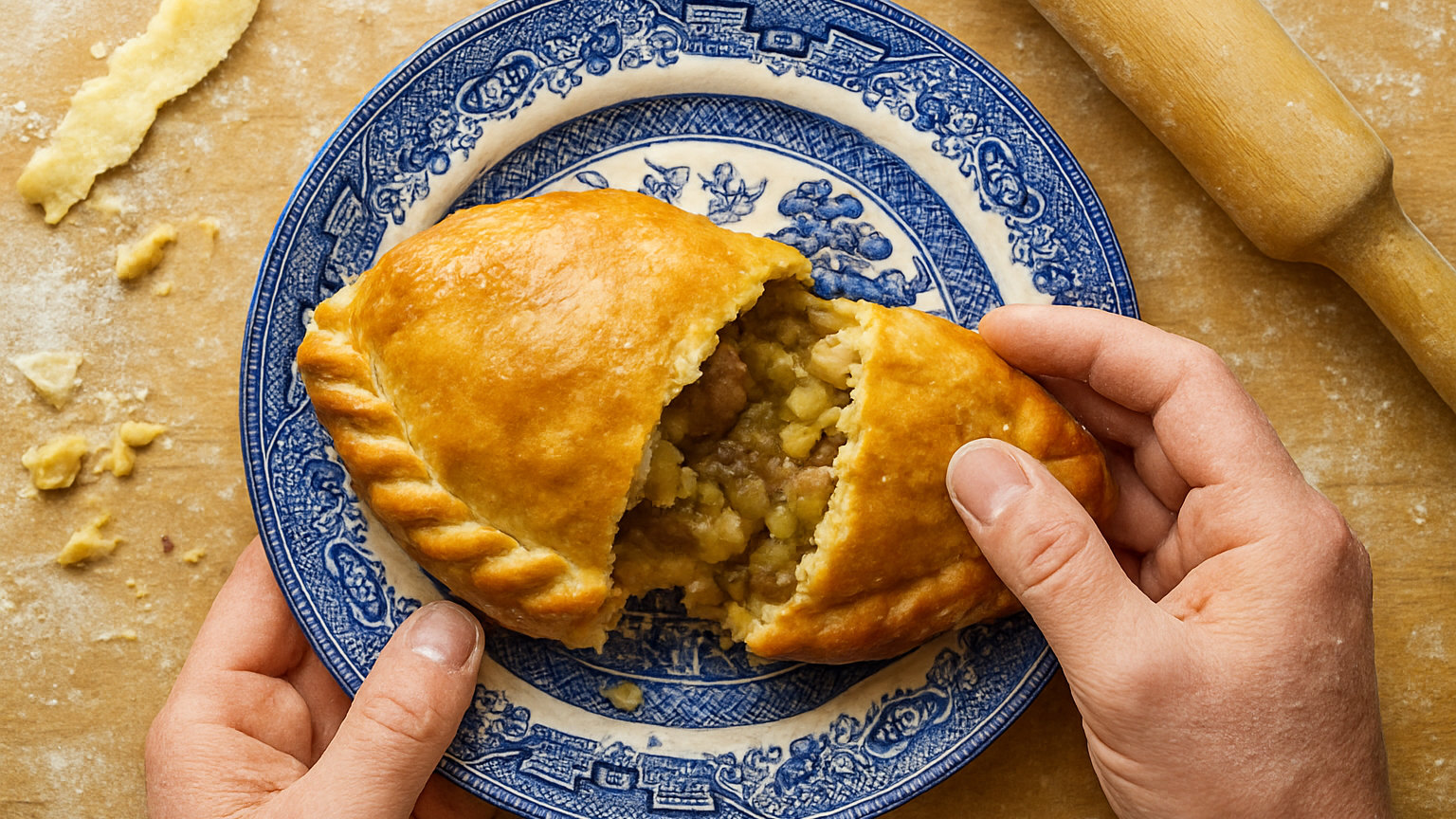
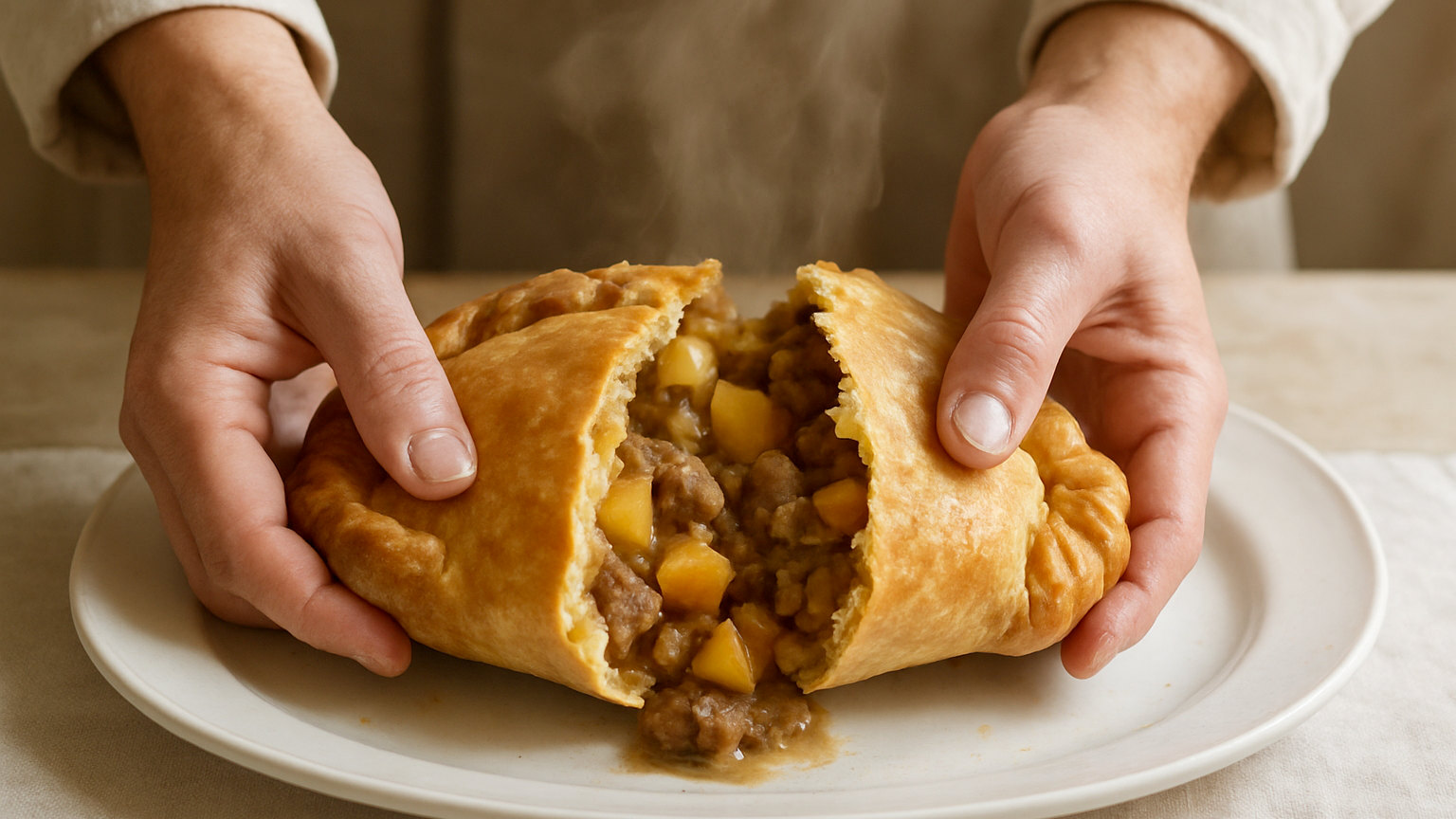
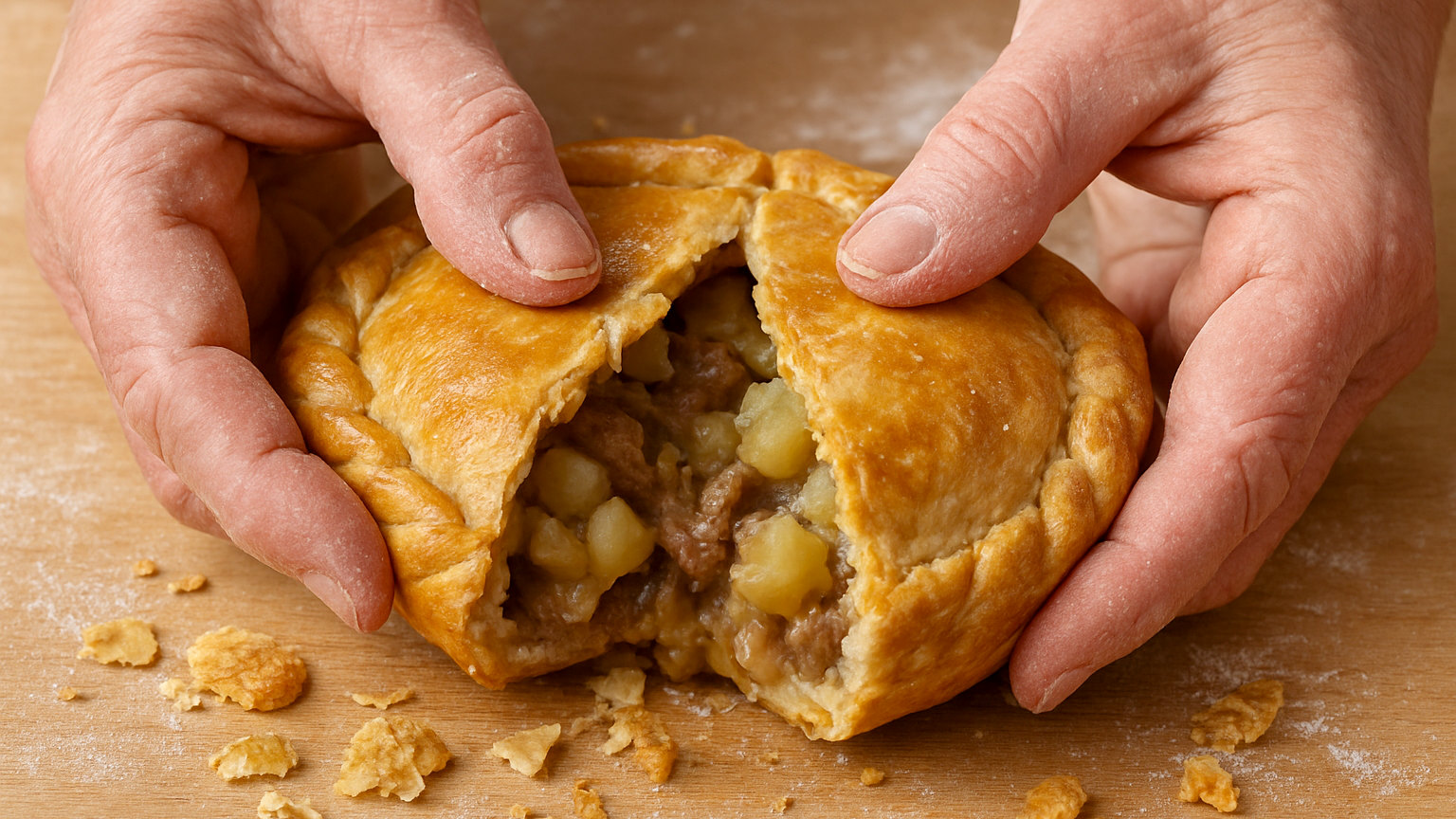
Beef, potato, swede and onion, all raw, in a strong pastry that can survive being carried down a mine. The filling cooks inside the pastry.