Biscuit Dough You Can Freeze
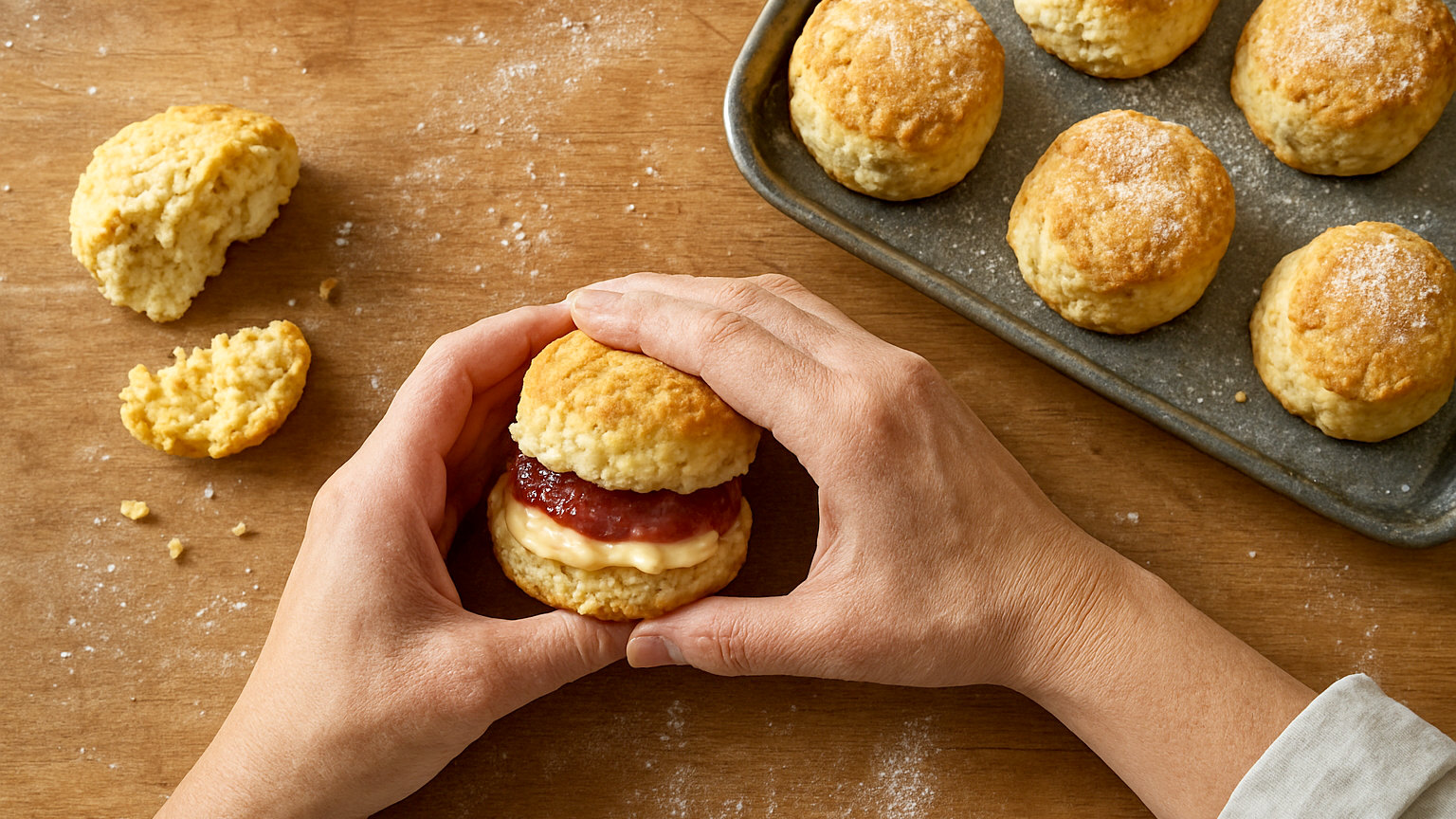
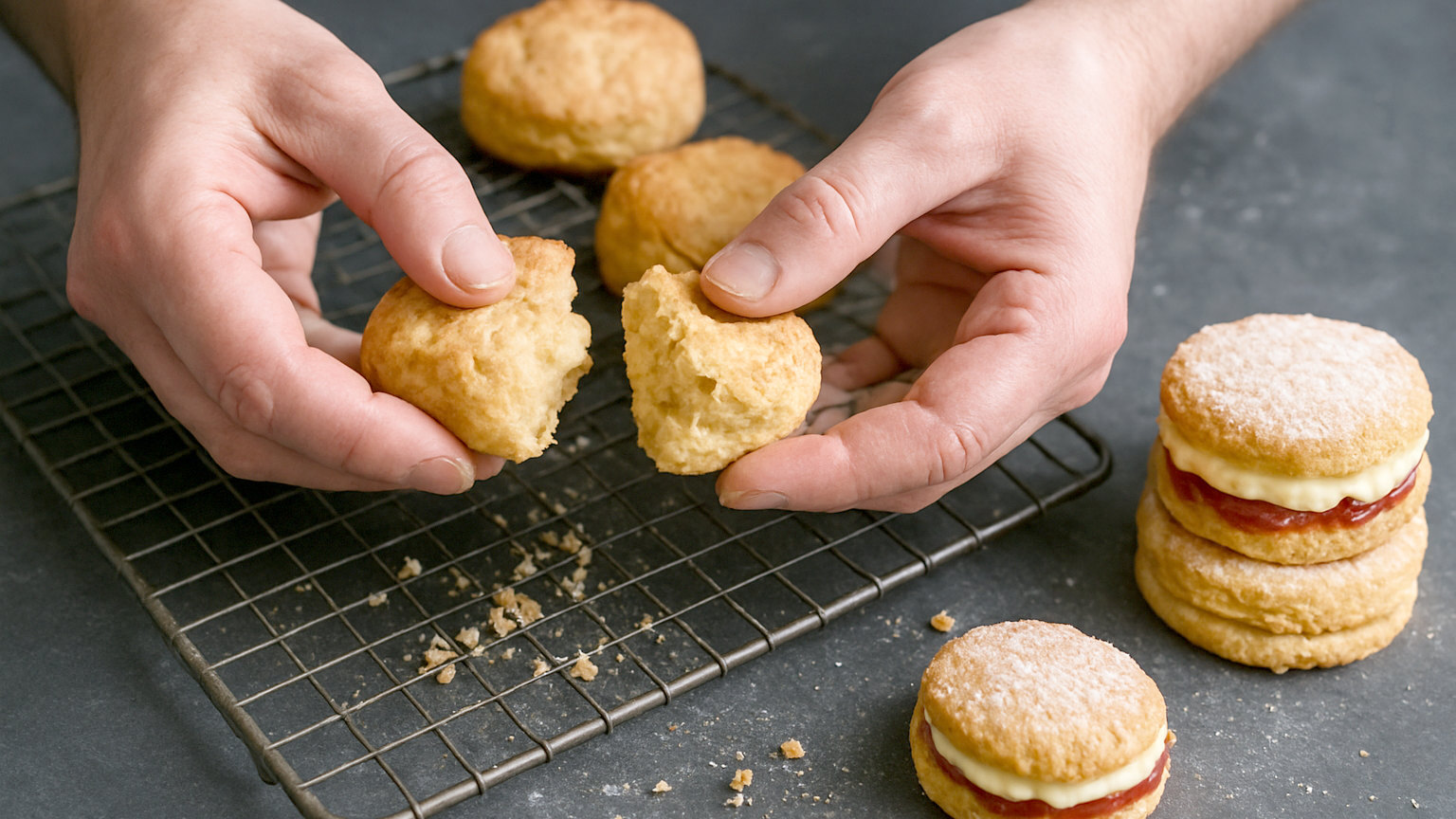
Portion it raw and bake from frozen. Six fresh biscuits in fifteen minutes is a better proposition than twenty going stale in a tin.
By UK Recipes
14 Aug 2026

Shortbread, flapjacks, gingerbread and digestives - the chill, the bake, and why they firm up as they cool.
Portion it raw and bake from frozen. Six fresh biscuits in fifteen minutes is a better proposition than twenty going stale in a tin.
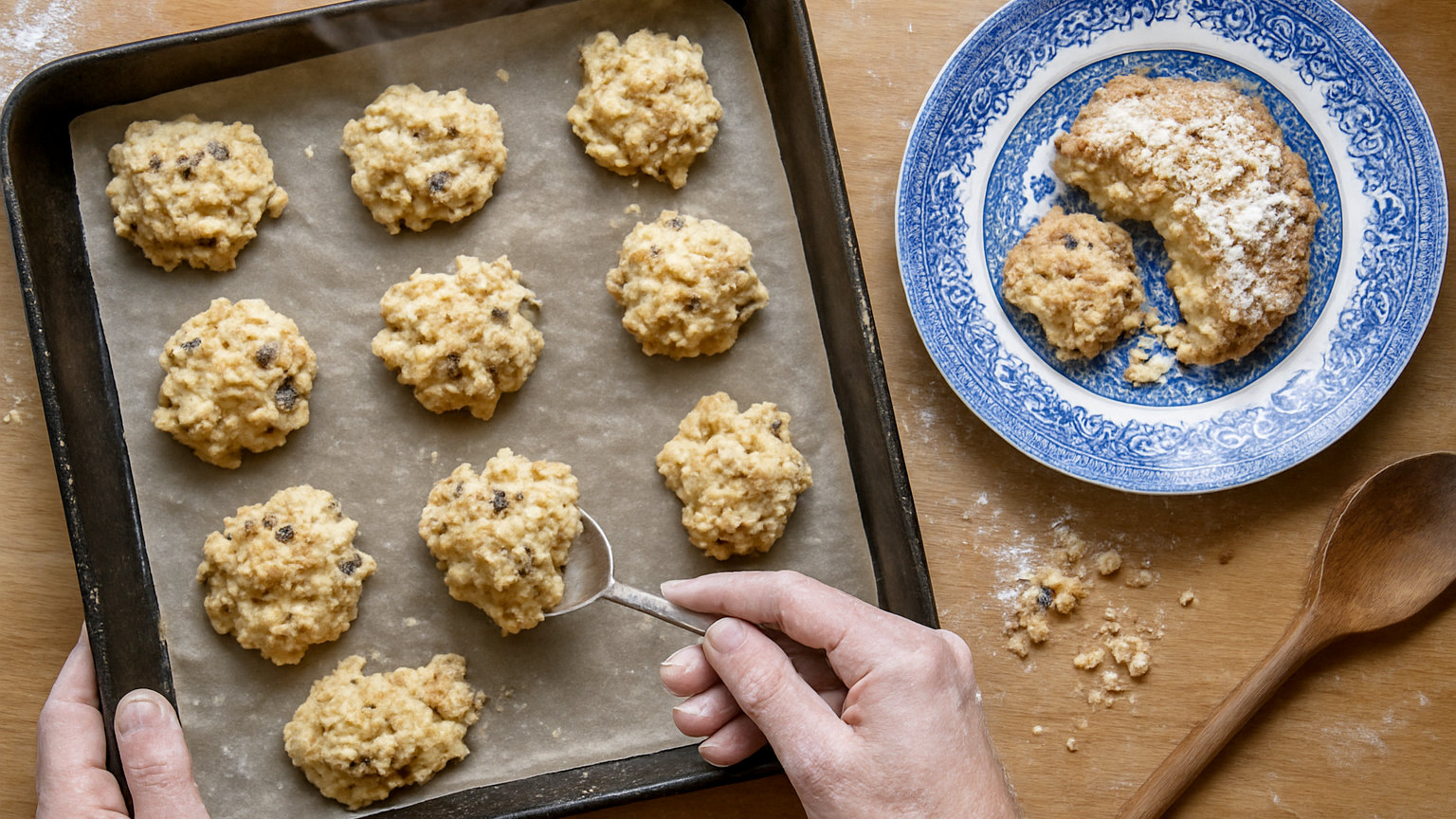
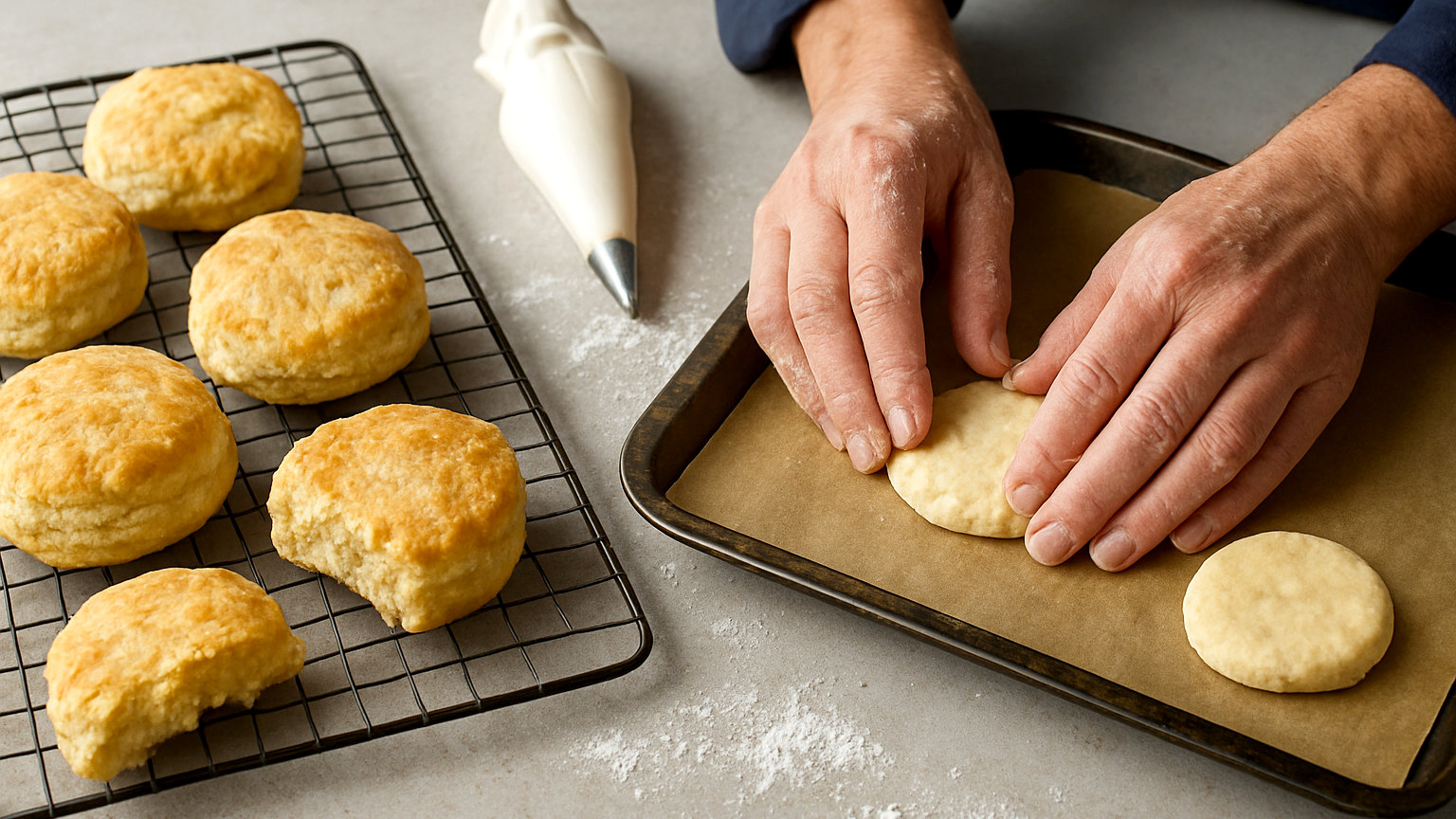
Rubbed in like pastry and spooned onto the tray in rough heaps. The rough shape is the point and smoothing them ruins the texture.
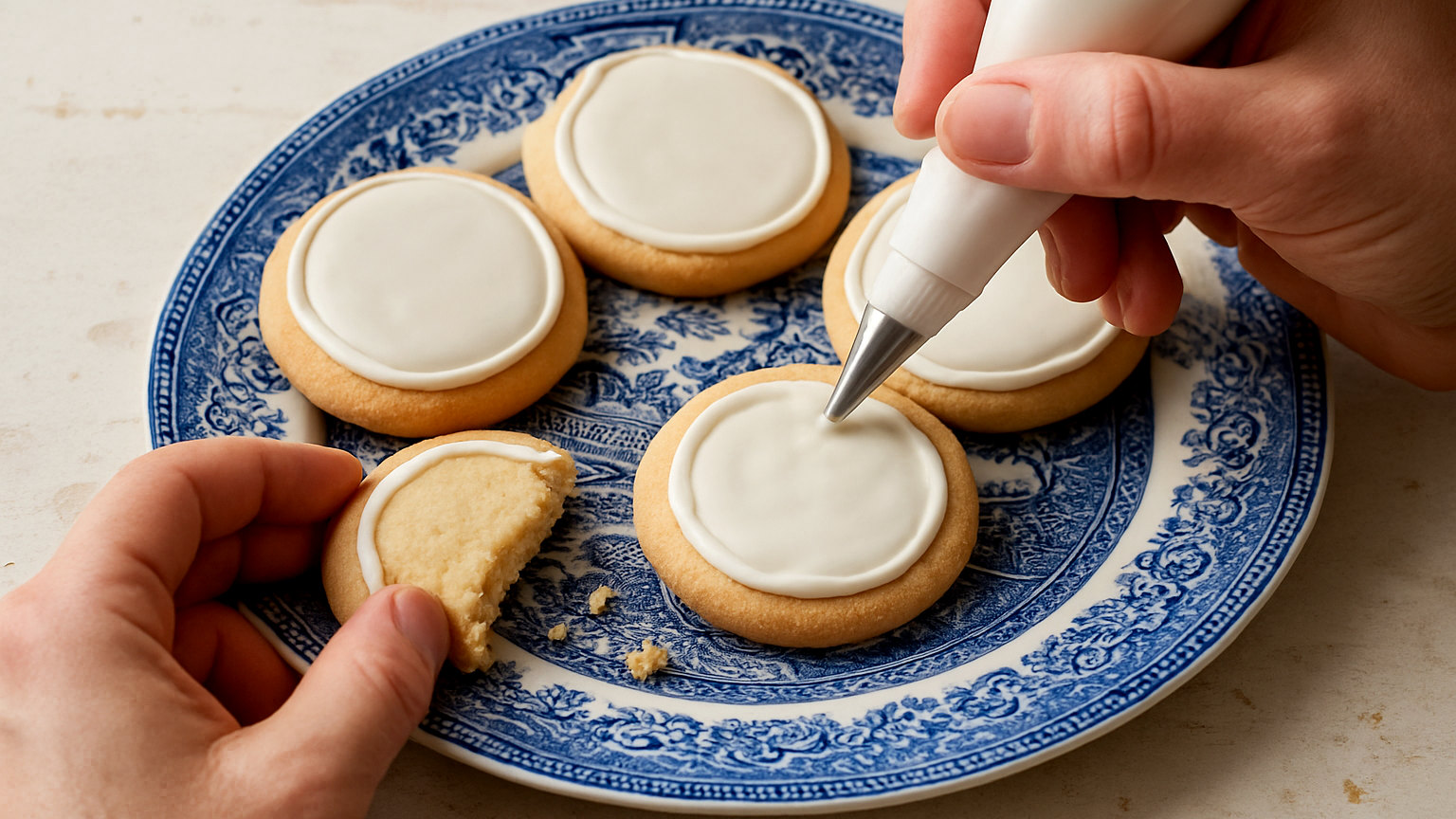
Two consistencies of the same icing: a firm one to outline and a looser one to flood. Getting the thickness right is most of the job.
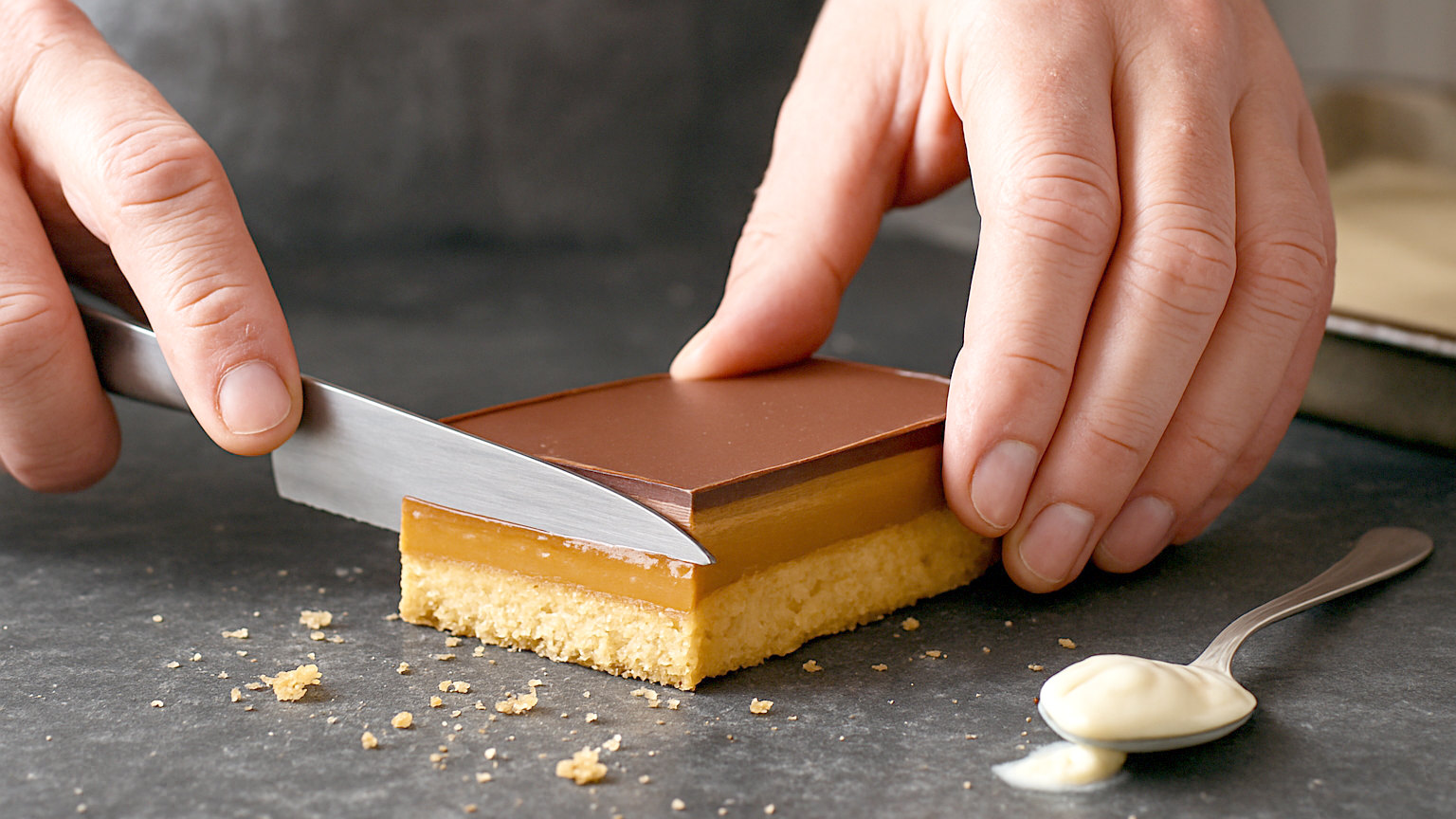
Three layers, and the caramel is the one that decides it. It must be boiled properly or it will not set and will run out when cut.
Airtight, at room temperature, and never in the same tin as a soft biscuit. Moisture moves from one to the other overnight.
Sugar type, fat, flour and baking time each pull in a direction. Change one and you can move the same recipe from soft to snapping.
Warm dough, warm trays or too much sugar. Chilling the shaped biscuits before they go in fixes most of it.
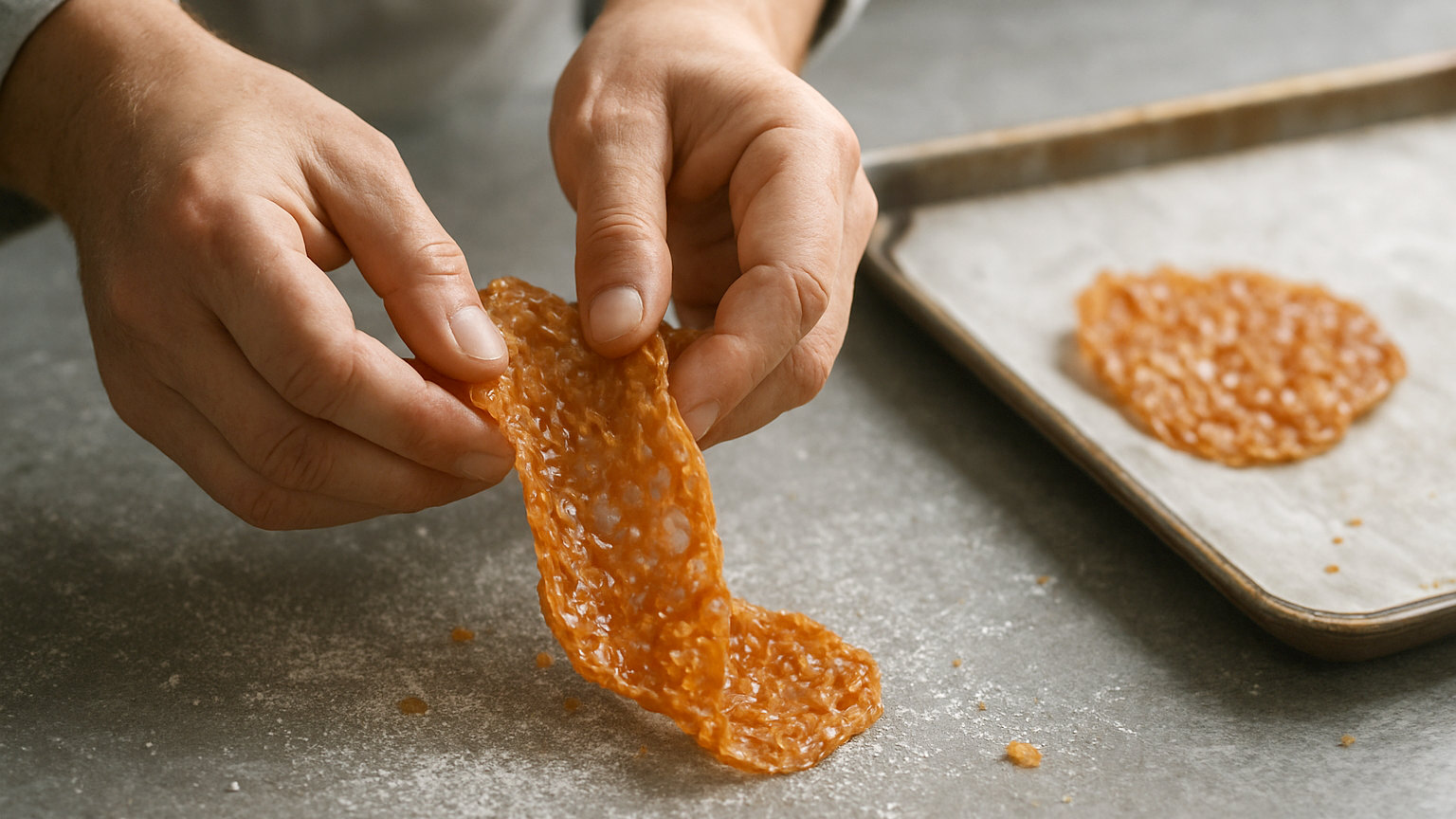
A lace biscuit that has to be shaped in the twenty seconds before it hardens. Work in small batches or you will be reheating the tray constantly.
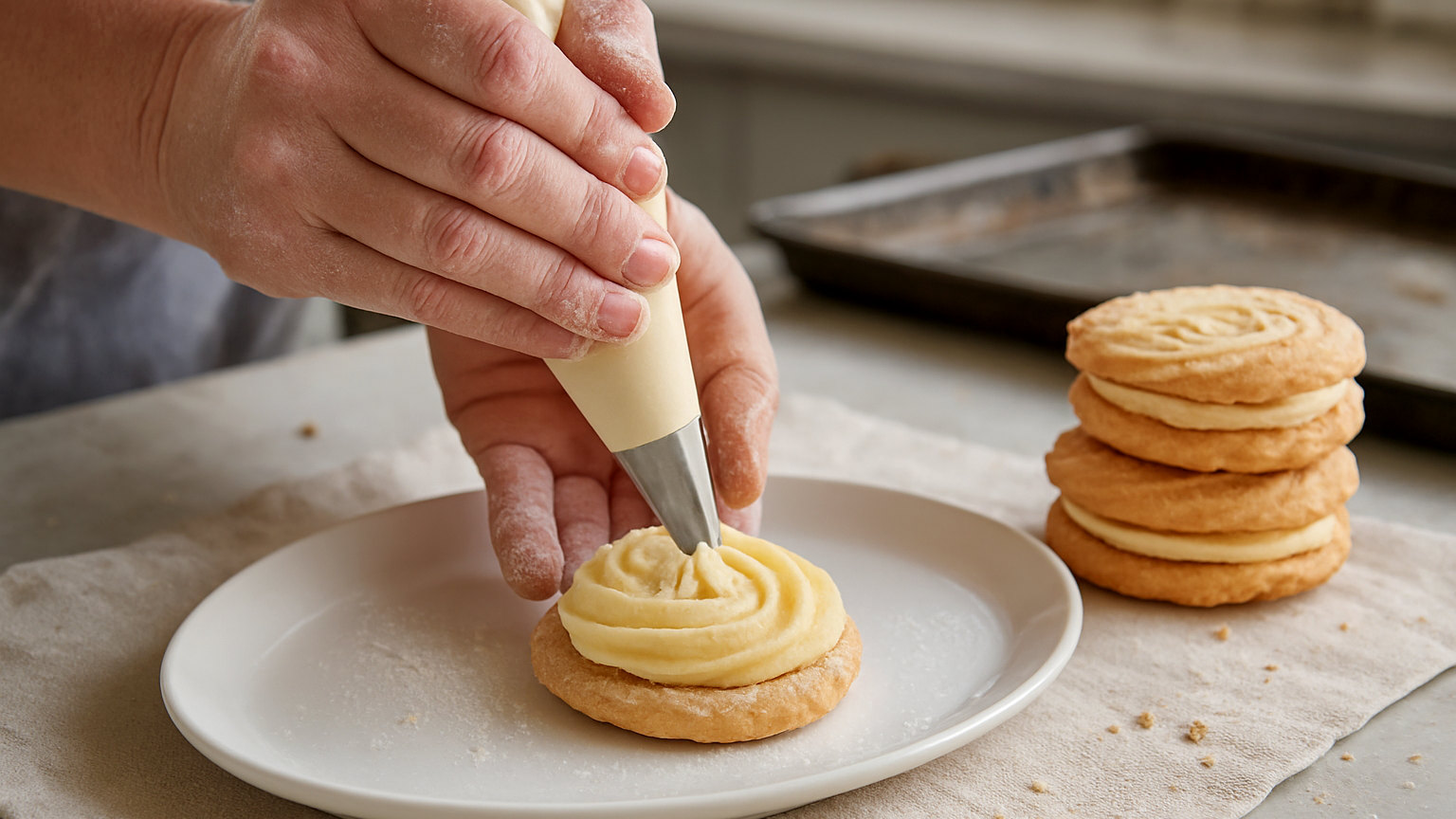
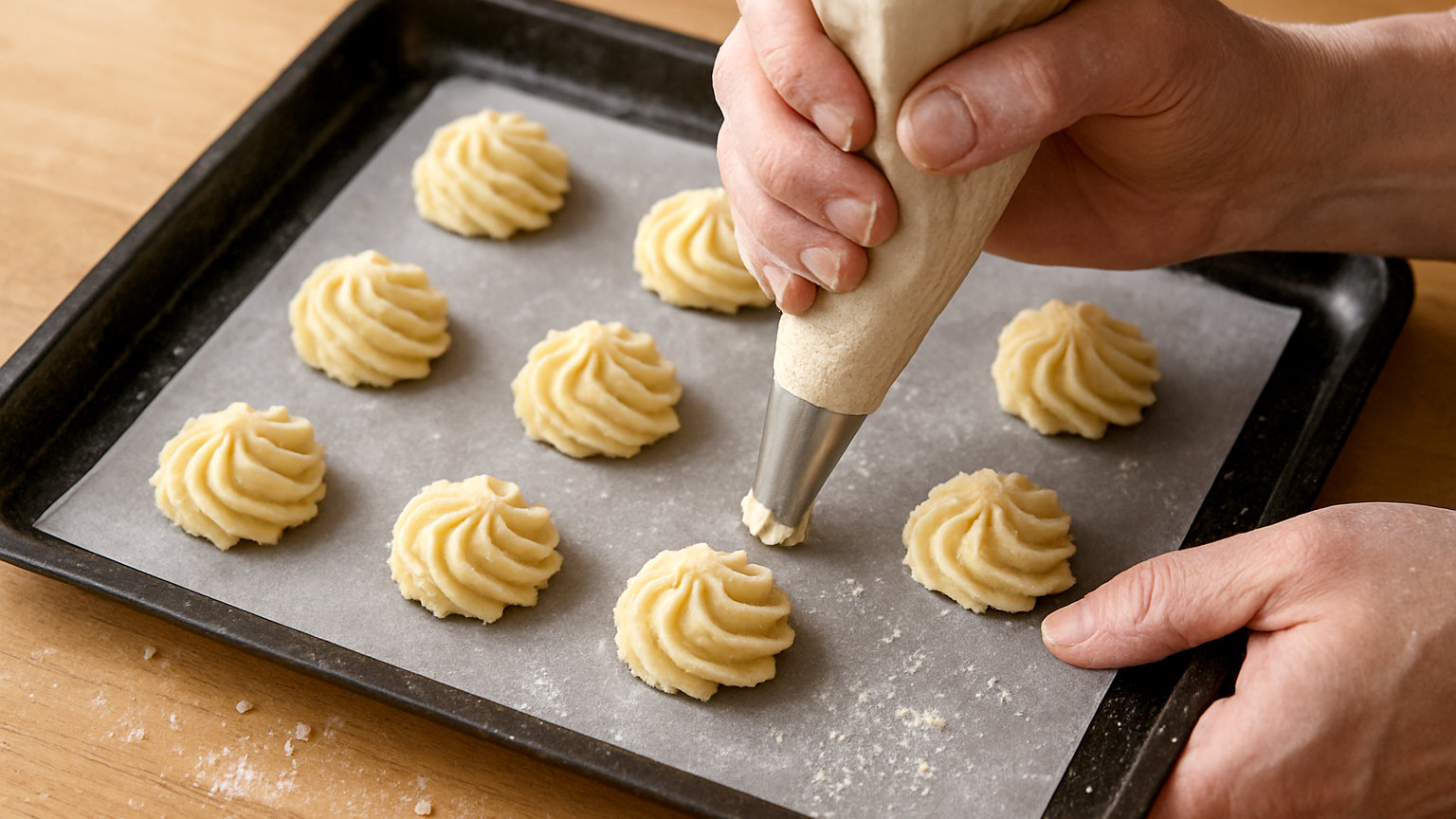
A piped butter biscuit that melts in the mouth, sandwiched with buttercream and jam. The dough must be soft enough to pipe but firm enough to hold the ridges.
Ganache or chocolate buttercream, and they behave quite differently. Ganache sets firm and buttercream stays soft.
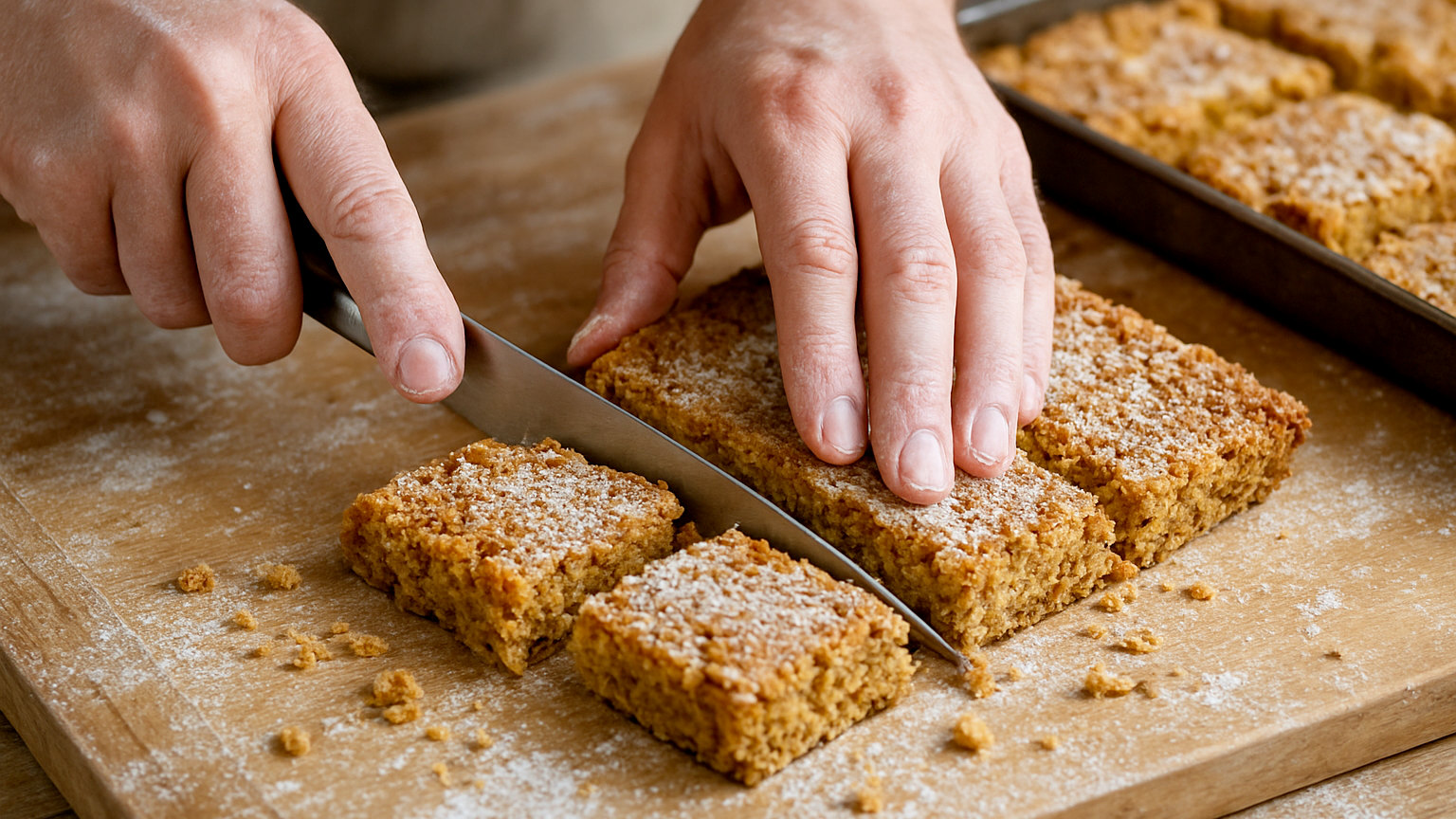
Oats, butter, sugar and golden syrup. Cut them while warm and let them cool completely in the tin or they fall apart.
Caramel loosens buttercream badly. Use a thick tinned caramel, cold, and beat it in a spoonful at a time.