Sloe Gin
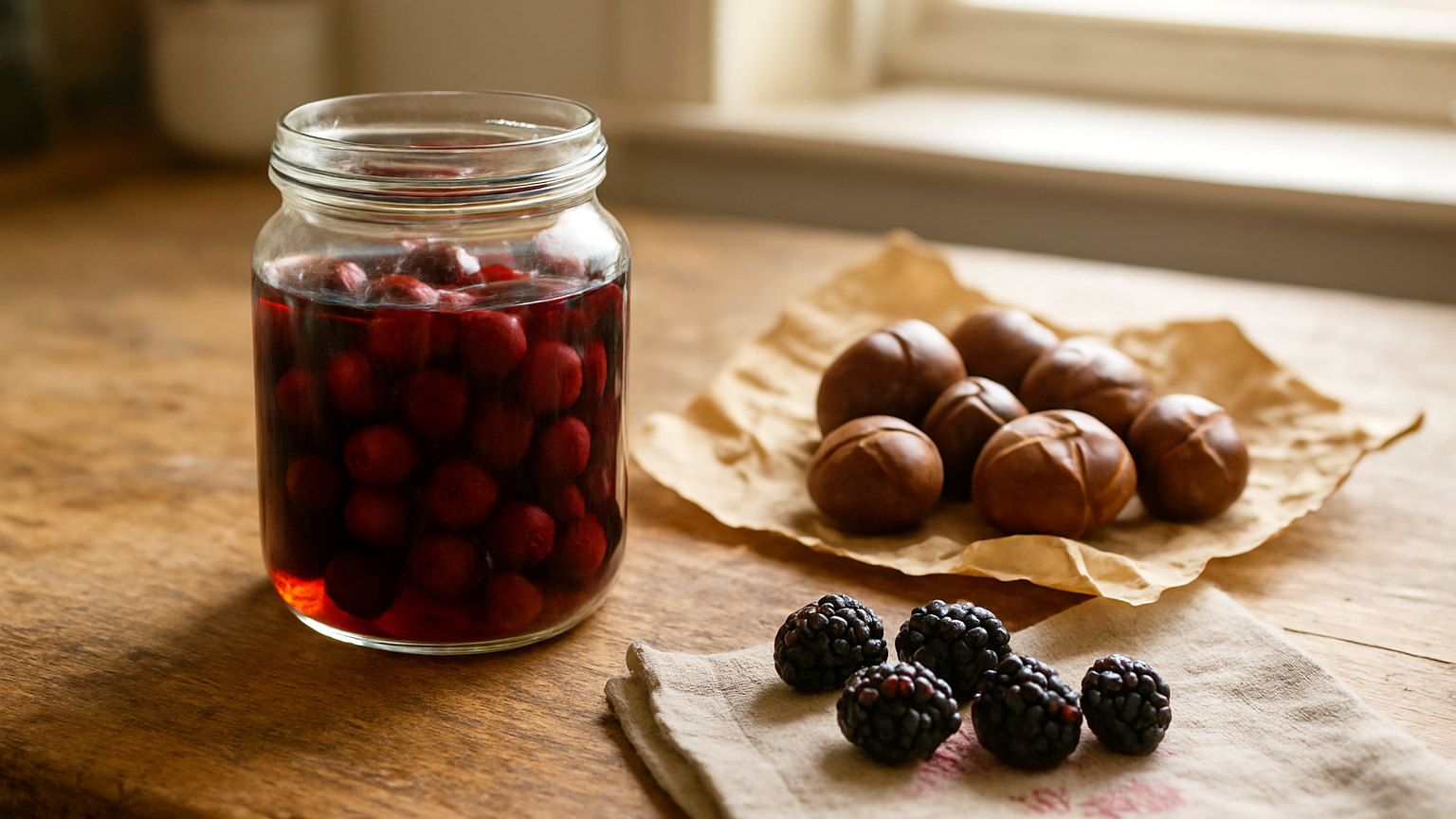
Pick after the first frost, prick every berry, and leave it three months. Ready for Christmas if you start in October.
By UK Recipes
5 Aug 2026

British cooking follows the year closely - rhubarb and lamb in spring, gluts of soft fruit in summer, apples and game in autumn, and the long slow cooking that gets us through winter. These recipes are grouped by when the ingredients are actually good and cheap, with the fixed points of the calendar - Christmas dinner, Easter, Bonfire Night - covered in full.
Pick after the first frost, prick every berry, and leave it three months. Ready for Christmas if you start in October.
The richest, most gelatinous thing you can braise. Four hours minimum and far better made the day before.
Butter, icing sugar and brandy beaten together and chilled hard. It melts into a hot pudding and does most of the work.
A fast day with fish rather than meat, hot cross buns and a good deal of superstition about bread baked that morning.
Score every single one before it goes near heat, or they explode. Twenty minutes and peel them while hot.
Grown in dark sheds by candlelight and picked by hand. You can hear it growing, and that is not a figure of speech.
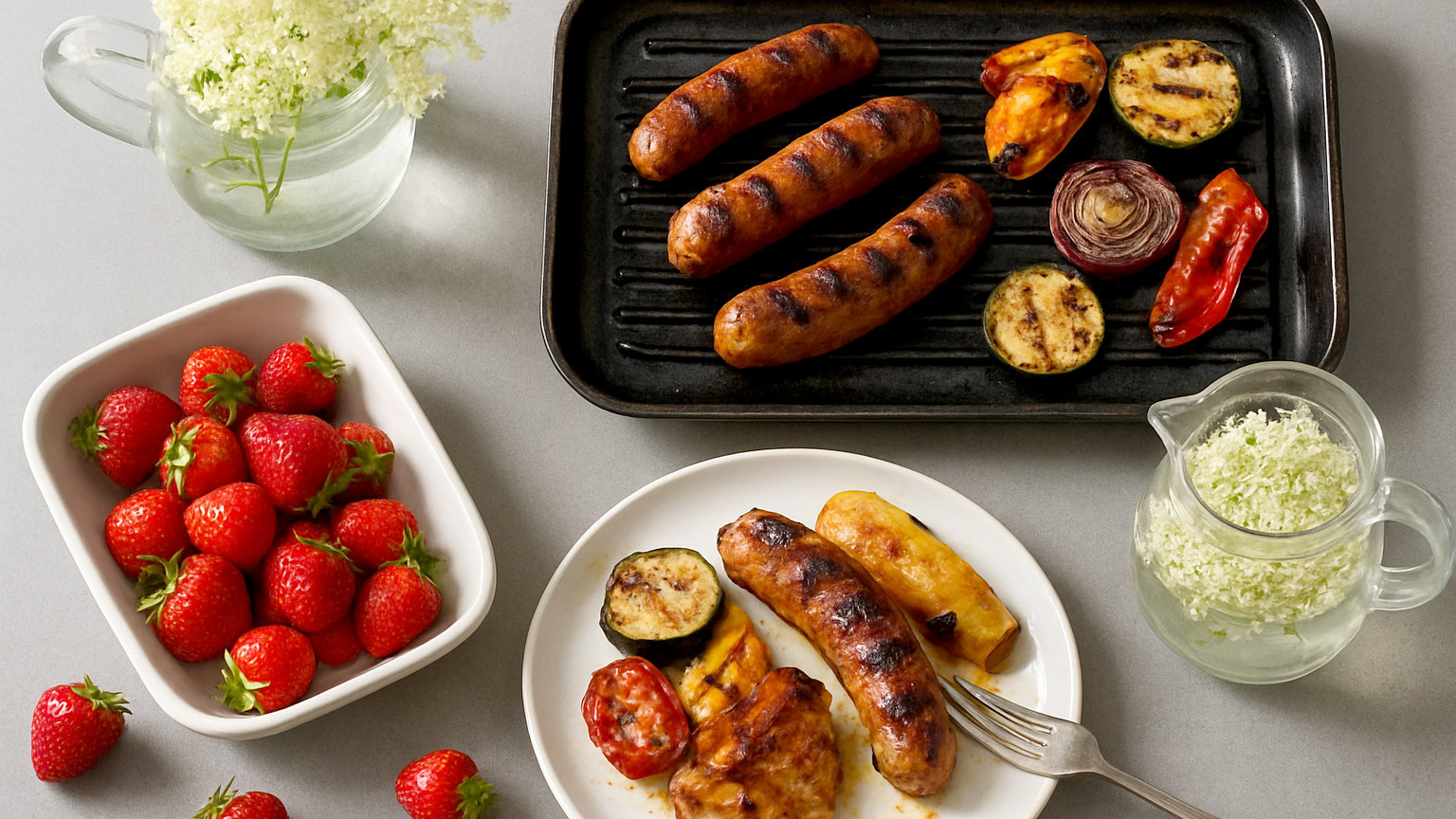
Most barbecue failures are heat management, not cooking. Wait for the coals to grey over and build two zones.
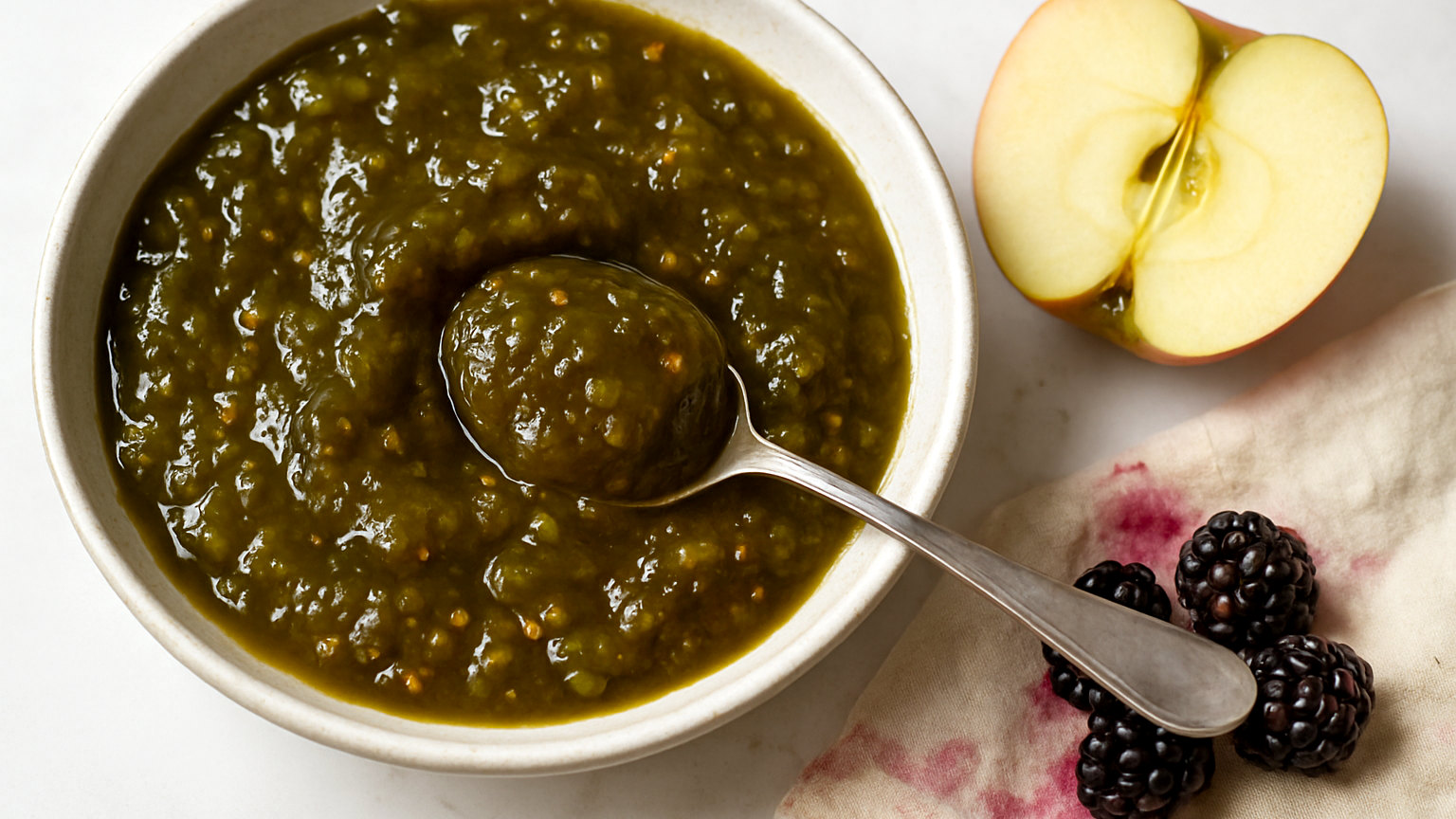
The answer to the tomatoes that never ripened. Cook it until a spoon leaves a clear channel, then leave it for two months.
Suet pastry steamed for five hours around raw filling. Quite different from the pie and arguably better.
Keep the pastry cold, do not overfill, and cut a steam hole. Twenty minutes and they are considerably better than any shop version.
Pancakes exist to use up eggs, butter and milk before a forty day fast. The whole tradition is a clearing out of the larder.
Bicarbonate of soda stirred into hot caramel makes it foam up four times. Also called honeycomb or hokey pokey.