Guy Fawkes and the Gunpowder Plot
A failed attempt to blow up Parliament in 1605, marked with fires ever since. The food came later than the bonfires.
By UK Recipes
9 Aug 2026

British cooking follows the year closely - rhubarb and lamb in spring, gluts of soft fruit in summer, apples and game in autumn, and the long slow cooking that gets us through winter. These recipes are grouped by when the ingredients are actually good and cheap, with the fixed points of the calendar - Christmas dinner, Easter, Bonfire Night - covered in full.
A failed attempt to blow up Parliament in 1605, marked with fires ever since. The food came later than the bonfires.
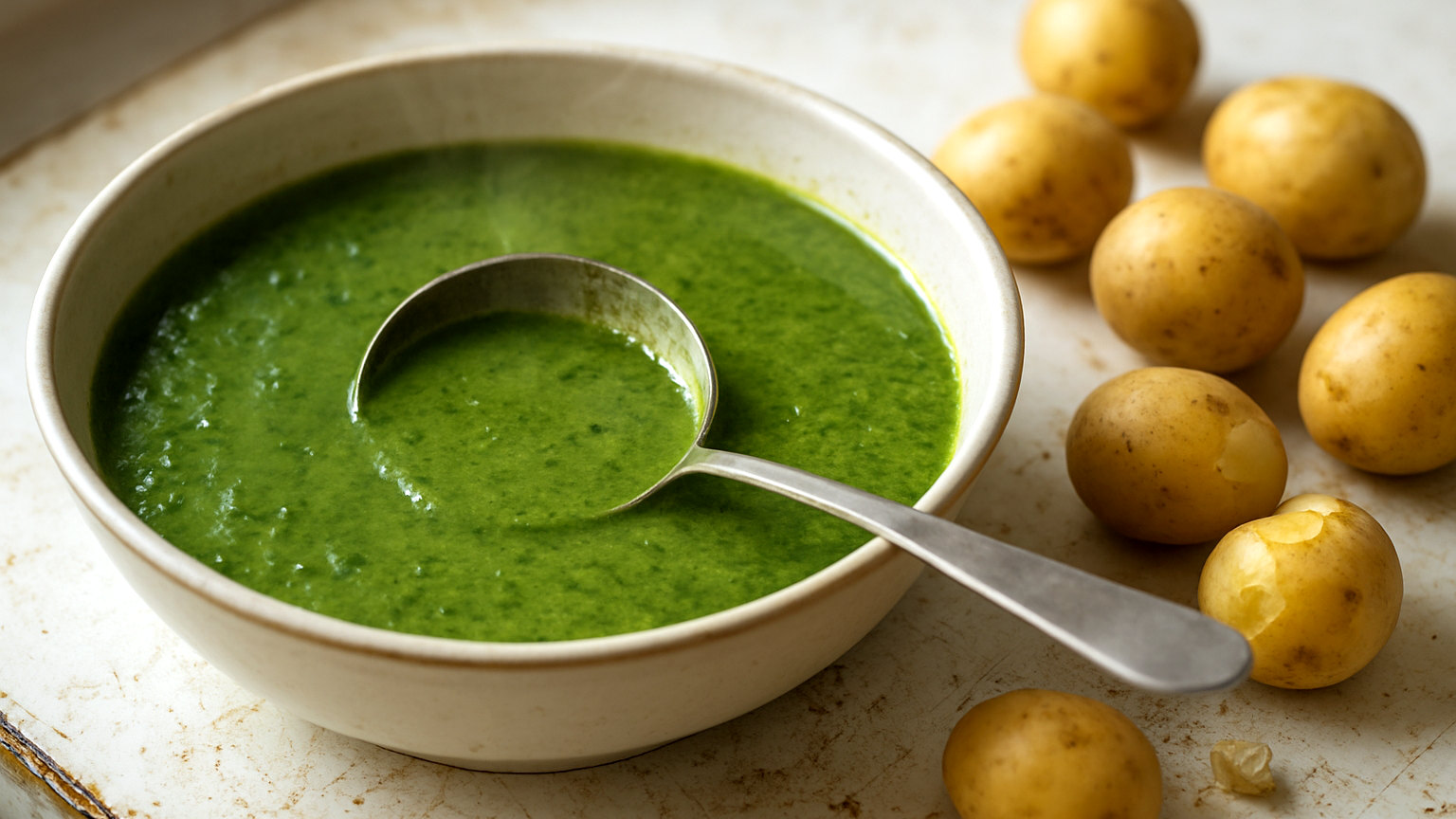
Free, abundant and genuinely good. Pick the top four leaves with gloves, and heat destroys the sting entirely.
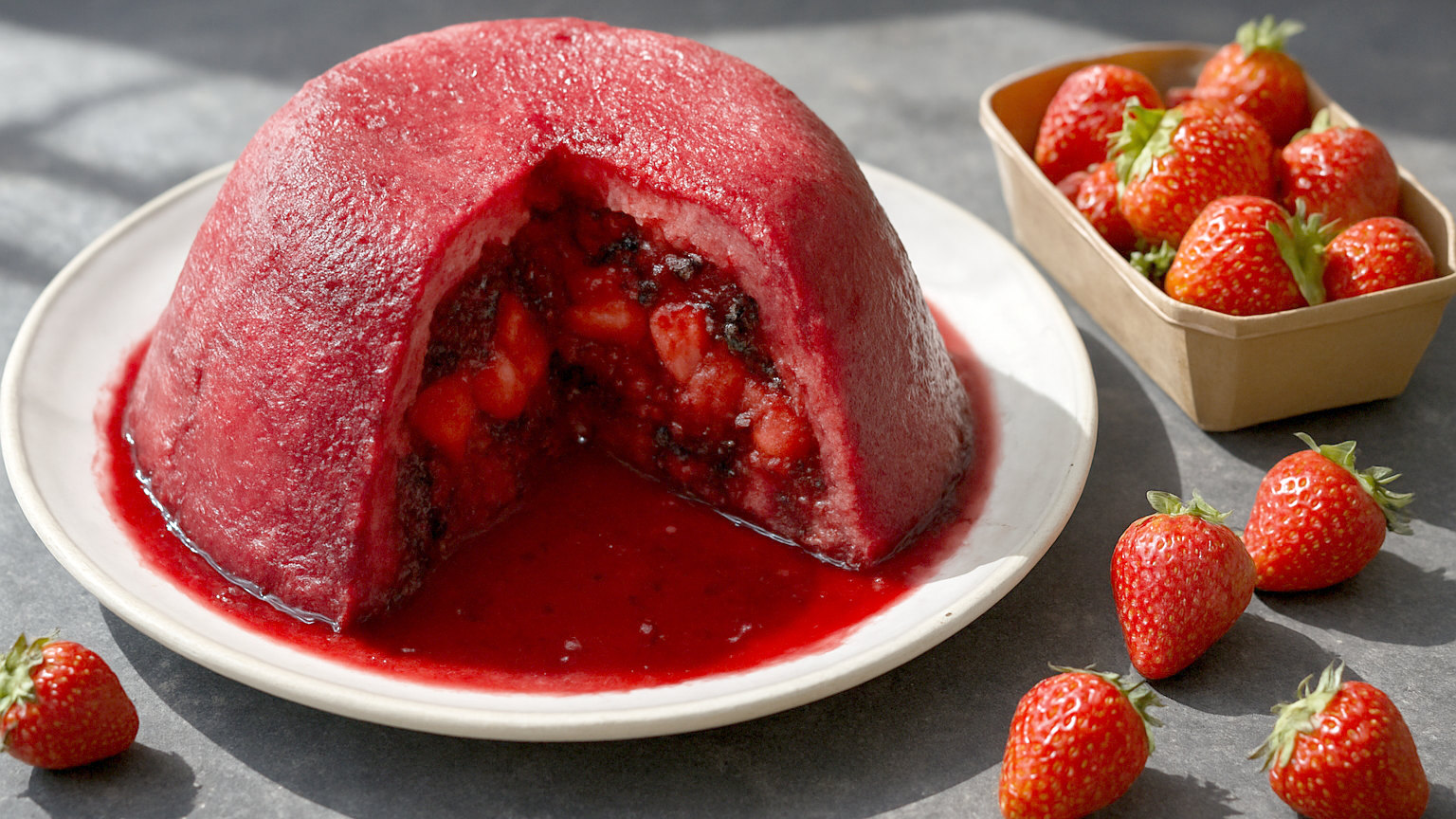
One part Pimms to three parts lemonade, and the cucumber matters more than the strawberries. Plus what to serve to everyone else.
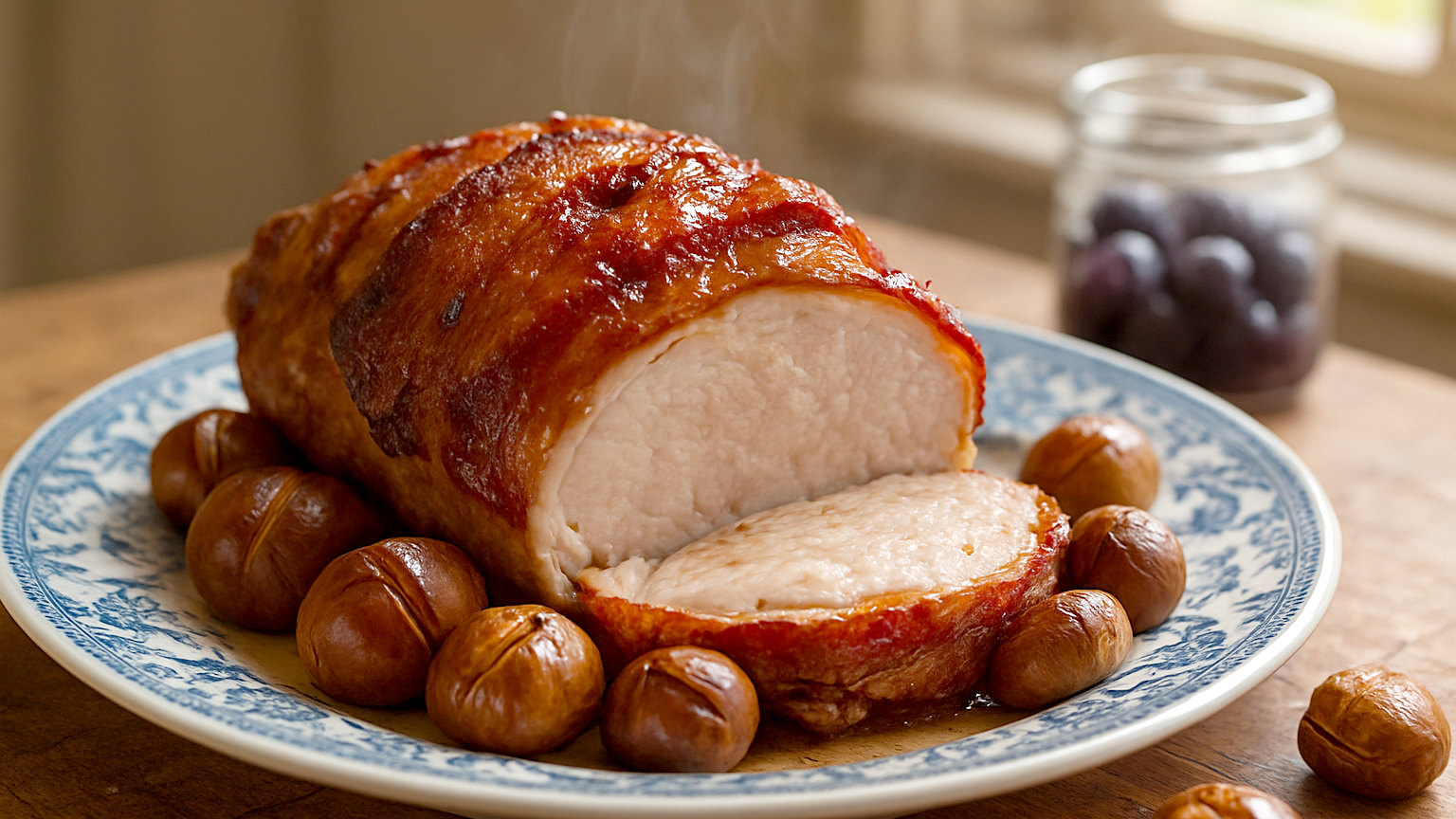
Very lean and easy to dry out. Bard it with bacon, roast it hot and fast, and rest it as long as you cook it.
Nutty, sweet and famously windy. Not an artichoke and nothing to do with Jerusalem.
Cooked in a separate dish rather than in the bird, which is both safer and gives a better crust.
Hard boiled eggs dyed with onion skins and rolled down a hill. The tradition predates chocolate eggs by centuries.
Cook the onions an hour ahead and hold the sausages in hot stock. Nobody wants to be turning sausages in the dark.
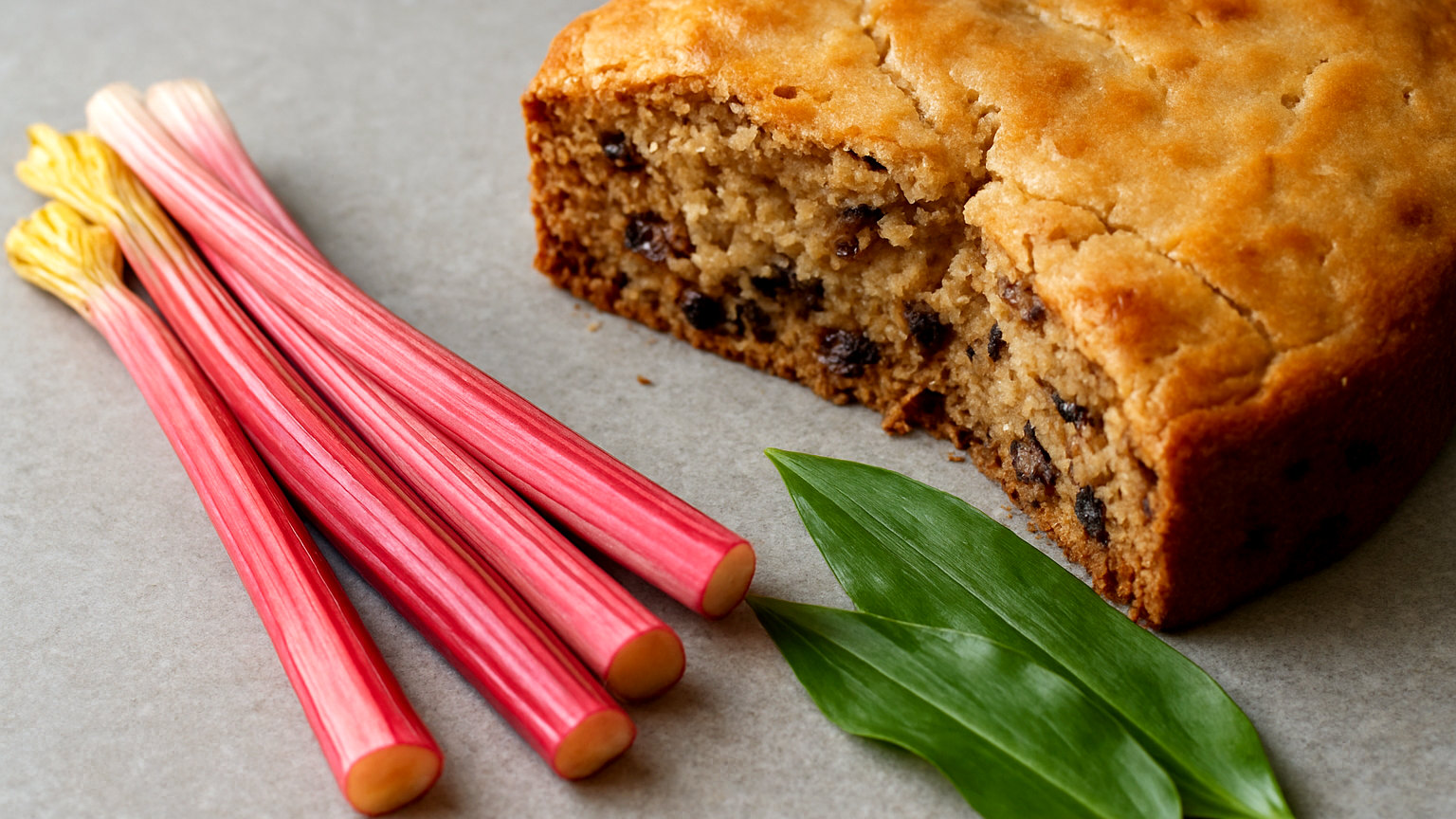
The fourth Sunday of Lent, and older than Mothers Day. Simnel cake belongs to it rather than to Easter.
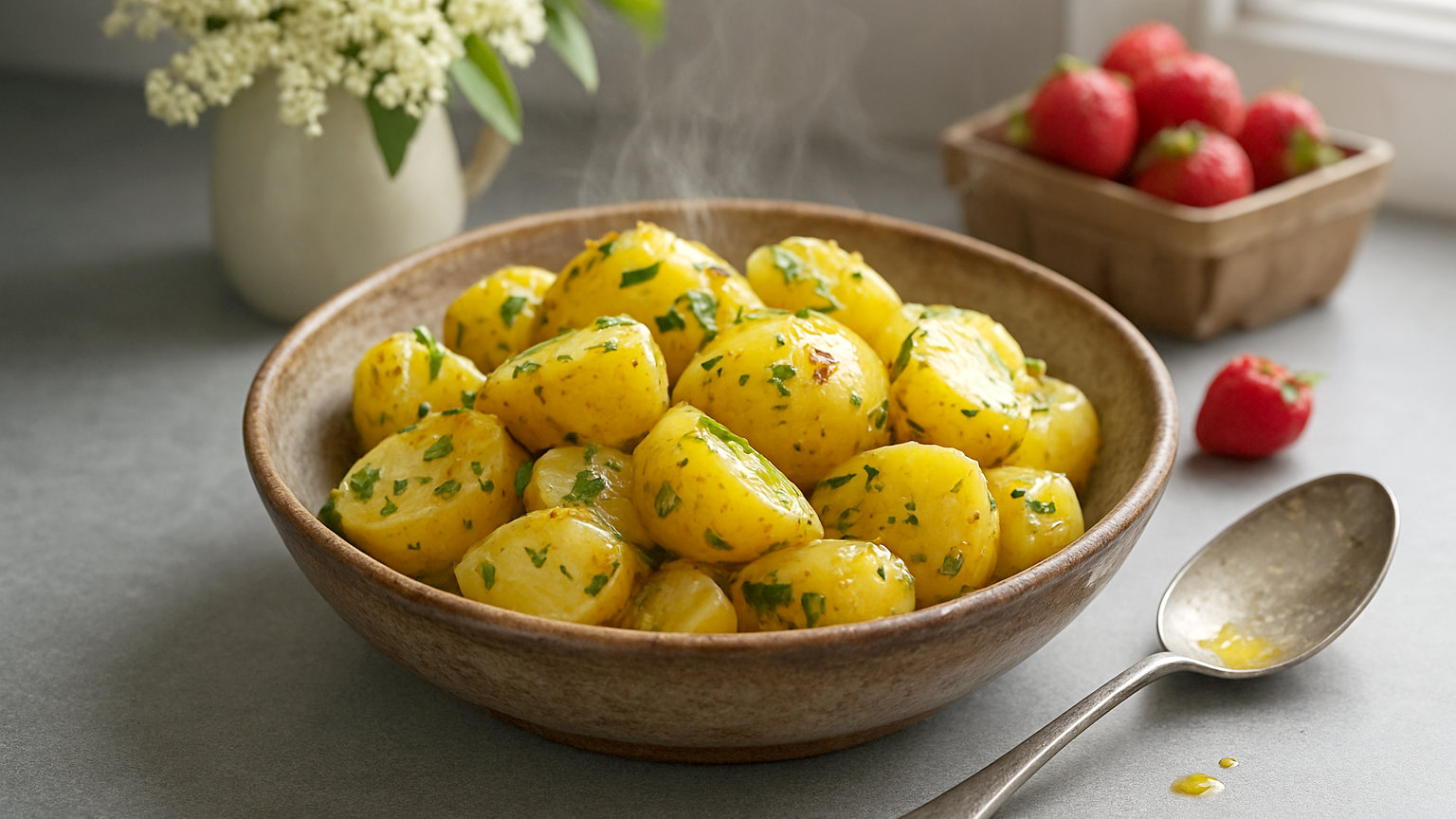
Dress the potatoes while they are still hot. Warm potato absorbs dressing and cold potato repels it.
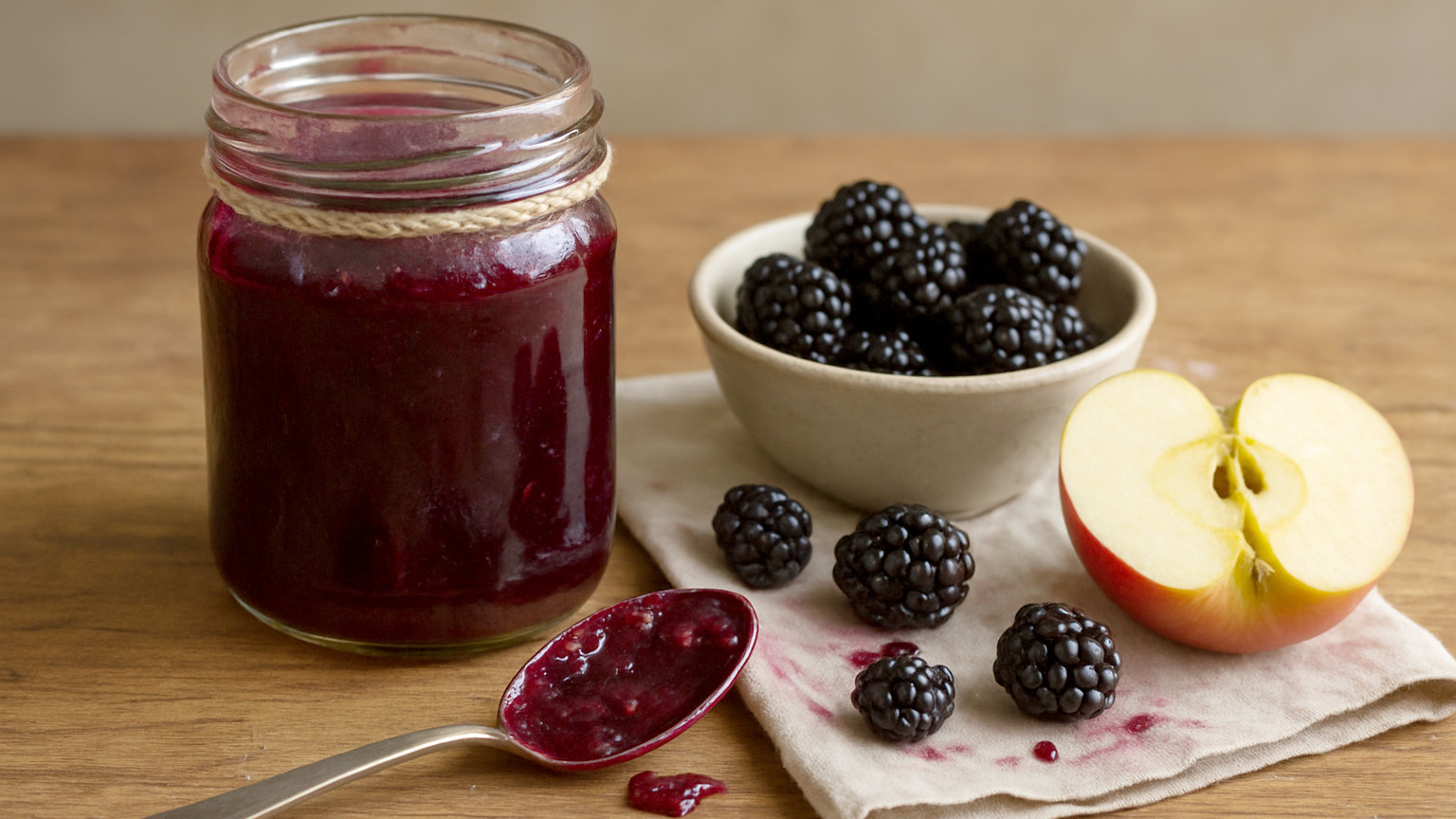
High in pectin and easy to set. The stones float to the top during boiling, which is the simplest way to remove them.
Yellow split peas cooked to a thick savoury puree, traditionally with a ham hock. The filling for a Newcastle stottie.