Haggis, Neeps and Tatties
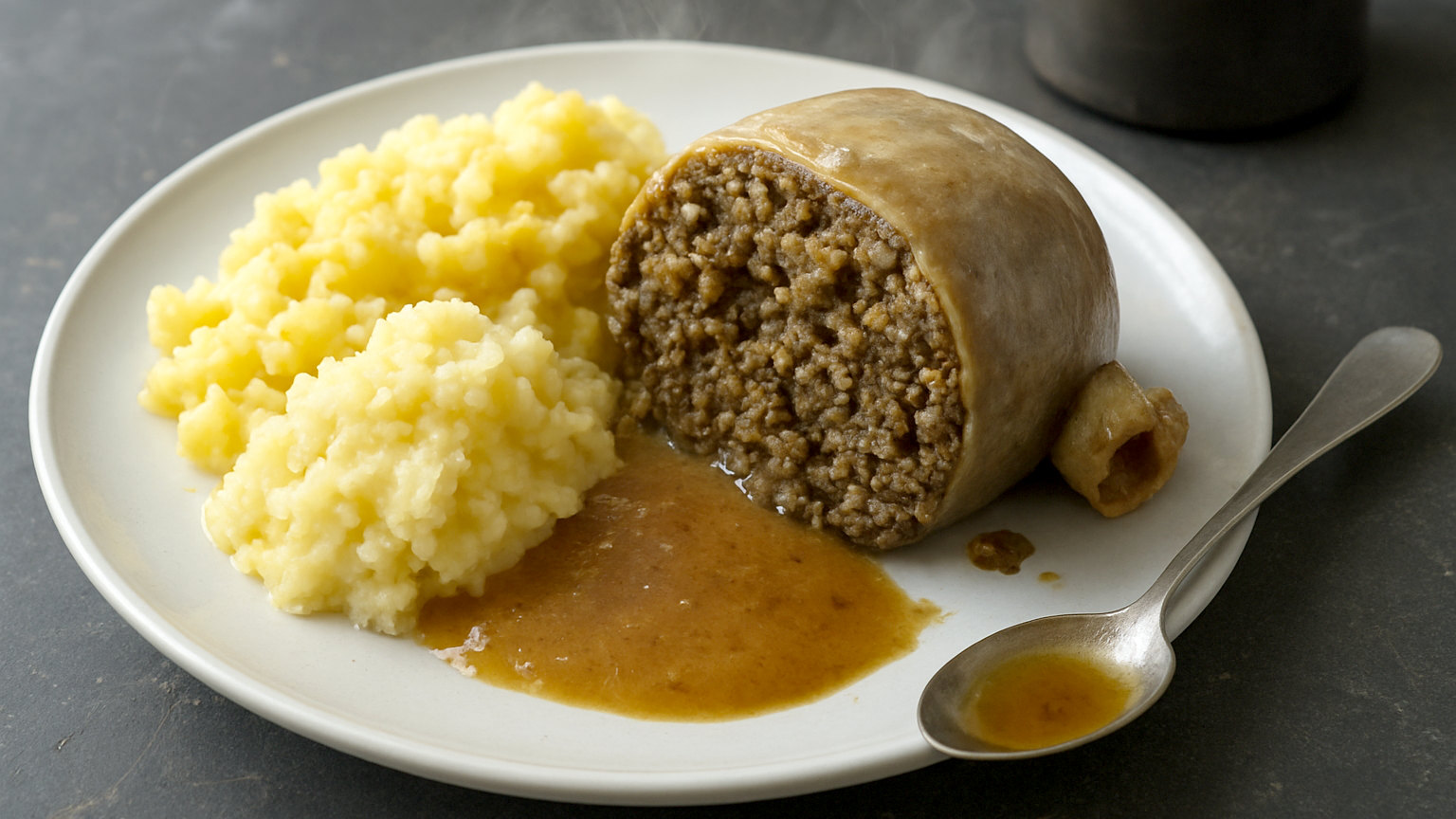
A bought haggis needs only careful heating, not cooking. Boiling it hard is what splits the skin and ruins it.
By UK Recipes
3 Aug 2026

A great deal of British cooking is local before it is national, and the arguments about it are half the point. These recipes cover the dishes that belong to somewhere in particular - what makes a pasty Cornish, what goes into a hotpot and in what order, what a proper Ulster fry has on it. Where there is genuine disagreement about a dish, we set out the versions rather than declaring a winner.
A bought haggis needs only careful heating, not cooking. Boiling it hard is what splits the skin and ruins it.
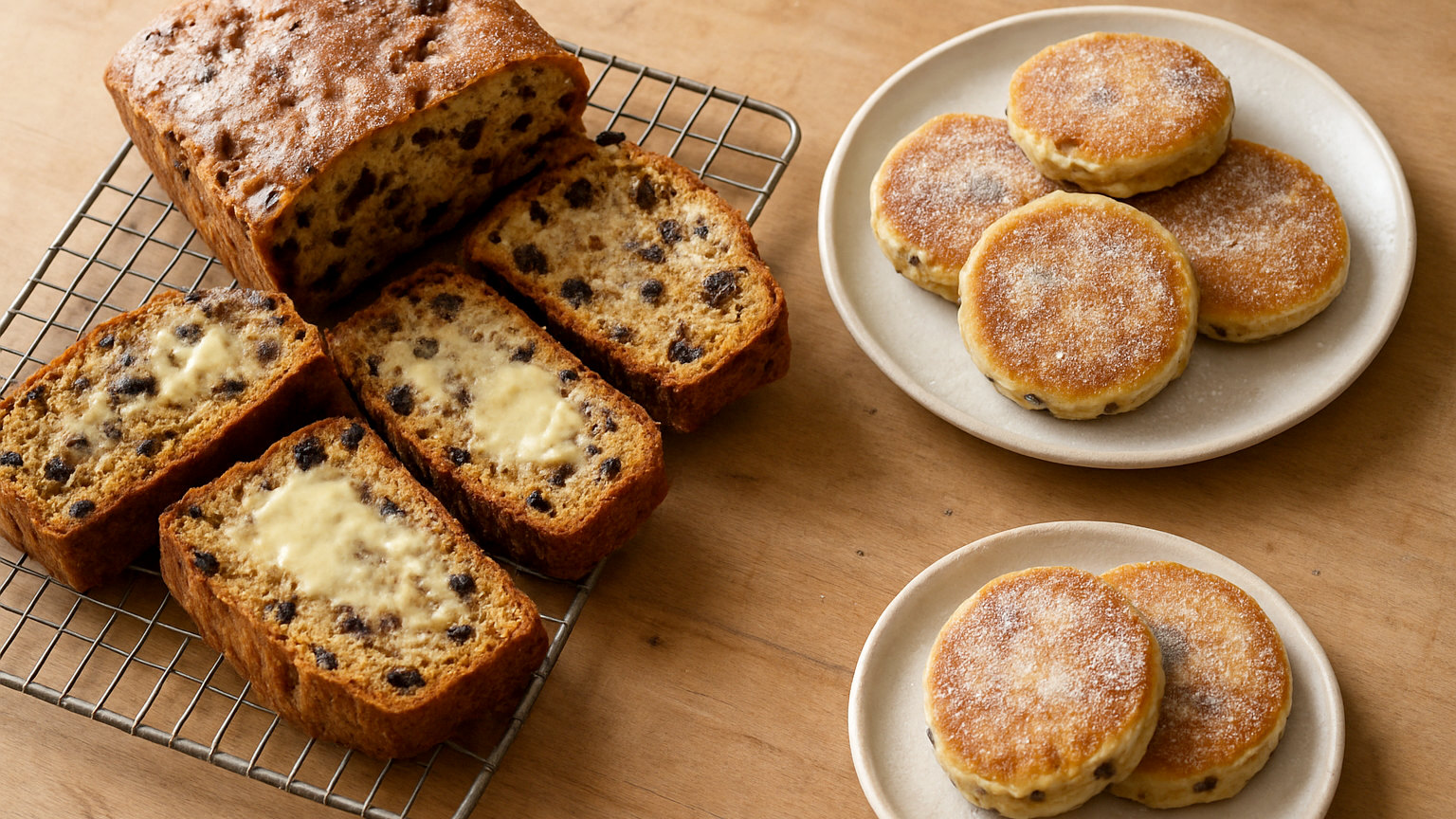
Speckled bread, made by soaking dried fruit in tea overnight. The modern version is a loaf cake rather than a yeasted bread.
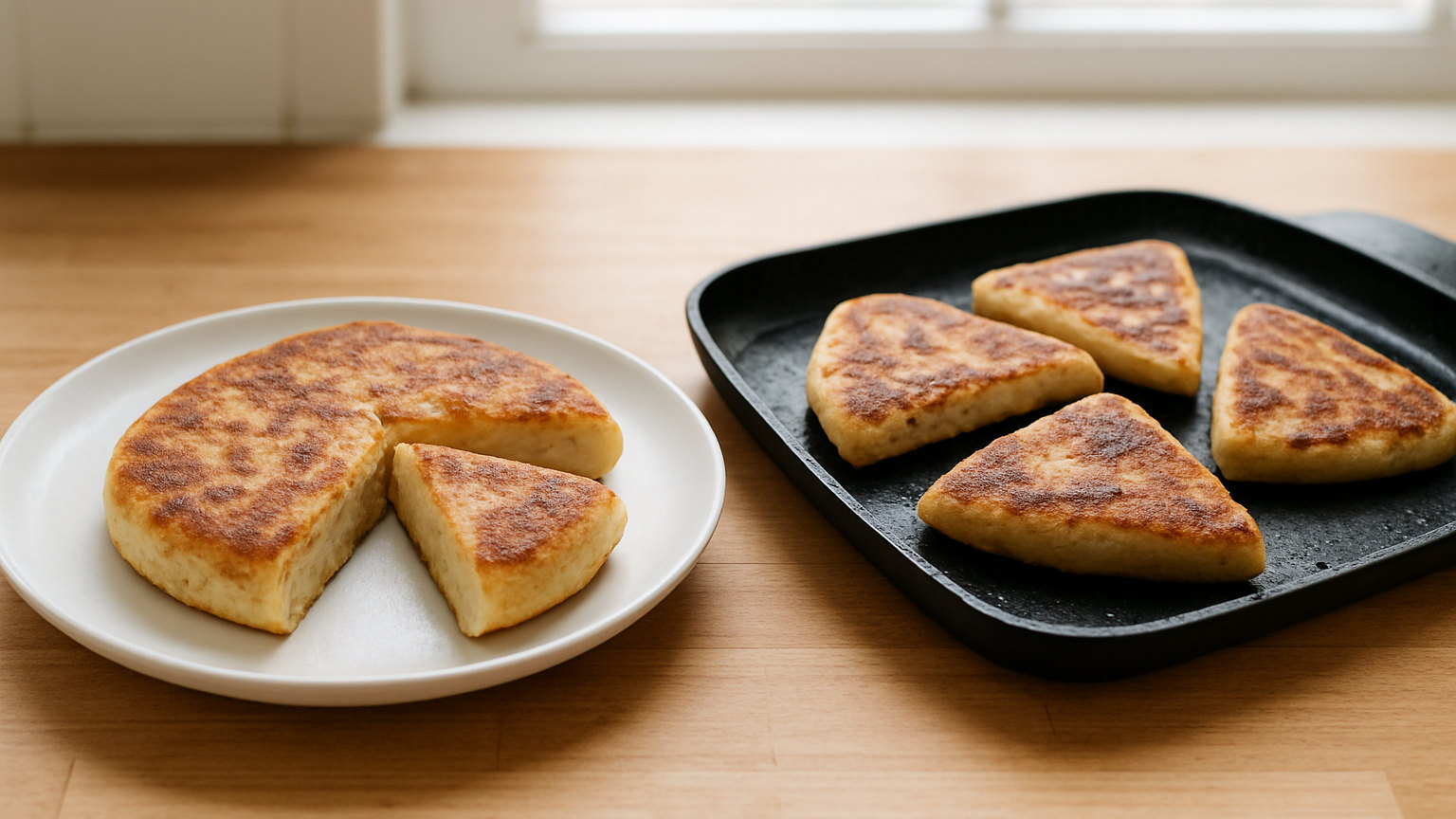
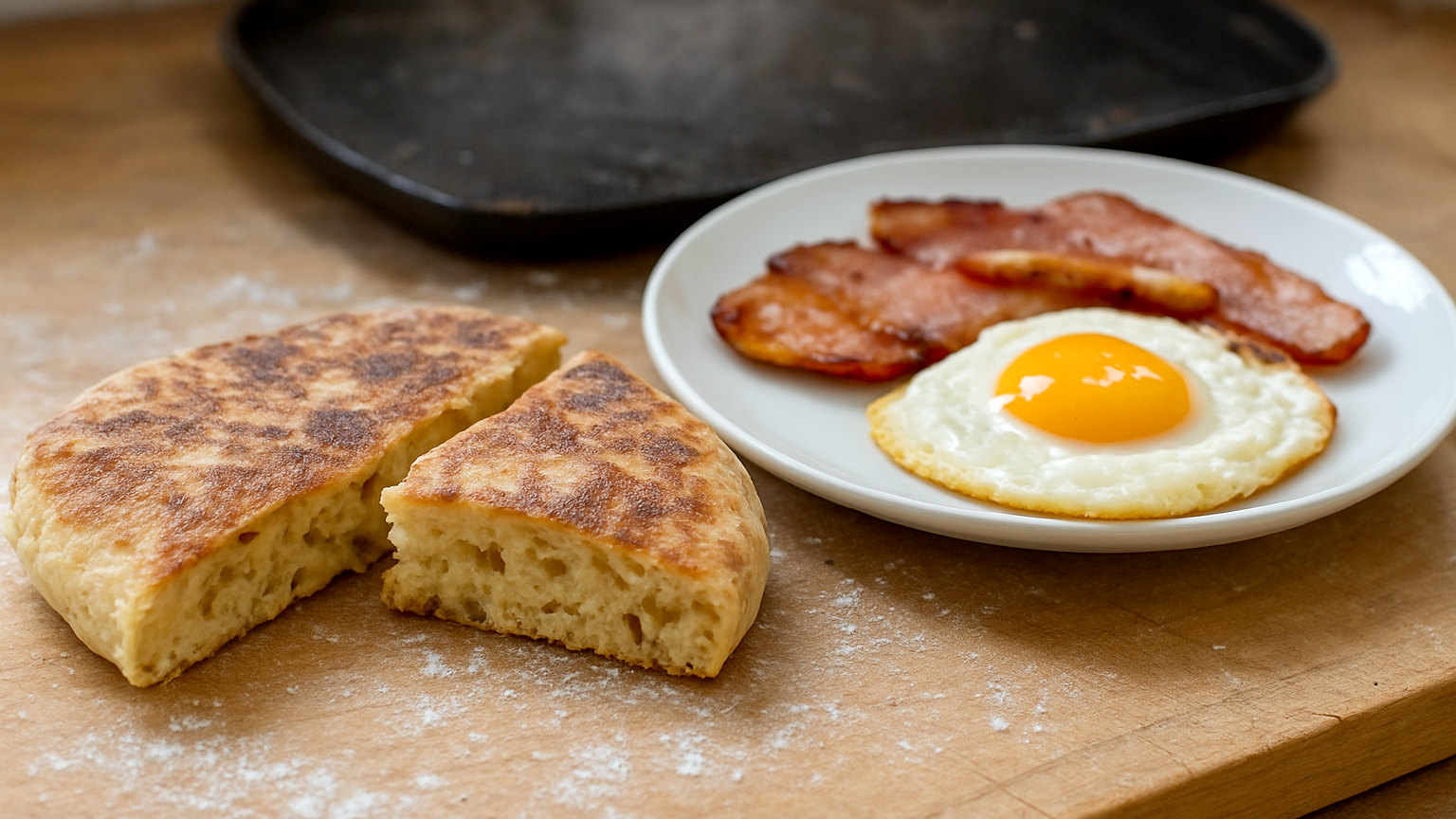
Warm mashed potato with just enough flour to hold it together, cooked on a dry griddle and fried the next morning.
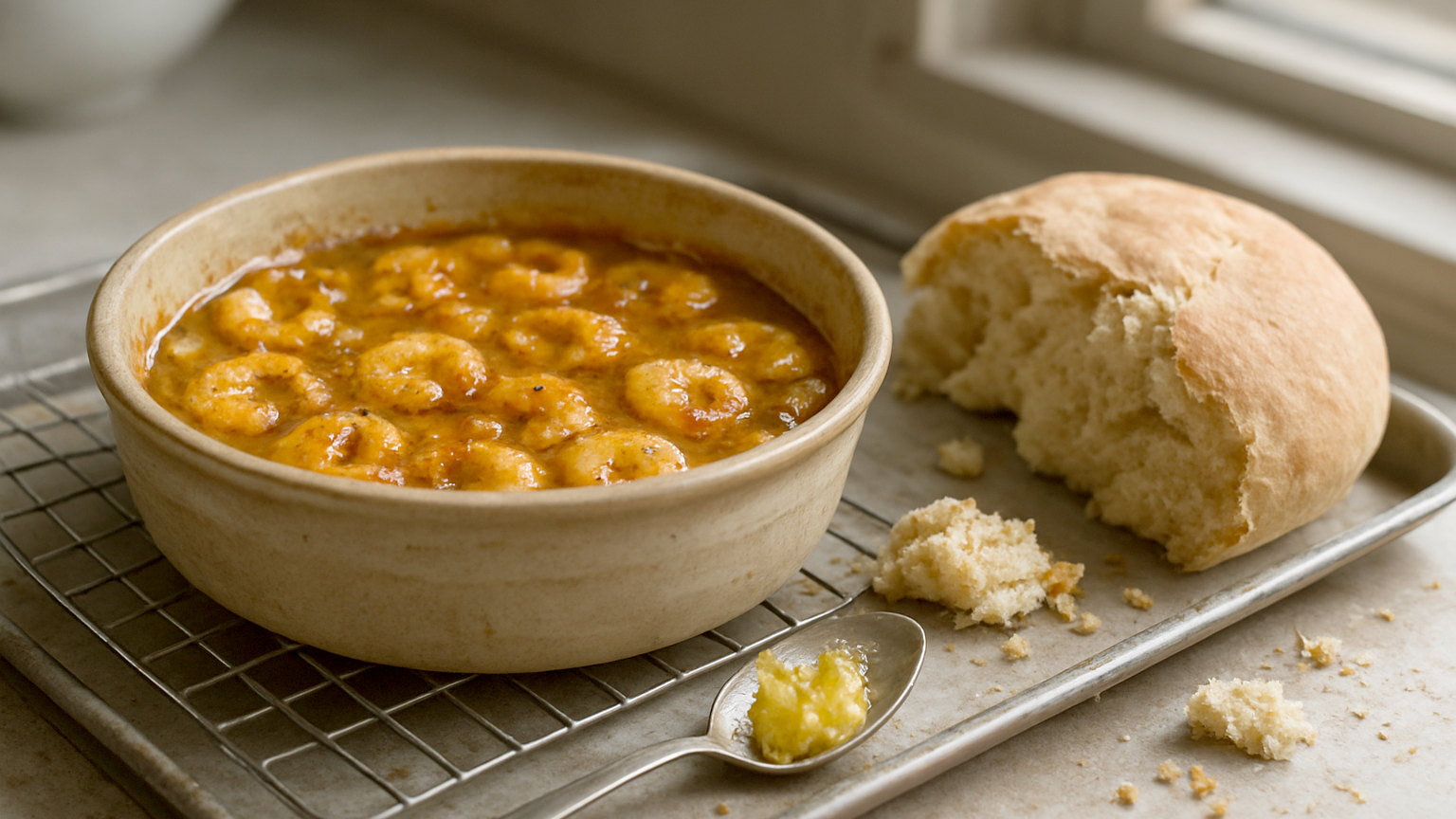
Brown shrimps set in spiced butter, from Morecambe Bay. The butter is both the preservation and the point of the dish.
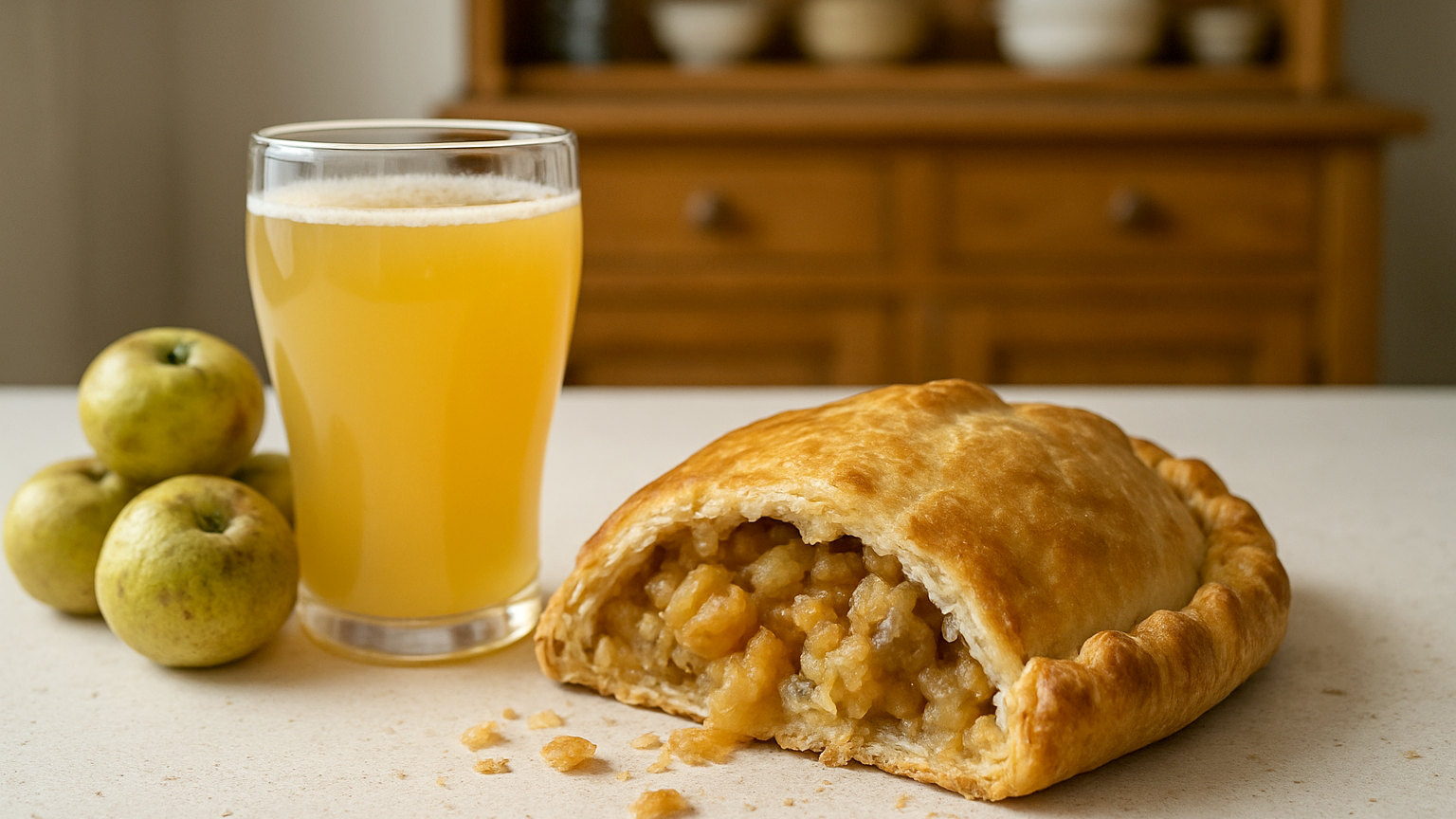
Cider apples are inedible raw and that is the point. Tannin and acid are what a bitter apple brings to the press.
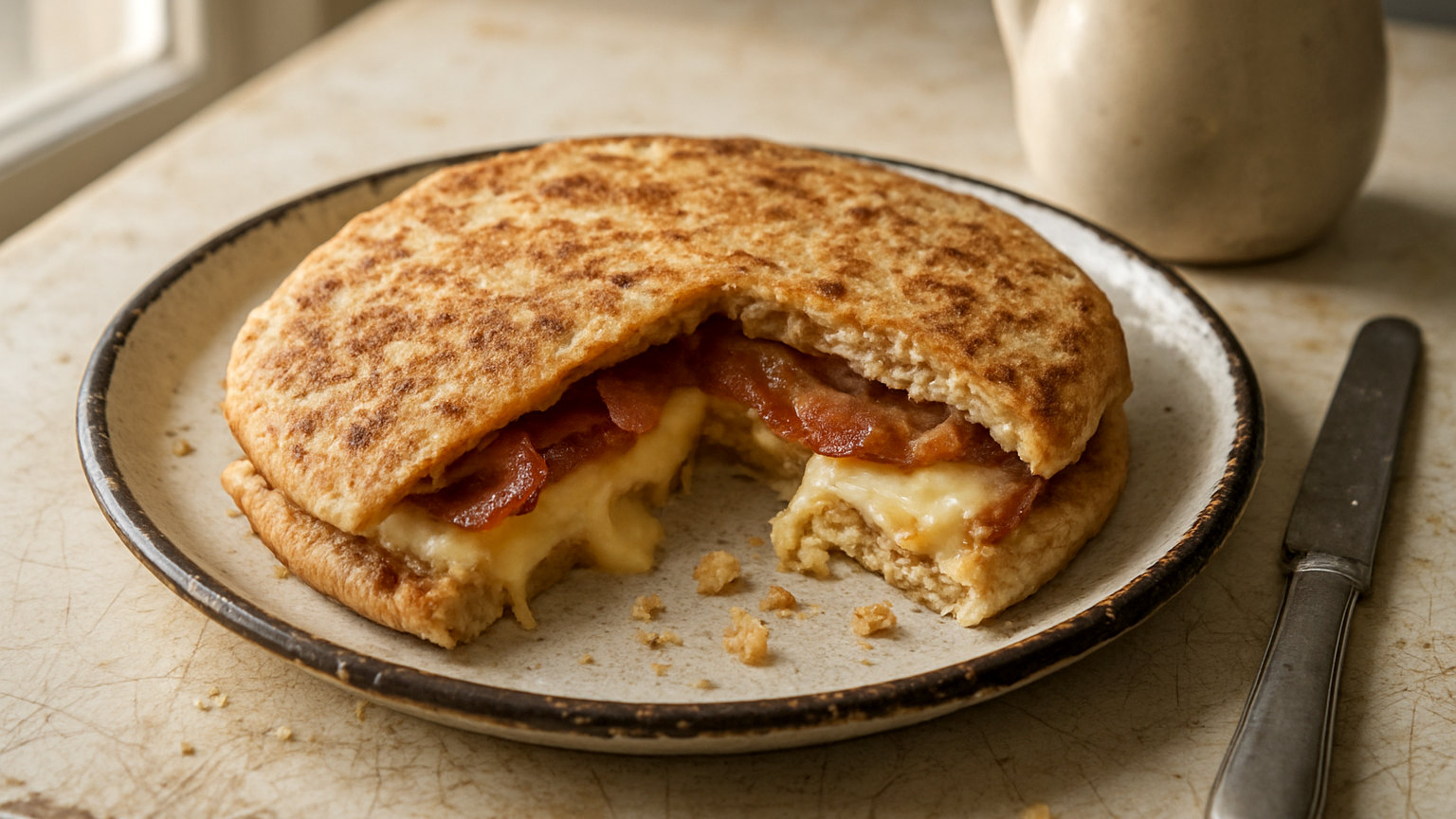
Soft savoury pancakes made with a yeasted oat batter, nothing like a Scottish oatcake. Filled with cheese and bacon and folded over.
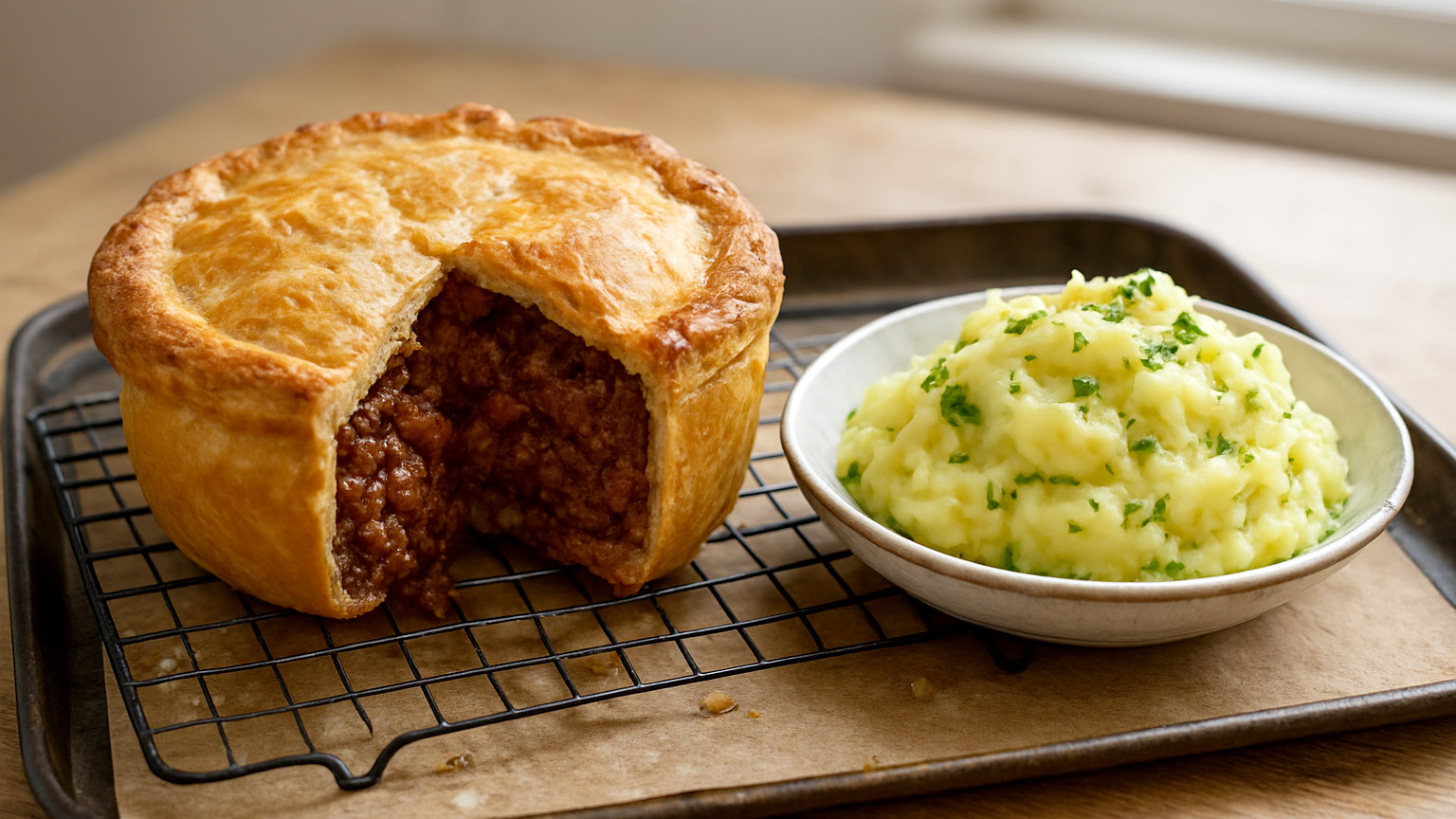
A London dish of minced beef pie, mashed potato and a green parsley sauce. The liquor was originally made from the water eels were stewed in.
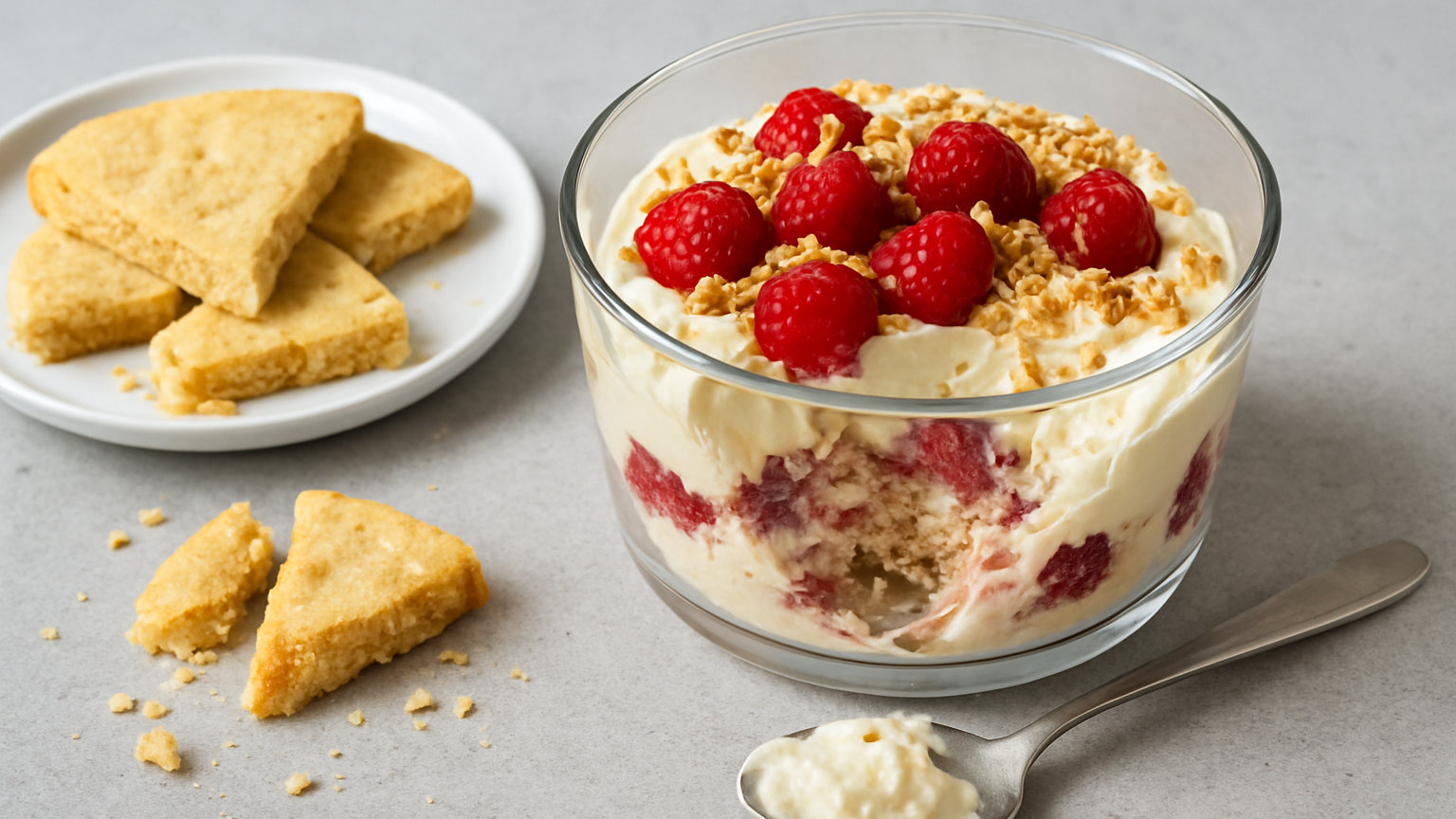
Toasted oatmeal, whisky, honey, cream and raspberries. Assembled at the last minute so the oatmeal keeps its crunch.
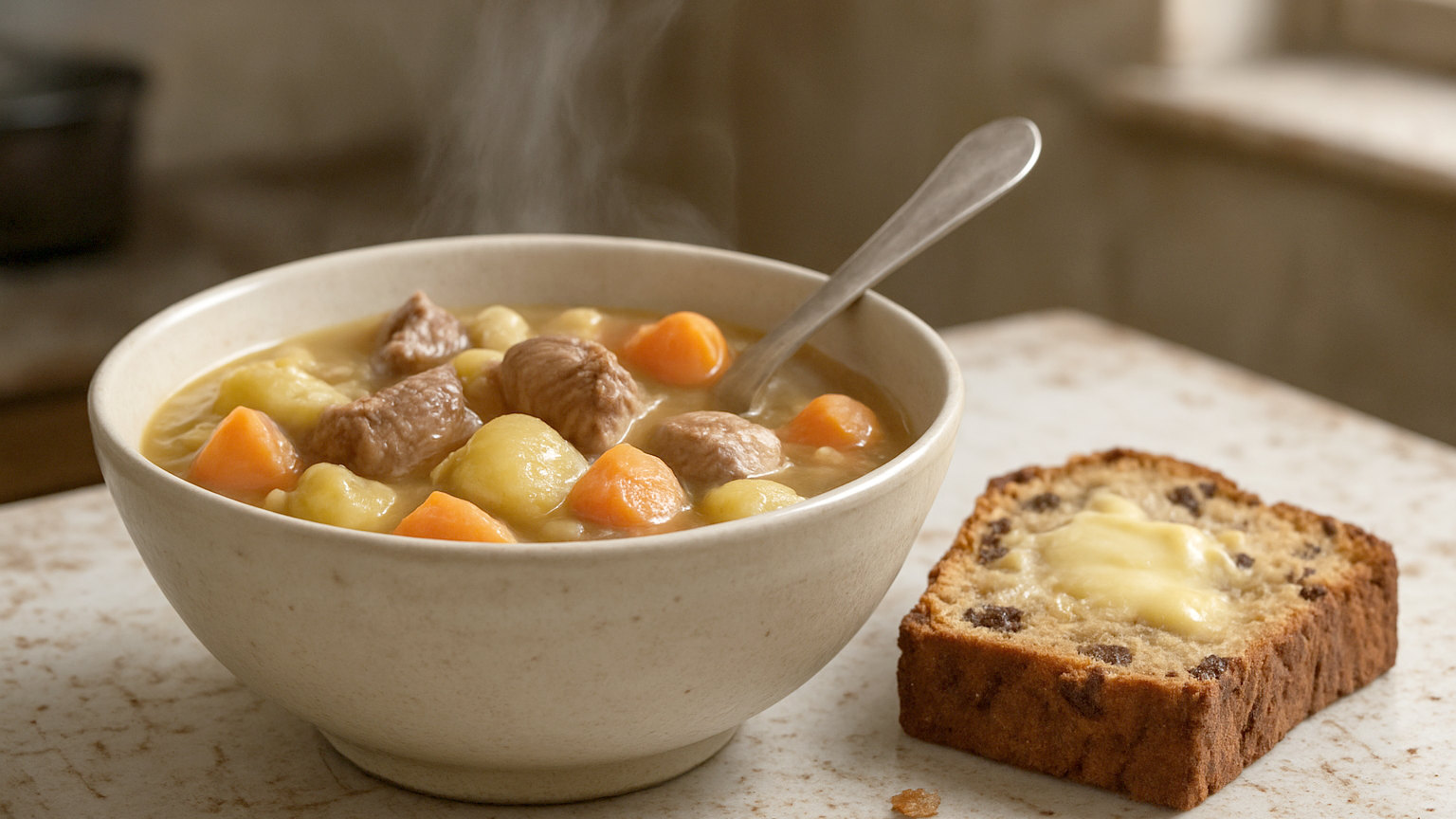
The Welsh national dish. Lamb and root vegetables in one pot, traditionally served as two courses from the same pan.
Buttermilk and bicarbonate of soda in place of yeast. The dough must be handled quickly, since the reaction starts the moment they meet.
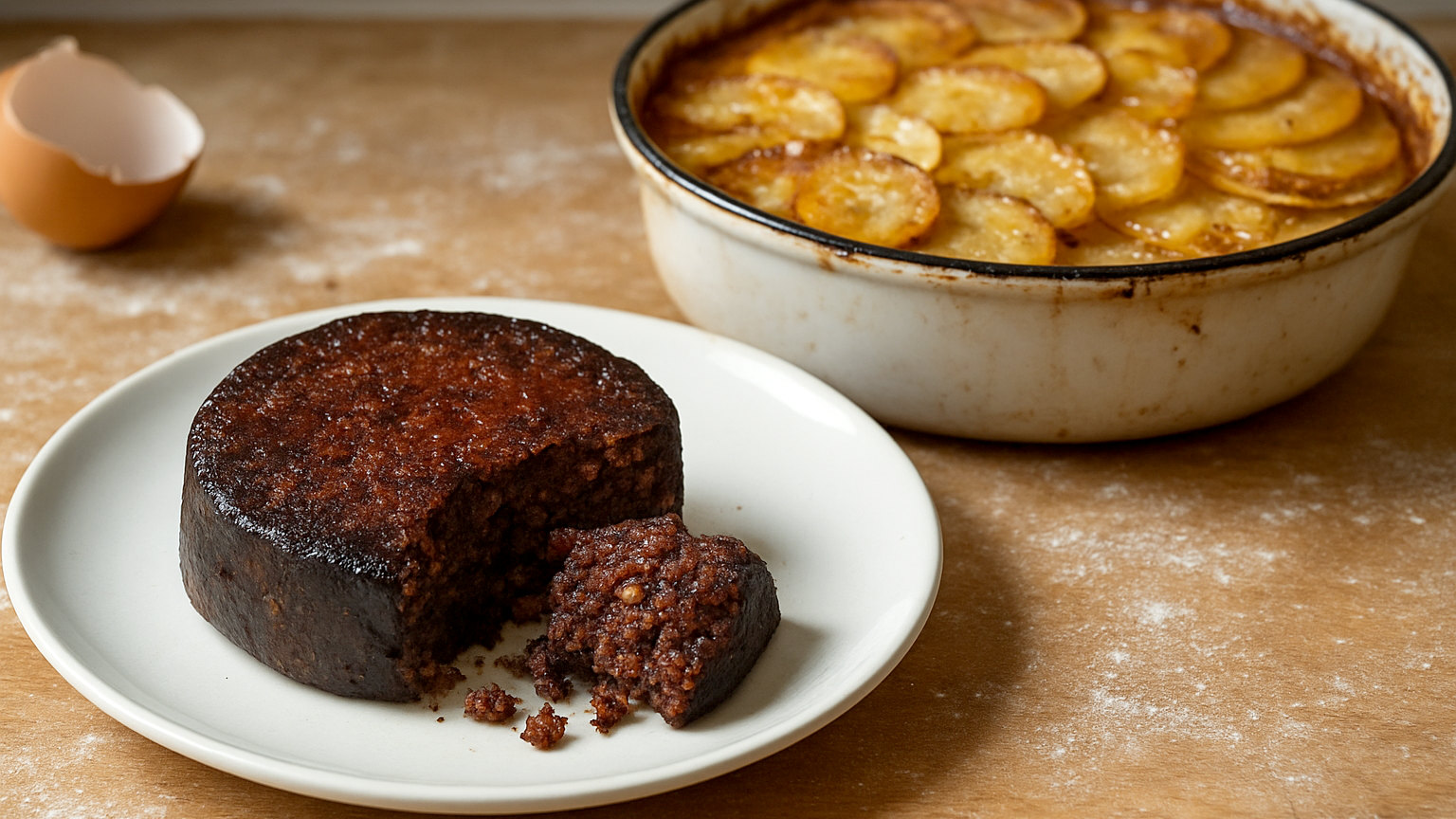
Blood, fat and oatmeal, already cooked when you buy it. It needs crisping rather than cooking, about three minutes a side.
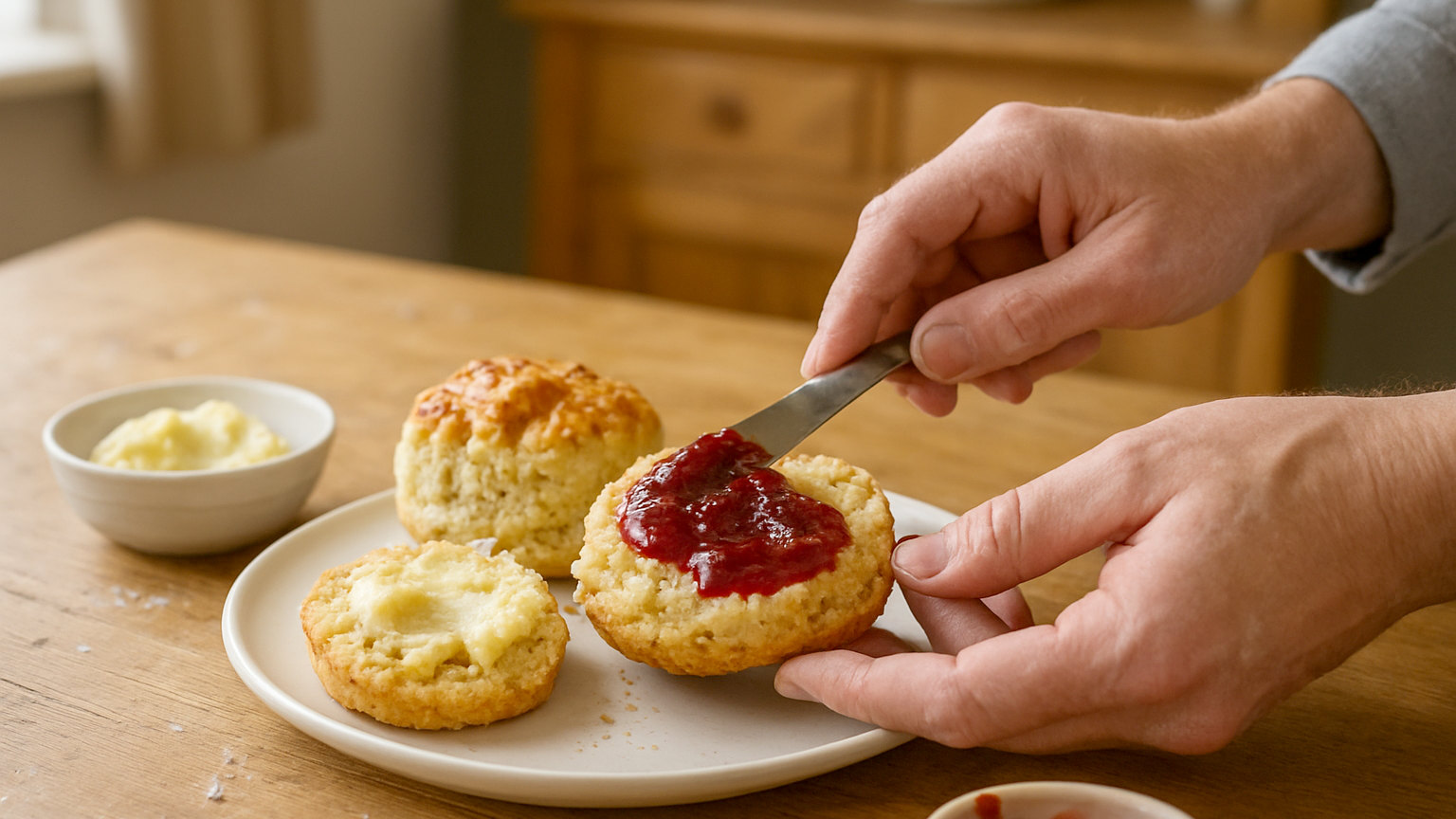
Jam first or cream first is a genuine county dispute. There is also a practical argument, and it favours one side.