
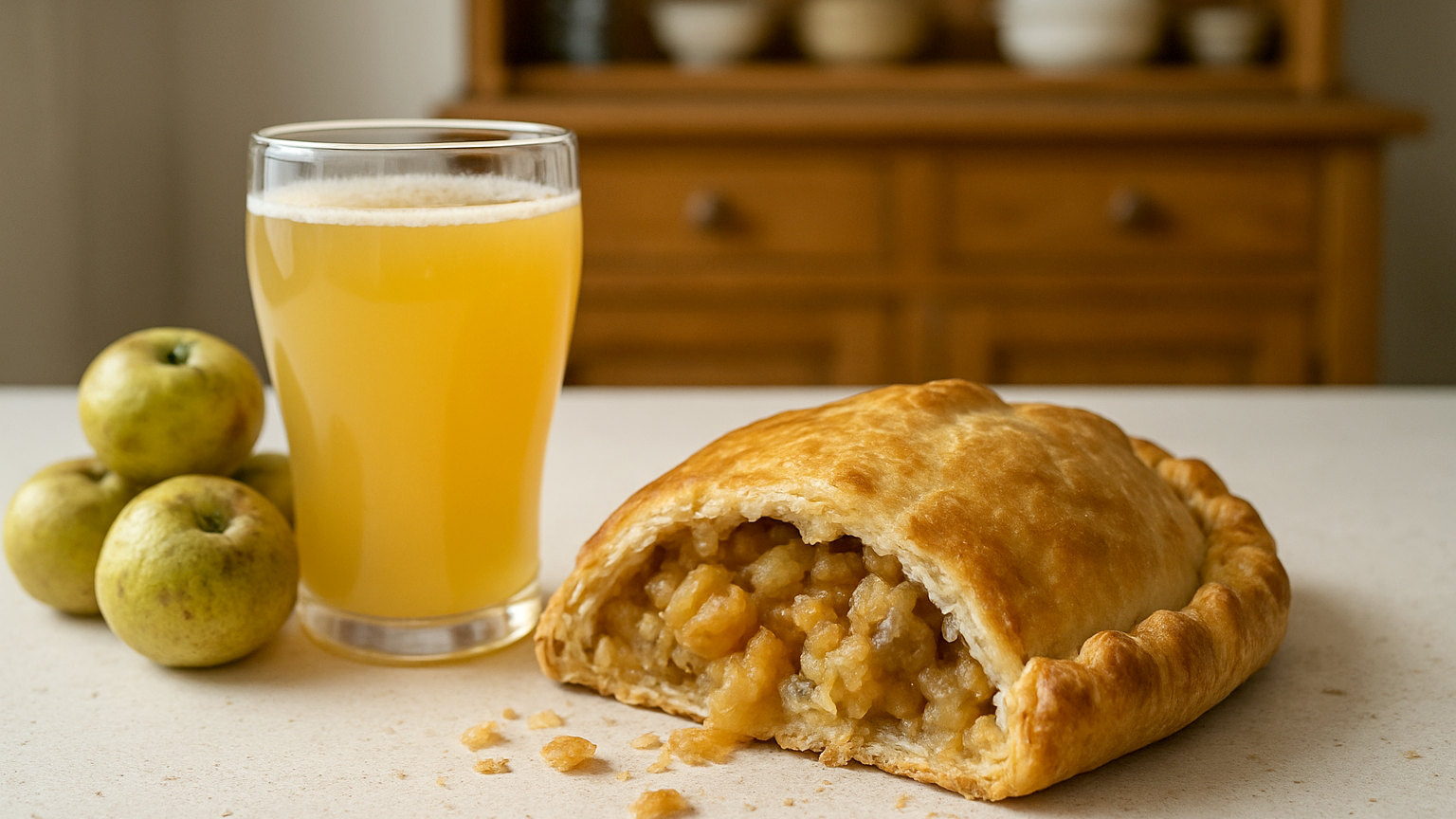
The West Country has made cider for centuries and it remains the heartland of British cider, particularly Somerset, Devon and Herefordshire. The essential difference from a supermarket cider is the fruit. Proper cider apples are bitter, tannic and unpleasant to eat raw, and those qualities are exactly what makes good cider.
What is a cider apple?
A variety grown specifically for pressing, high in tannin and often low in acid. Names such as Kingston Black, Dabinett, Yarlington Mill and Somerset Redstreak are typical.
Most are astringent and inedible fresh.
What are the four categories?
- Bittersweet: high tannin, low acid
- Bittersharp: high tannin, high acid
- Sweet: low tannin, low acid
- Sharp: low tannin, high acid
Why does tannin matter?
Tannin gives cider its body and structure, in the same way it does in red wine. Cider made from eating apples is thin and one dimensional however good the fruit.
Most traditional ciders blend several varieties to balance tannin, acid and sugar.
Where does the word scrumpy come from?
Probably from scrump, a dialect word for a small withered apple, or for scrumping, the taking of apples from someone else's trees.
Either way it points at rough fruit and rough cider.
What is scrumpy?
A term for rough, traditional farmhouse cider, usually still rather than fizzy, cloudy and often strong.
It is not a legal category, so the word is used loosely.
How is cider made?
Apples are milled to a pulp, pressed to extract the juice, then fermented, traditionally with wild yeasts, over several months.
Many traditional ciders then undergo a secondary malolactic fermentation, which softens the acidity.
What is the difference from a commercial cider?
Large scale ciders often use concentrate, added sugar and a lower proportion of juice. Traditional West Country cider is pressed from whole fruit.
Check the juice content on the label.
What is keeving?
A traditional technique in which the juice is deliberately starved of nutrients so fermentation stalls, leaving natural sweetness without added sugar.
It is difficult and produces some of the best ciders made.
What is wassailing?
A midwinter ceremony in cider orchards, usually in January, involving singing to the trees, pouring cider on the roots and making a great deal of noise to drive off bad spirits.
It still happens across Somerset and Devon.
Is West Country cider different from elsewhere?
It is generally fuller and more tannic than eastern counties cider, which tends towards sharp apples and a lighter style.
Herefordshire sits between the two traditions.
How do you cook with cider?
It suits pork, chicken, mussels, sausages and anything with apples. Use a dry cider, since sweet cider makes sauces cloying.
Reduce it properly so the alcohol cooks off and the flavour concentrates.
Can you make cider at home?
Yes, and the difficulty is getting proper cider apples and a press rather than the fermentation, which largely looks after itself.
Community apple pressing days are common across the West Country in autumn.
What is cider brandy?
Distilled cider aged in oak, made in Somerset since the 1980s under a full distilling licence, and comparable to Calvados.
Is scrumpy stronger than other cider?
Often, since farmhouse cider is fermented to dryness and can reach seven or eight per cent without any of the sweetness that masks it.
It is easy to underestimate and should be treated with respect.
What is a cider apple orchard like?
Traditional standard orchards use tall trees widely spaced, often grazed beneath, while modern bush orchards are denser and easier to harvest.
Traditional orchards are increasingly rare and valuable for wildlife.
Should cider be served cold?
Lightly chilled for most, and traditional still cider is often served at cellar temperature, which shows the flavour better.
How should cider be stored?
Bottled cider keeps for a year or more in a cool dark place. Traditional unpasteurised farmhouse cider is a live product and should be drunk within days of opening.
Next, try Pork Braised in Cider with Apples, or see the rest of our Regional recipes.


