
Whisky appears in a good deal of Scottish cooking, in sauces, puddings and preserves, and it goes wrong in two predictable ways. Either it has not been cooked out, so it tastes raw and sharp, or the wrong bottle has been used and a heavily peated malt has flattened everything around it.
Which whisky should you cook with?
A decent blend rather than an expensive single malt. The subtleties that justify the price of a good malt are destroyed by heat, so the money is wasted.
Use something you would happily drink but would not save for a special occasion.
Does peat matter?
Considerably. Heavily peated Islay malts carry a strong smoky, medicinal character that dominates almost any dish.
Use an unpeated Speyside or a standard blend unless smoke is specifically what you want.
Why does it taste harsh?
The alcohol has not been cooked off. Raw spirit in a sauce is sharp and hot and tastes of nothing in particular.
Reduce it by at least half before anything else goes in.
How do you cook the alcohol out?
Add it to a hot pan and let it bubble hard for two or three minutes until the volume has visibly reduced and the sharp smell has gone.
Not all the alcohol disappears, which matters if you are serving children or anyone avoiding it.
Should you flambe it?
It burns off some alcohol quickly and it is largely theatre. Take the pan off the heat before adding the spirit, stand back, and never pour from the bottle over a flame.
Reducing it in the pan achieves the same thing more safely.
Should it go in early or late?
Early, so it has time to reduce and lose its raw edge. Whisky added at the end of cooking tastes of alcohol rather than flavour.
The exception is a cold dish, where it goes in at the end by necessity.
What savoury dishes suit it?
A cream and whisky sauce for haggis or steak, a marinade for salmon, and a splash in a beef stew or a chicken liver pate.
It also works with mushrooms and in a pepper sauce.
What about puddings?
Cranachan is the obvious one, and it also suits marmalade, fruit cakes, whisky butter and anything with cream and honey.
In cold dishes it is not cooked out, so use less.
Does it work in baking?
A tablespoon in a fruit cake, a Dundee cake or a Christmas pudding adds depth and helps the keeping.
In a sponge it is largely lost, since the quantity is too small to register.
How much should you use?
Less than you think. Two to four tablespoons is enough for a sauce serving four, and cranachan uses about the same for 500ml of cream.
It is easier to add more than to correct an overdose.
Can you use whisky in a marinade?
Yes, and it works particularly well with salmon alongside brown sugar, salt and dill for a Scottish version of gravlax.
Keep the quantity small, since alcohol firms the surface of fish.
Does it pair with cheese?
Very well. A dram alongside a strong blue or a mature cheddar works better than most wines do.
What about whisky and haggis?
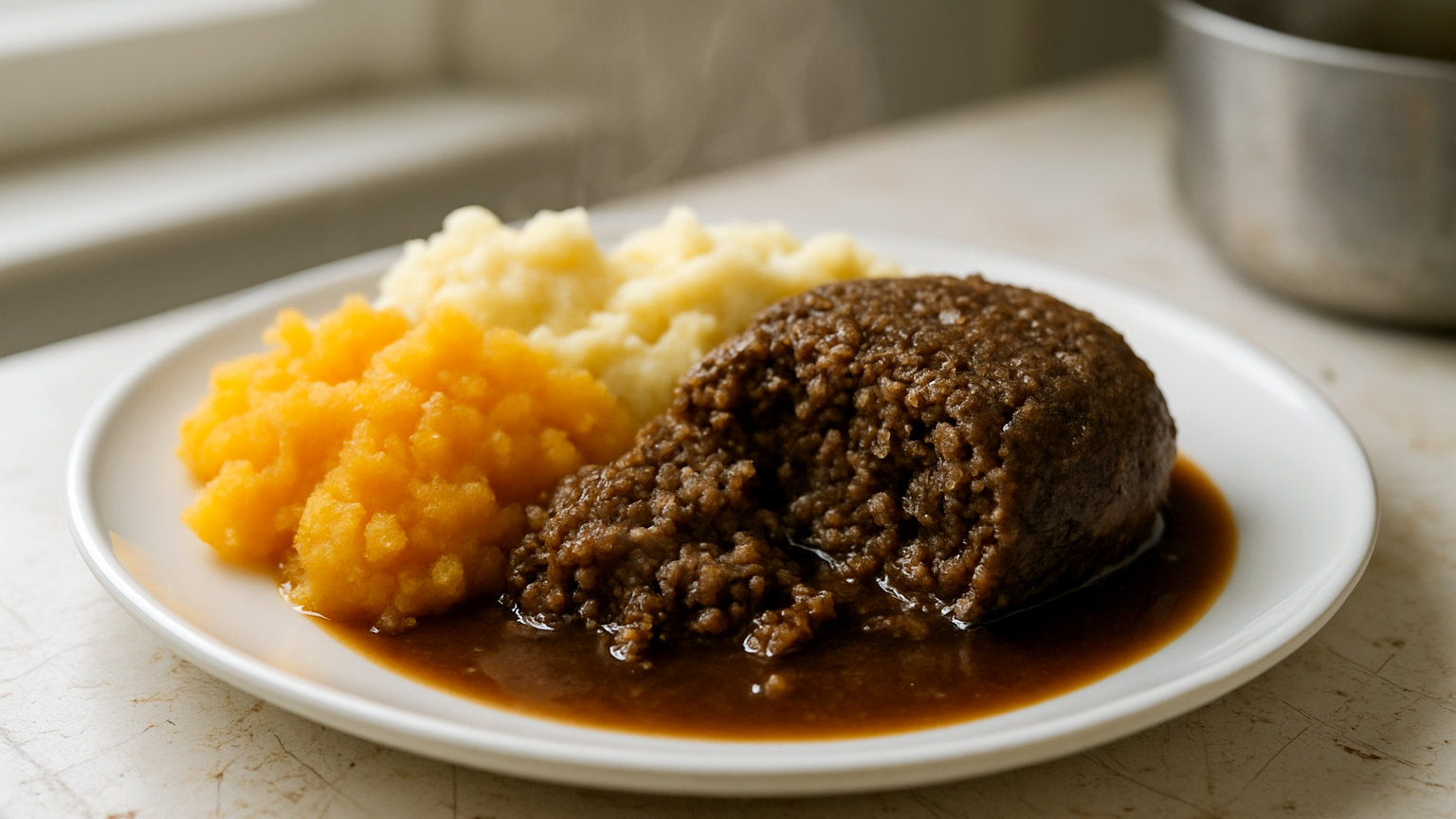
A dram poured over the haggis is traditional at a Burns supper, and a cream sauce with whisky reduced into it is the modern restaurant version.
Does the alcohol fully disappear?
No. Even after long cooking a small proportion remains, so dishes containing whisky should not be treated as alcohol free.
Cold dishes such as cranachan retain nearly all of it.
What is the difference from brandy in cooking?
Brandy is fruitier and sweeter and suits puddings and cream sauces. Whisky brings a grain and sometimes smoky character that suits savoury dishes and oats.
They are not straight substitutes.
Is there a substitute?
Apple juice with a little lemon in sweet dishes, or a good stock with a dash of vinegar in savoury ones.
Neither tastes the same and both work perfectly well in the dish.
Worth reading next: Seville Orange Marmalade. There is more in our Regional recipes.


