
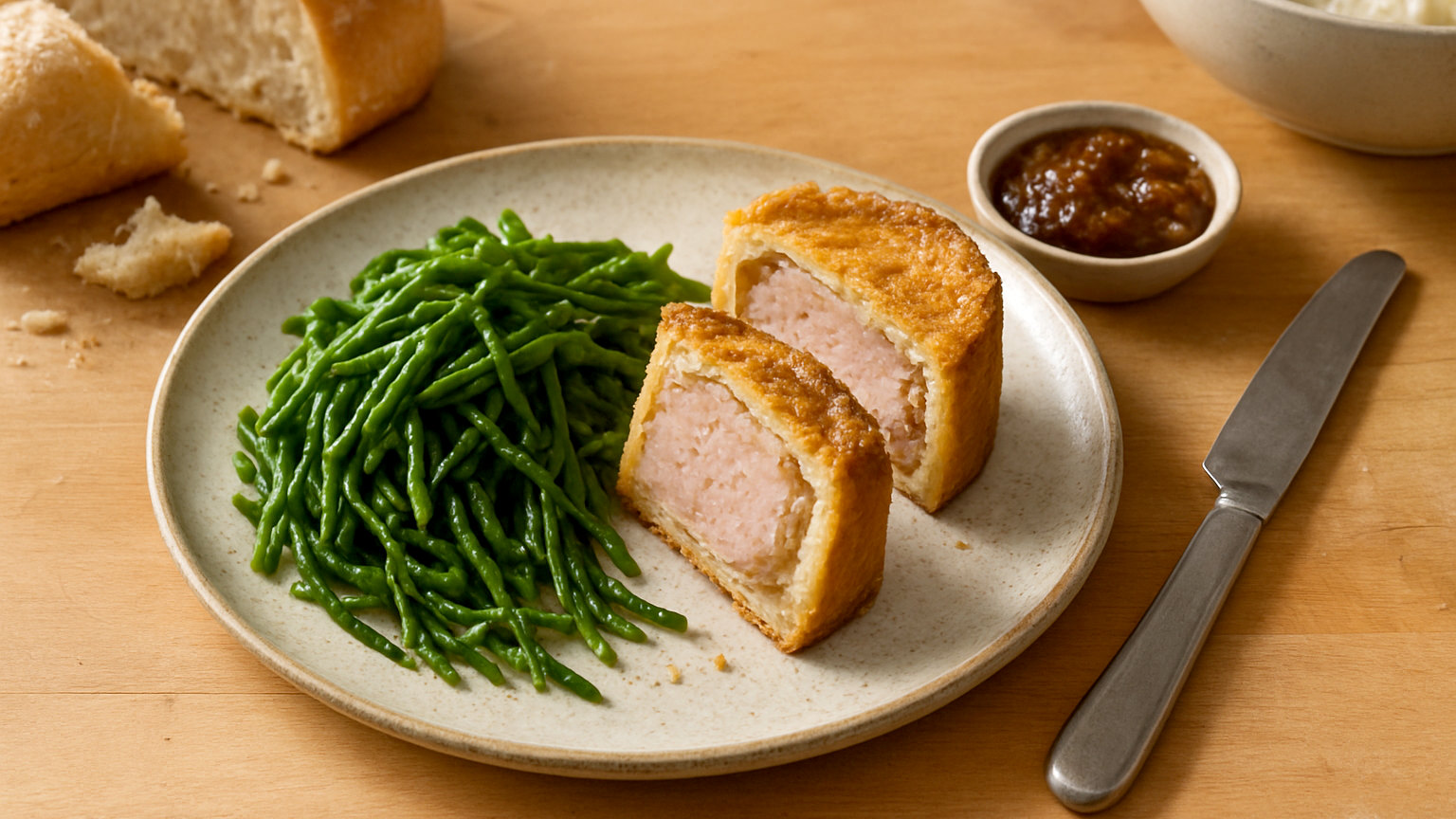
Samphire is a fleshy green coastal plant that tastes strongly of the sea, and it is one of the few genuinely wild foods still sold in British fishmongers. It grows on salt marshes and needs almost nothing done to it. The one rule that matters is that it should never be salted, since it has absorbed a great deal of salt already.
What is marsh samphire?
Salicornia, a succulent that grows on tidal salt marshes, particularly along the Norfolk and Lincolnshire coasts.
It has bright green fleshy stems and a woody core in older plants.
Is rock samphire the same?
No, and they are unrelated. Rock samphire grows on cliffs, has feathery leaves and a strong resinous flavour, and was traditionally pickled.
Marsh samphire is what is sold in shops and is far milder.
When is it in season?
June to September, with the best in July and August. Later in the season the stems become woody and stringy.
Early season samphire is tender enough to eat raw.
How should it be cooked?
Two or three minutes in boiling unsalted water, and nothing more. Overcooked samphire collapses and loses its snap, which is most of the point of it.
Steaming for the same time works equally well.
Does it need washing?
Rinse it in cold water to remove grit and any small shells. It grows in mud, so this matters.
Pick out any yellowing or slimy pieces.
Can it be grown at home?
It needs saline conditions and is difficult in an ordinary garden. Seeds are sold and success generally requires watering with salted water.
Buying it in season is considerably easier.
What about the woody stems?
Later in the season a tough core runs through the thicker stems. Eat the flesh by drawing the stem through your teeth, or use only the tender tips.
What does it go with?
Fish above all, particularly sea bass, cod and salmon. Also lamb, new potatoes and anything with butter.
Its saltiness means the rest of the plate needs less seasoning than usual.
Does it need butter or oil?
Butter is traditional and suits it well. A little olive oil and lemon works if it is going into a salad rather than alongside fish.
Can it be eaten raw?
Young samphire is good raw in a salad, chopped and scattered over tomatoes or into a potato salad.
It is crunchy and intensely salty.
Does it shrink when cooked?
Noticeably, by about a third, so buy more than looks necessary. A good handful per person raw is about right.
It also darkens slightly from bright green to olive.
How is it best served?
Blanched and tossed in melted butter with a squeeze of lemon and black pepper. No salt at all.
A handful alongside a piece of fish is a complete vegetable course.
Should it be pickled?
Pickling in spiced vinegar was the traditional way to keep it beyond the short season, and pickled samphire is good with cold meat and fish.
It keeps for months in sterilised jars.
Can you forage it?
It grows on salt marshes and is cut with scissors above the root so the plant regrows. Some sites are protected and permission may be needed.
Marshes are dangerous with fast incoming tides, so check tide times and go with someone who knows the ground.
Is it good for you?
It is high in minerals and vitamins and very high in sodium, which is worth knowing for anyone watching their salt intake.
A portion is a handful rather than a plateful.
Where can you buy it?
Fishmongers and farm shops along the east coast in season, and increasingly in supermarkets during July and August.
It is usually sold loose by weight.
How long does it keep?
Three days refrigerated in a bag. It can be pickled in vinegar and keeps for months that way.
It also freezes blanched for three months, though it loses its texture.
If that was useful, Norfolk Dumplings covers related ground, and there is plenty more in Regional recipes.


