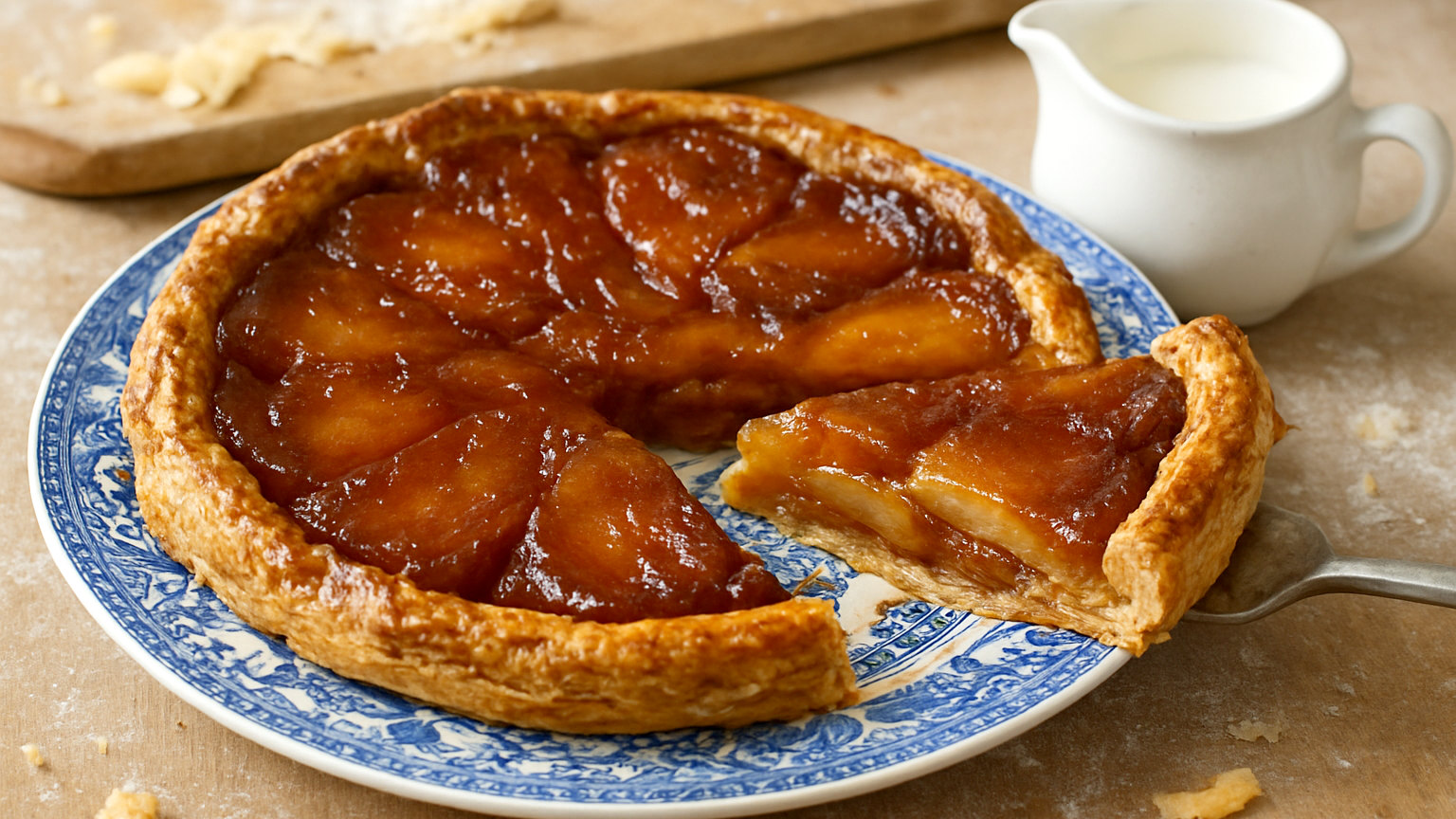
Tarte Tatin
Apples caramelised in the pan with pastry laid over the top, then turned out upside down. The caramel has to be dark before the pastry goes on.
By UK Recipes
12 Aug 2026

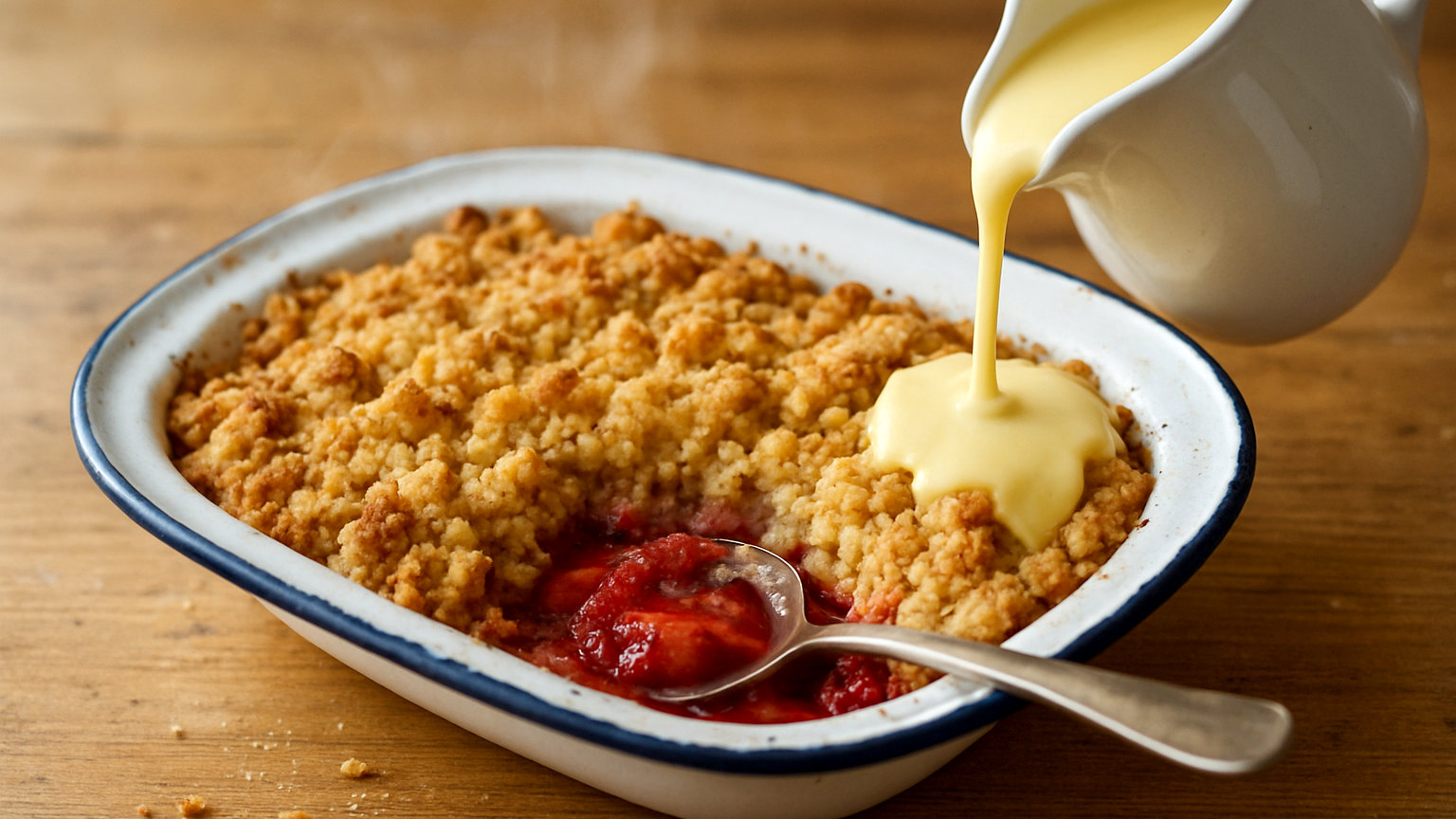
Pudding in the British sense covers a great deal: something steamed and turned out with custard, a crumble made from whatever is in the fruit bowl, a tart, a trifle, or a tray of biscuits. These are the ones worth knowing by heart, written with the quantities most people actually have to hand and in tins most kitchens own.
Apples caramelised in the pan with pastry laid over the top, then turned out upside down. The caramel has to be dark before the pastry goes on.
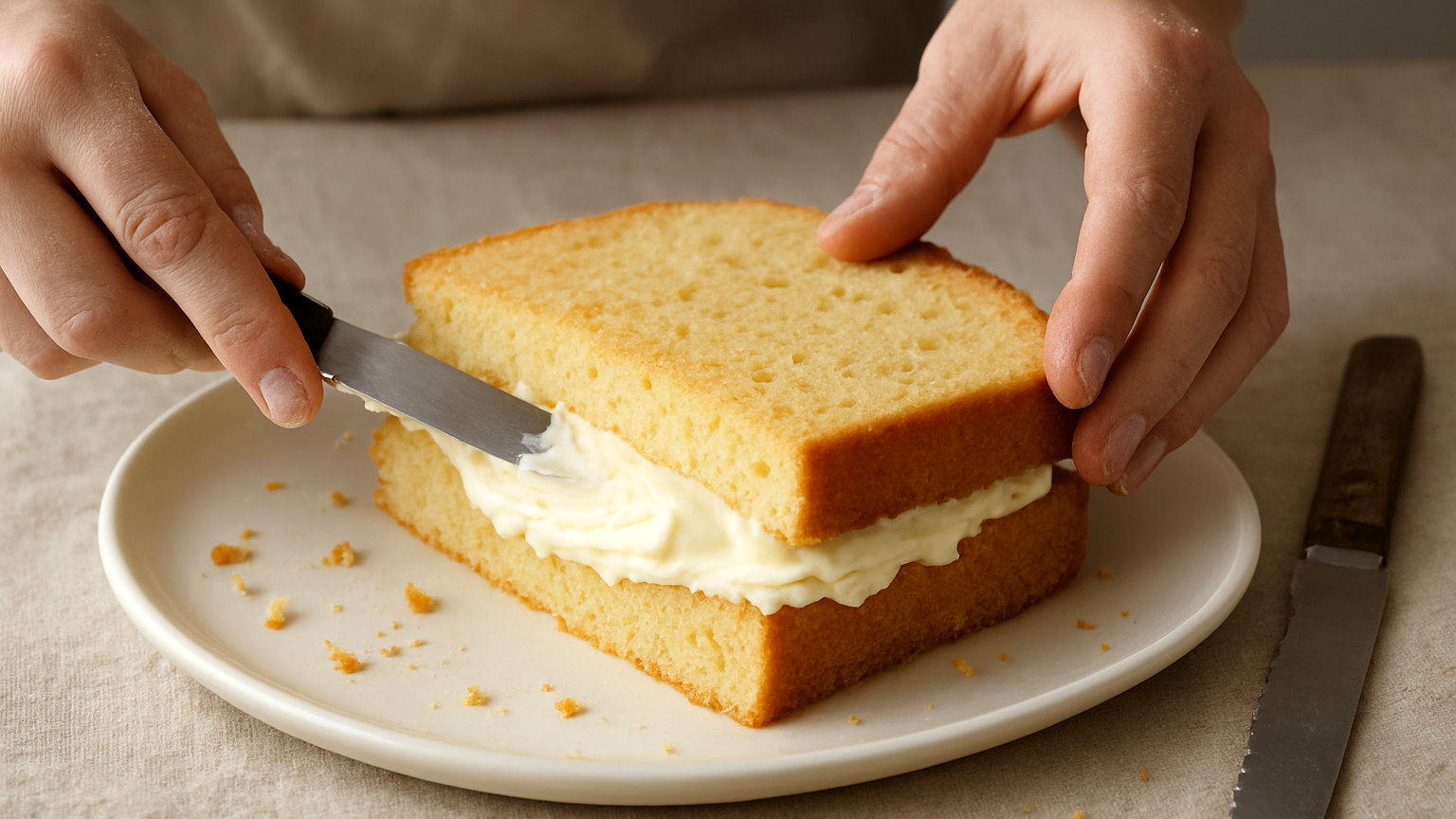
Four methods, each producing a different texture. Knowing which one a recipe is using explains most of what it tells you to do.
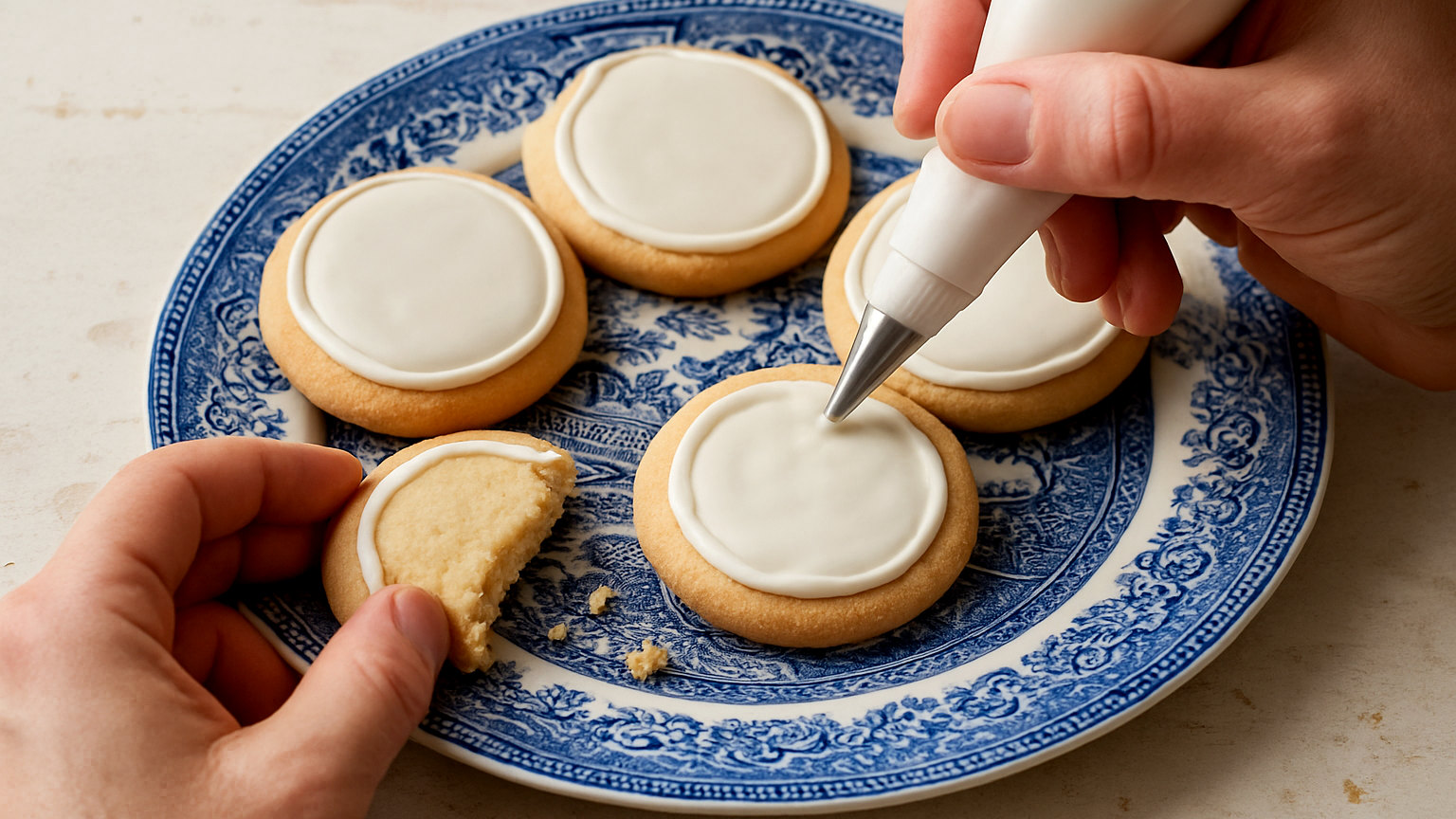
Two consistencies of the same icing: a firm one to outline and a looser one to flood. Getting the thickness right is most of the job.
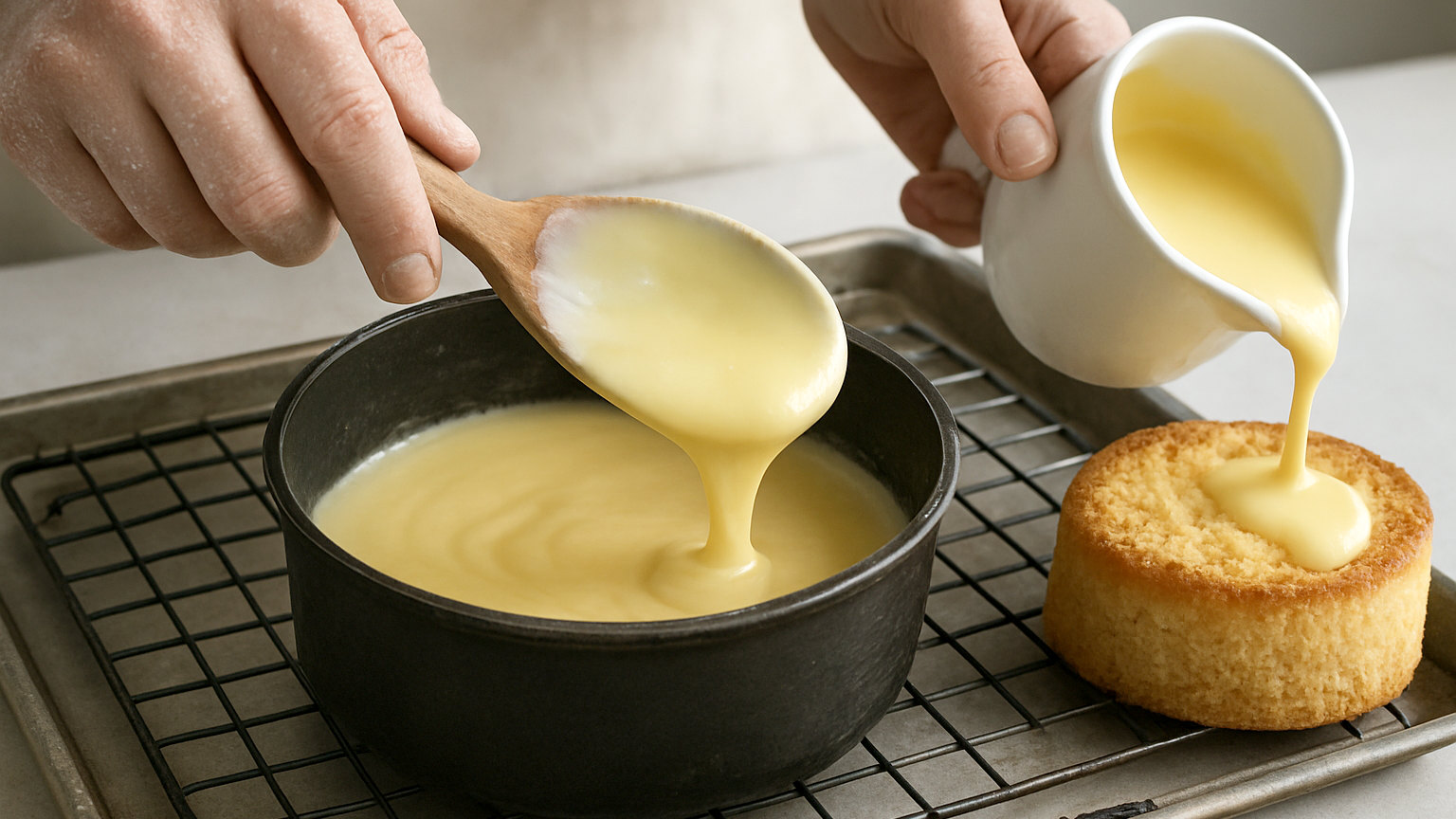
Pouring, thick set or pastry cream. Choosing the wrong one is why a trifle collapses or a tart filling runs across the plate.
A light everyday fruit slice rather than a Christmas cake. Soak the fruit in tea and bake it low and slow.
Freeze dried strawberry powder colours and flavours the fondant at once, which food colouring cannot. Contains nuts.
Blackcurrants are intensely sharp and stain everything purple. Keep them to a third of the filling.
A light everyday fruit loaf, not a Christmas cake. Soak the fruit in tea and bake it very slowly.
Between nothing and 200g per kilo depending on the fruit. Tasting it first is the only reliable method, and most recipes overshoot.
The same sponge as a treacle pudding with marmalade in the base instead. Sharper, less sweet, and better with cream than custard.
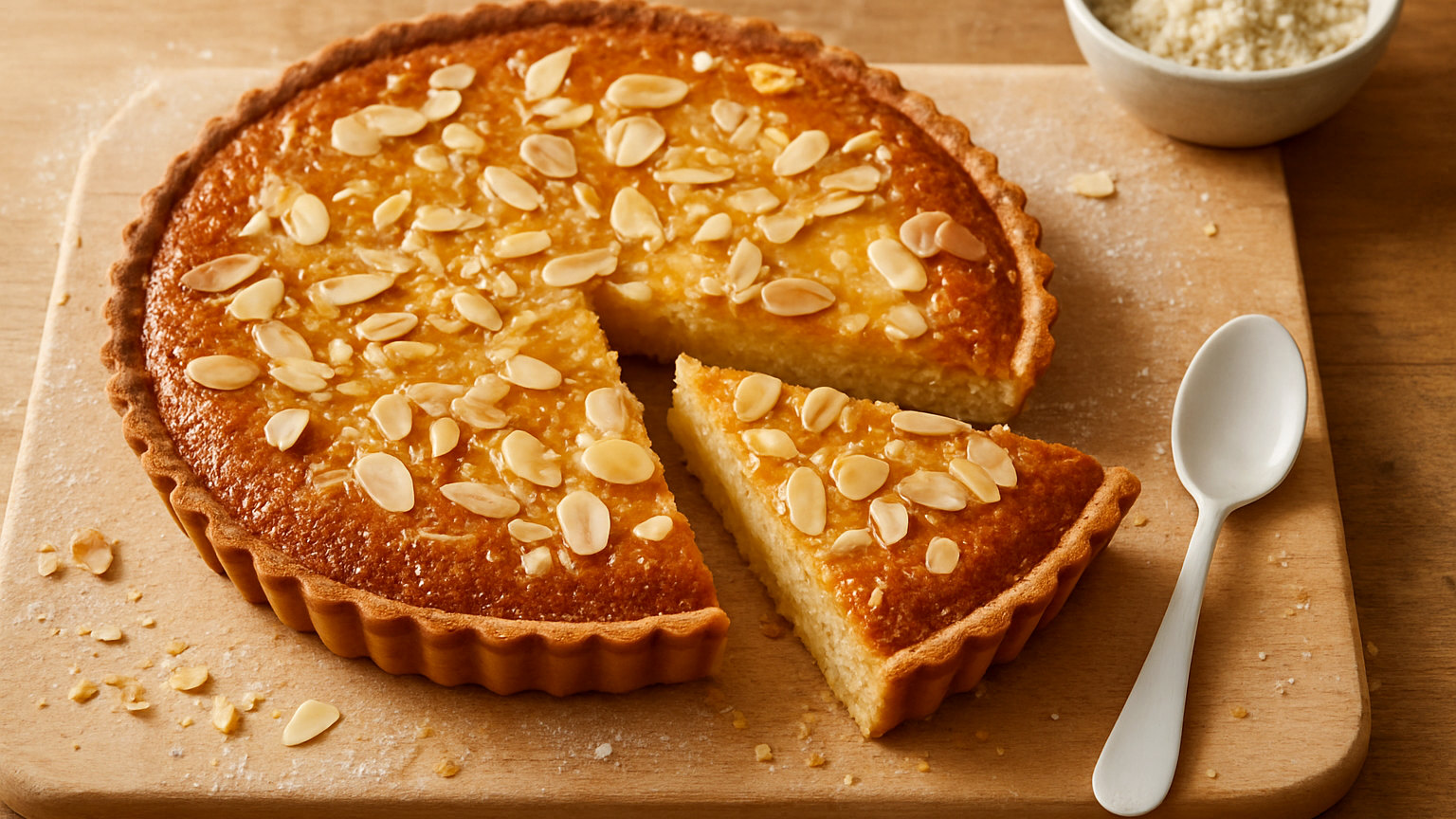
Equal weights of butter, sugar, eggs and ground almonds. One mixture that turns almost any fruit into a tart worth serving.
The structure had not set when the gas ran out. Opening the door, too much raising agent and underbaking are the three usual reasons.