Jam Tarts and Using Up Pastry Trimmings
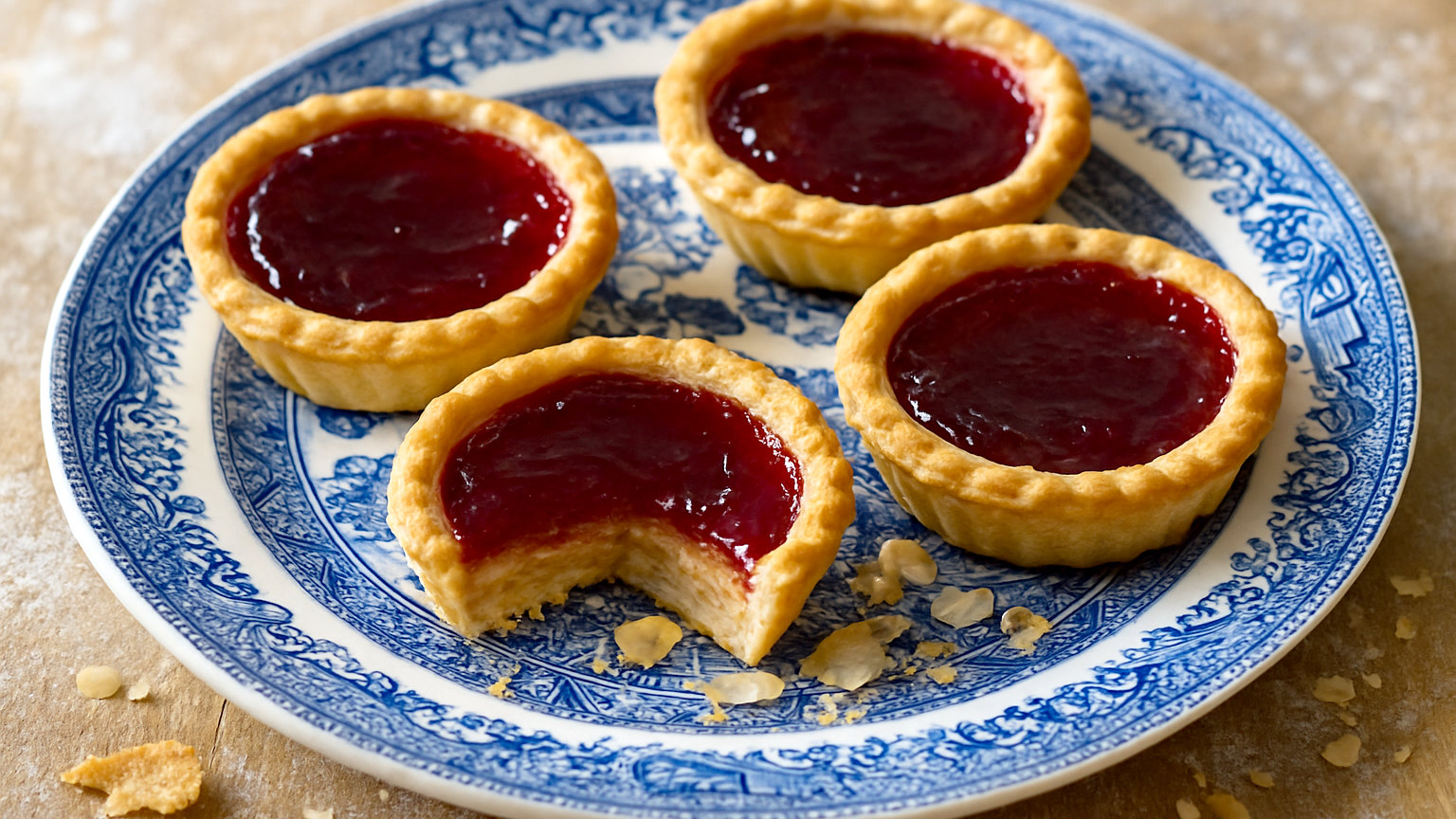
The first thing most people ever baked. Half a teaspoon of jam per tart, no more, or it boils over and welds itself to the tin.
By UK Recipes
15 Aug 2026

Pudding in the British sense covers a great deal: something steamed and turned out with custard, a crumble made from whatever is in the fruit bowl, a tart, a trifle, or a tray of biscuits. These are the ones worth knowing by heart, written with the quantities most people actually have to hand and in tins most kitchens own.
The first thing most people ever baked. Half a teaspoon of jam per tart, no more, or it boils over and welds itself to the tin.
Usually five minutes too long in the oven. Overbaking accounts for more dry cakes than every other cause put together.
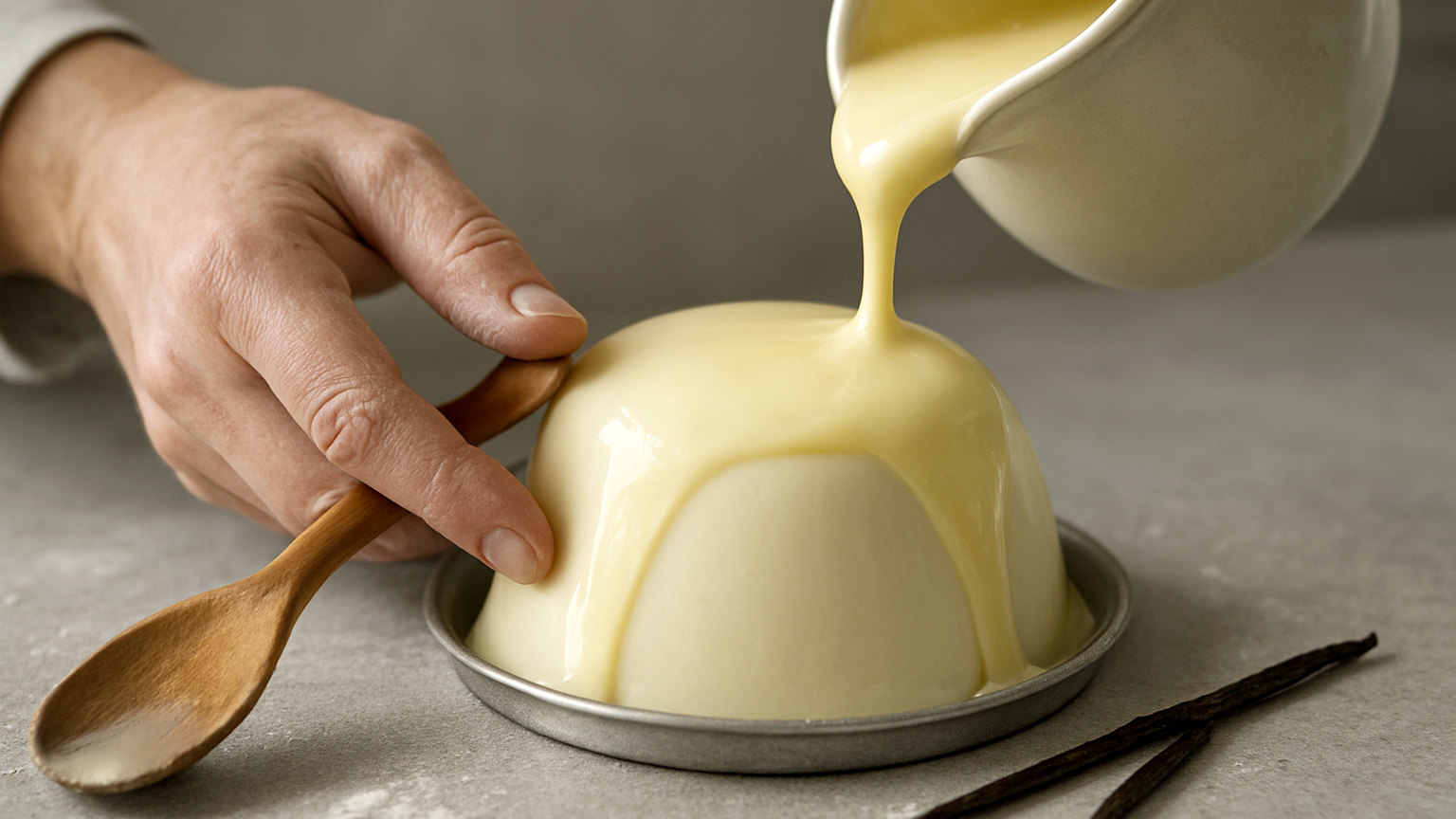
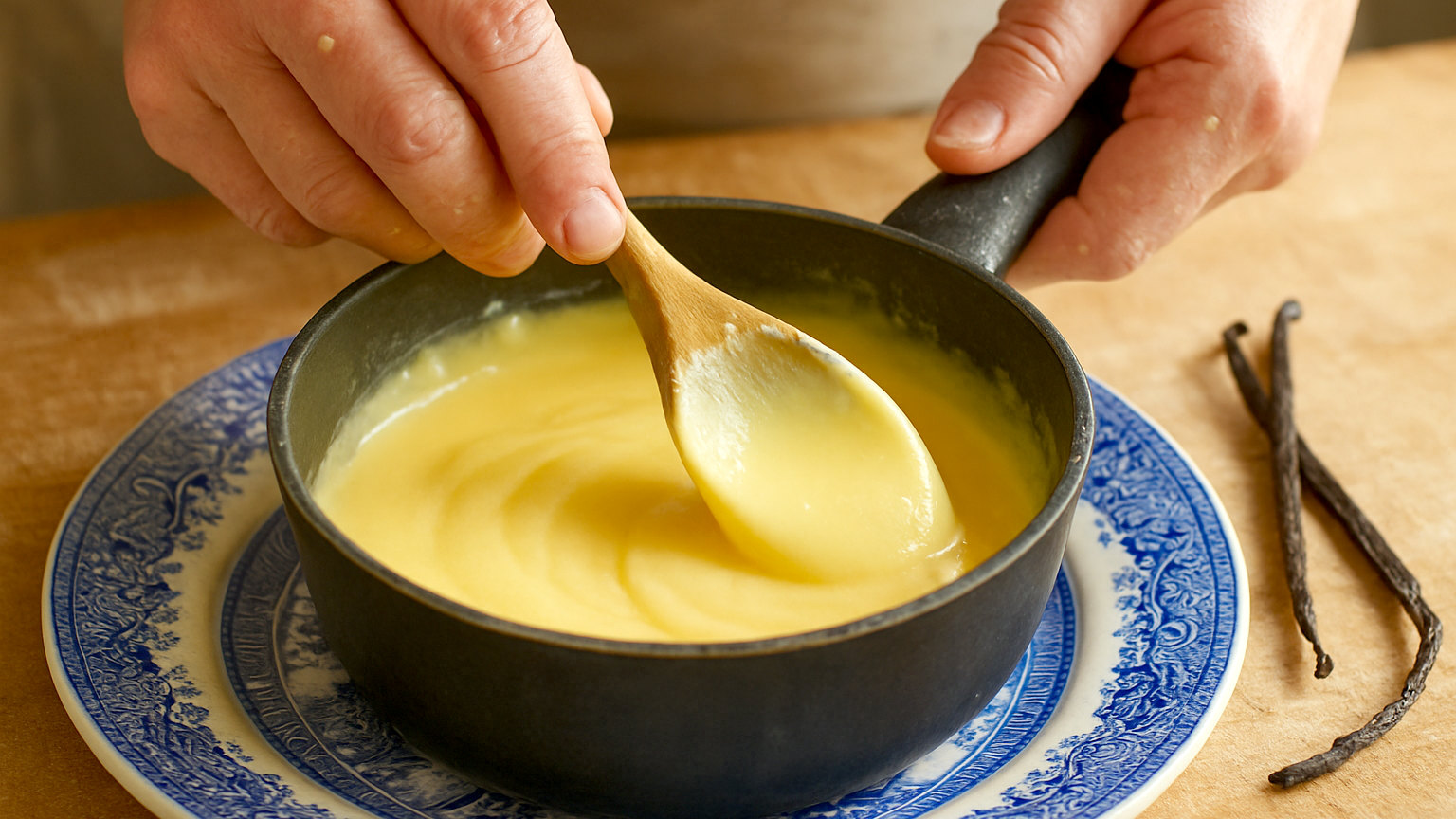
A set milk pudding turned out of a mould, thickened with cornflour rather than gelatine. Older, plainer and better than its reputation.
Cocoa in one half and chocolate marzipan outside. The contrast is stronger than the pink version. Contains nuts.
Cinnamon overwhelms apple very easily. A level teaspoon across the whole batch is the right amount.
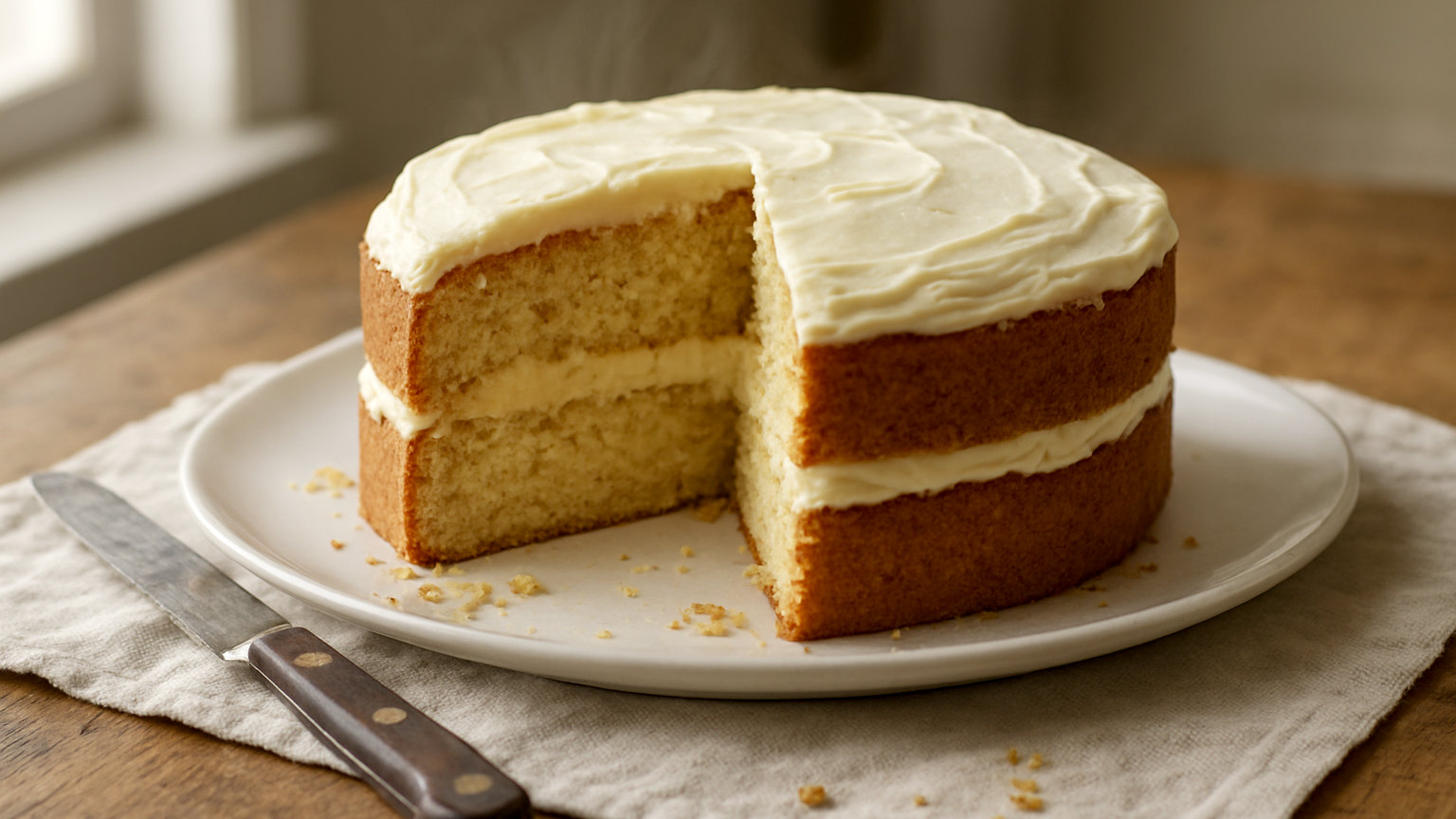
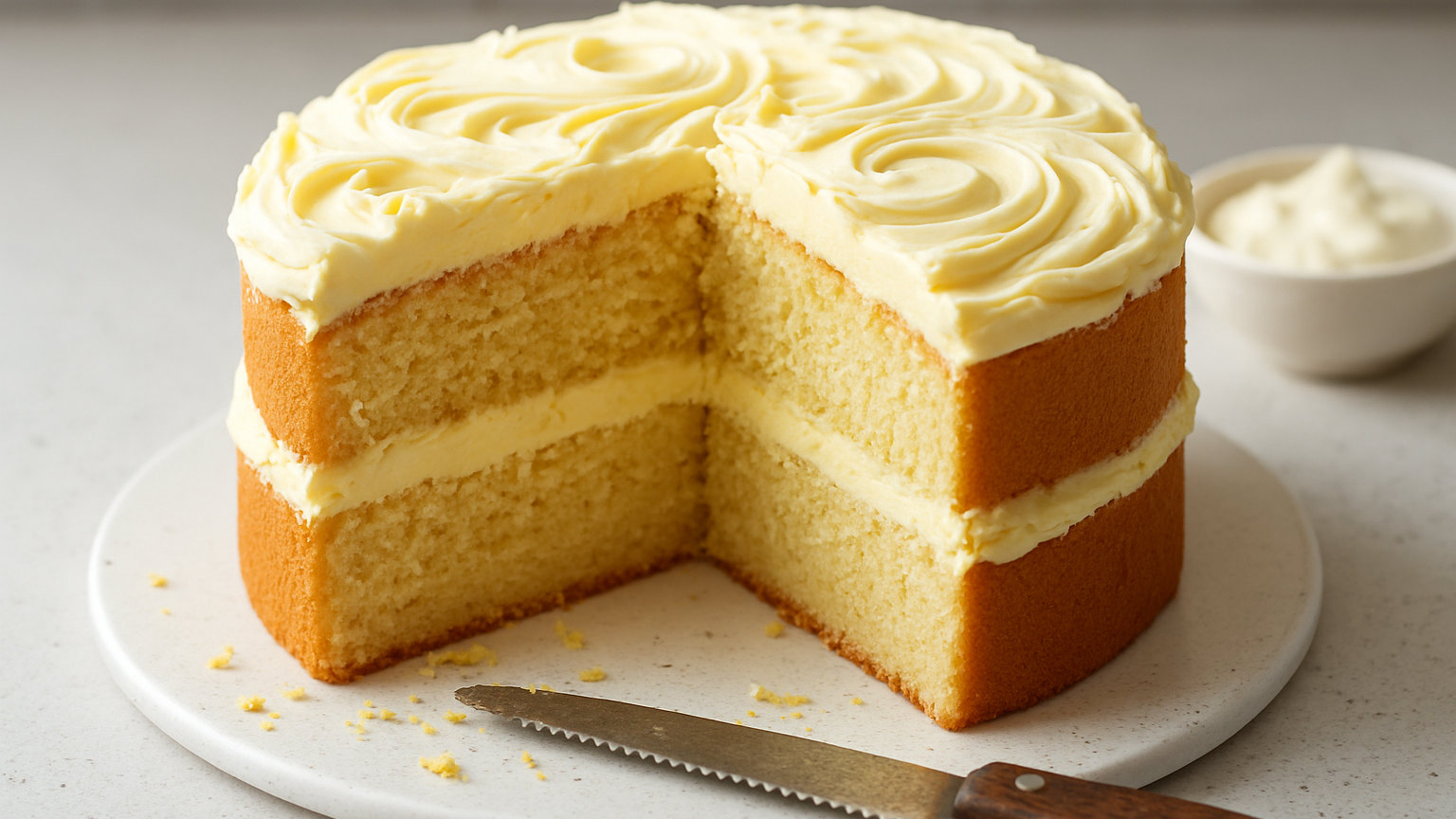
Two layers that need to come out flat. Even batter, a lower oven and strips round the tins do most of the work.
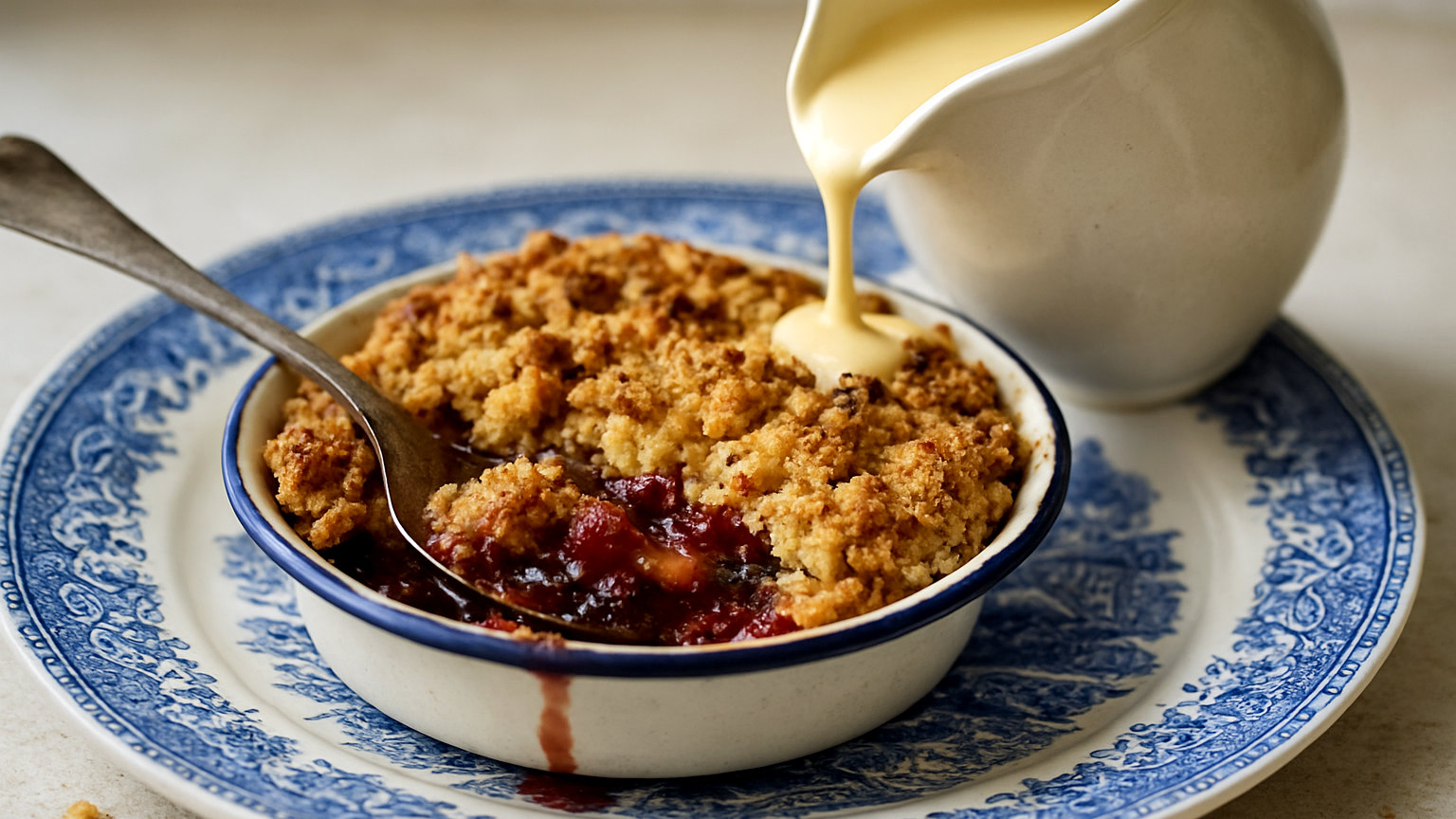
Small crumbles bake in half the time and portion themselves, which makes them the sensible option when people are coming round.
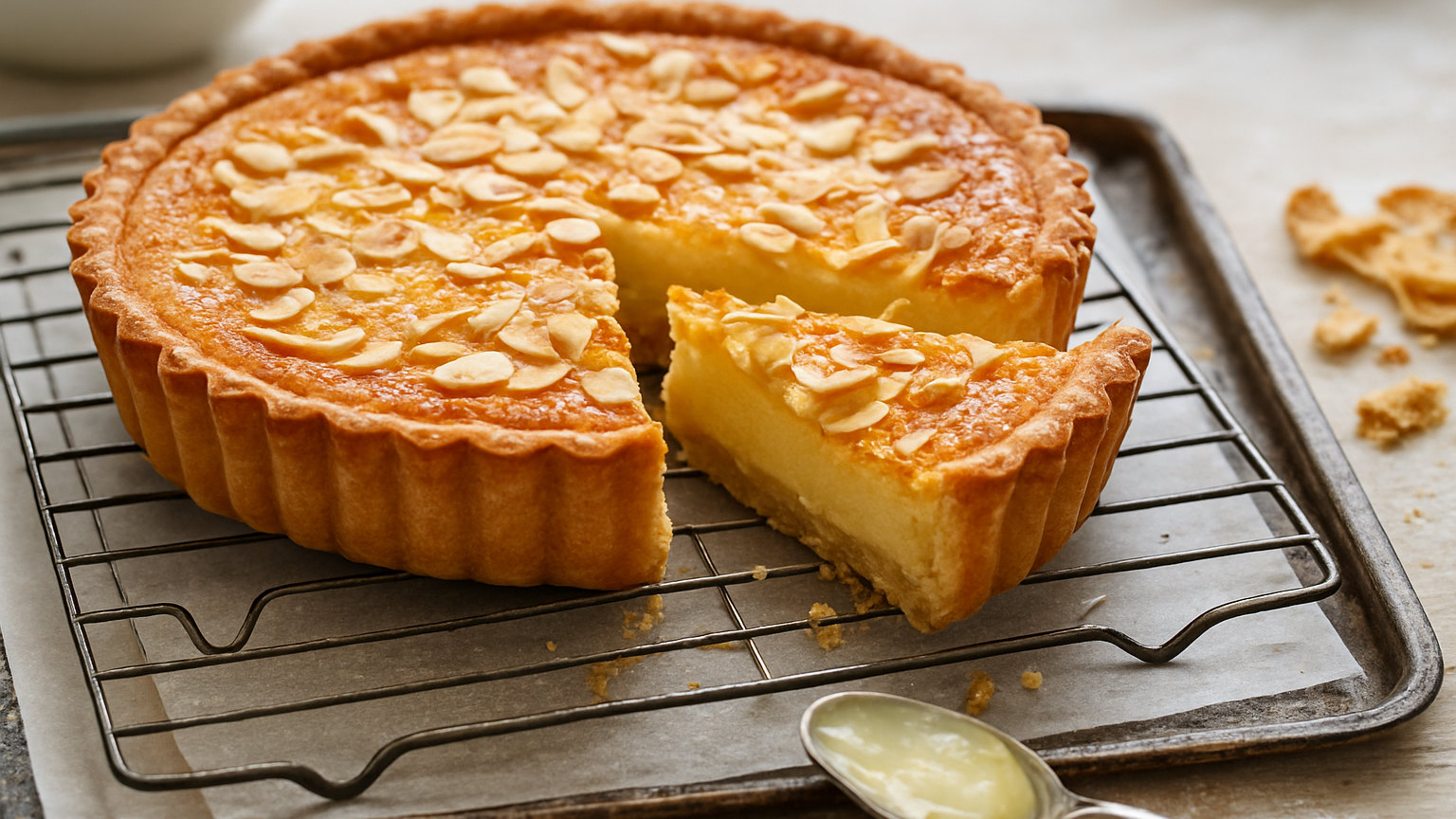
The pastry freezes beautifully and some fillings do not. Custard and meringue are the two that will not survive it.
Beat the butter alone before the sugar goes near it. That single step is the difference between light buttercream and a dense sweet paste.
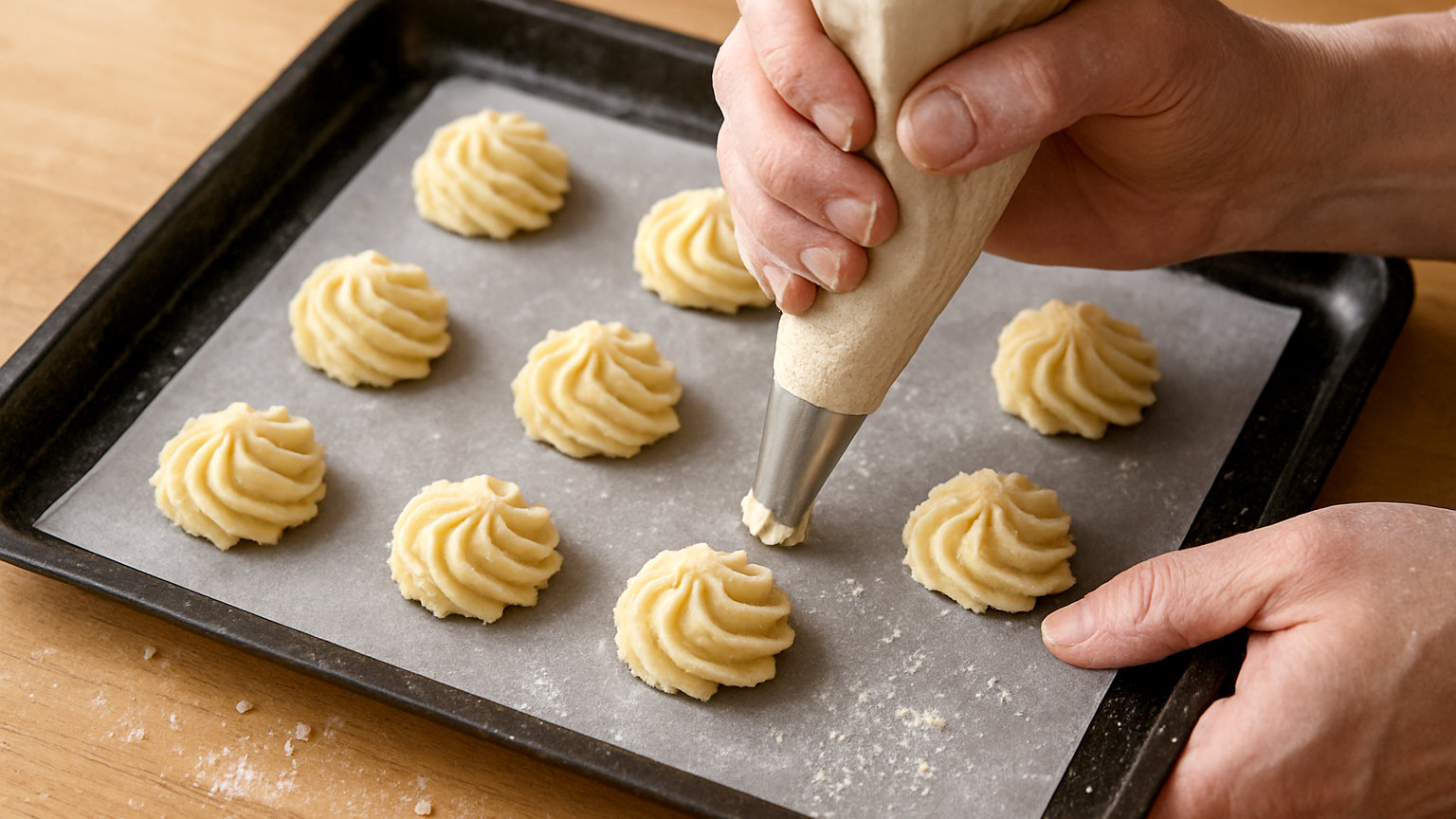
Portion it raw and bake from frozen. Six fresh biscuits in fifteen minutes is a better proposition than twenty going stale in a tin.
A rich egg custard churned or beaten as it freezes. Chilling the base overnight before churning is what makes the texture smooth.
Four batons of sponge, two pink and two plain, glued with jam and wrapped in marzipan. A foil divider makes it possible. Contains nuts.