Individual Trifles and Serving Glasses
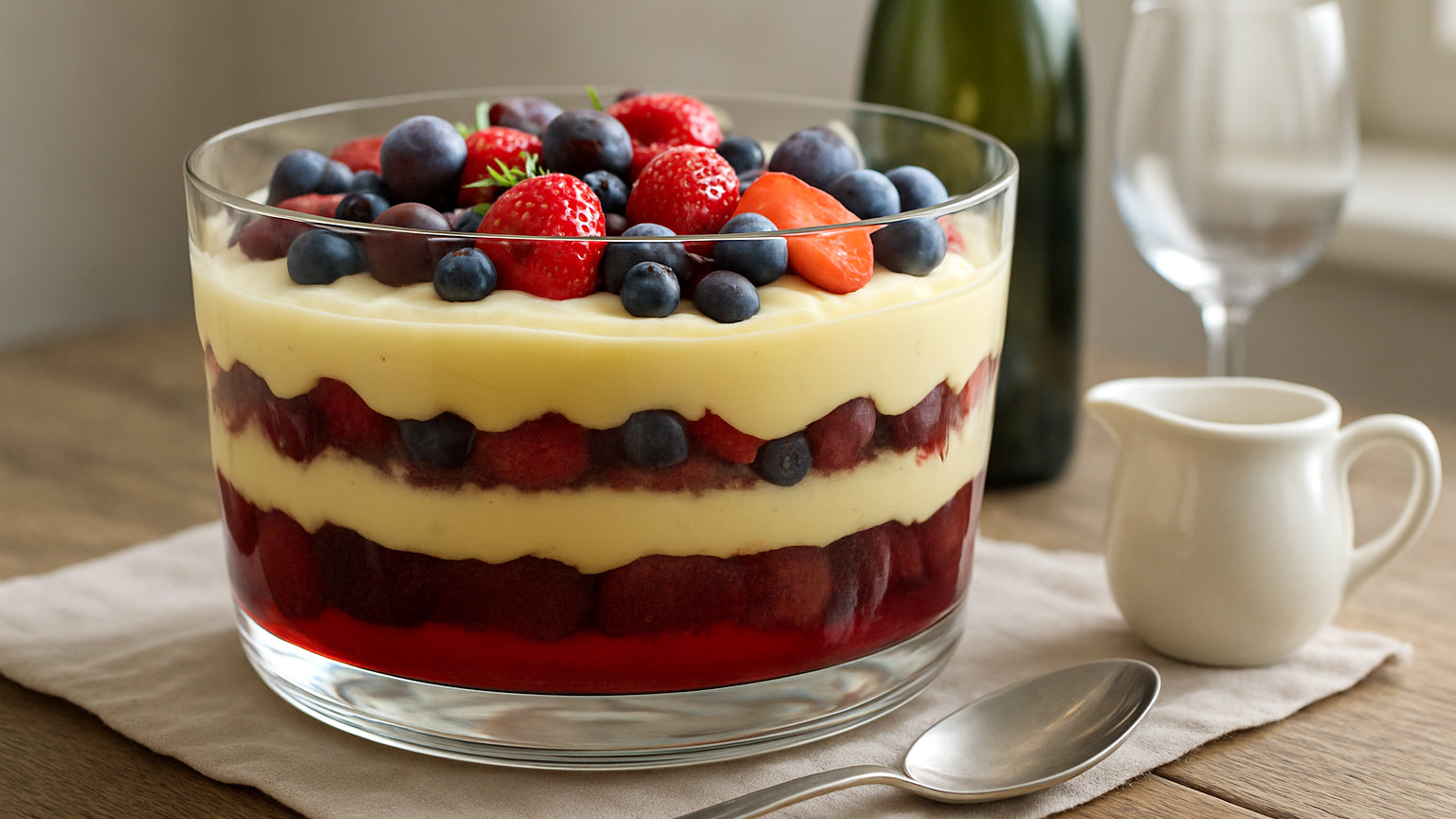
They portion themselves, set faster and look considerably better. The layers need to be thinner and the sponge cut smaller.
By UK Recipes
10 Aug 2026

Pudding in the British sense covers a great deal: something steamed and turned out with custard, a crumble made from whatever is in the fruit bowl, a tart, a trifle, or a tray of biscuits. These are the ones worth knowing by heart, written with the quantities most people actually have to hand and in tins most kitchens own.
They portion themselves, set faster and look considerably better. The layers need to be thinner and the sponge cut smaller.
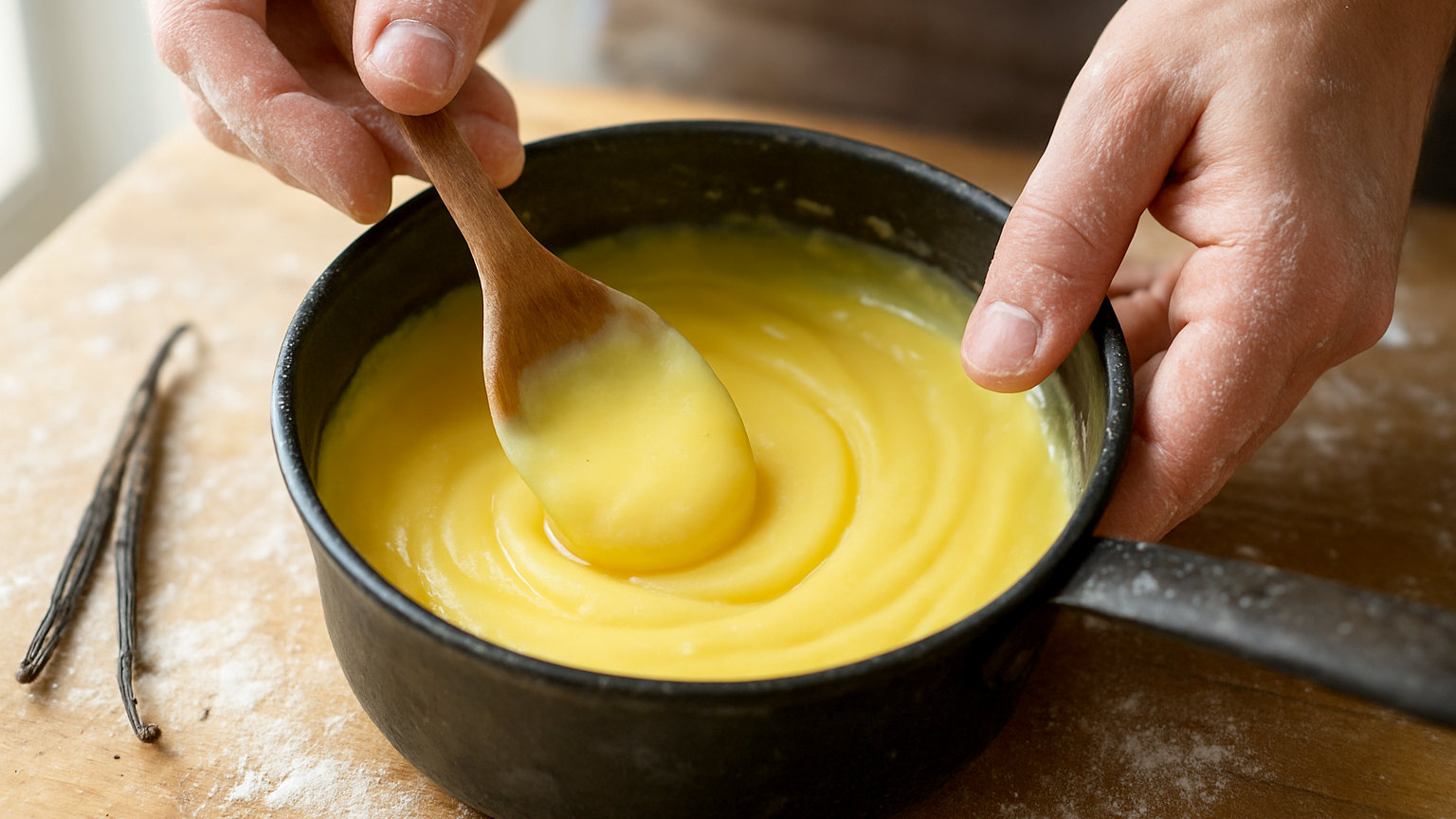
A thick custard set with cornflour, used to fill tarts, buns and eclairs. Unlike egg custard it must be boiled, which makes it far more forgiving.
The salt is the whole point and most versions are too timid with it. Flaky salt, added off the heat, and tasted as you go.
Cocoa in the fondant dulls the shine, so the chocolate goes in the sponge, the buttercream and the drizzle instead. Contains nuts.
A set caramel filling that holds its shape when cut, with flaky salt on top. Hot sugar, so adults at the pan.
An iced loaf rather than a drizzled one, and the crack down the middle is meant to be there.
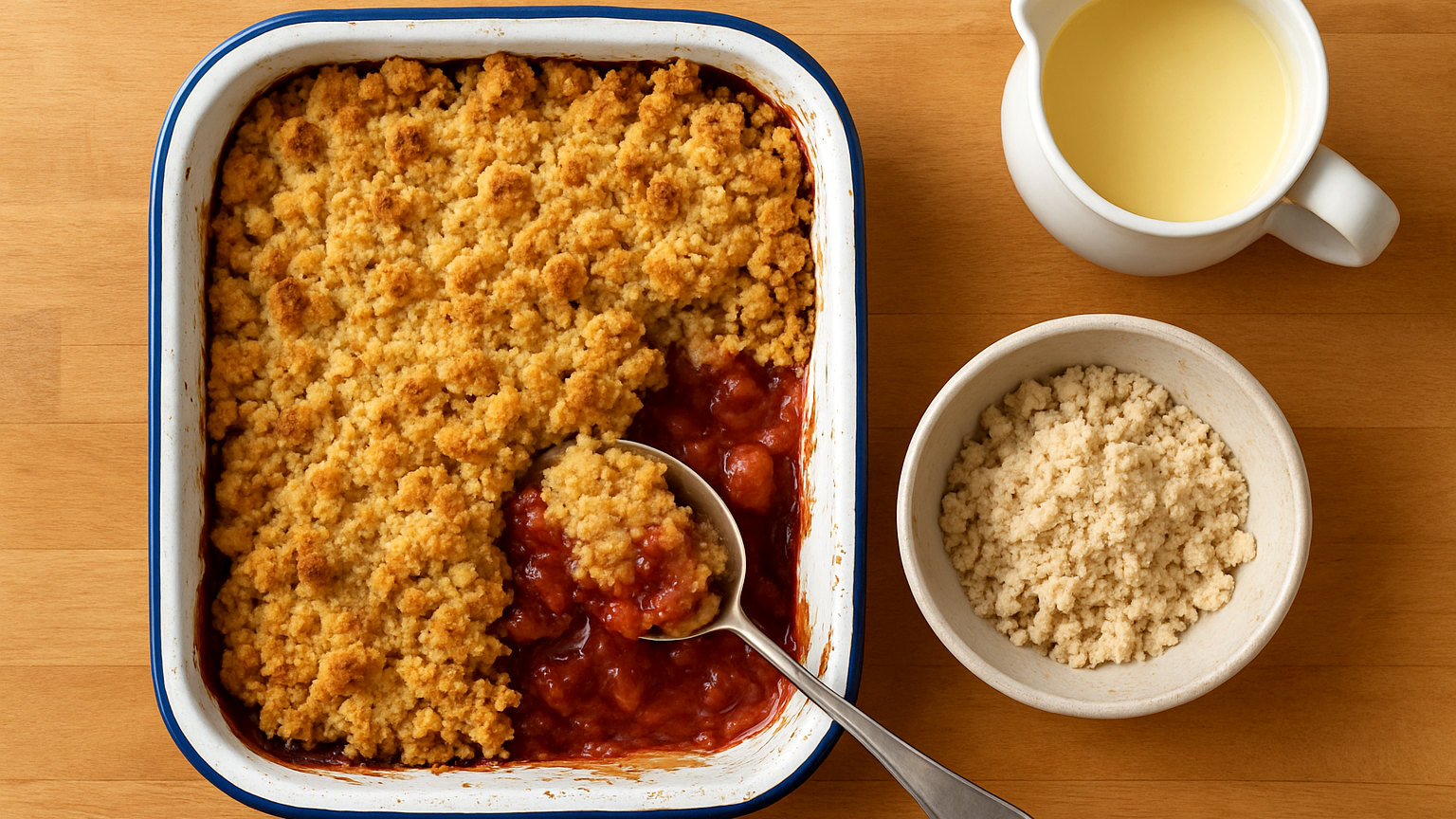
Four puddings that all put something over baked fruit, and each has a genuinely different topping. Only one of them is British.
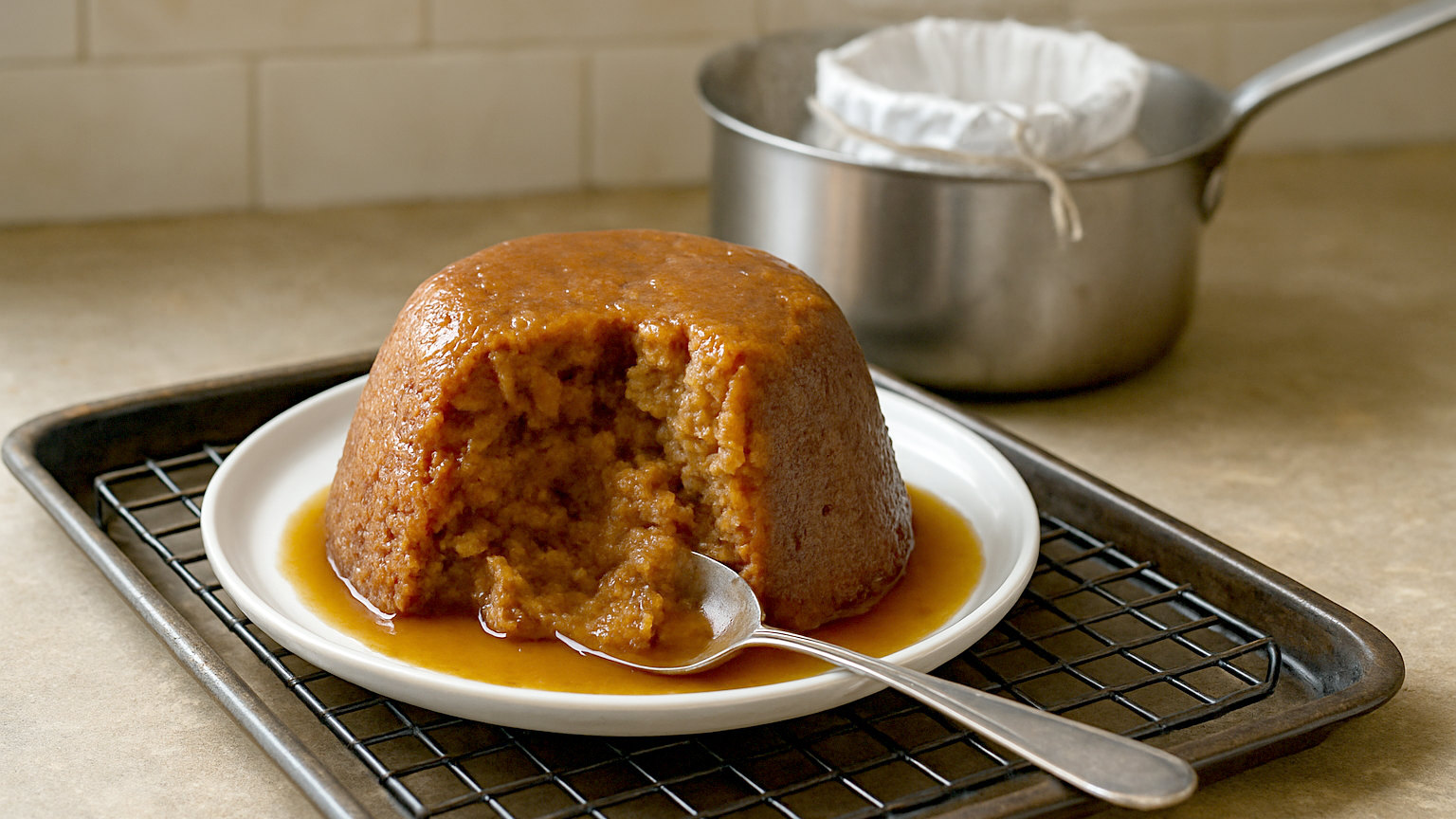
Water got in, the cover was too tight, or the mixture was too stiff. Five causes, all of them decided before the basin goes in the pan.
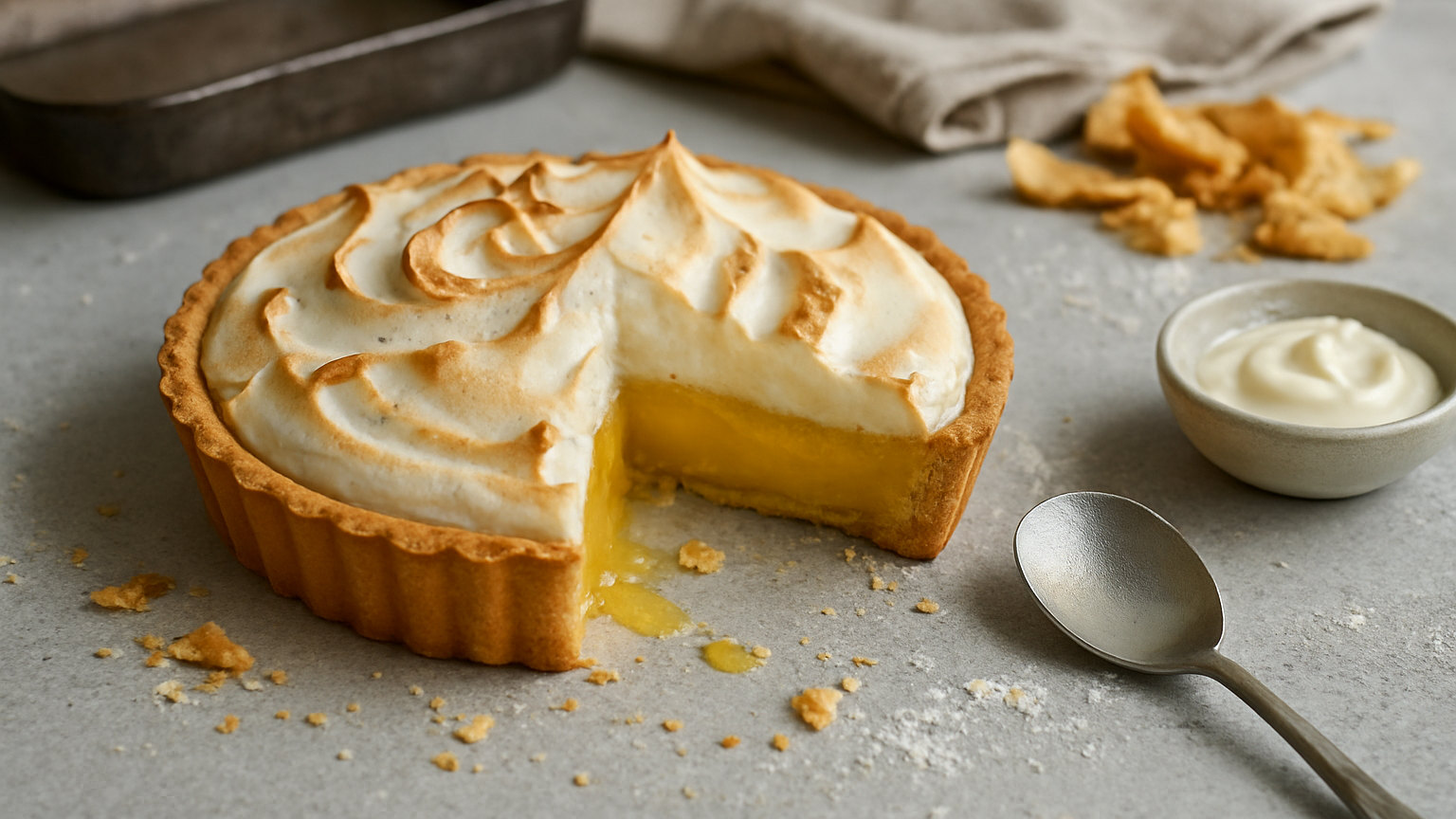
Two different faults with two different causes. Liquid underneath means the meringue went onto cold filling, and beads on top mean undissolved sugar.
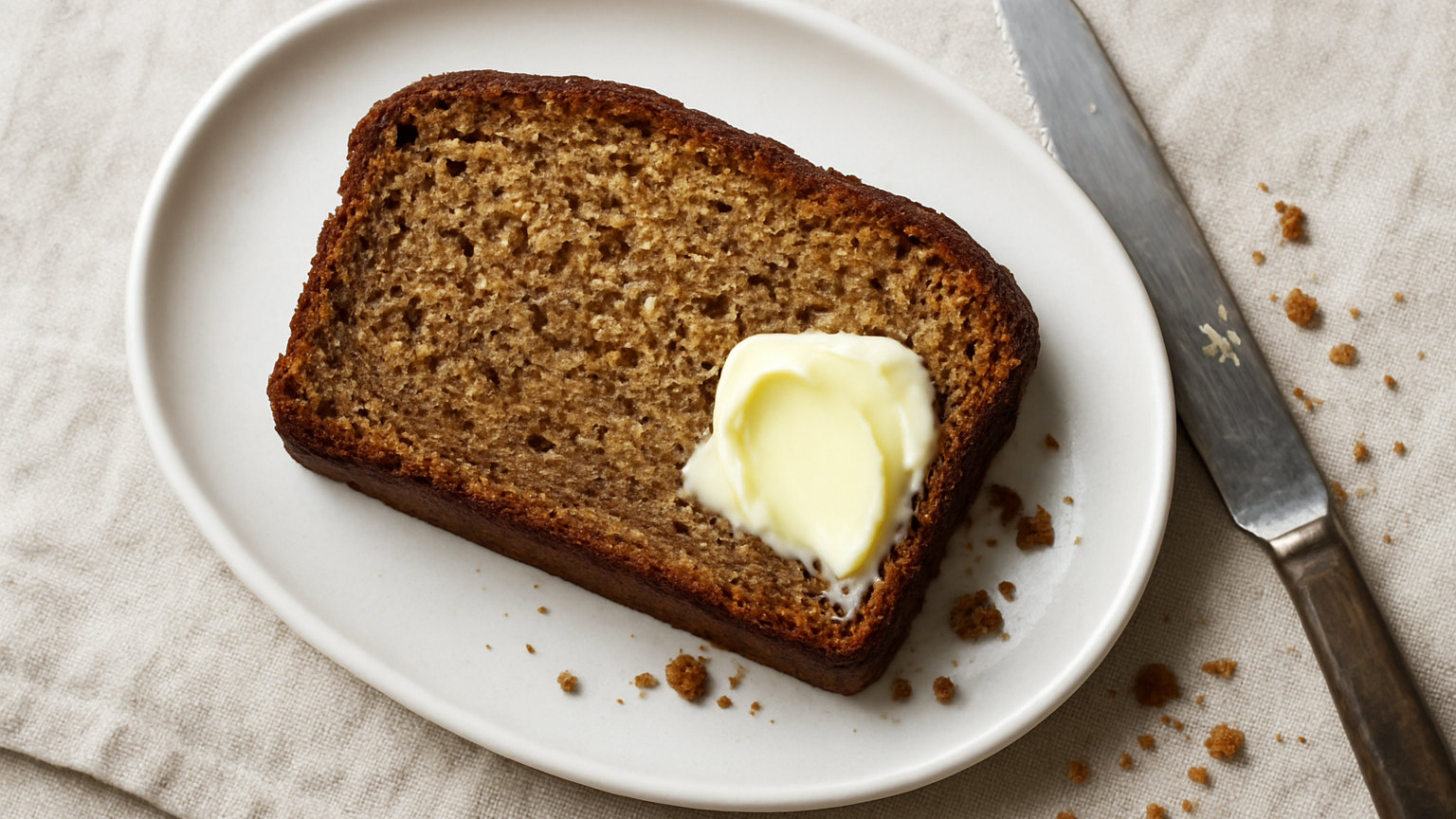
The bananas have to be black, not spotted. Underripe bananas are the reason most home banana bread tastes of very little.
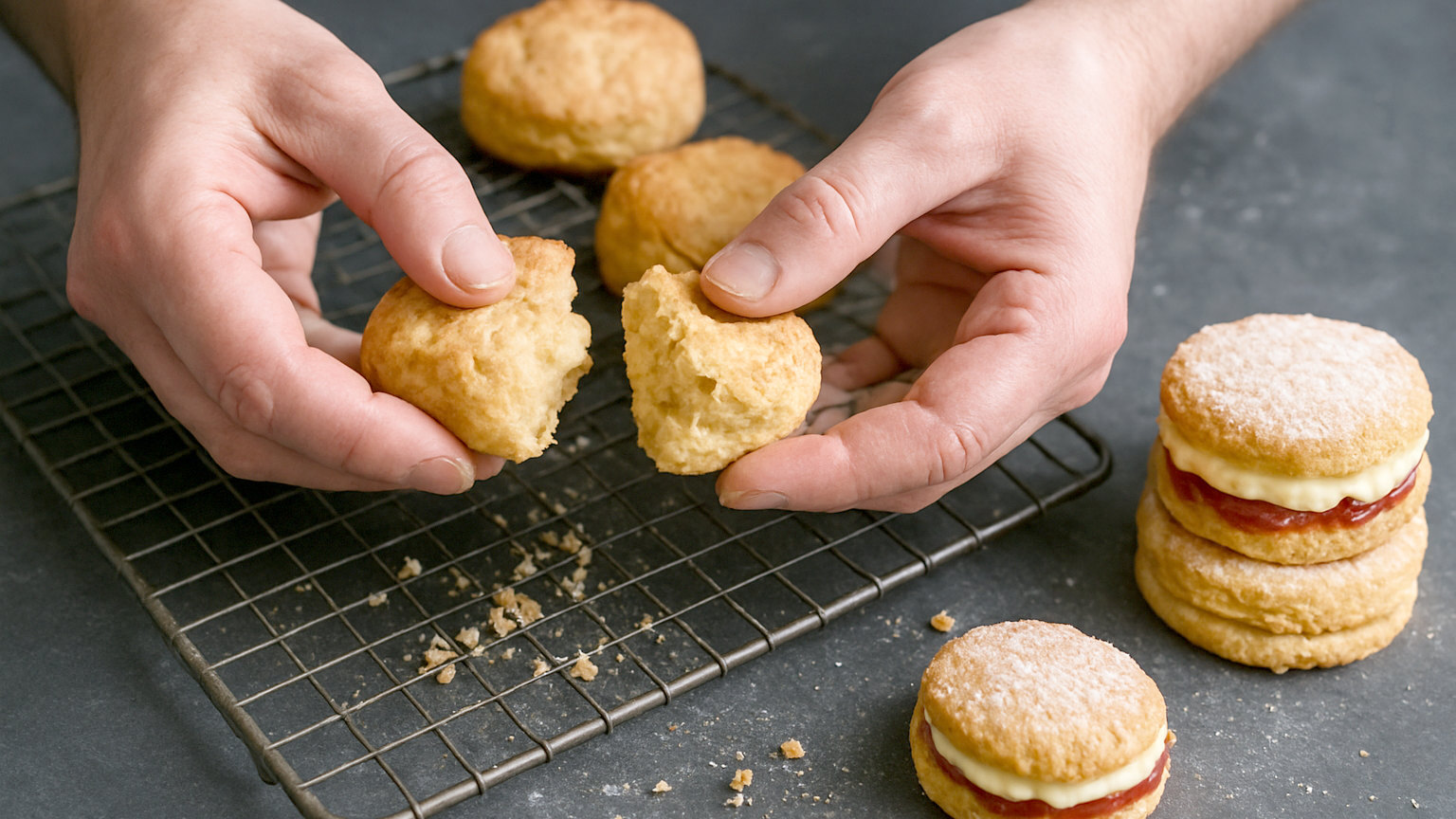
Sugar type, fat, flour and baking time each pull in a direction. Change one and you can move the same recipe from soft to snapping.
Build it to the custard the day before and add the cream on the day. A working timetable for a trifle that has to be ready at a set hour.