
A trifle built in individual glasses solves several problems at once. Nobody has to serve it, everyone gets the same proportion of each layer, and the layers are visible from every side rather than only where they touch the bowl. The construction is the same and the proportions have to be adjusted.
What glasses work best?
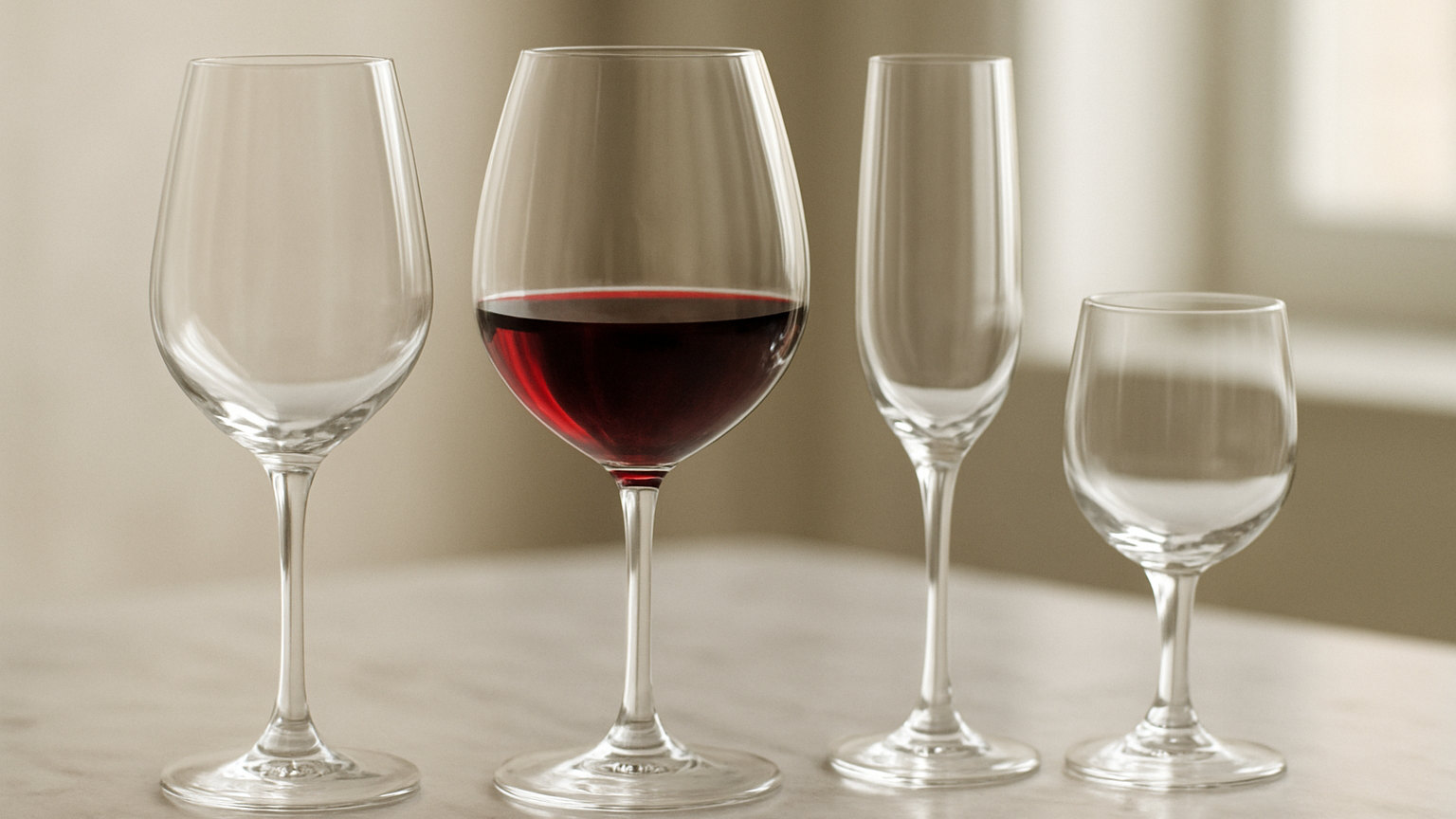
Straight sided tumblers of about 250ml. Wine glasses look elegant and are awkward to eat from, since a spoon will not reach the bottom.
Small jam jars and stemless wine glasses both work well.
How much per person?
About 250ml total, which is roughly 40g of sponge, 60g of fruit, 80ml of custard and 60ml of whipped cream.
That is a smaller portion than most people cut from a large bowl, and it is usually enough.
Should the layers be thinner?
Yes, and evenly so. In a small glass a 4cm sponge layer takes up most of the height. Aim for four layers of roughly equal depth, each about 2cm.
Cut the sponge into small cubes so it packs neatly against the glass.
How do you keep the layers neat?
Pipe the custard and cream in with a piping bag rather than spooning them, which stops smears on the inside of the glass.
Wipe the rim with kitchen paper before the next layer goes in.
How do you carry eight glasses?
On a tray with a folded tea towel under them so they cannot slide. Fill them where they will be chilled rather than moving them full.
A baking tray with a lip is safer than a flat one.
Do they set faster?
Considerably. A small glass chills through in about two hours against four or more for a large bowl.
Jelly also sets faster in a small volume.
How far ahead can they be made?
Build to the custard a day ahead and add cream on the day, exactly as for a large trifle.
Cover each glass with cling film so they do not pick up flavours from the fridge.
Do they travel?
Better than a large bowl, particularly in jars with lids. Useful for taking a pudding to someone else.
Keep them cold in transit, in line with Food Standards Agency guidance.
Can other puddings be built this way?
Eton mess, fruit fool, syllabub over fruit and summer pudding all suit individual glasses.
Anything layered benefits from being seen from the side.
Do the proportions change?
Slightly. Small glasses need proportionally less sponge, since a thick base dominates the glass and leaves no room for the layers above.
Reduce the sponge by about a third compared with a large bowl.
Should they be filled to the top?
Leave about 1cm clear so the topping sits below the rim and the glass can be covered without touching the cream.
What can go on top?
Toasted flaked almonds, crushed amaretti, grated chocolate, a single raspberry or a shard of brandy snap.
Add anything crisp at the last moment, since it softens within an hour.
Do they need to match?
Not at all, and mismatched glasses look deliberate rather than careless. What matters is that they hold roughly the same volume.
Measure one with water first if you are unsure.
How do you fill them cleanly?
Use a piping bag or a jug with a good spout, and fill from the centre so nothing runs down the inside of the glass.
A long handled teaspoon is useful for pressing each layer level.
Can you use disposable pots?
Clear plastic pots with lids are practical for a large party or a picnic, and they stack in the fridge.
Glass looks considerably better if you are serving at a table.
Is it more work?
The assembly takes about ten minutes longer for eight glasses than for one bowl, and you save all the serving at the table.
For anything beyond a family meal it is usually worth it.
If that was useful, How to Whip Cream Properly covers related ground, and there is plenty more in Puddings recipes.

