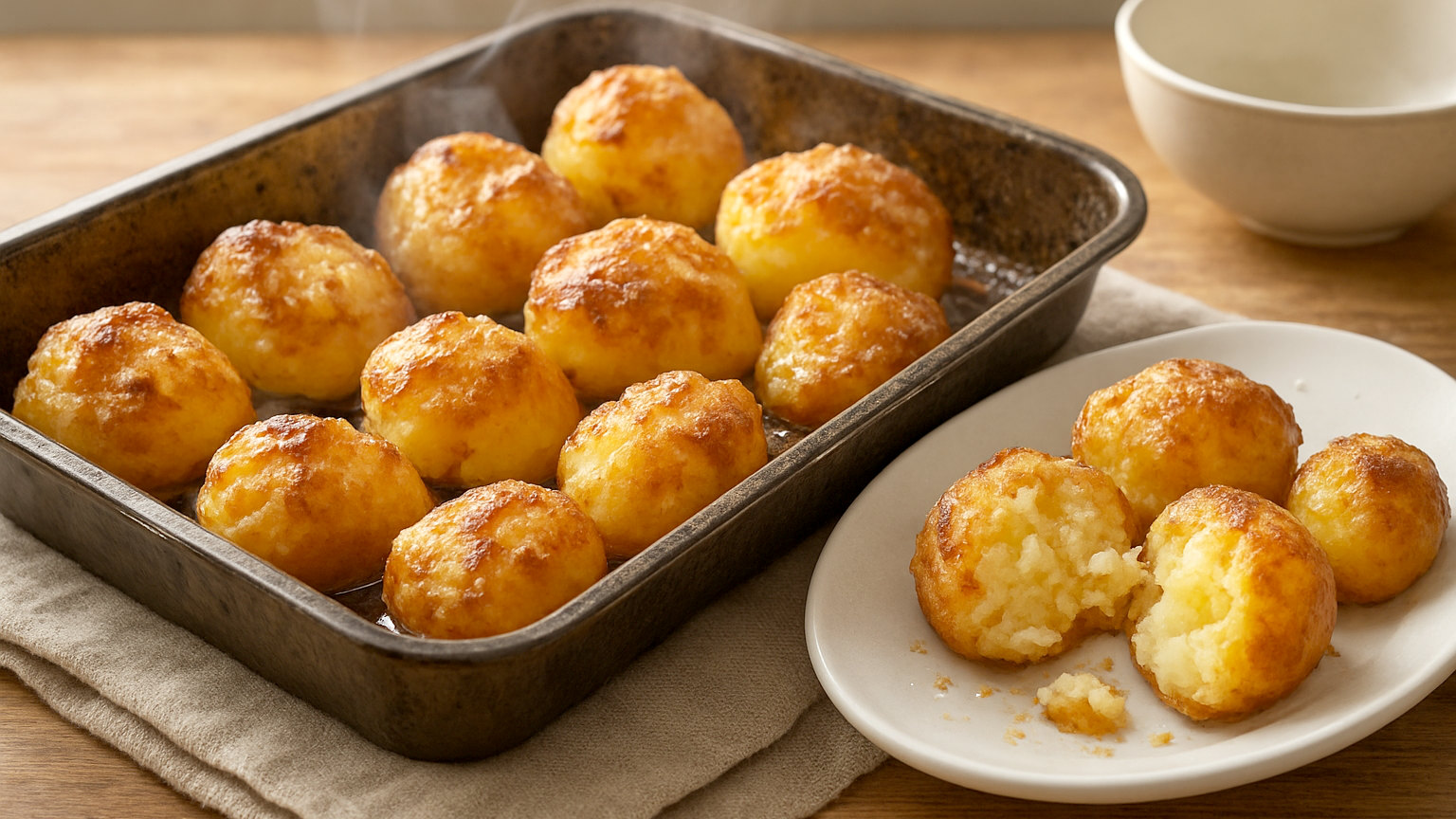
Cauliflower Cheese for a Sunday Roast
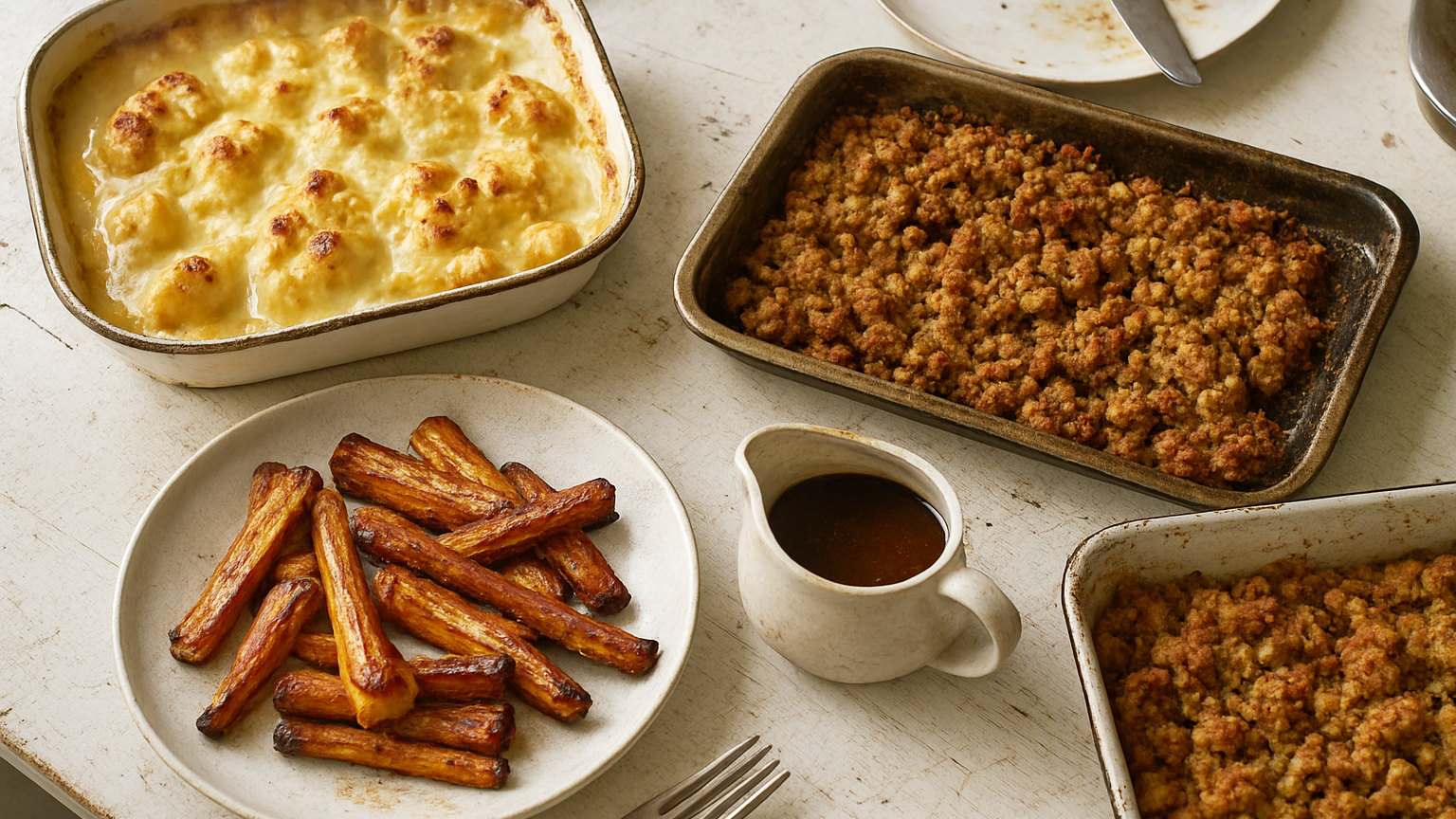
The sauce should be thicker than you think and the cauliflower drier. Watery cauliflower cheese is the result of skipping both.
By UK Recipes
3 Aug 2026

The Sunday roast is the one meal most of us cook to a schedule, and the difficulty was never the meat - it is getting everything to the table hot at the same time. These recipes give the timings per kilo, the resting time that matters more than people think, and a running order for the whole meal, so the potatoes are crisp and the gravy is made while the joint rests.
The sauce should be thicker than you think and the cauliflower drier. Watery cauliflower cheese is the result of skipping both.
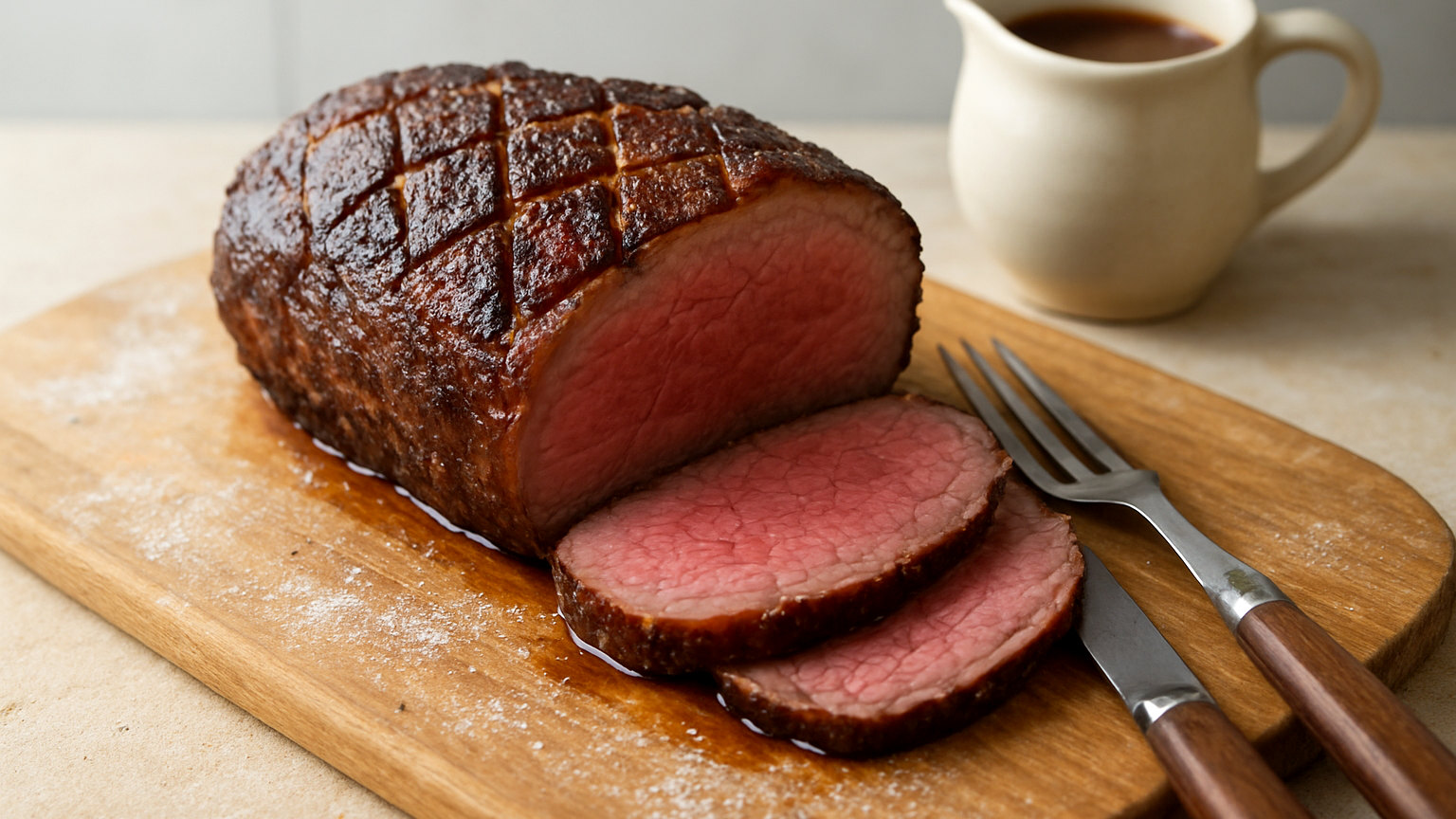
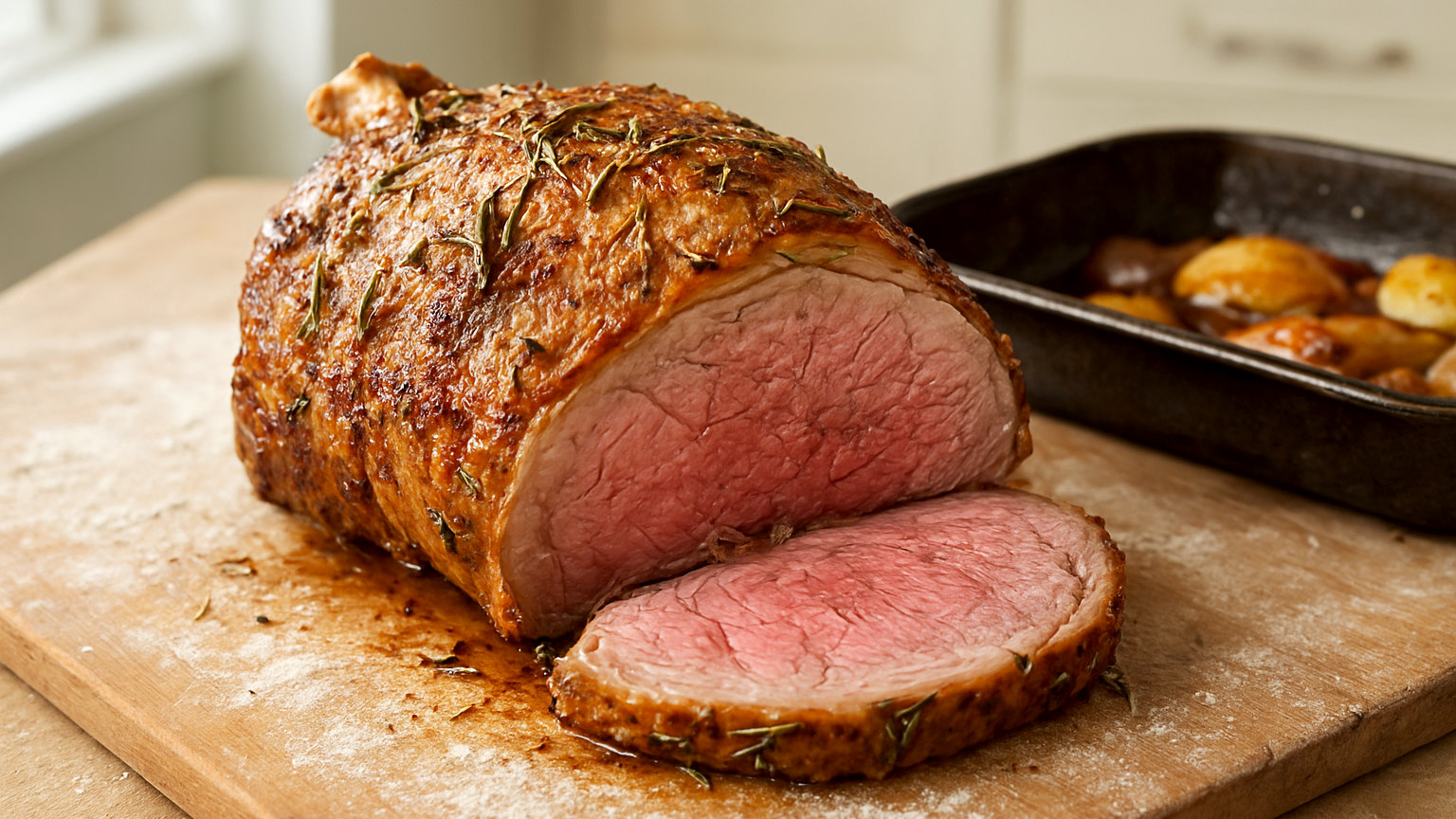
Topside is lean and unforgiving, so it has to come out pink and be carved thin. Roasted on a bed of onions, it makes its own gravy while it cooks.
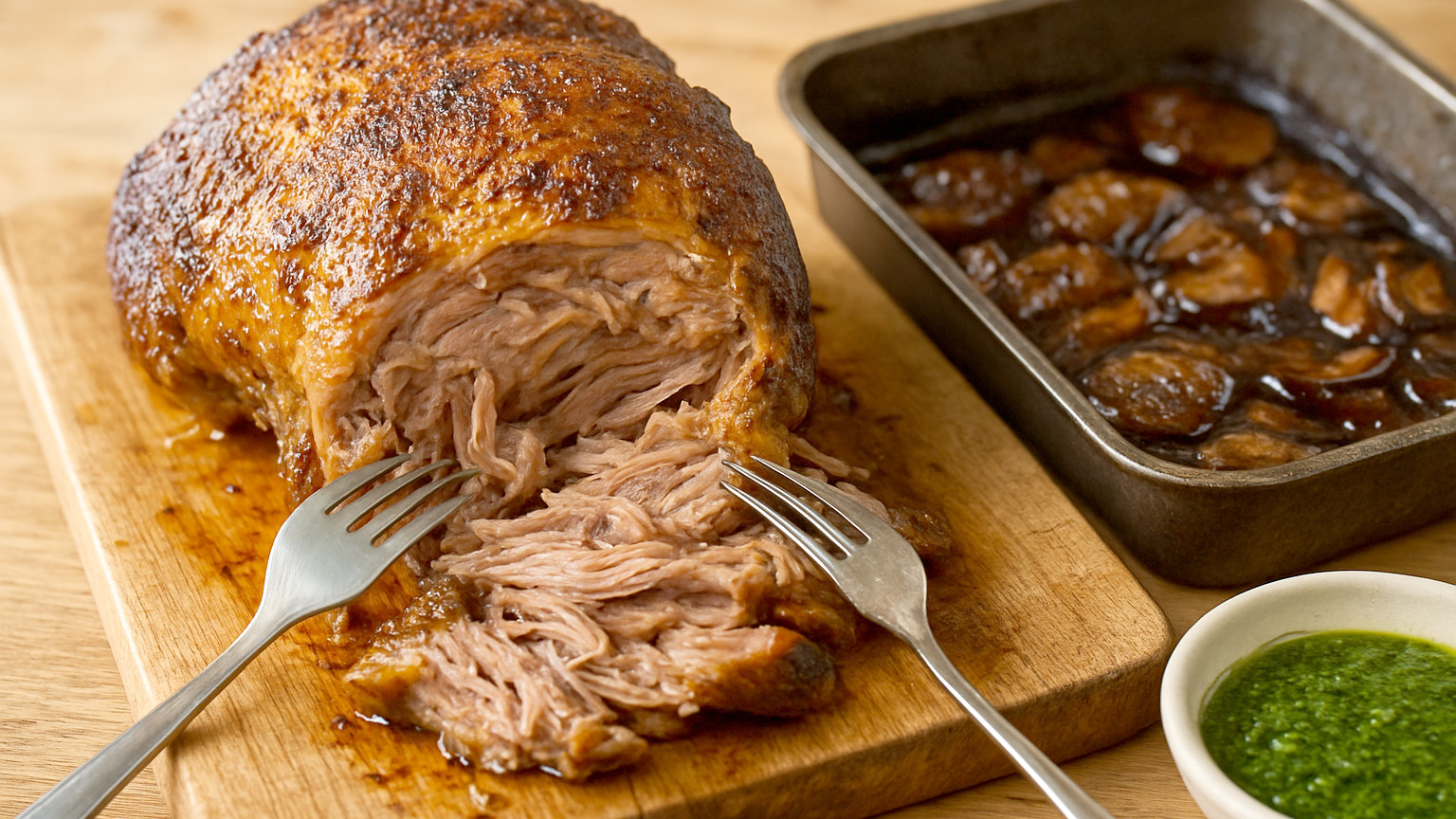
Shoulder is cheaper than leg and better suited to a long cook. Five hours at a low temperature and it pulls apart with a spoon rather than needing a carving knife.
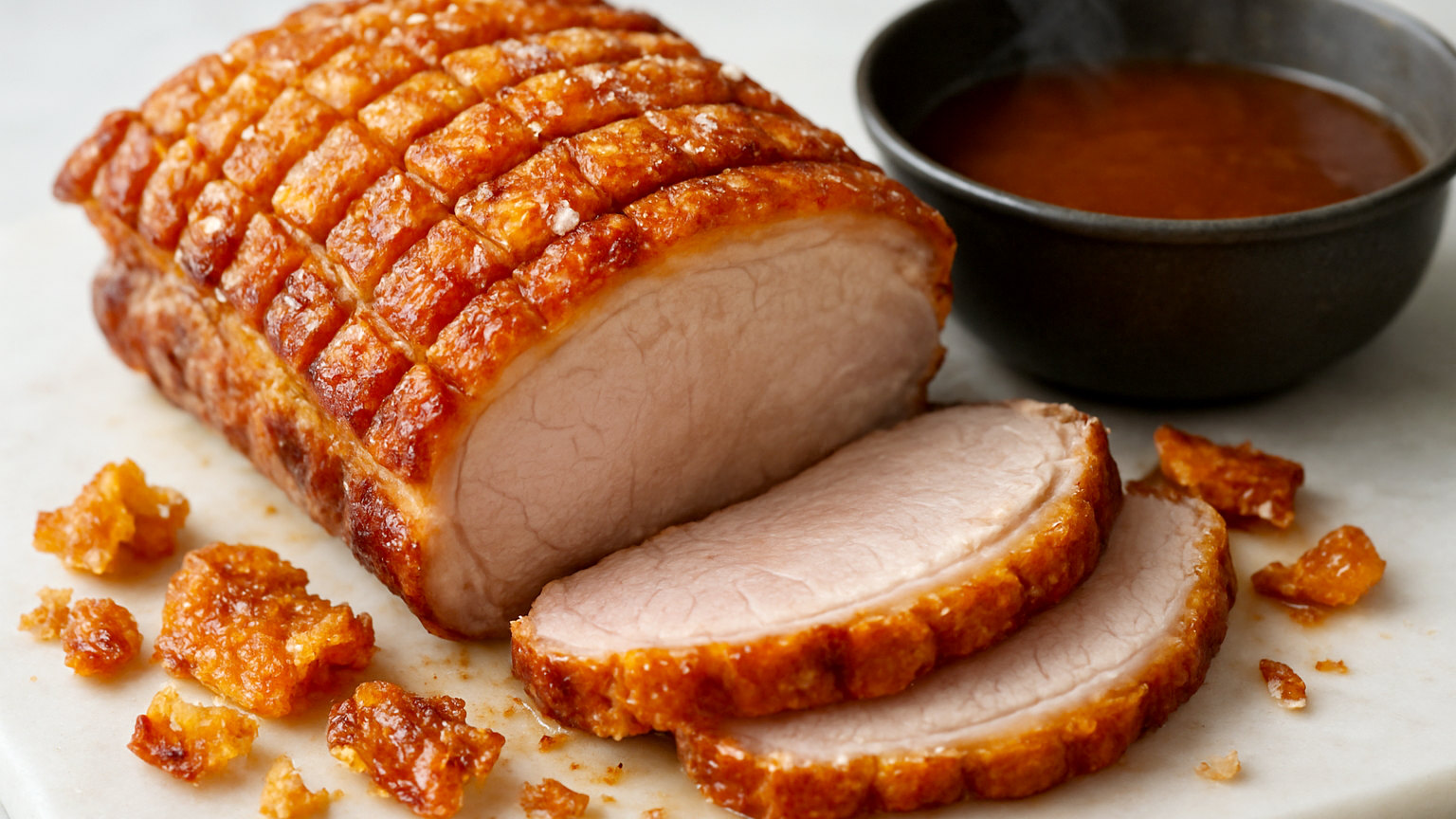
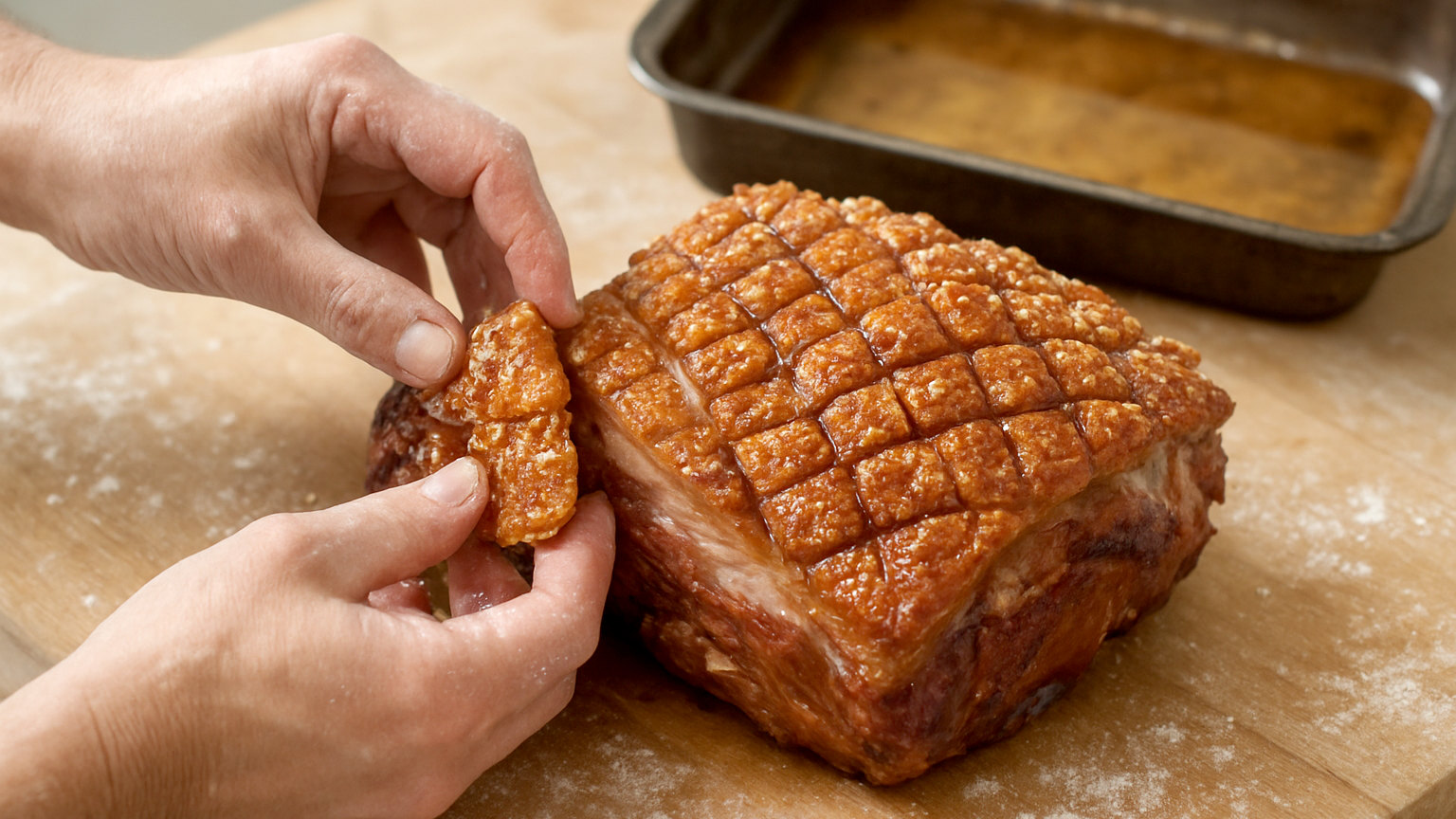
Loin is the leanest roasting cut, so the timing matters. Dry the skin overnight, start it hot, and take it out at the right temperature rather than the right hour.
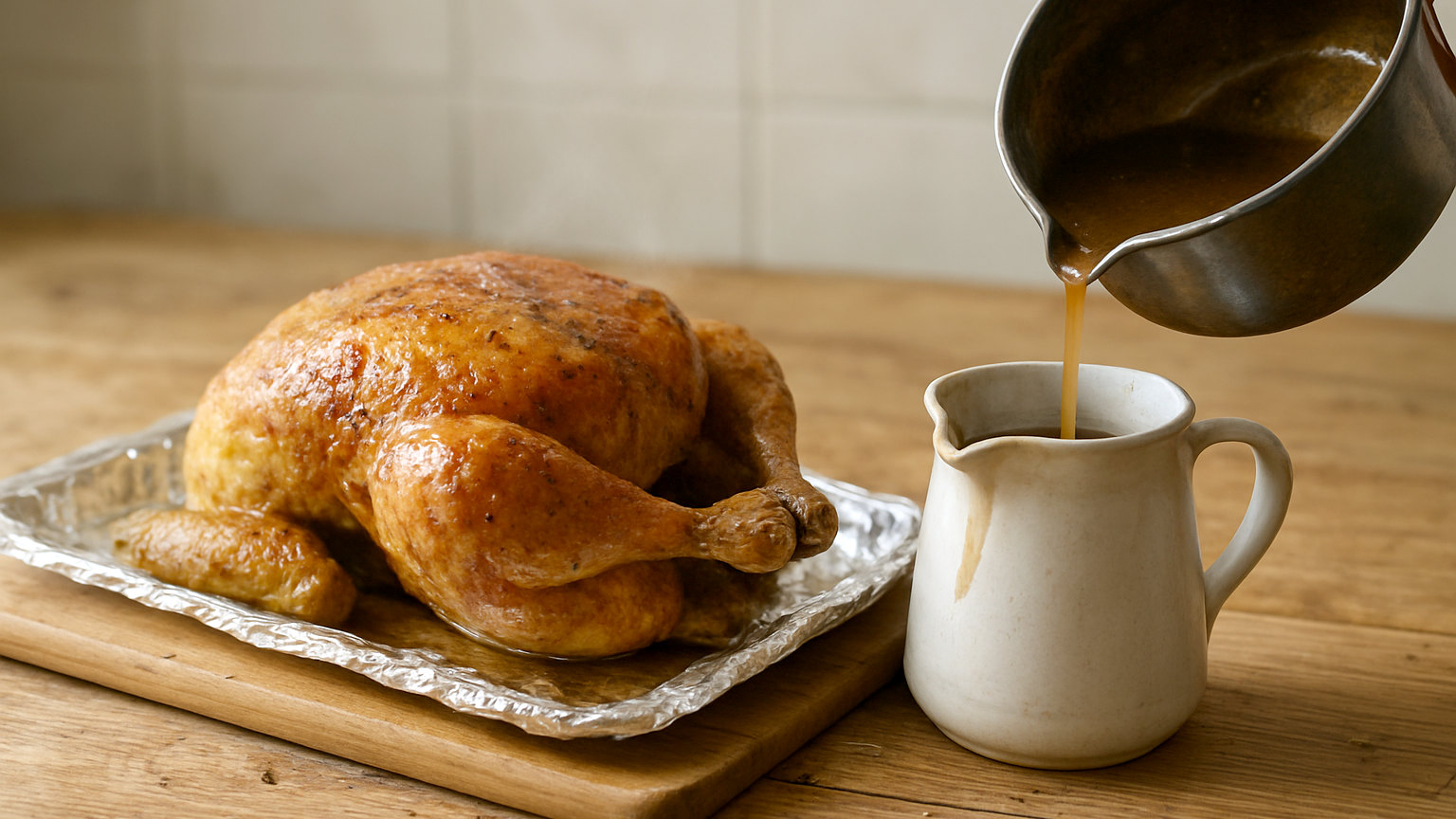
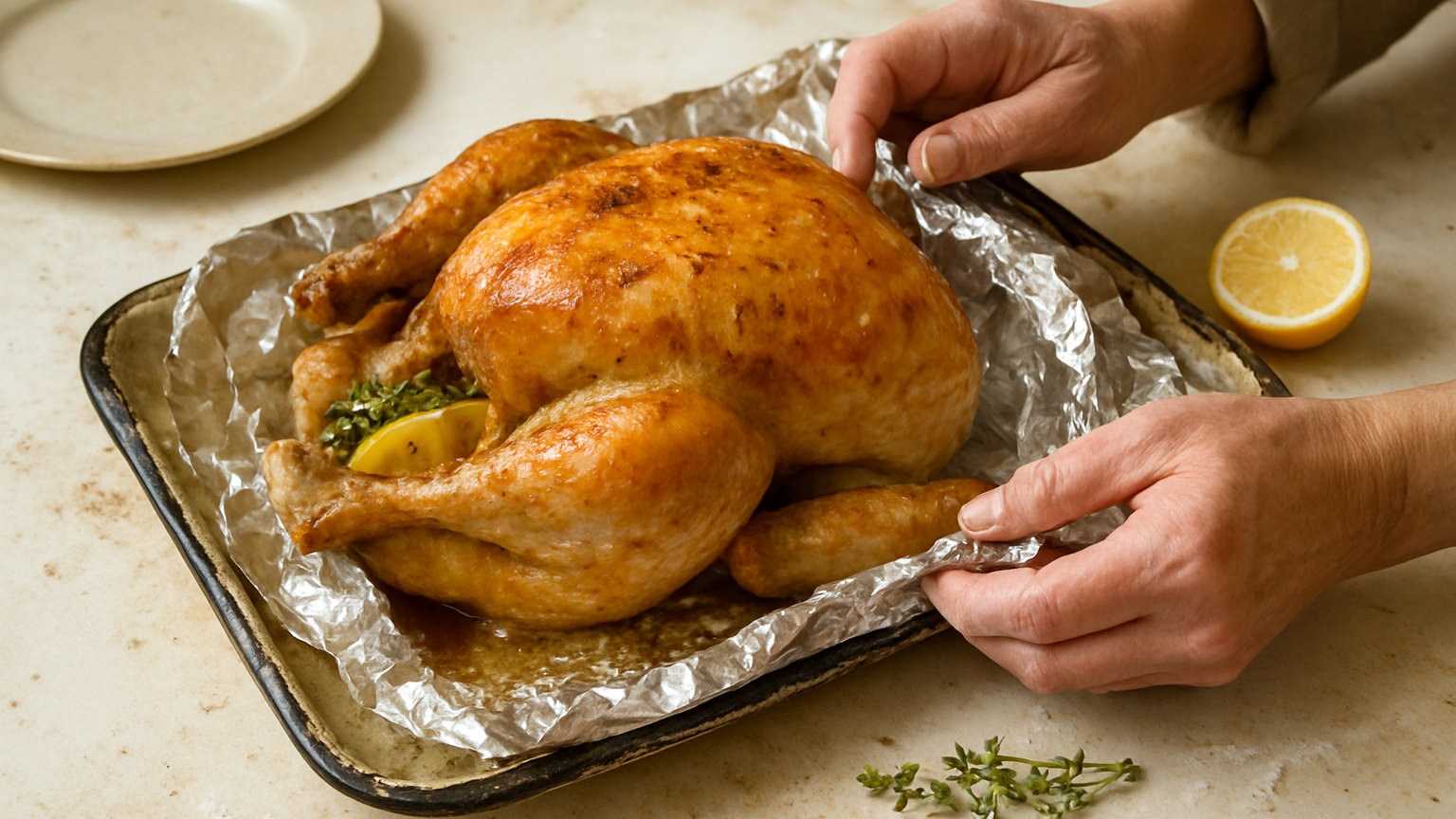
The standard formula is 20 minutes per 500g plus 20 minutes, and it works. What it cannot allow for is a fan oven, a cold bird or a stuffed cavity.
Goose fat, beef dripping and plain vegetable oil all produce crisp potatoes. The differences are flavour and smoke point, and one of them is free.
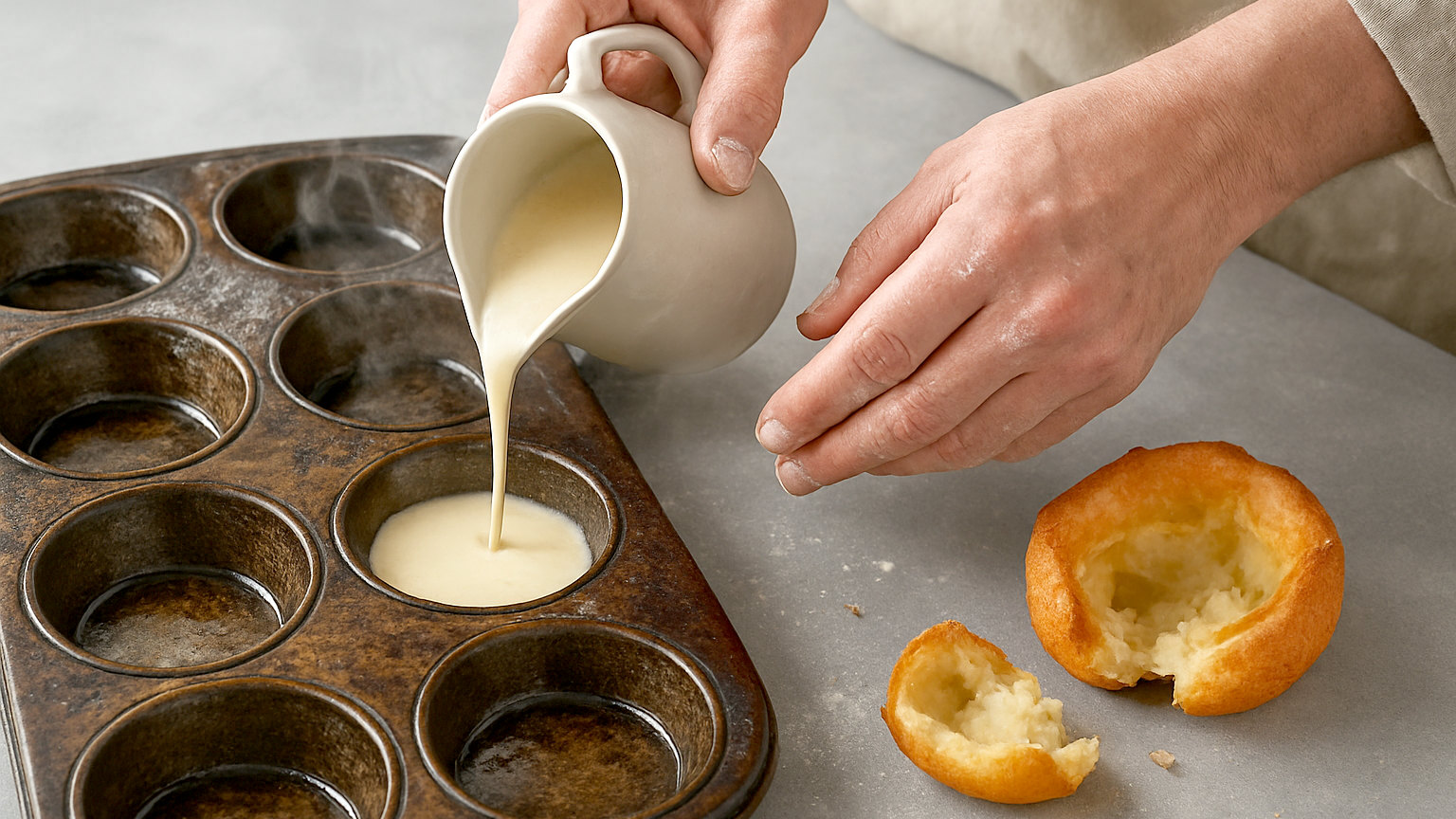
Equal parts egg, flour and milk by volume. Learn that and you never need a Yorkshire pudding recipe again, whatever size batch you want.
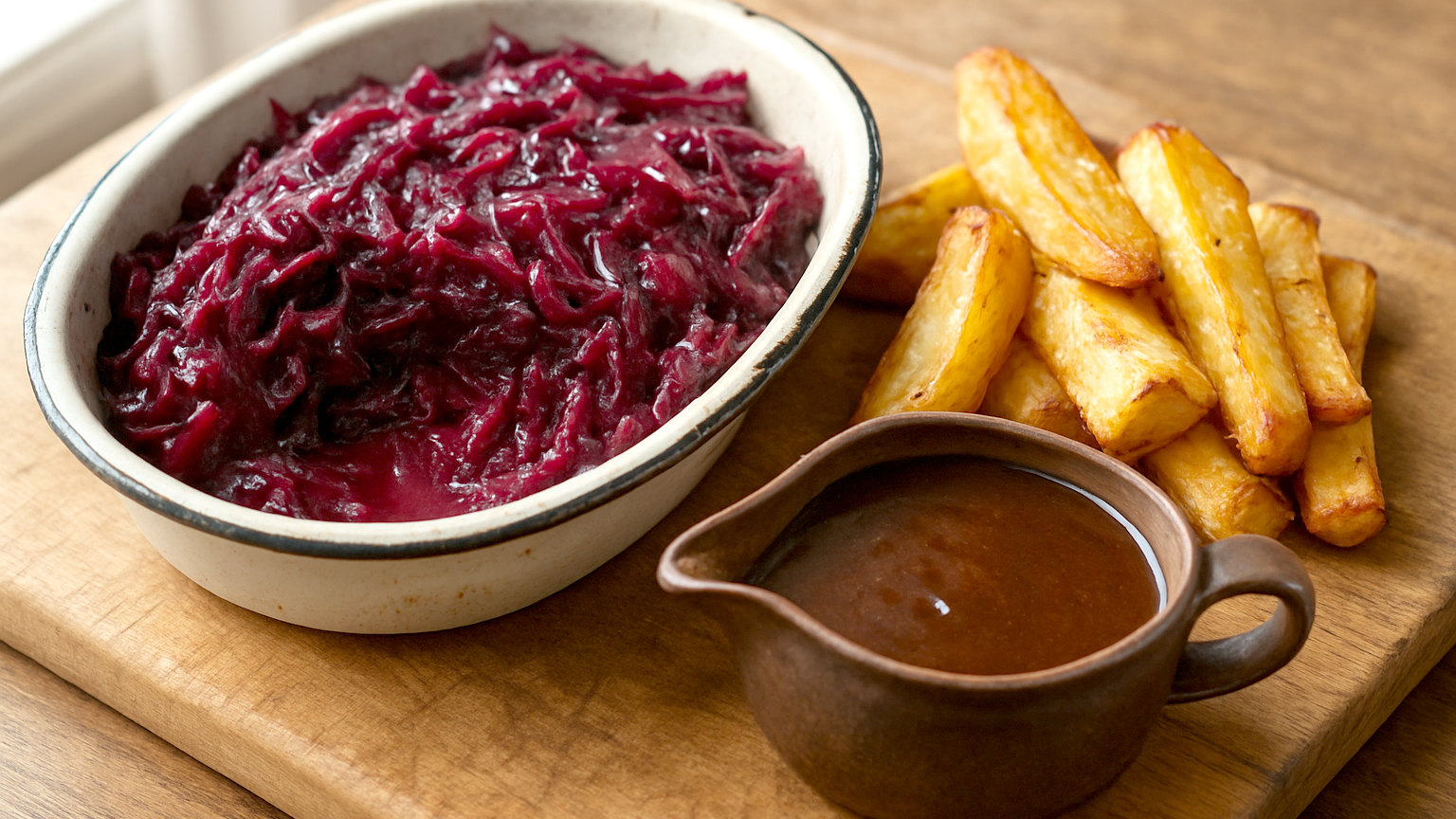
The one trimming that is genuinely better made two days early. Vinegar, apple and slow heat, and it keeps a week and freezes for three months.
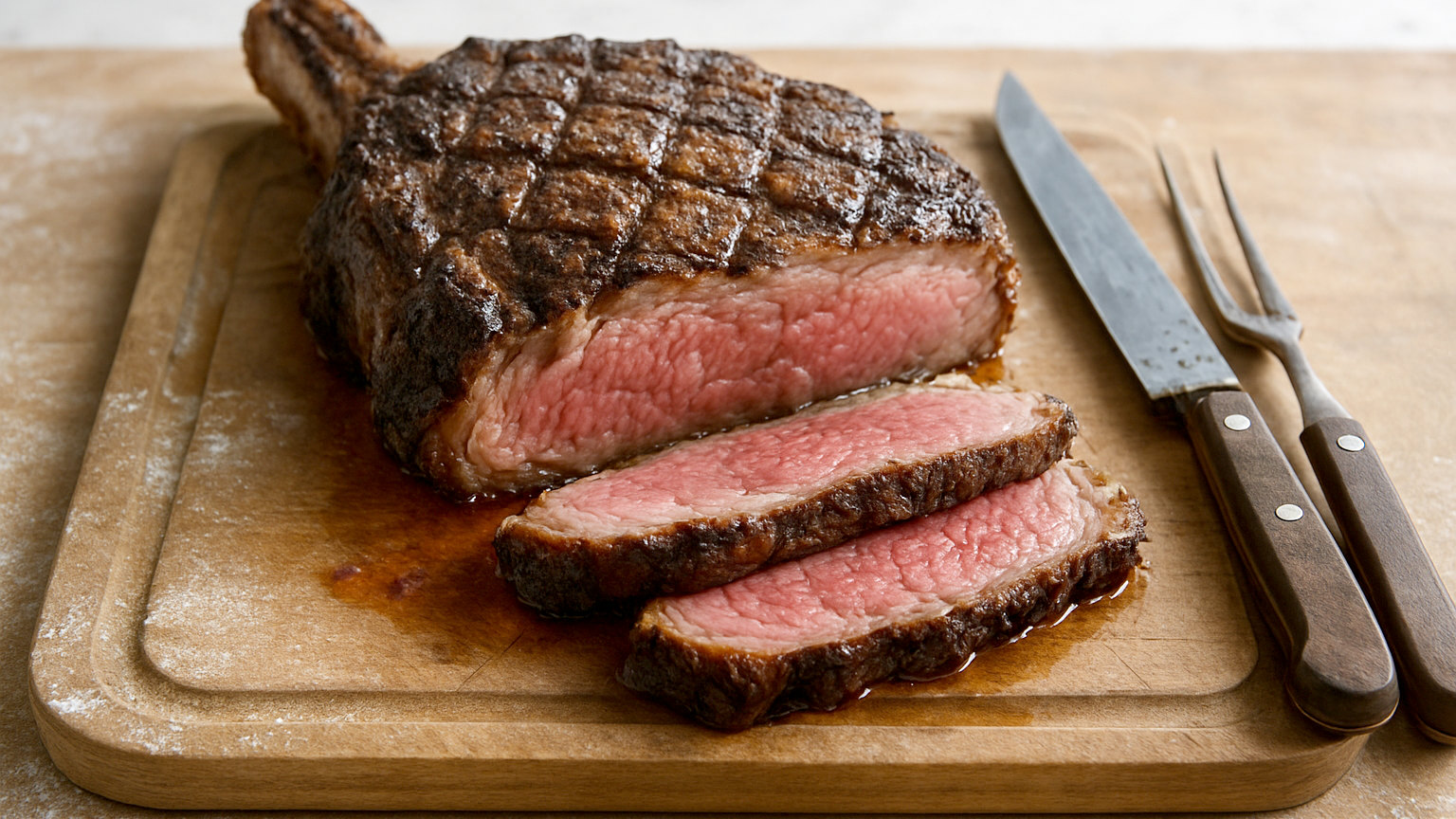
A two bone rib of beef, blasted hot then roasted low, with red wine gravy from the tin. The bones do the work of a rack and add flavour as they go.
A leg of lamb wants a hot start, a moderate finish and a long rest. Stud it with garlic and rosemary, and make the gravy from what collects in the tin.
Crackling needs three things: skin that is bone dry, scored deeply enough, and a blast of very high heat. Salt helps, and everything else is superstition.
The whole problem with roast chicken is that the breast is done before the legs are. Starting it breast down solves most of it, and resting solves the rest.