Which Cut of Lamb Is Best for Roasting?
Leg, shoulder, rack, breast and rump all roast, and they want different things. Here is what each costs, what it does well and how many it feeds.
By UK Recipes
4 Aug 2026

The Sunday roast is the one meal most of us cook to a schedule, and the difficulty was never the meat - it is getting everything to the table hot at the same time. These recipes give the timings per kilo, the resting time that matters more than people think, and a running order for the whole meal, so the potatoes are crisp and the gravy is made while the joint rests.
Leg, shoulder, rack, breast and rump all roast, and they want different things. Here is what each costs, what it does well and how many it feeds.
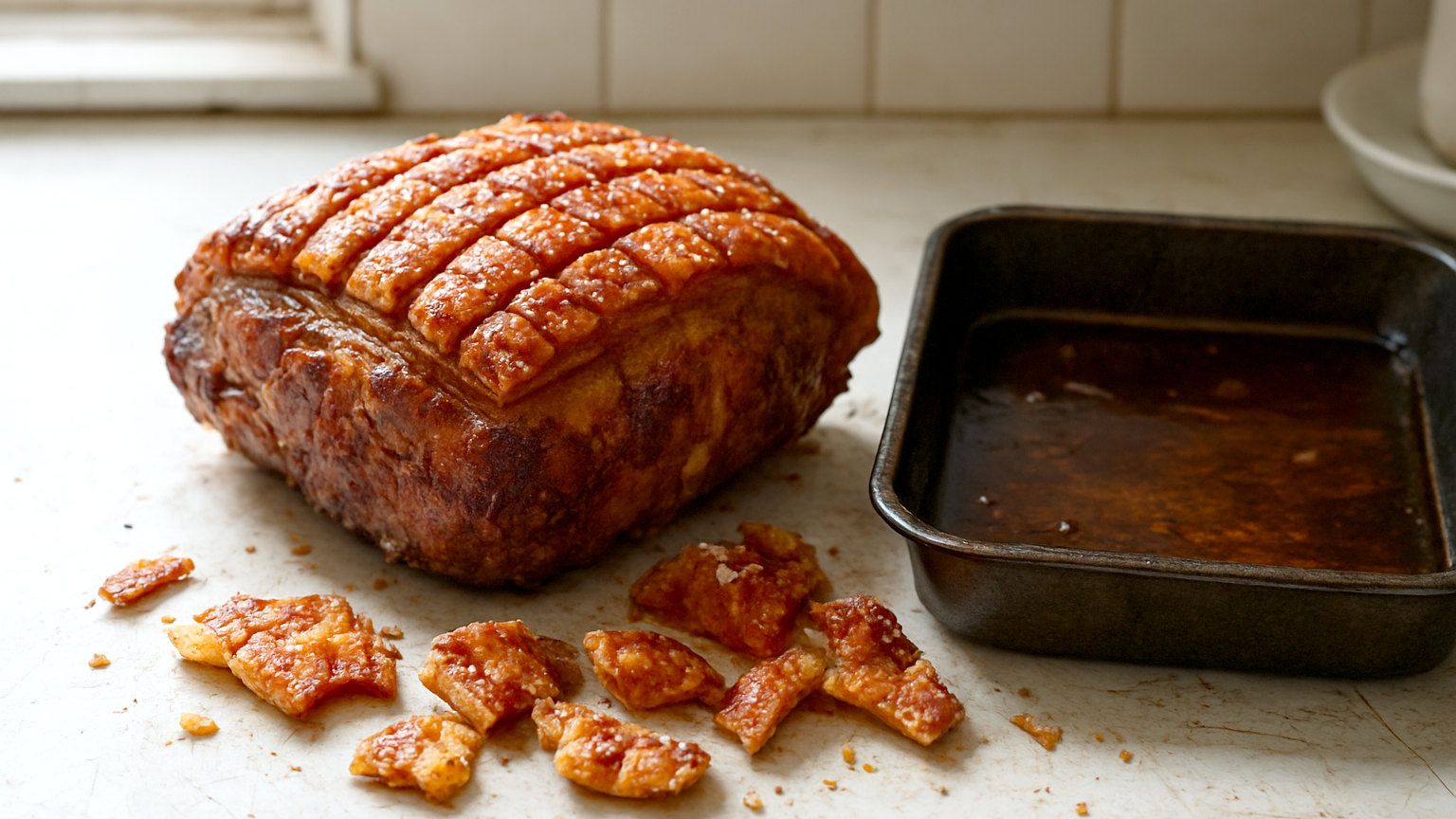
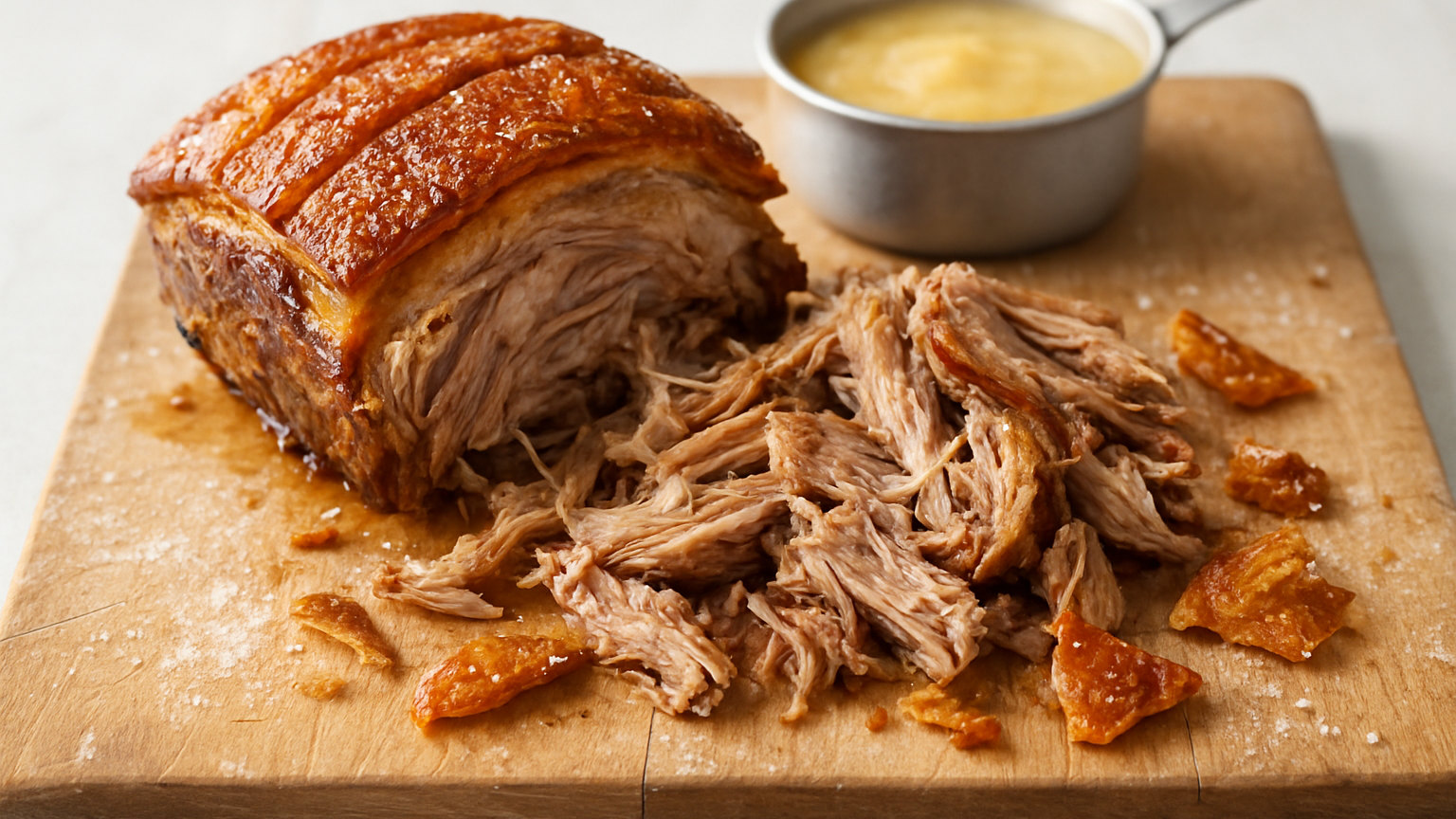
Pork timings depend on the cut. Loin wants speed and a precise finish, shoulder and belly want hours. Both need a spell of very high heat for the crackling.
Trussing makes a neater bird and a slightly slower one. Leaving the legs loose helps them cook, which is the opposite of what most people need.
Eight to ten minutes from a simmer, until the outside gives and the middle does not. The knife tells you more than the clock does.
Resting helps but it is not the make or break step people claim. Thirty minutes is worth it, overnight is better, and none at all still works.
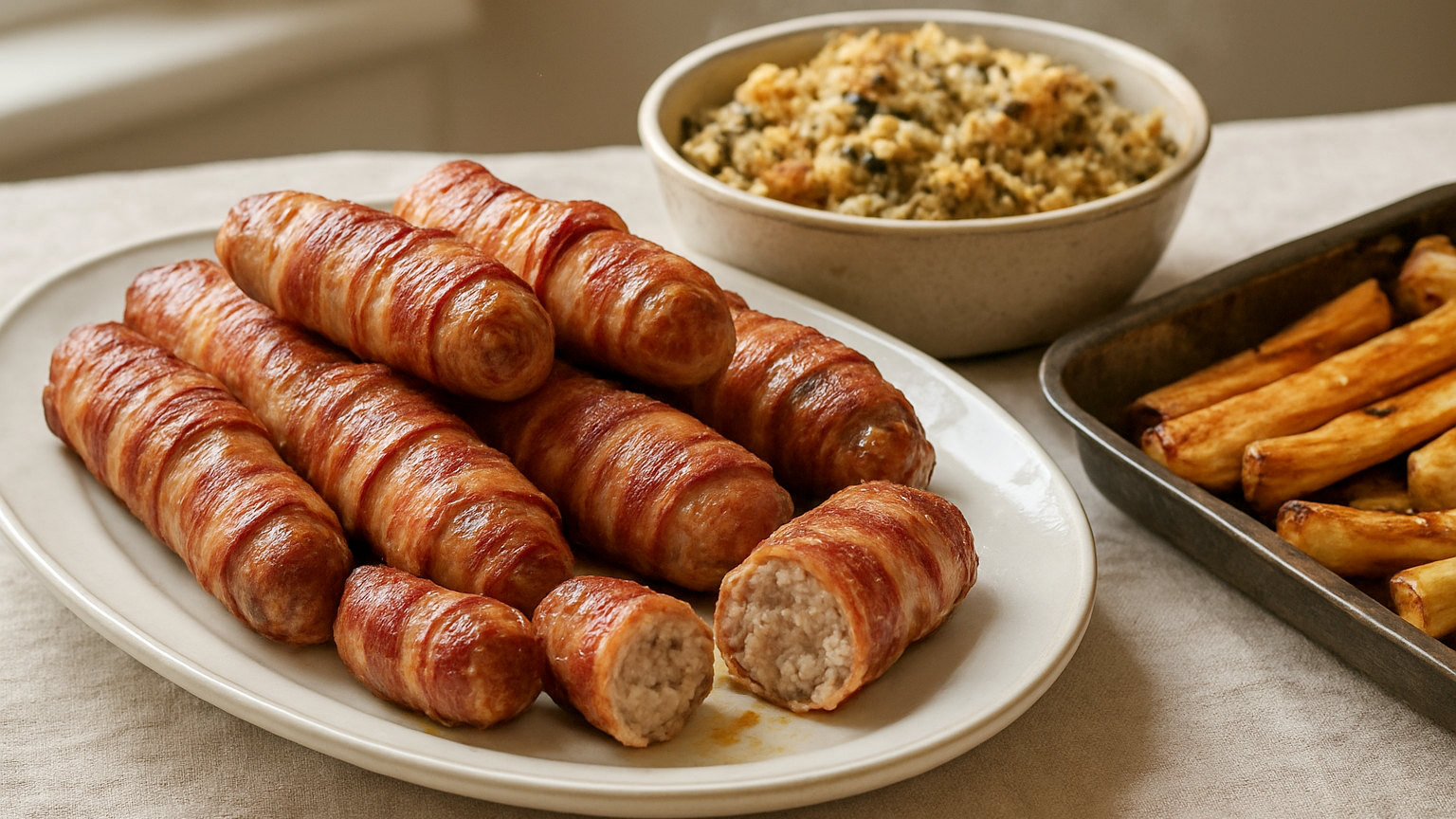
Streaky bacon stretched thin, wrapped once, and cooked hot enough to crisp. Most disappointing pigs in blankets are wrapped too thickly.
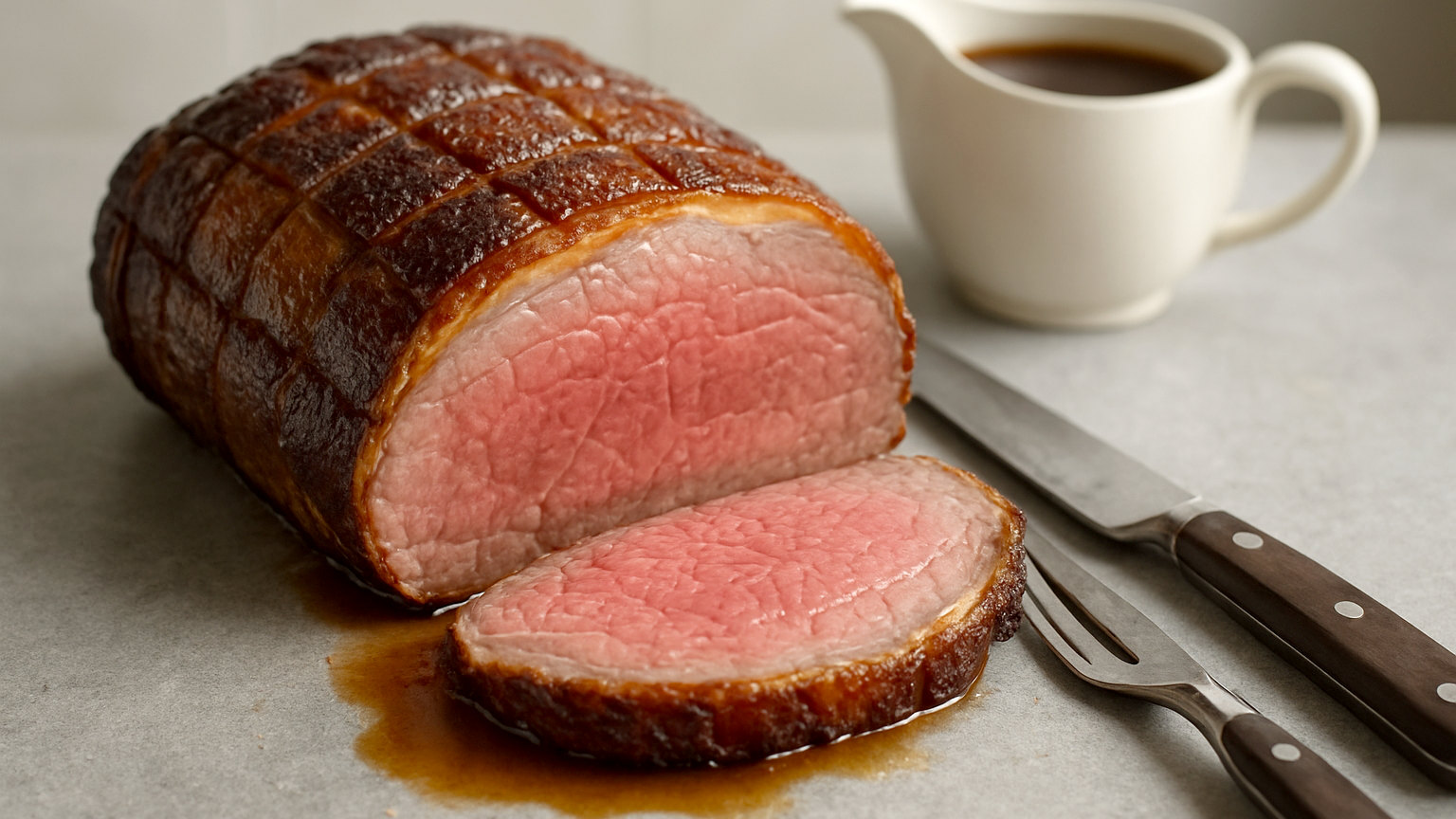
Rolled sirloin sits between topside and rib on both price and quality. It has enough fat to stay tender and carves into neat slices with almost no waste.
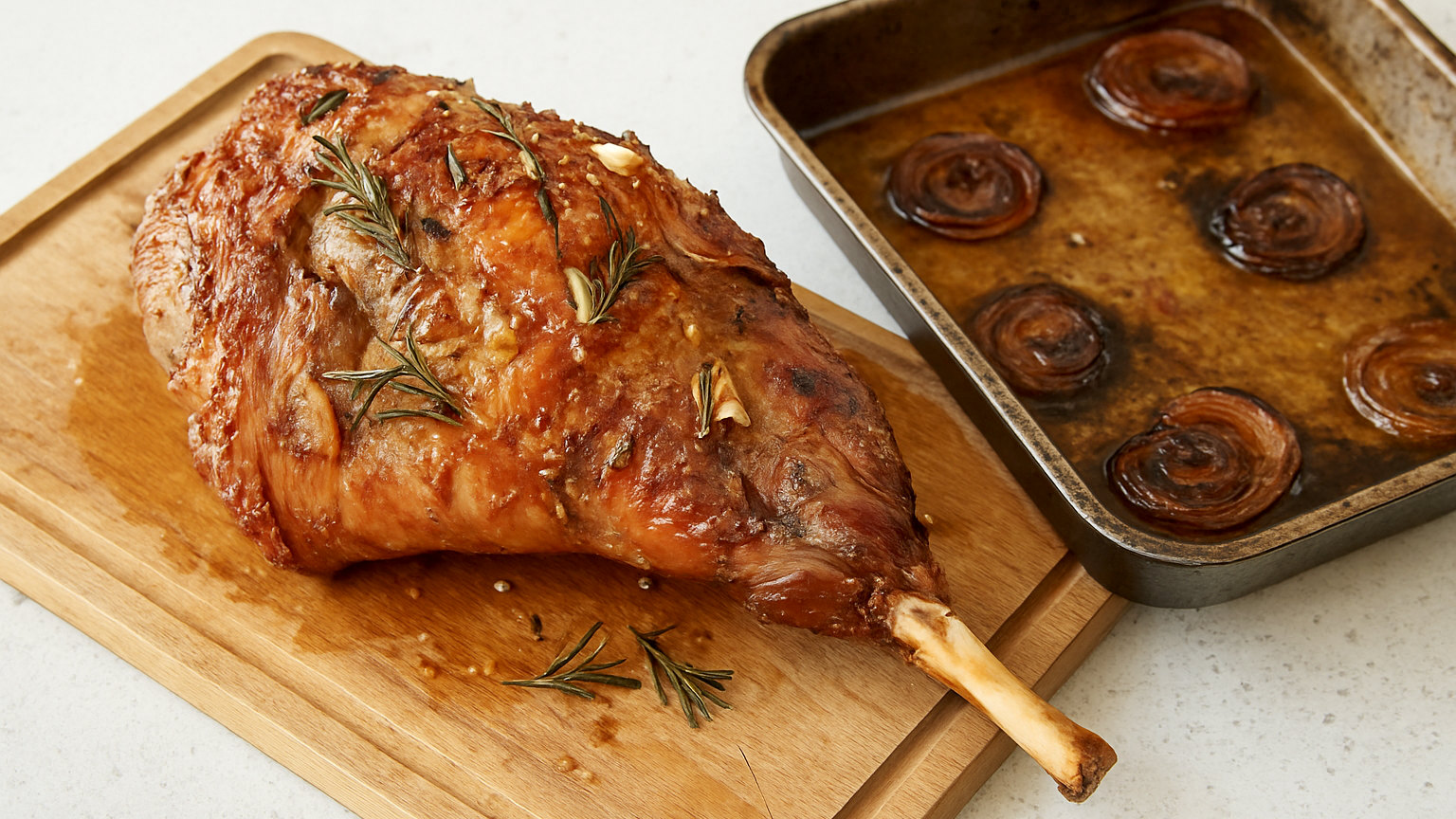
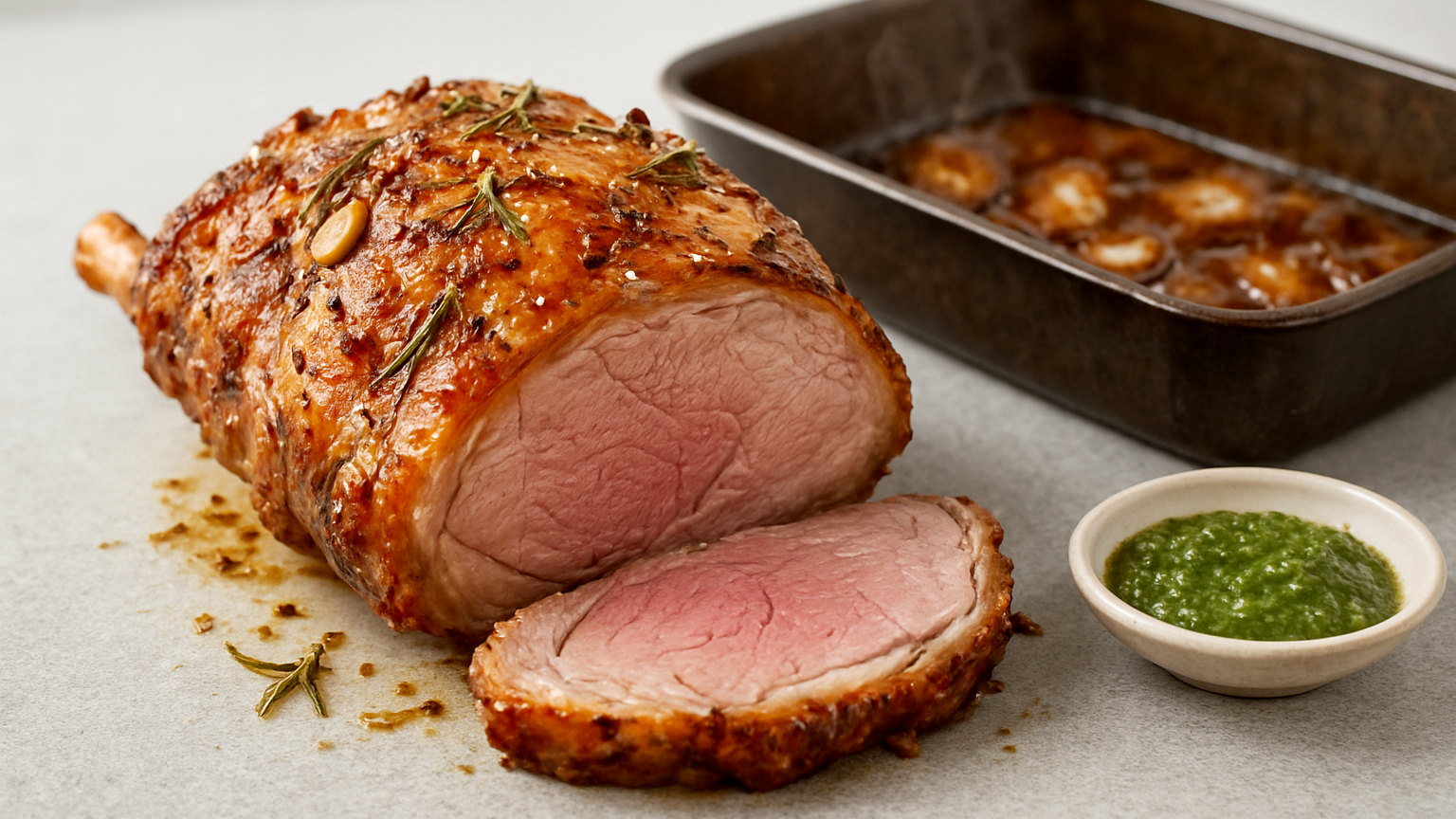
Lamb timings depend on the cut as much as the weight. A leg wants speed and a pink middle, a shoulder wants hours. Here are the figures for both.
Shoulder is the cheapest roasting cut and the hardest to ruin. Six hours at a low temperature and it shreds with a fork, with crackling done separately at the end.
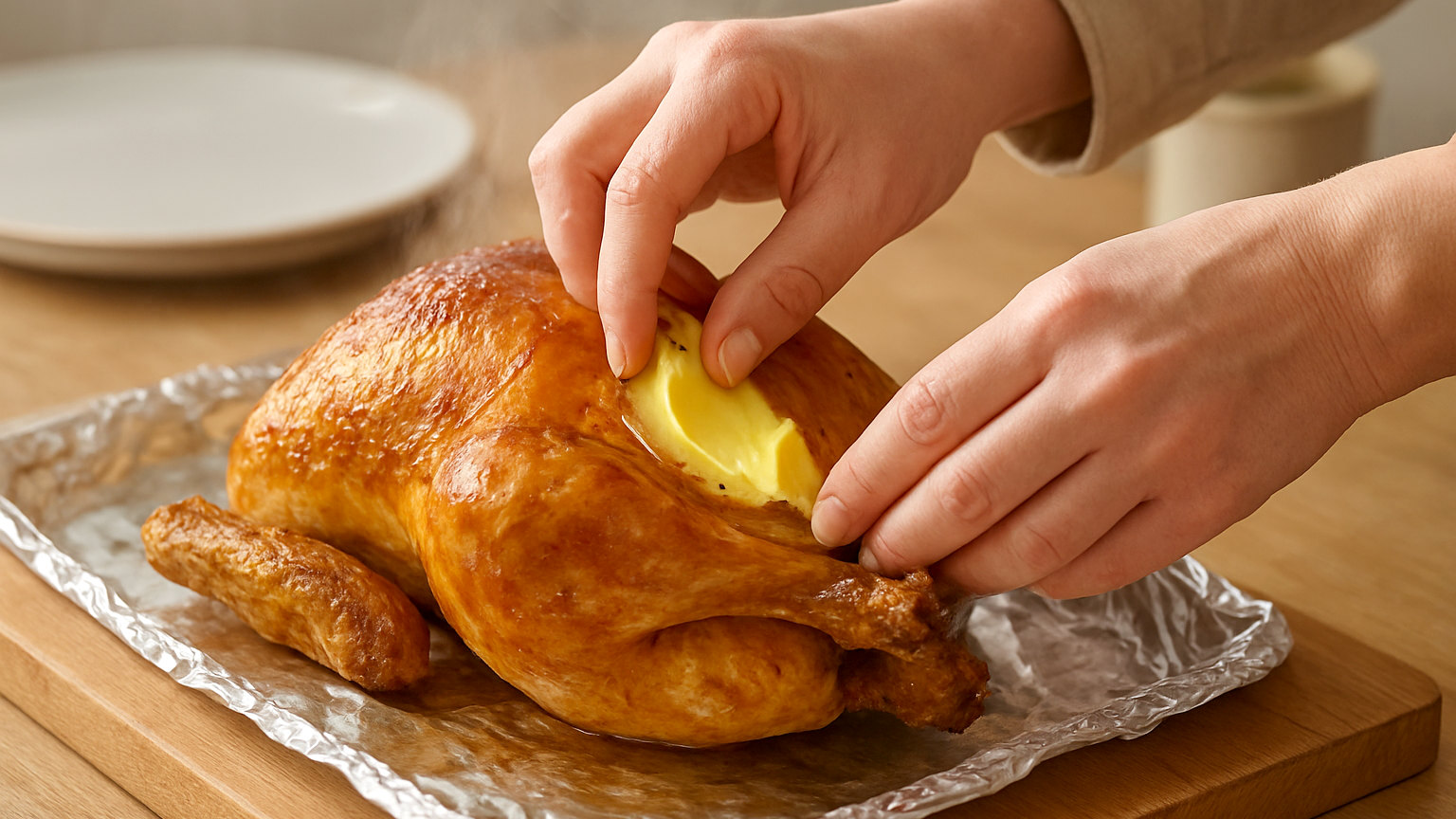
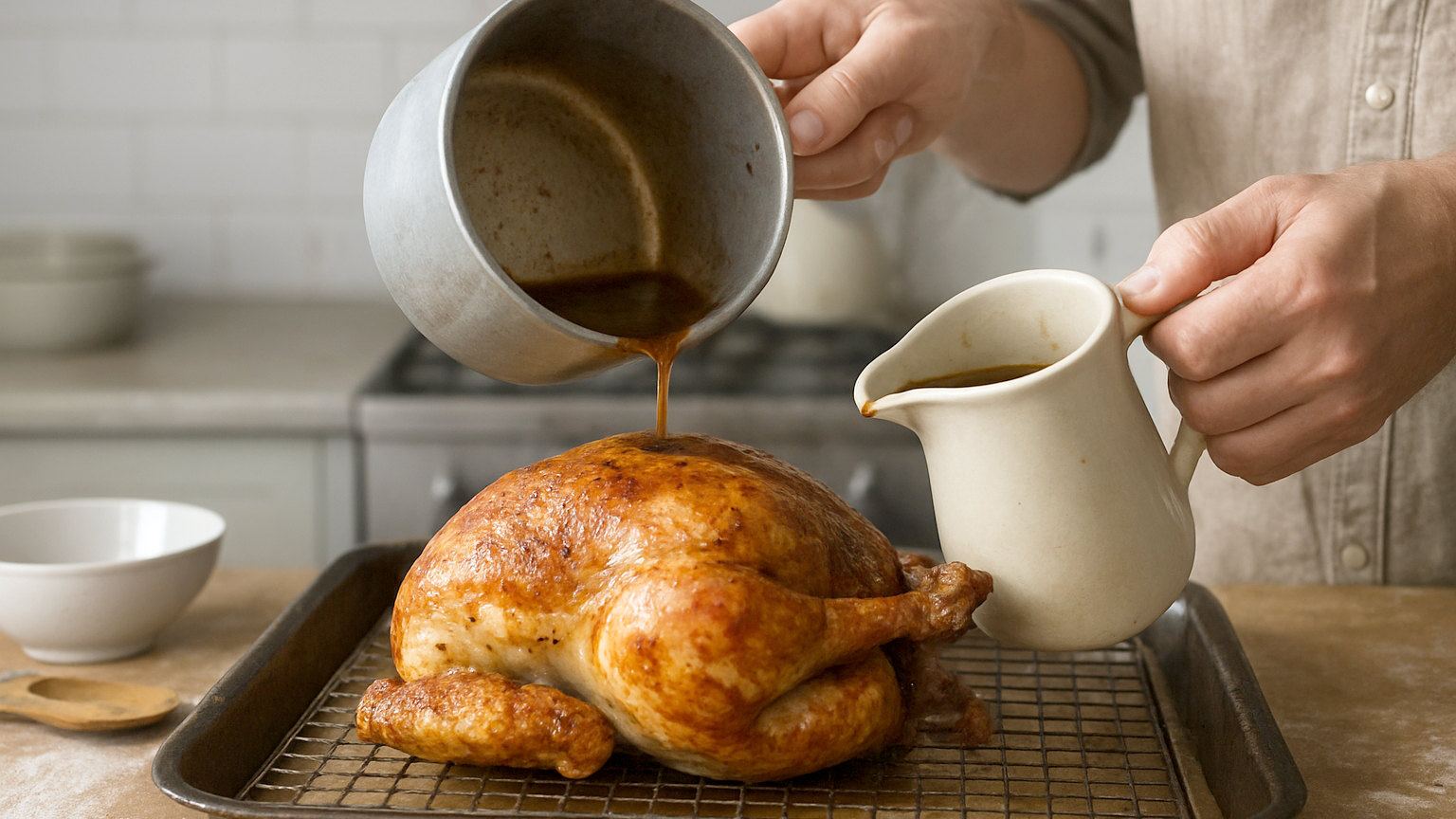
Crisp chicken skin comes down to moisture and salt. Dry the bird properly, salt it the day before, and stop basting it halfway through.
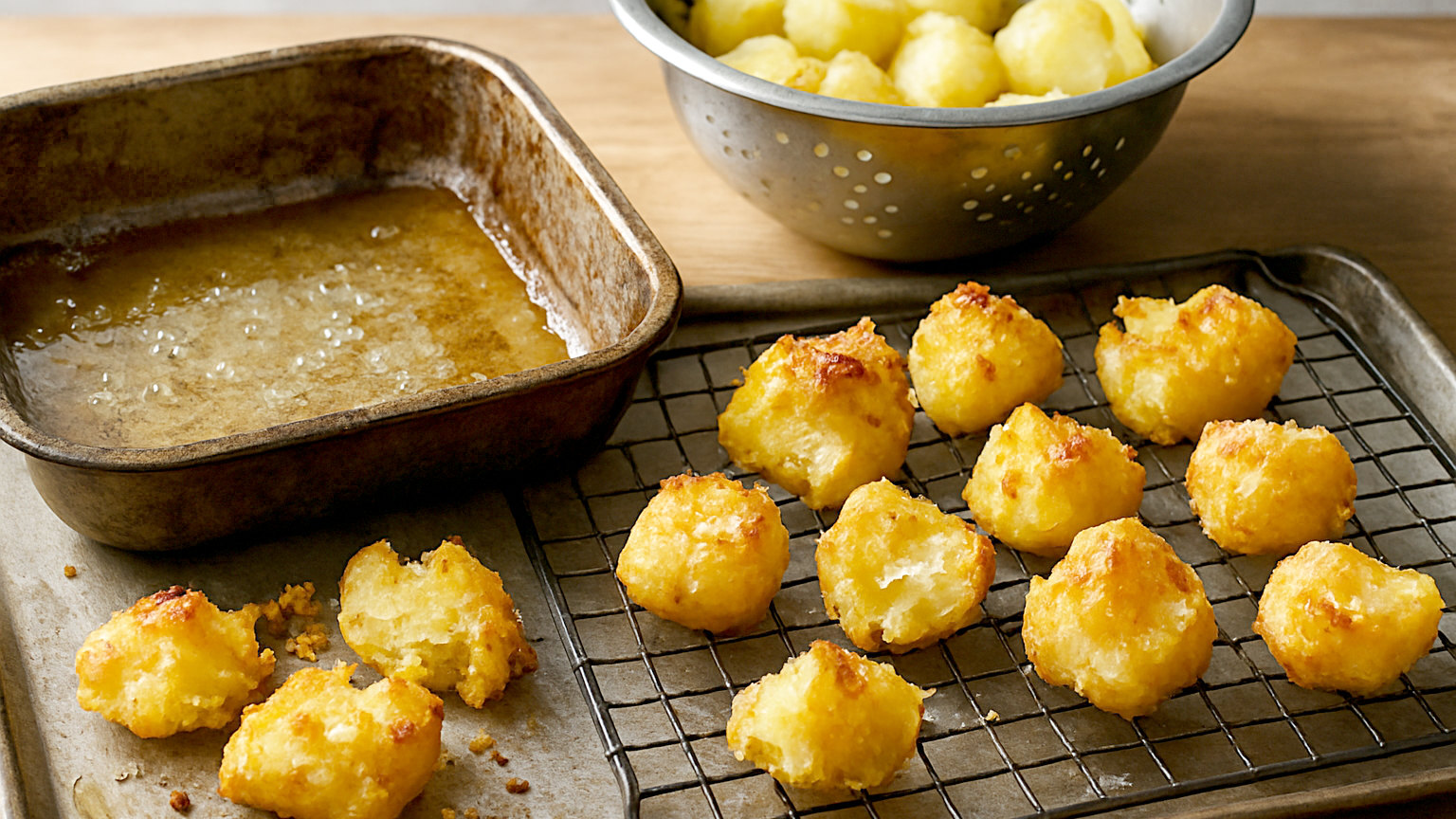
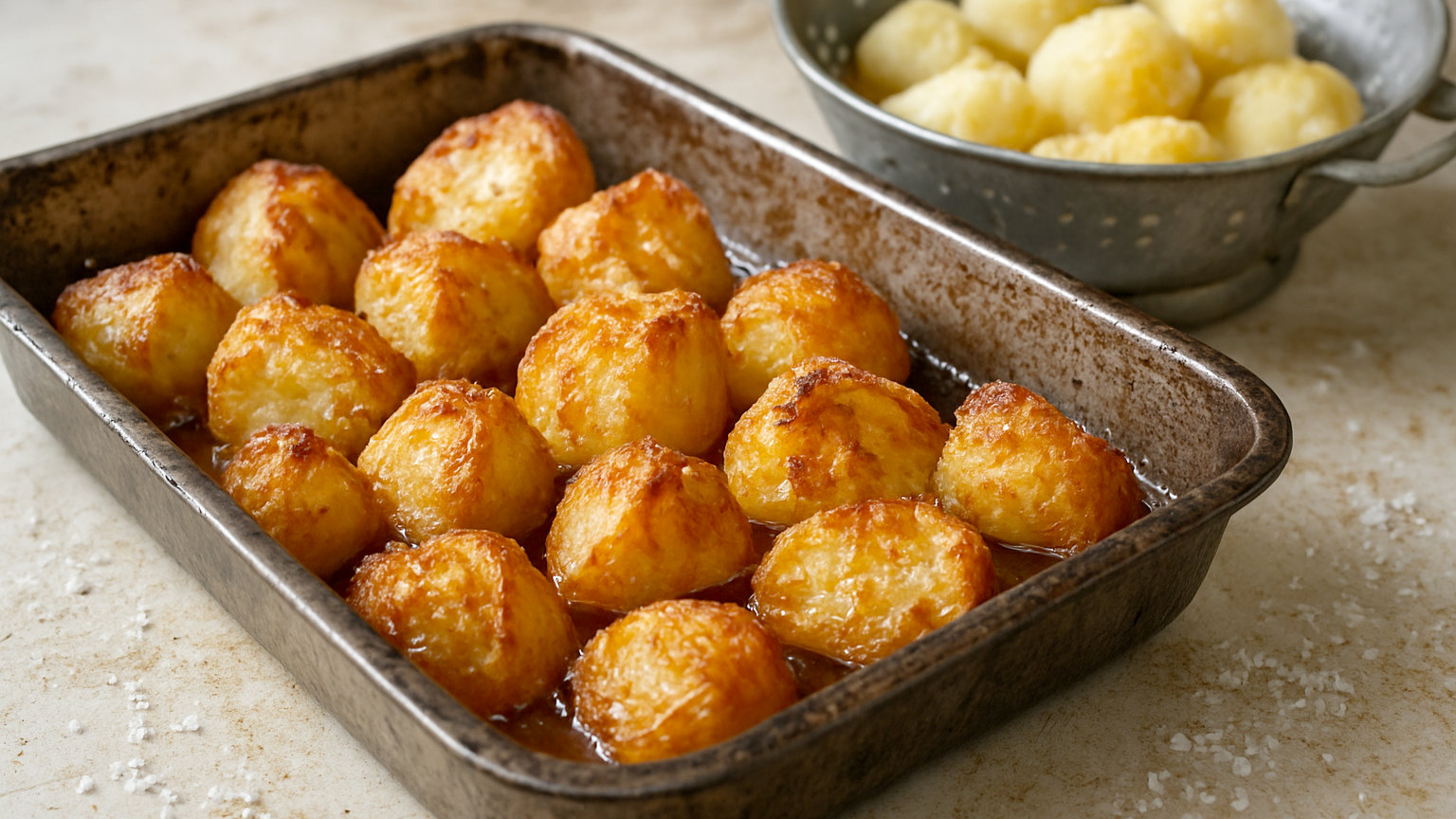
Soft roast potatoes almost always come down to one of five things, and four of them happen before the tray goes anywhere near the oven.
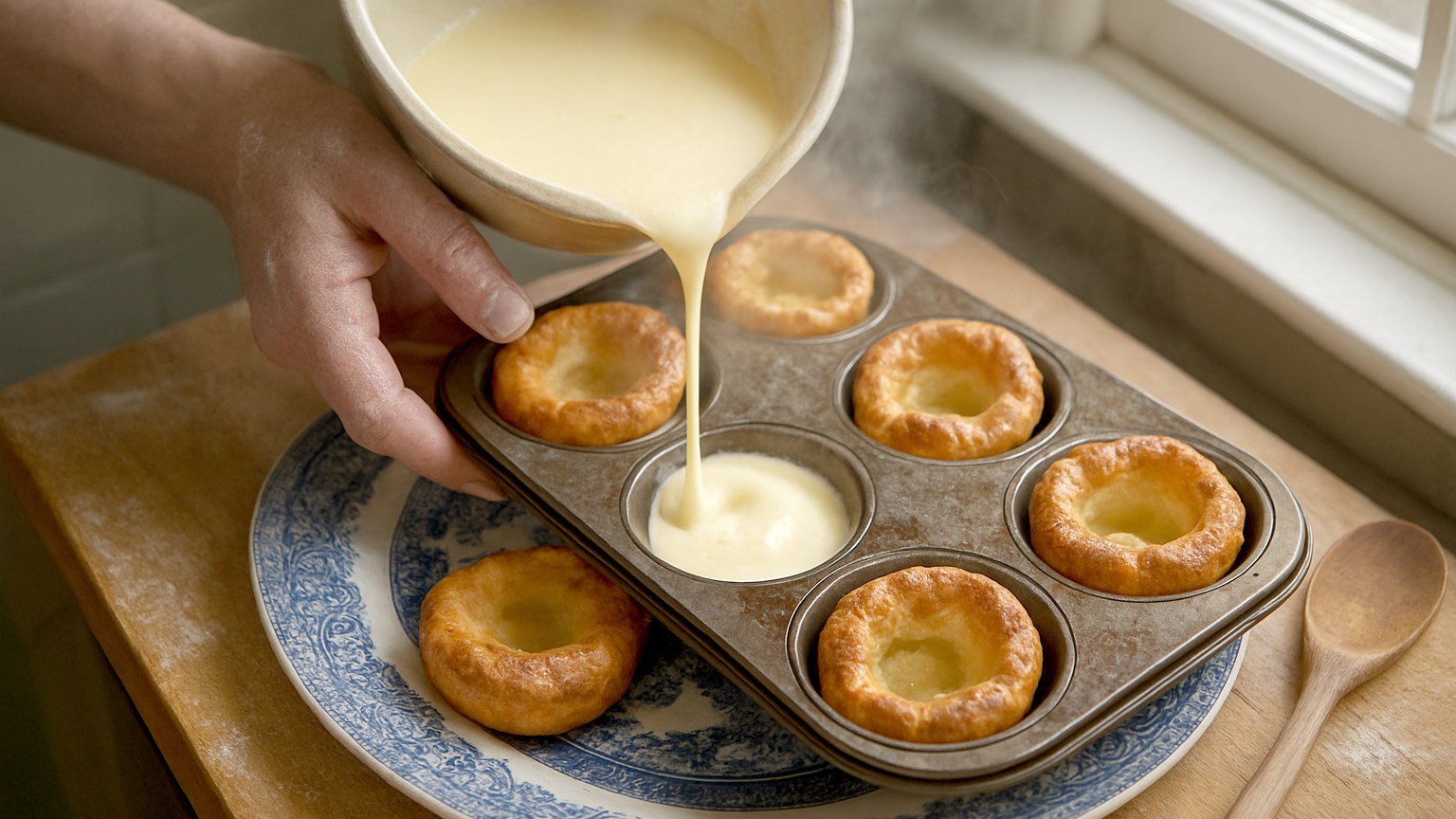
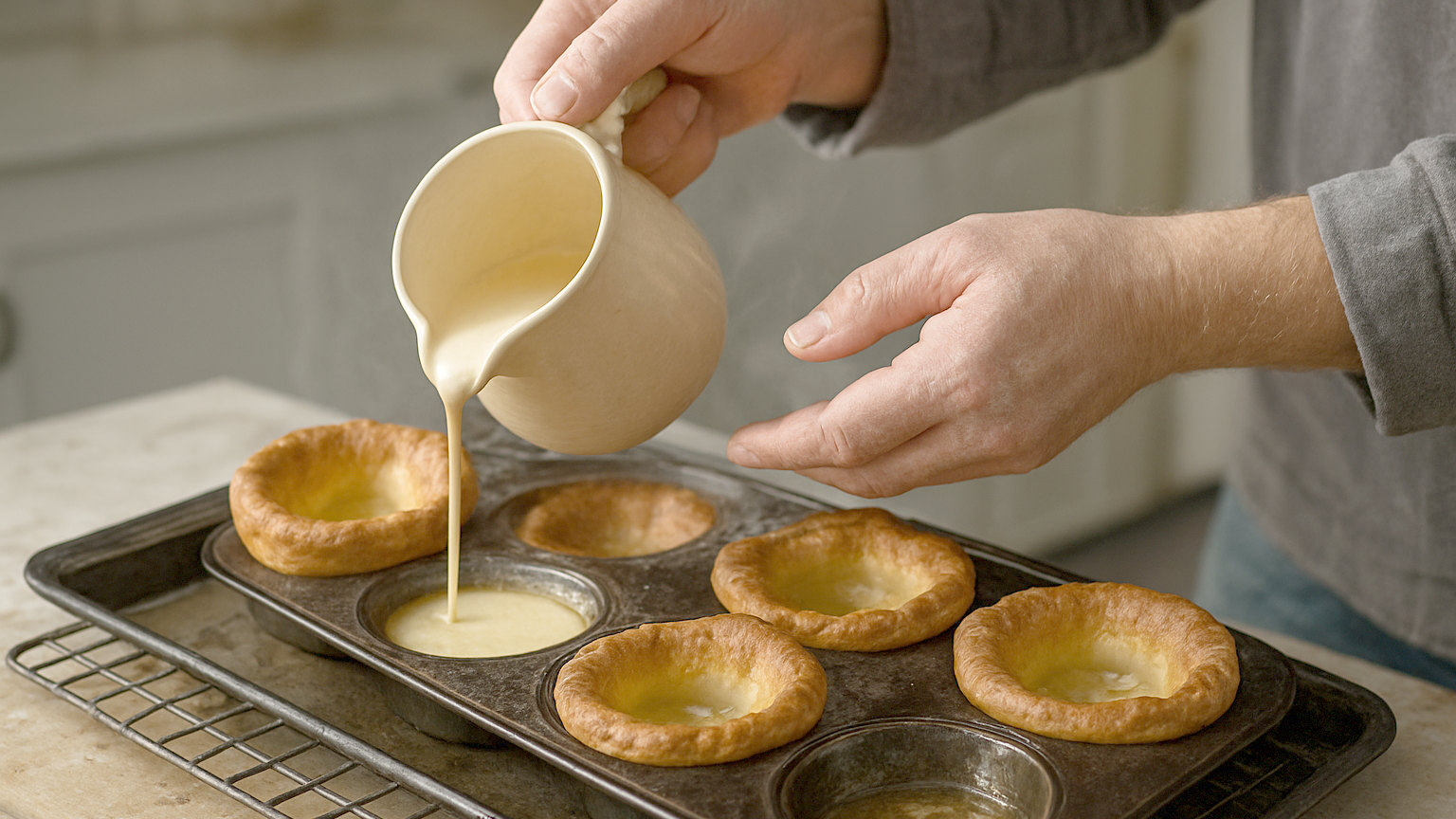
Flat Yorkshires come down to six things, and the most common by far is fat that was not hot enough when the batter went in.