
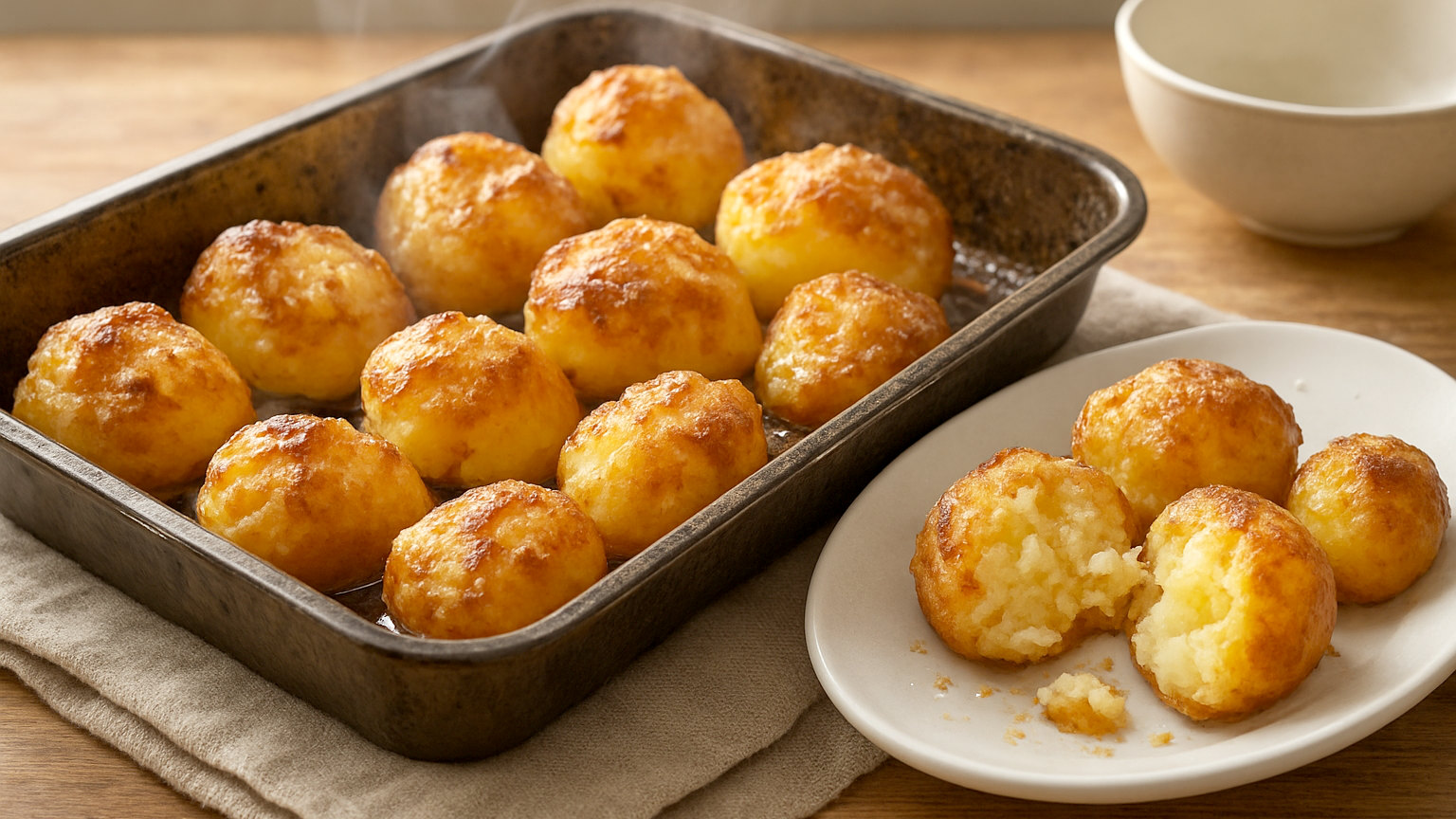
A great deal is written about which fat makes the best roast potatoes, and the honest position is that all of the sensible options produce a crisp potato. What varies is flavour, smoke point and cost. The one thing that genuinely matters more than the choice of fat is whether it is properly hot when the potatoes go in.
What does the fat actually do?
It transfers heat to the surface of the potato far more efficiently than air does, and it fries the rough exterior into a crust. It is not there for flavour first, though flavour is a real secondary benefit.
The fat has to be smoking hot before the potatoes go in. They should hiss loudly on contact. Silence means the fat is too cool, and the potatoes will absorb it and turn greasy instead of sealing.
Is goose fat worth the money?
It has a high smoke point of around 200C and a distinct savoury flavour, and it is the traditional choice for Christmas. A jar is expensive and lasts several roasts, since you can strain and reuse it.
Whether it beats beef dripping is a matter of taste rather than fact, and most blind comparisons find the difference smaller than the price gap suggests.
What about beef dripping?
Dripping has a smoke point above 200C, a strong savoury flavour and costs very little. It sets solid, keeps for months in the fridge and is sold in every supermarket.
For potatoes served alongside beef or lamb it is the natural choice, and many people prefer it to goose fat outright.
Is duck fat different?
It behaves almost identically to goose fat, with a slightly milder flavour and a similar smoke point. It is usually a little cheaper.
If a recipe calls for goose fat, duck fat is a straight substitution with no adjustment needed.
What is the free option?
The fat rendered from whatever joint you are already roasting. Pork gives the most, beef and lamb give plenty, and chicken fat is lighter but very good.
Spoon it off the tin while the meat rests and use it straight away. It costs nothing and tastes of the meal it belongs to.
Does vegetable oil work?
Perfectly well, and it is what most people use. Sunflower, rapeseed and groundnut oil all have high smoke points and produce crisp potatoes.
They contribute no flavour of their own, which is either a drawback or an advantage depending on what else is on the plate.
Which fats should you avoid?
Extra virgin olive oil burns at roasting temperatures and turns acrid. Butter burns sooner still, at around 150C, and should not be used on its own.
Light or refined olive oil is fine, since the smoke point is considerably higher than the extra virgin version.
What works for a vegan or dairy free roast?
Rapeseed oil is the best all rounder and is British, cheap and neutral. Refined coconut oil has a very high smoke point but leaves a faint sweetness.
For more flavour, infuse the oil by heating it with a few crushed garlic cloves and rosemary sprigs, then strain before roasting the potatoes in it.
How much fat do you need?
Enough to come about 5mm up the tin, which for a large roasting tin is roughly four tablespoons. The potatoes are being roasted rather than deep fried.
Too little and they stick and colour unevenly. Too much and they sit in a pool and cook greasy rather than crisp.
Does the type of tin matter?
More than the fat does, in truth. A heavy metal tin holds and transfers heat far better than a thin one or a glass dish, which is why supermarket roasting tins often disappoint.
Preheat the tin with the fat in it so the potatoes meet hot metal as well as hot fat. That contact is where the flattest, crispest faces come from.
Can the fat be reused?
Yes. Let it cool, strain it through a fine sieve into a jar and keep it in the fridge for up to a month, or three months frozen.
Discard it once it darkens noticeably or smells stale, which usually happens after three or four uses.
Worth reading next: Goose Fat Roast Potatoes for Christmas. There is more in our Roasts recipes.


