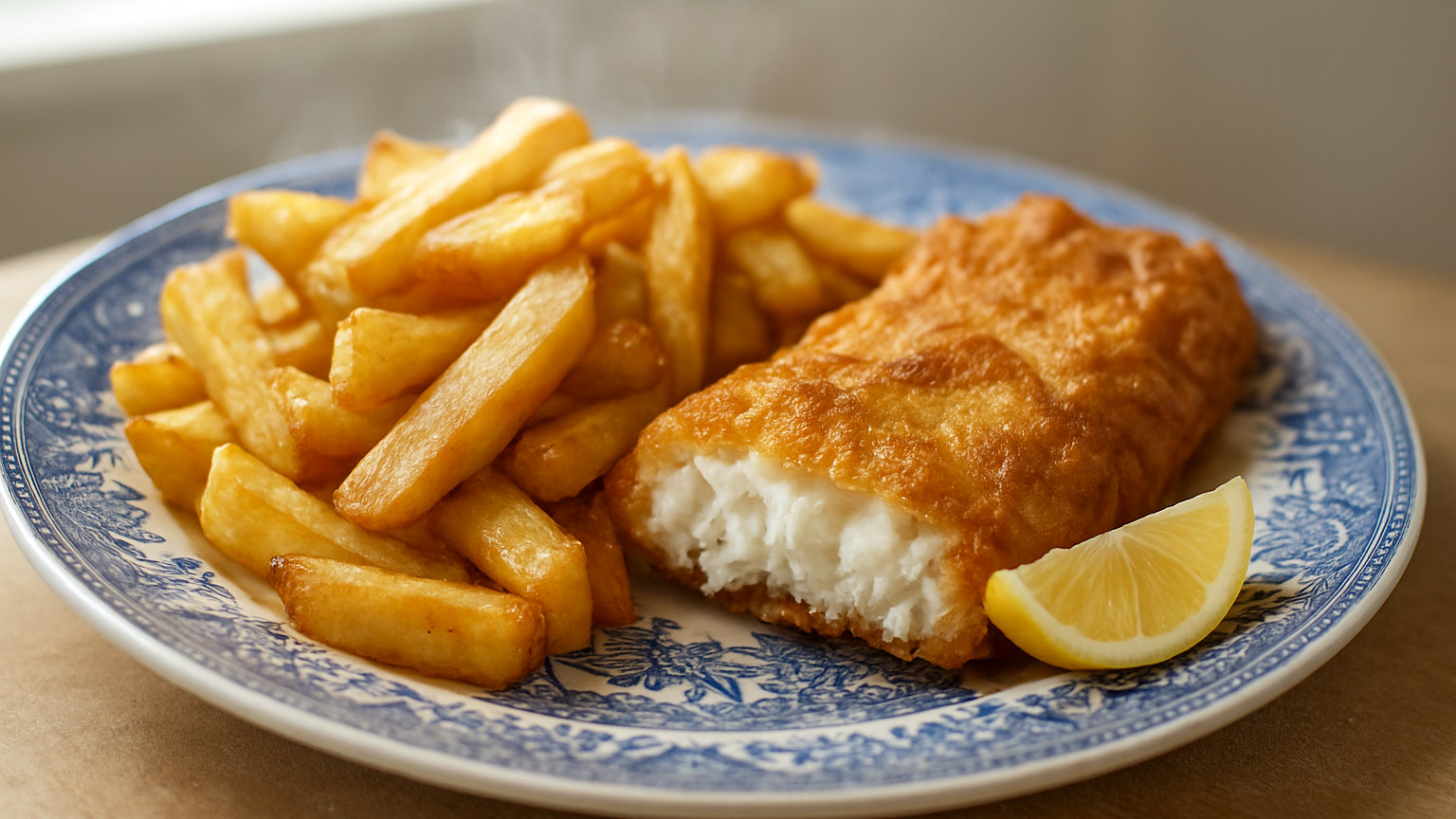
Triple Cooked Chips at Home
Simmer, dry, fry low, chill, fry high. The chilling stages are what create the glassy shell, and they cannot be skipped.
By UK Recipes
4 Aug 2026

This is the weekday half of British cooking: things that go in one pot, under a crust, or in the oven while you get on with something else. Pastry that holds, stews that are better the next day, and the handful of dishes almost every household has its own version of. Where a recipe is genuinely improved by a long cook, we say so rather than pretending it can be rushed.
Simmer, dry, fry low, chill, fry high. The chilling stages are what create the glassy shell, and they cannot be skipped.
Ordinary shortcrust is too fragile for a pasty. Strong flour gives it the structure to survive an hour in the oven and being picked up afterwards.
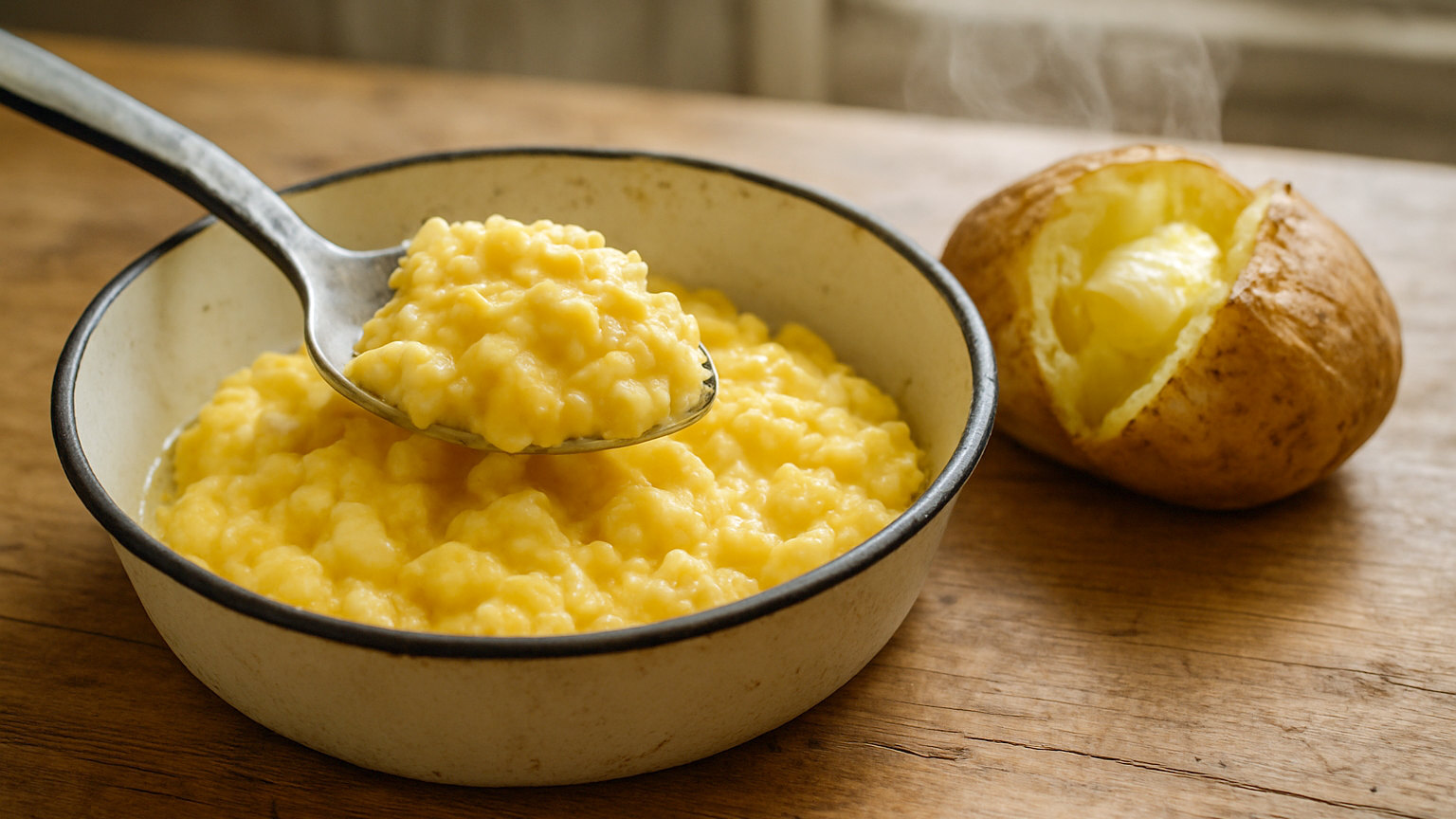
Low heat, constant movement and taking them off the heat before they look ready. Milk is unnecessary and salt goes in at the end.
Half fat to flour, cold hands and as little water as you can get away with. Overworking is the only way to go badly wrong.
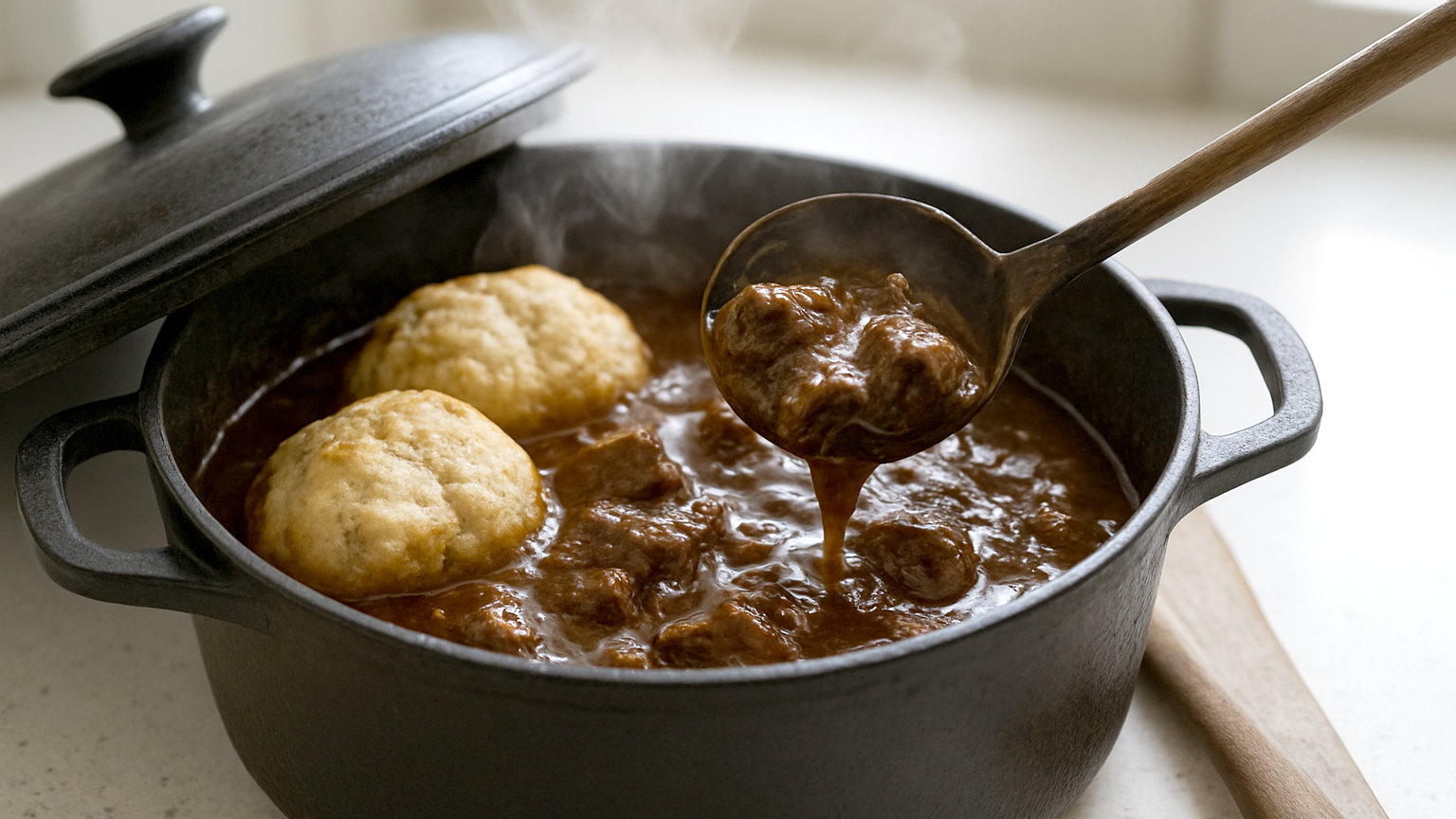
Tough stew meat almost always means it has not cooked long enough, which is the opposite of what most people assume when they turn the heat up.
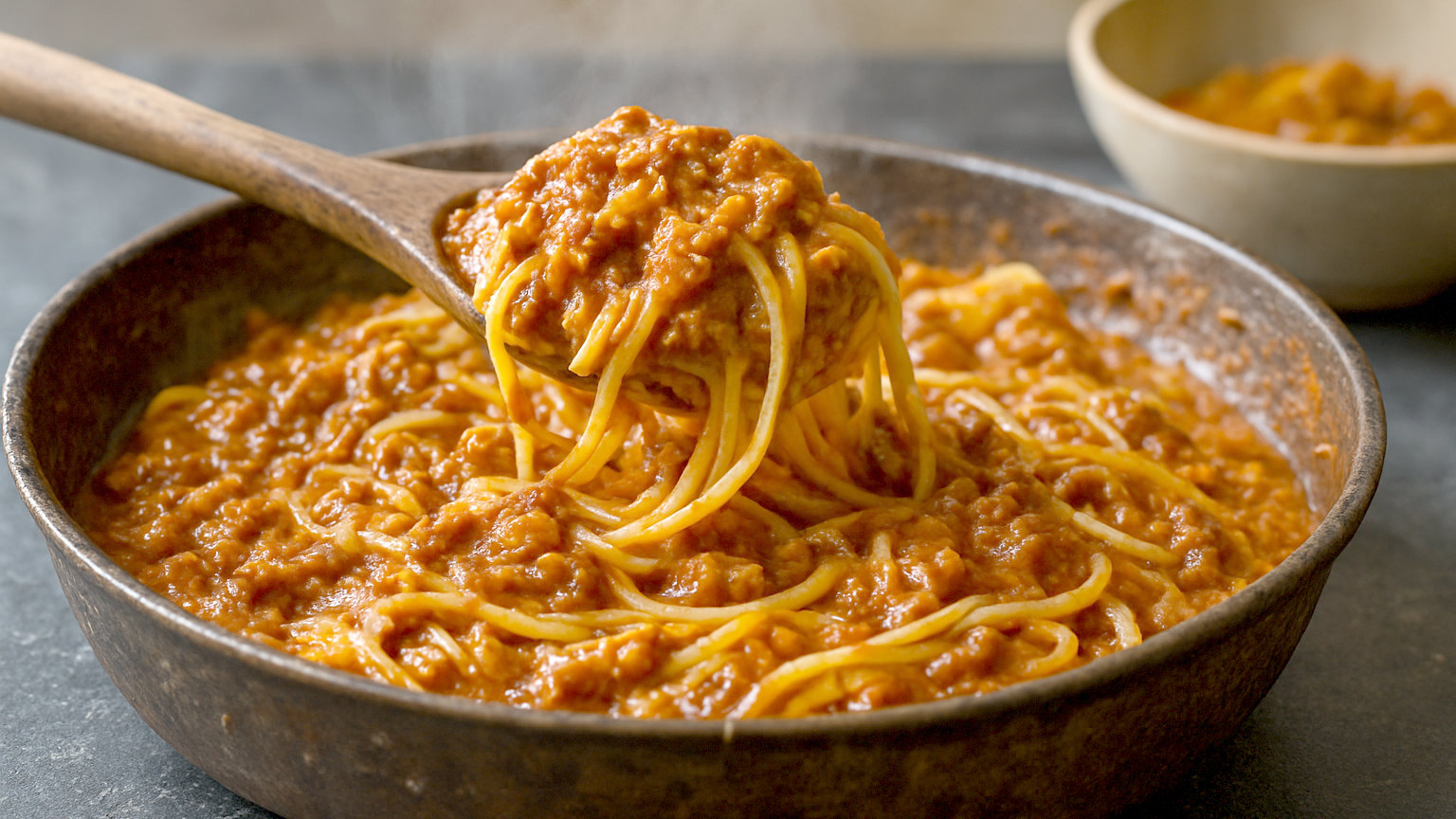
Not authentically Italian and not pretending to be. What it does need is two hours of simmering and milk, which is the step everyone skips.
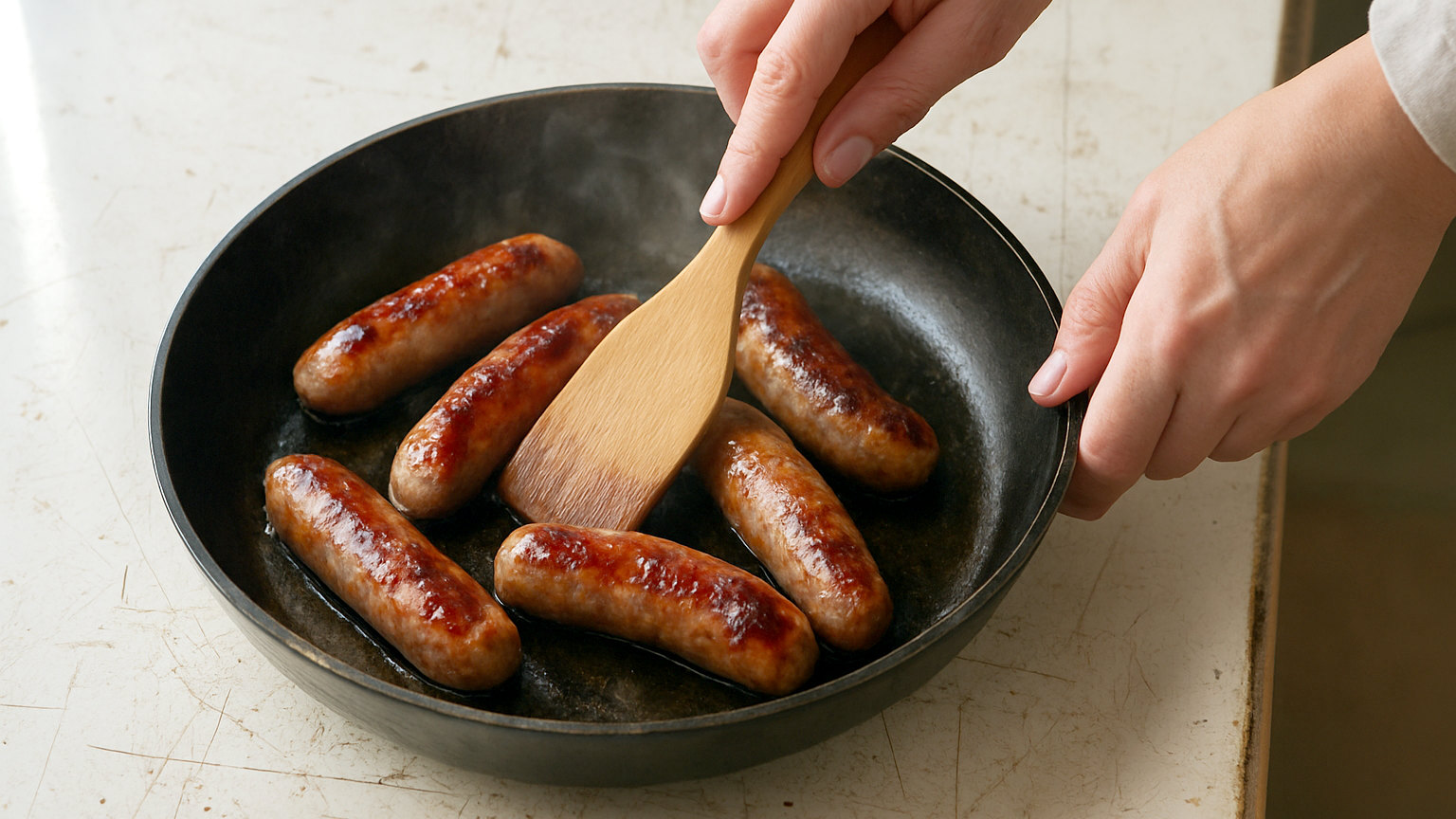
Low and slow rather than hot and fast. Sausages want twenty minutes over a moderate heat, and the pricking argument has a clear answer.
Fish goes from perfect to dry in about ninety seconds, so it needs checking early. The flake test works and the timings are shorter than most people expect.
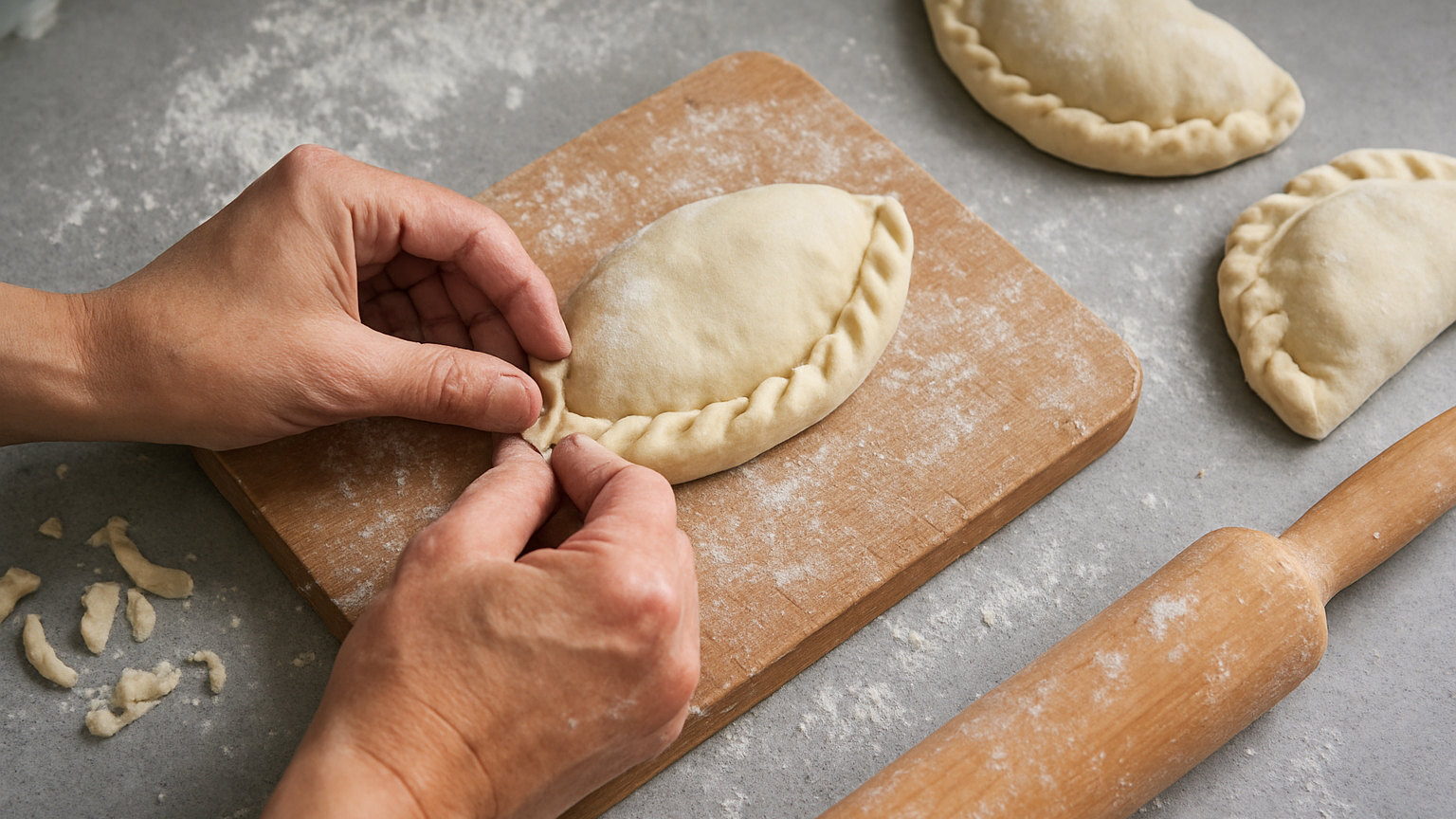
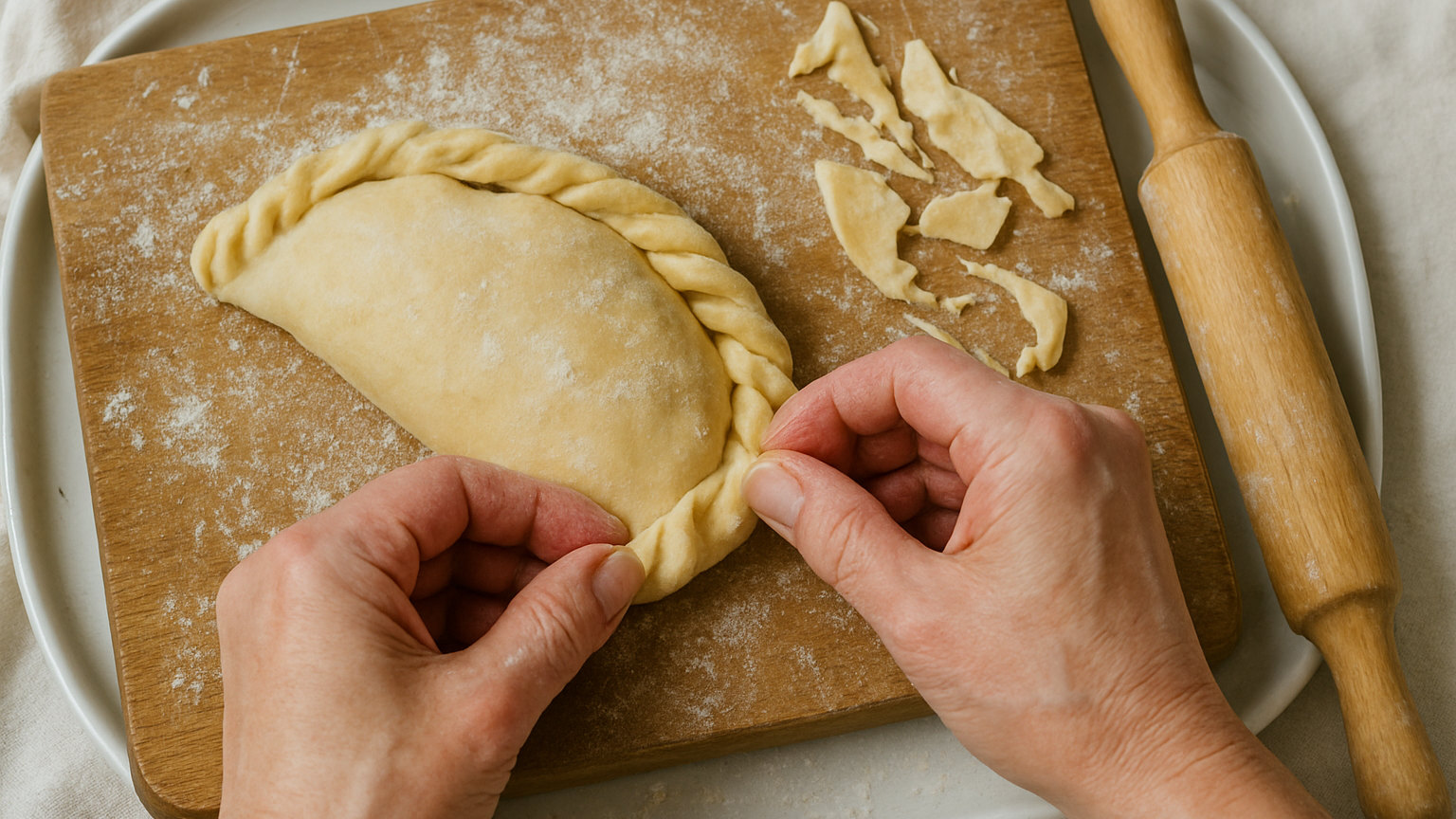
The crimp is a seal, not decoration. Done properly it holds the pastry shut through an hour in the oven, and it takes about twenty of them to get right.
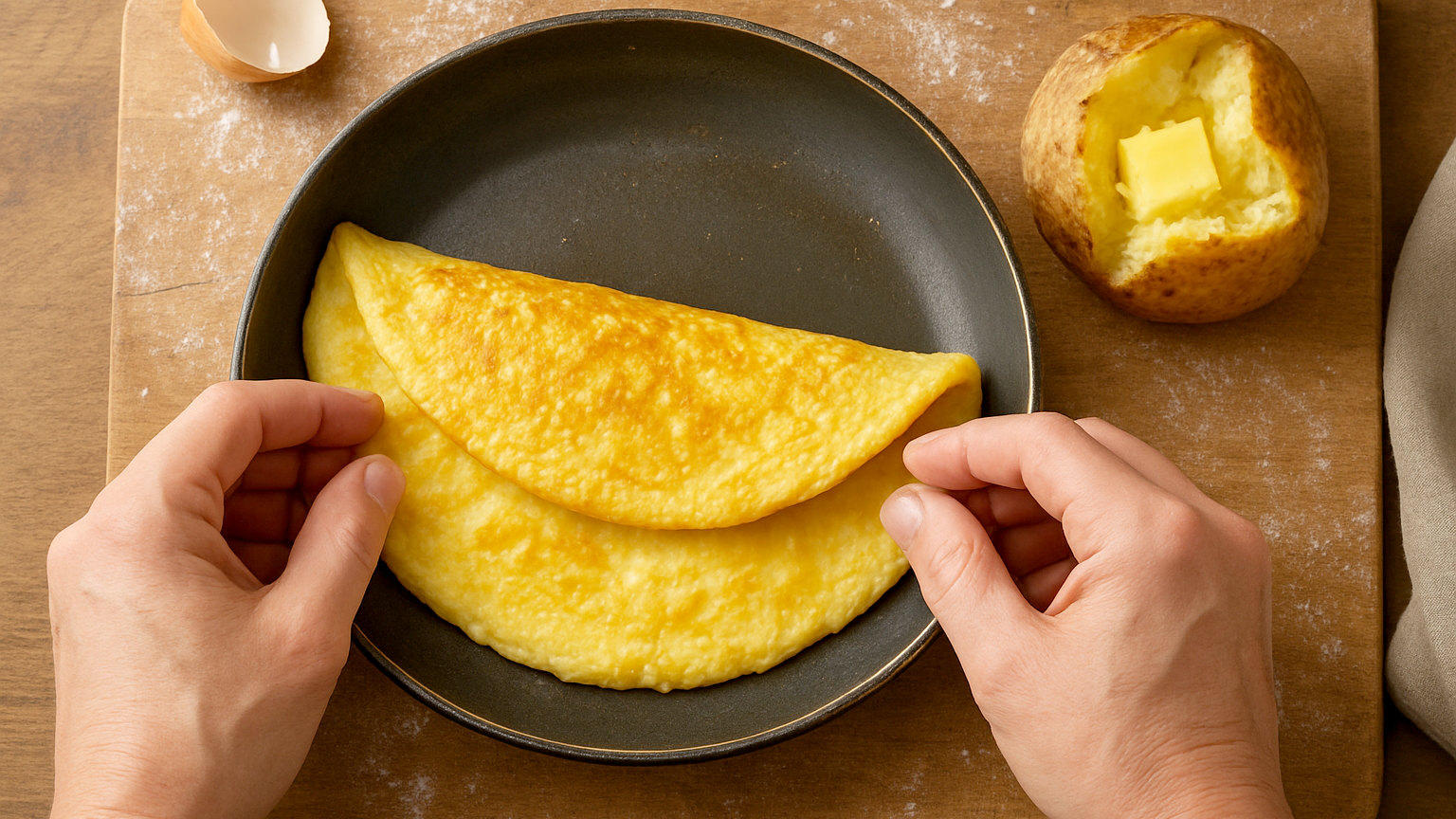
Three eggs, a hot pan and about ninety seconds. The most common mistake is cooking it too long, and the second is filling it too much.
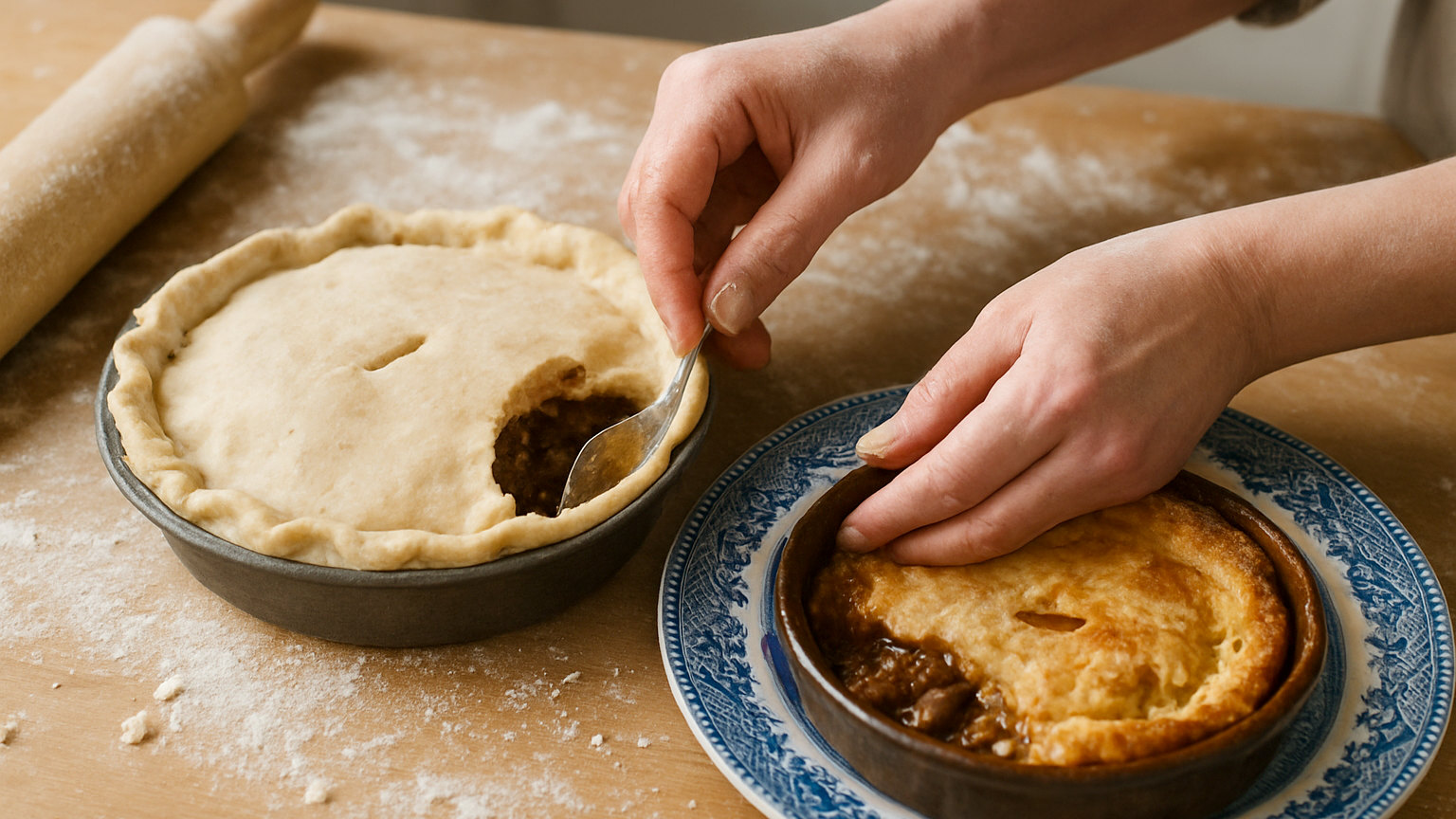
Cold filling, a preheated metal tin and a blind baked base. Three things, and most soggy bottoms come from skipping all three at once.
Shin, chuck and brisket all beat the packet marked stewing steak. What you want is connective tissue, which is the opposite of what you want in a steak.