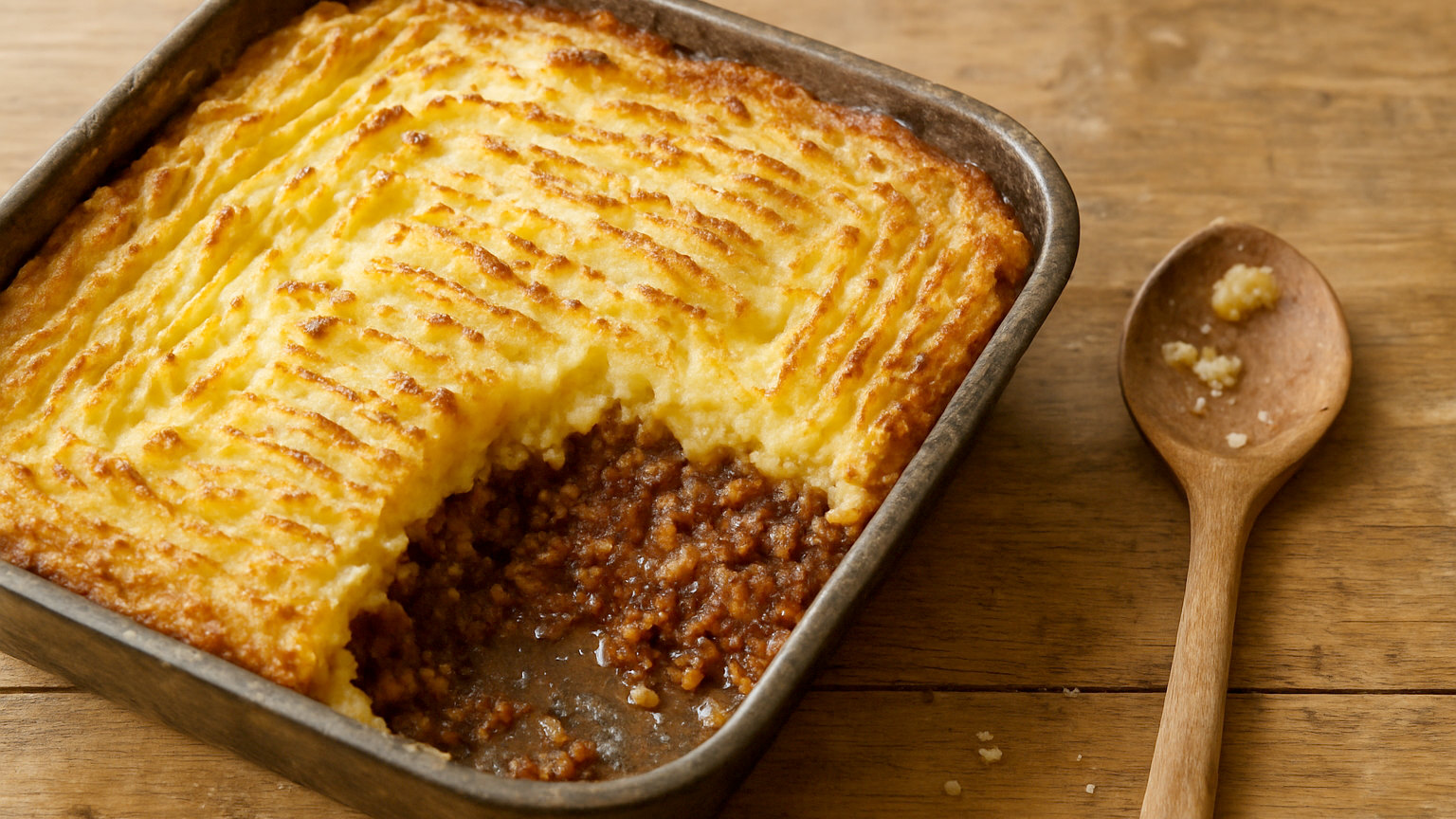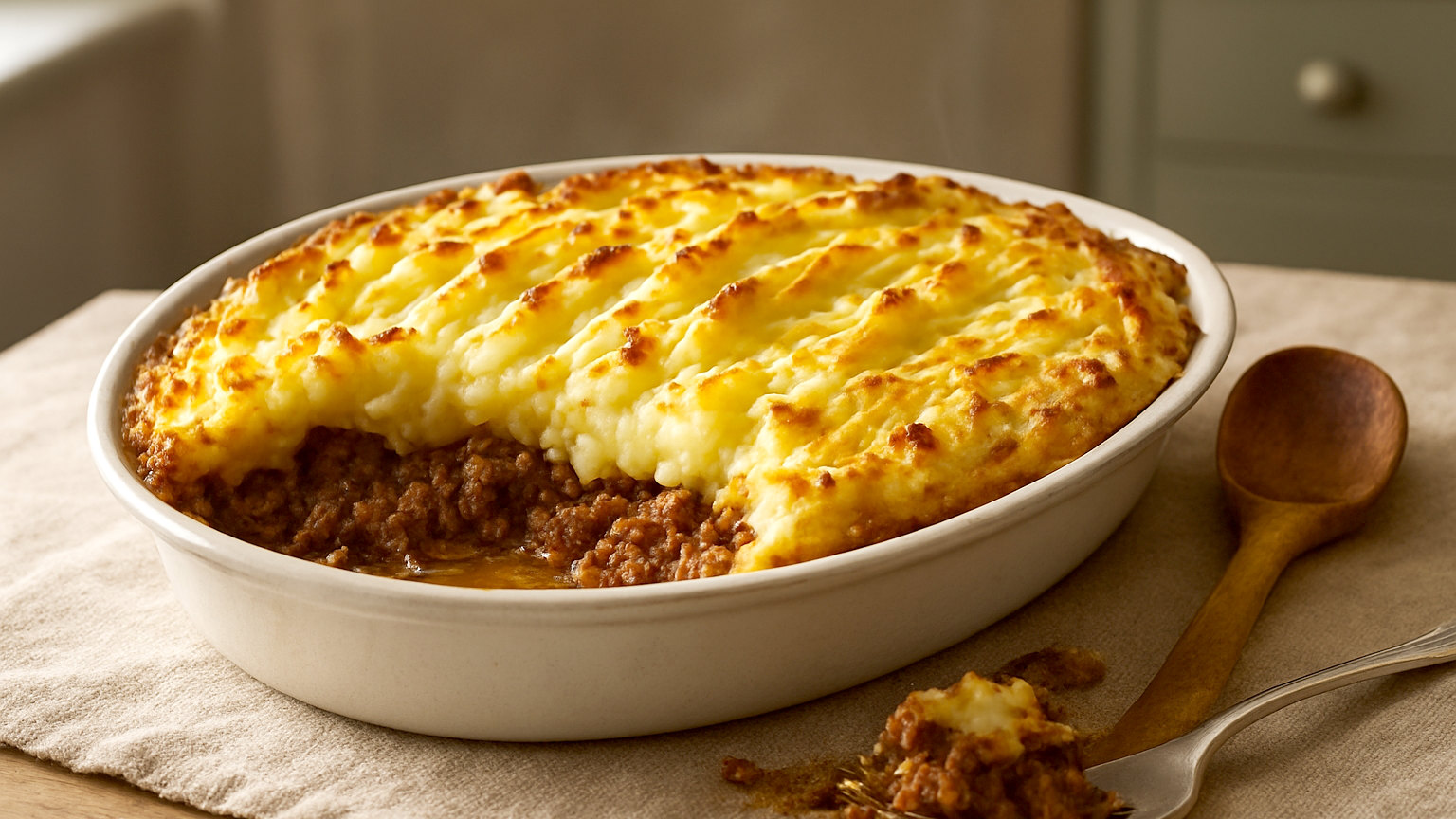
Shepherds Pie With Lamb and Rosemary
Lamb mince is fattier than beef and needs draining after browning. Rosemary rather than thyme, and a long simmer to soften the flavour.
By UK Recipes
2 Aug 2026

This is the weekday half of British cooking: things that go in one pot, under a crust, or in the oven while you get on with something else. Pastry that holds, stews that are better the next day, and the handful of dishes almost every household has its own version of. Where a recipe is genuinely improved by a long cook, we say so rather than pretending it can be rushed.
Lamb mince is fattier than beef and needs draining after browning. Rosemary rather than thyme, and a long simmer to soften the flavour.
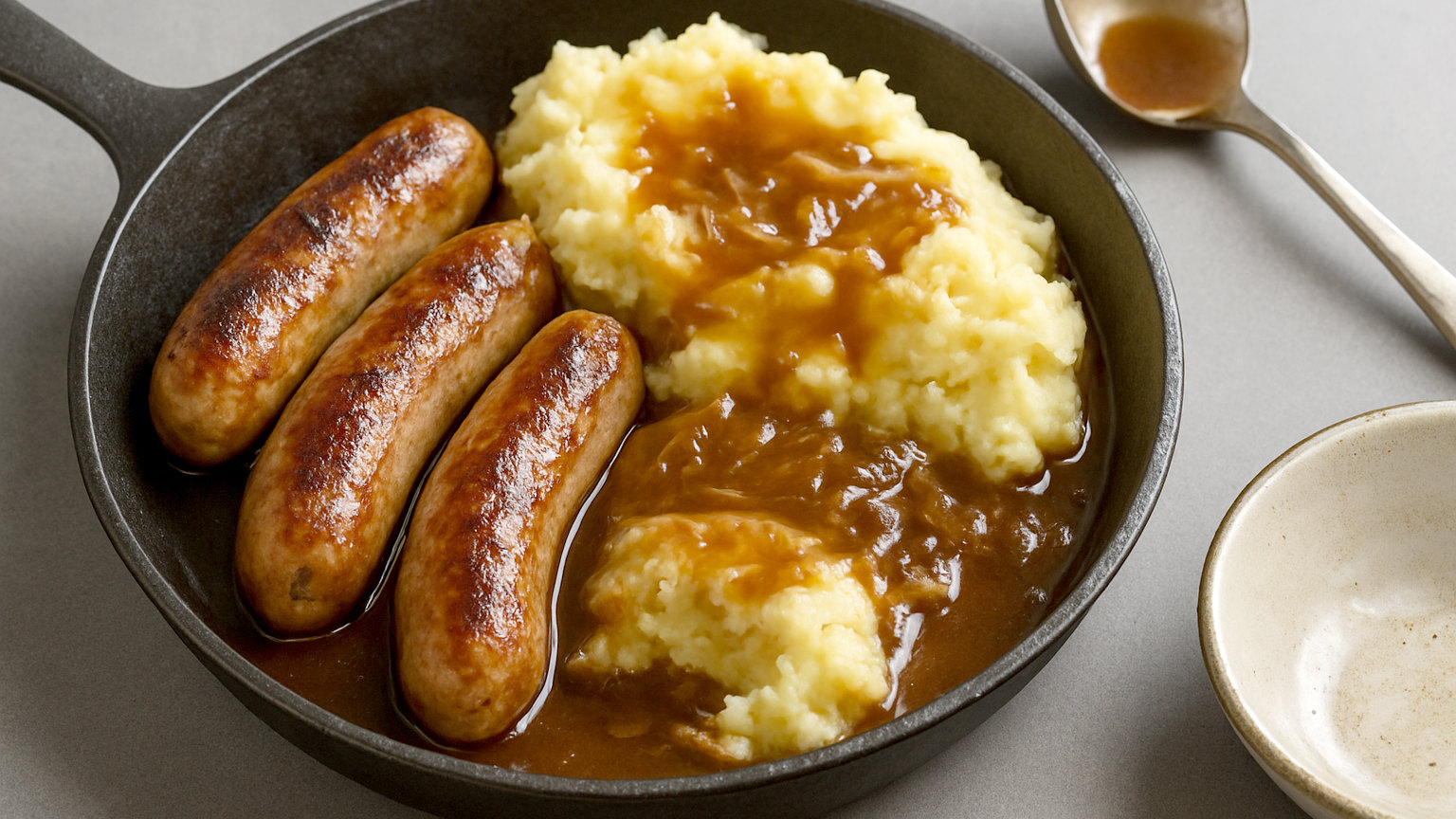
Three simple things that all need doing properly. The onions want twenty five minutes rather than five, and the sausages want a moderate heat.
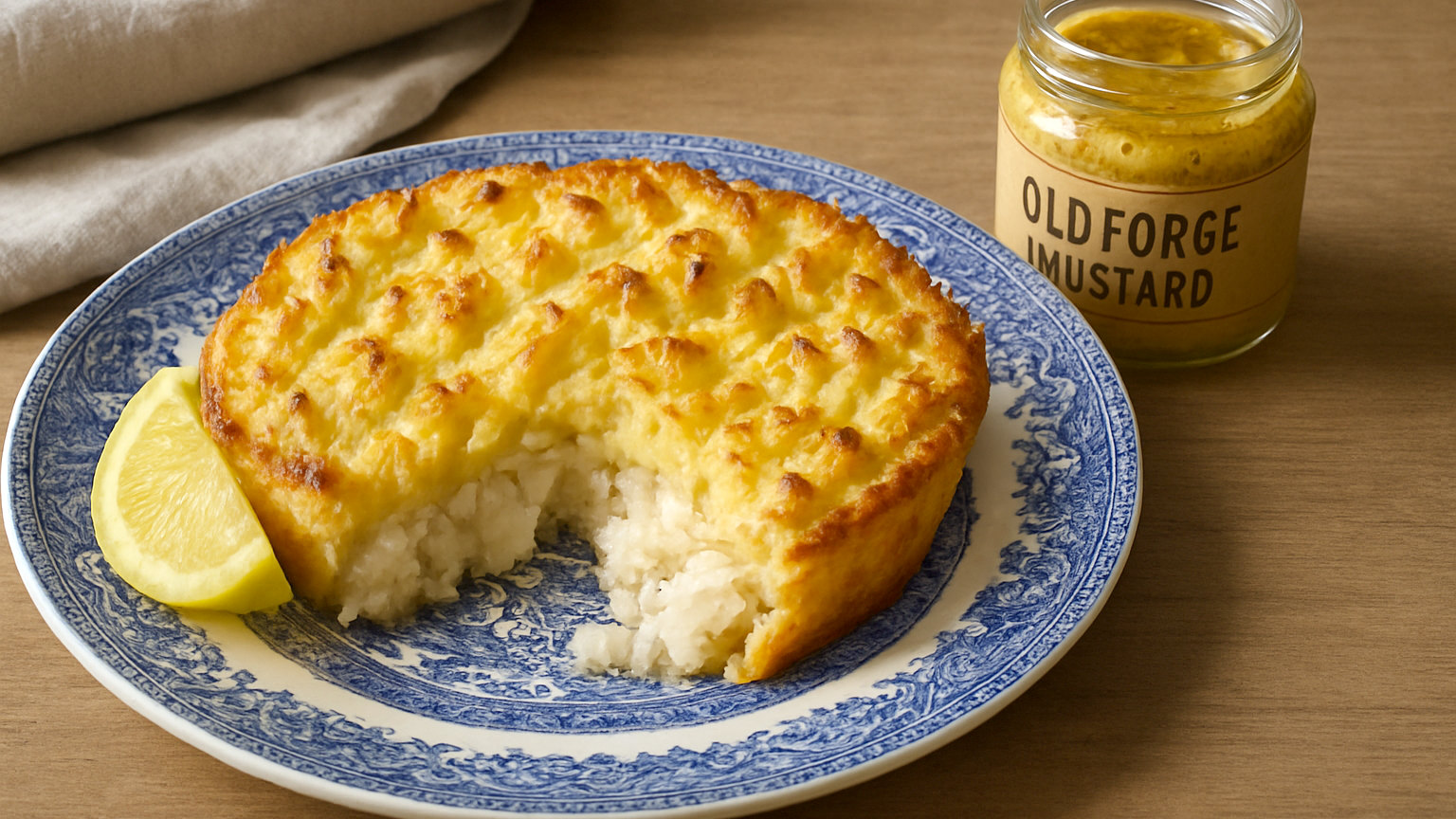
Cod and haddock are the default and not always the best value. Pollock, coley and hake do the same jobs for less and are often more sustainable.
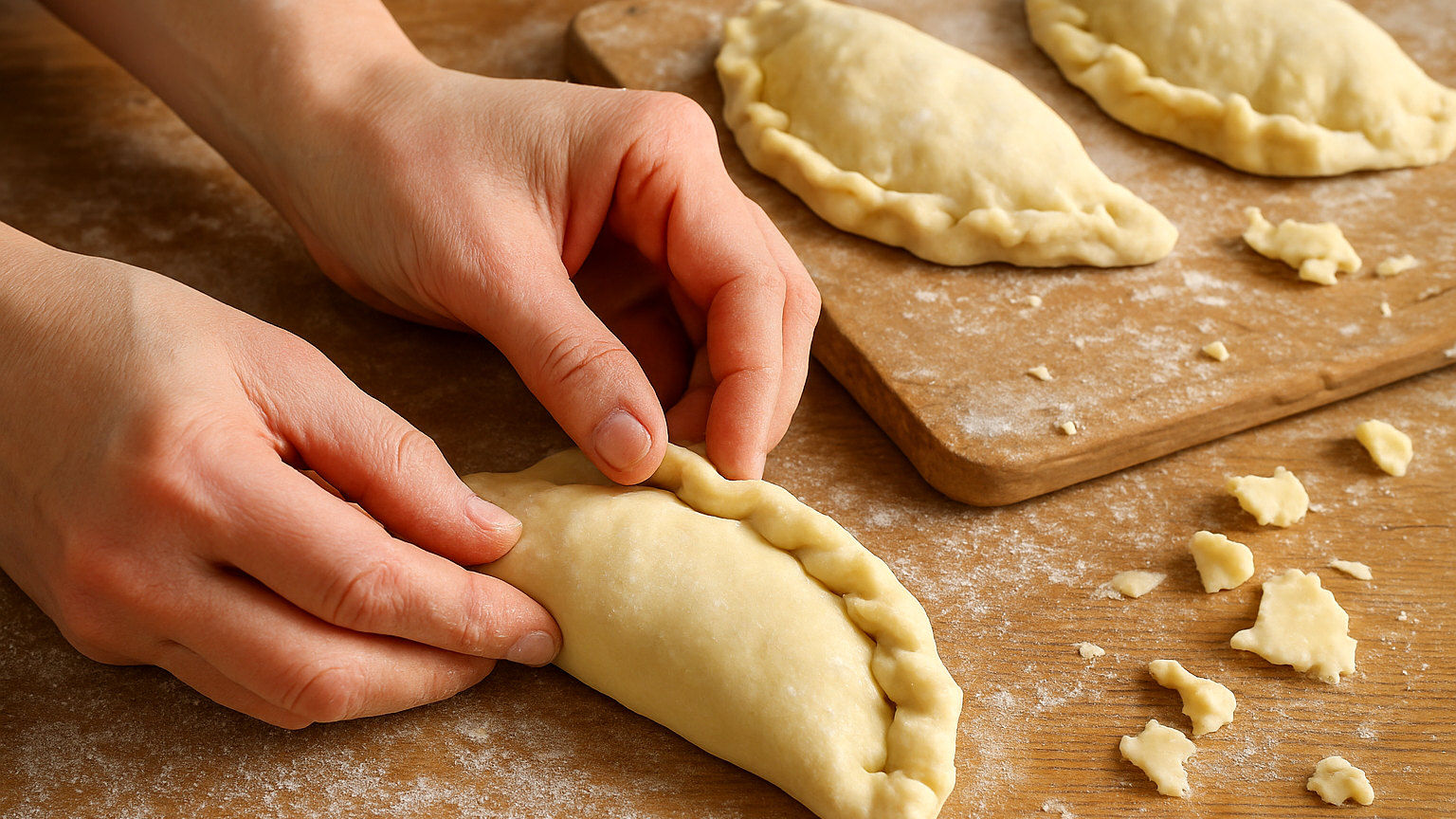
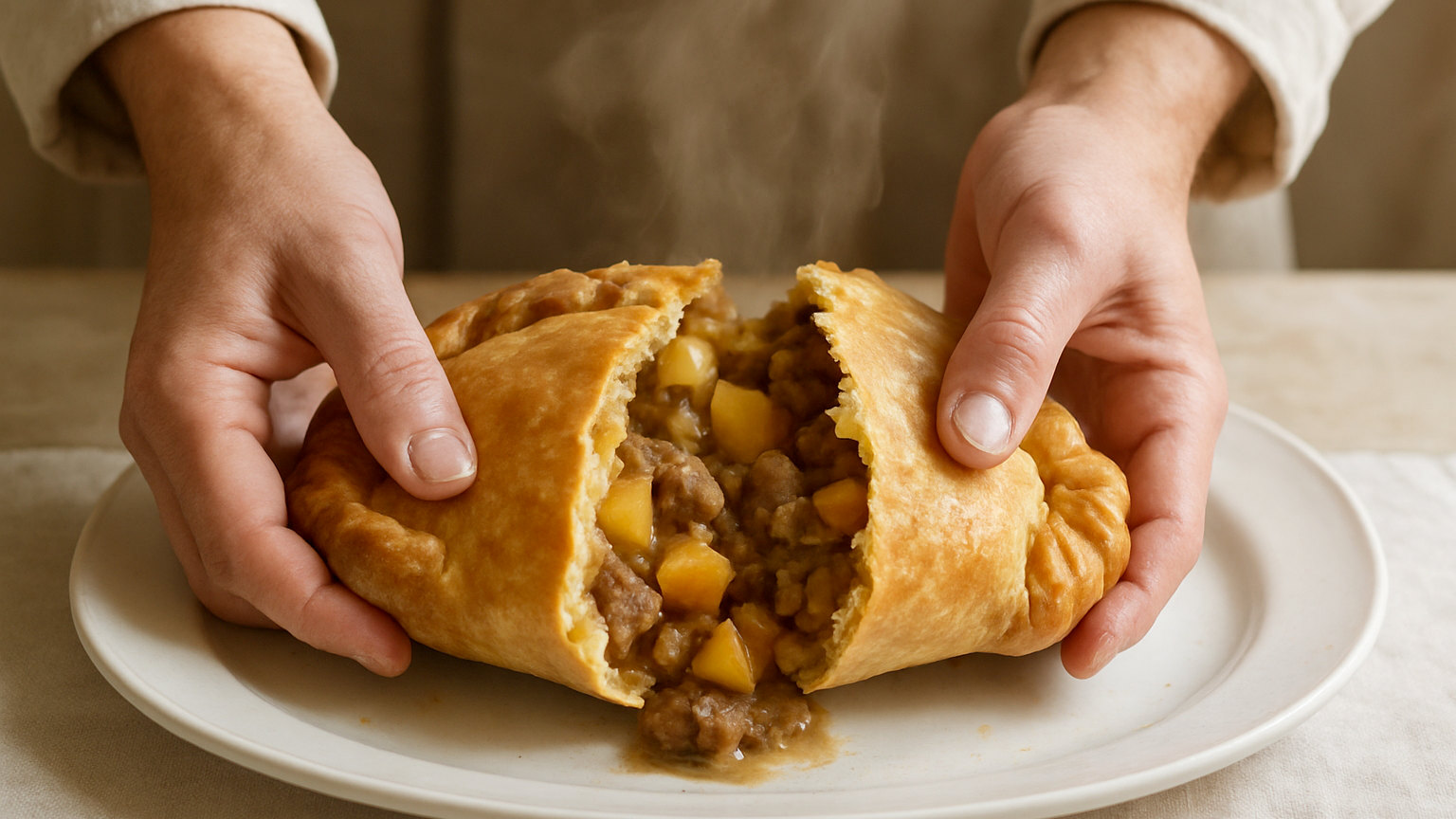
It has protected status, which means the recipe and the place of making are both defined in law. The crimp is on the side and there are no carrots.
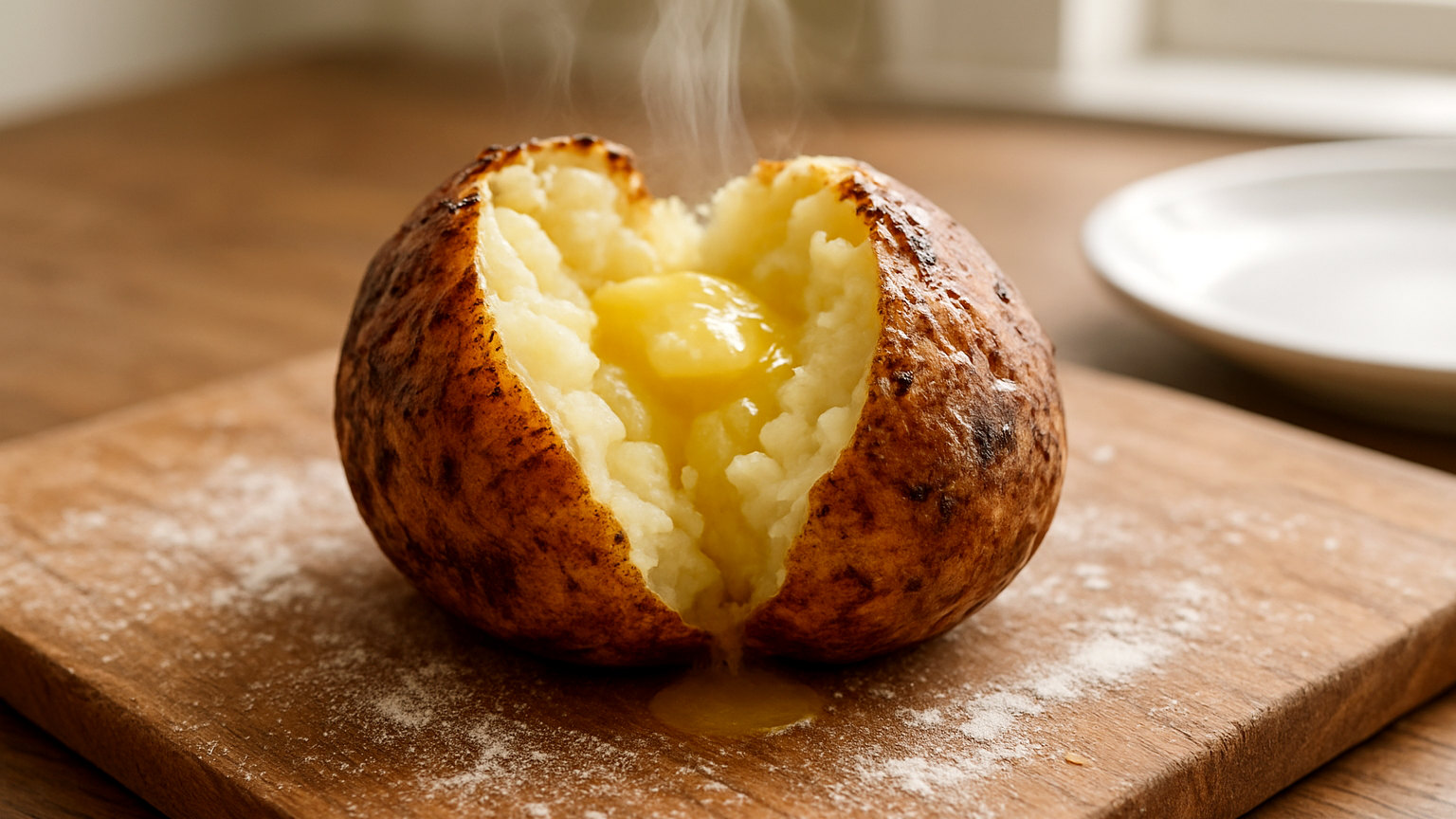
No foil, plenty of salt and a long bake in a hot oven. Foil is the reason most home baked potatoes have soft, damp skins.
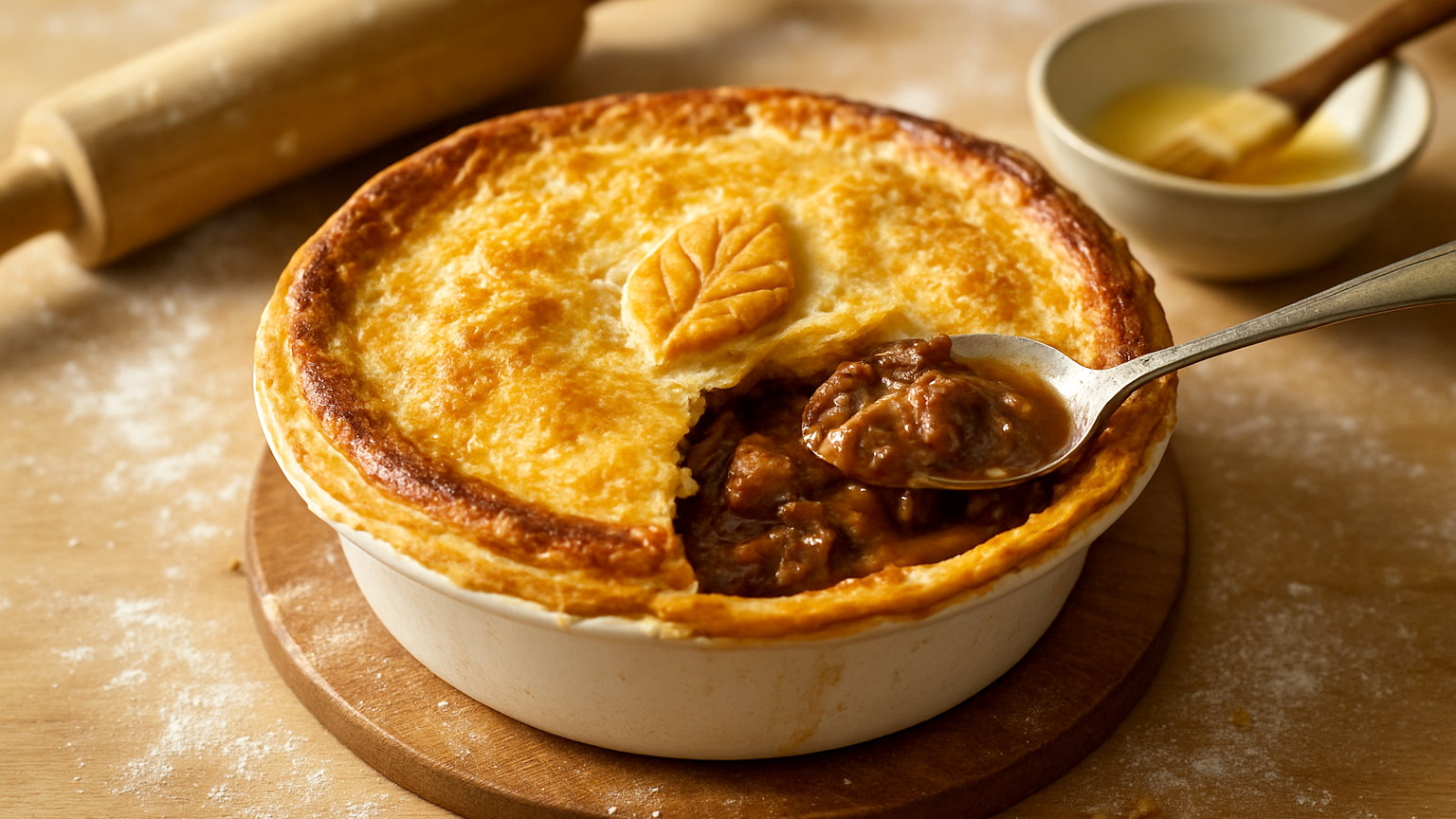
Shortcrust for the base, puff for the lid, hot water crust for anything eaten cold. The choice follows the filling rather than preference.
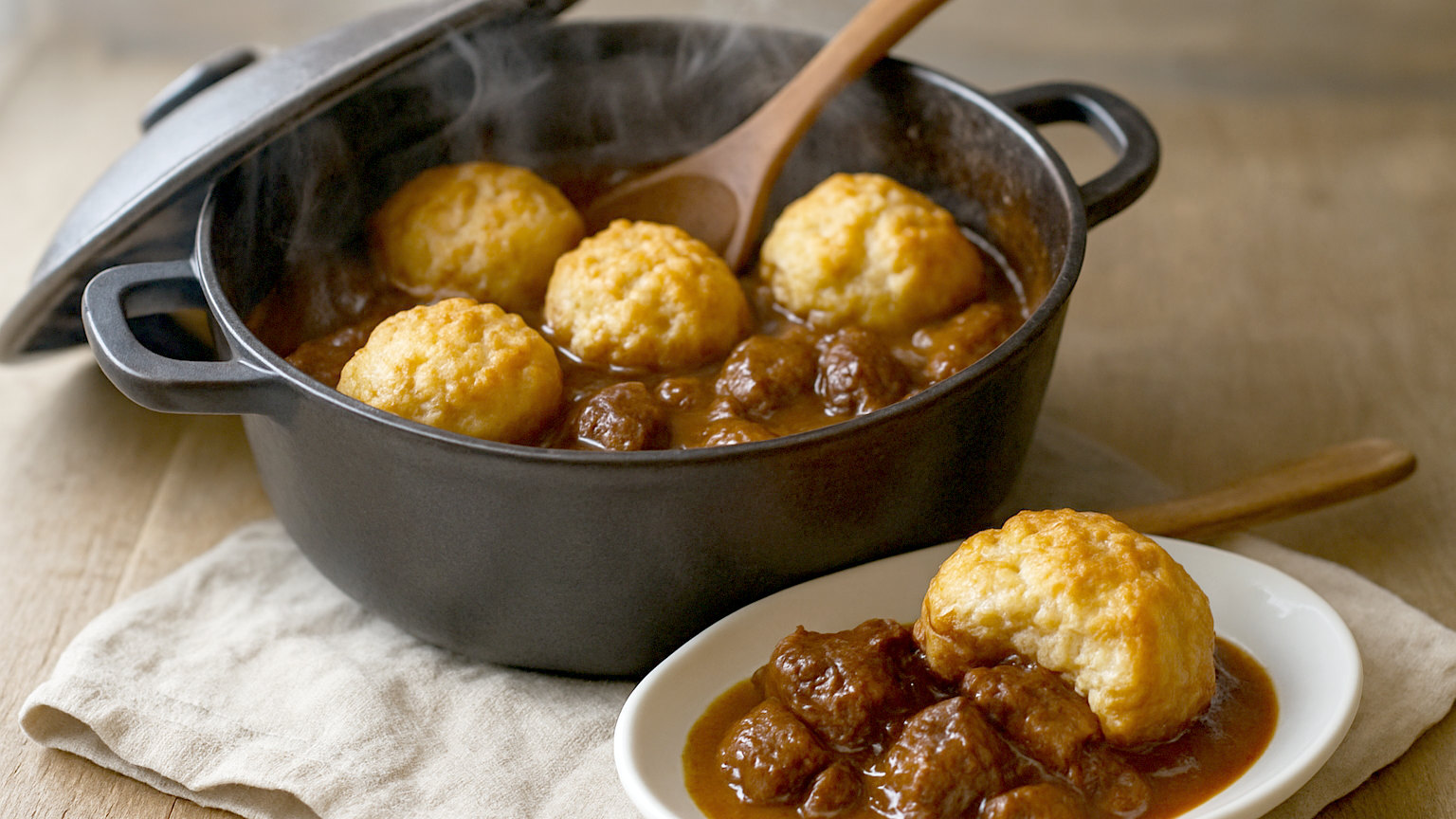
Three hours at a low temperature, and the dumplings go in for the last twenty minutes with the lid on. Rushing the beef is the only real mistake.
Ninety minutes of simmering rather than twenty is what separates a good cottage pie from a thin one. The filling should be cold before the mash goes on.
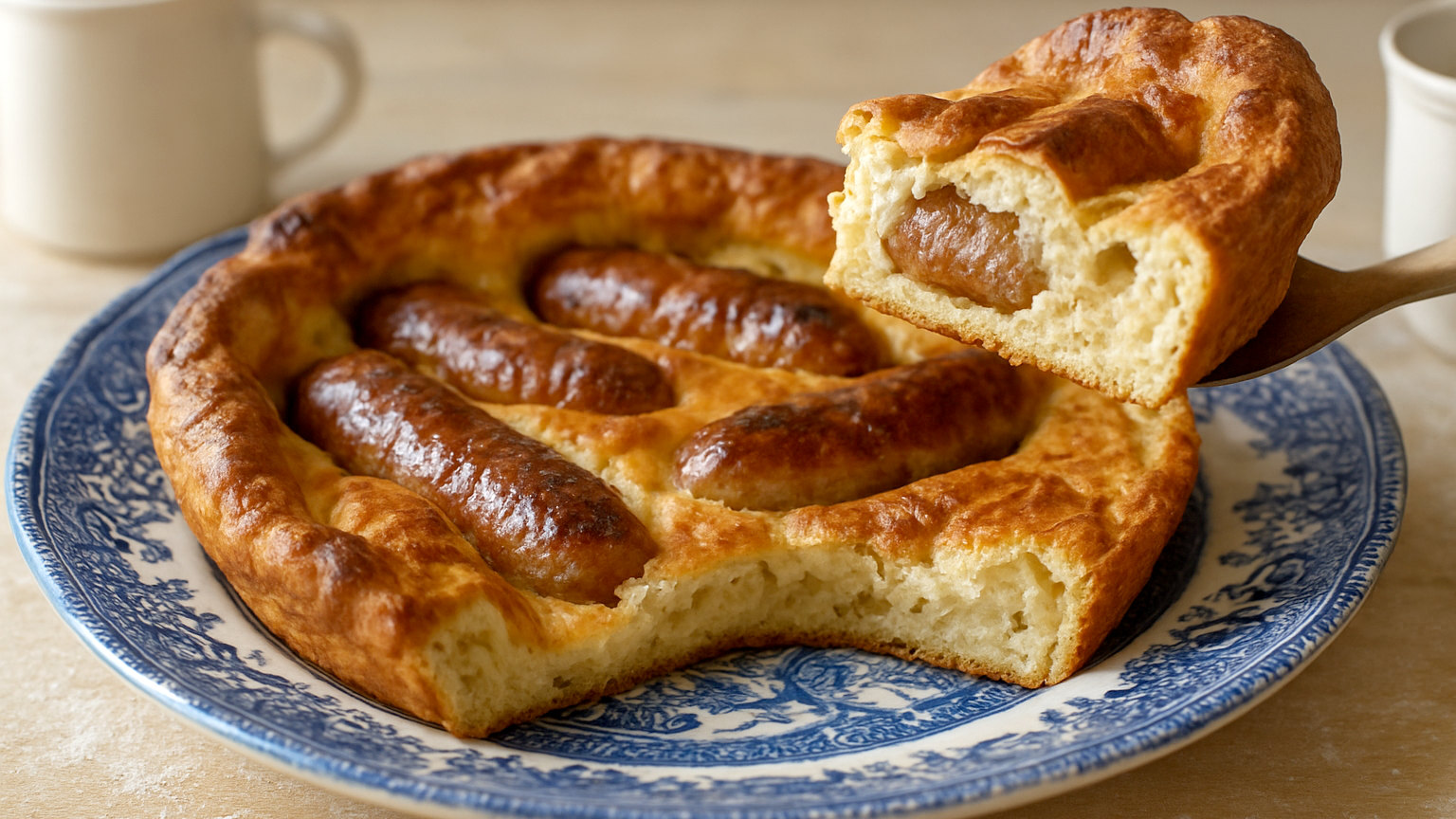
The sausages must be browned and the fat must be smoking before the batter goes anywhere near the tin. Everything else is a Yorkshire pudding.
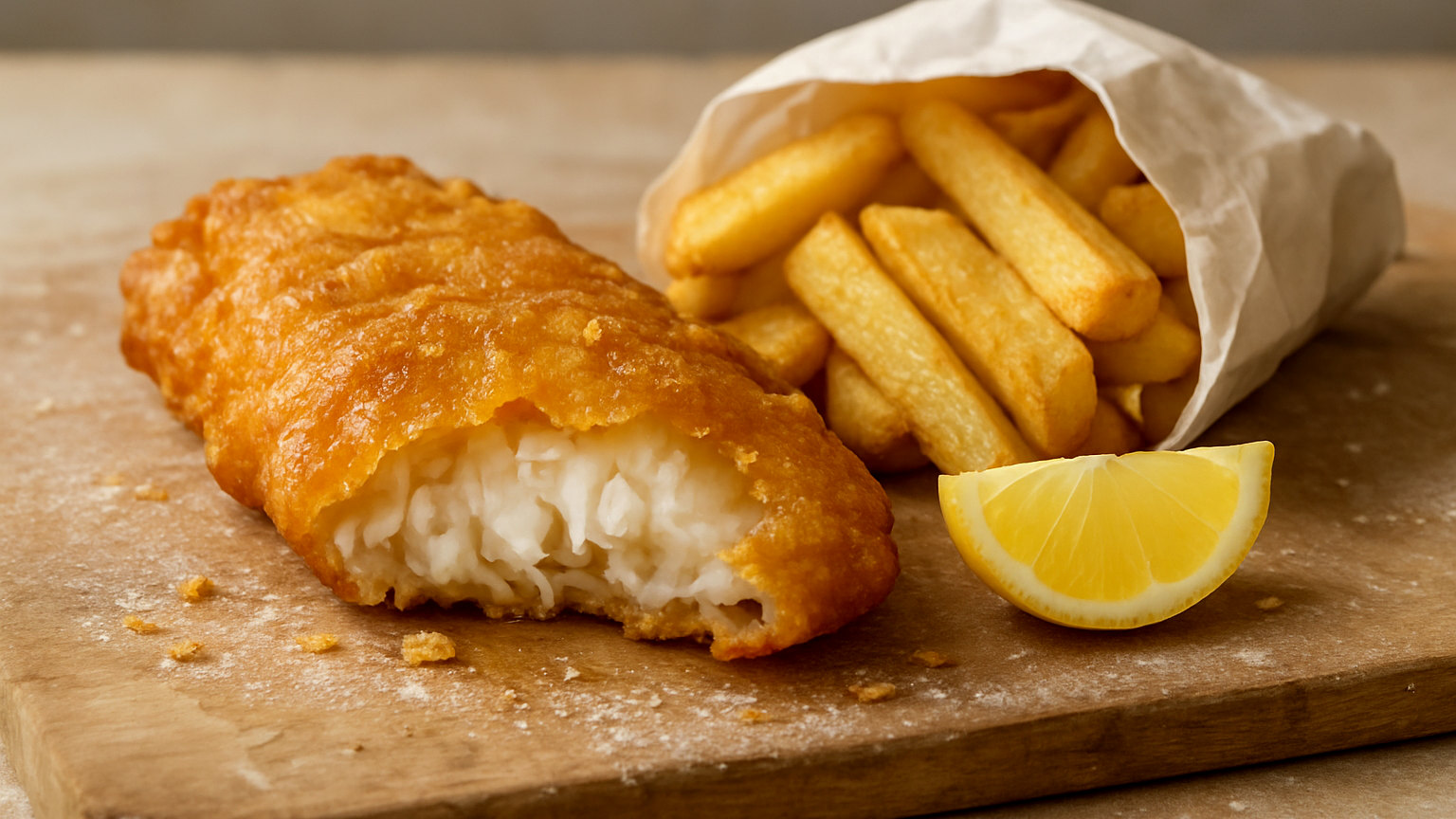
Cold batter, hot oil and a fish that is properly dry. The batter should be mixed at the last moment and left slightly lumpy.
Beef, potato, swede and onion, all raw, in a strong pastry that can survive being carried down a mine. The filling cooks inside the pastry.
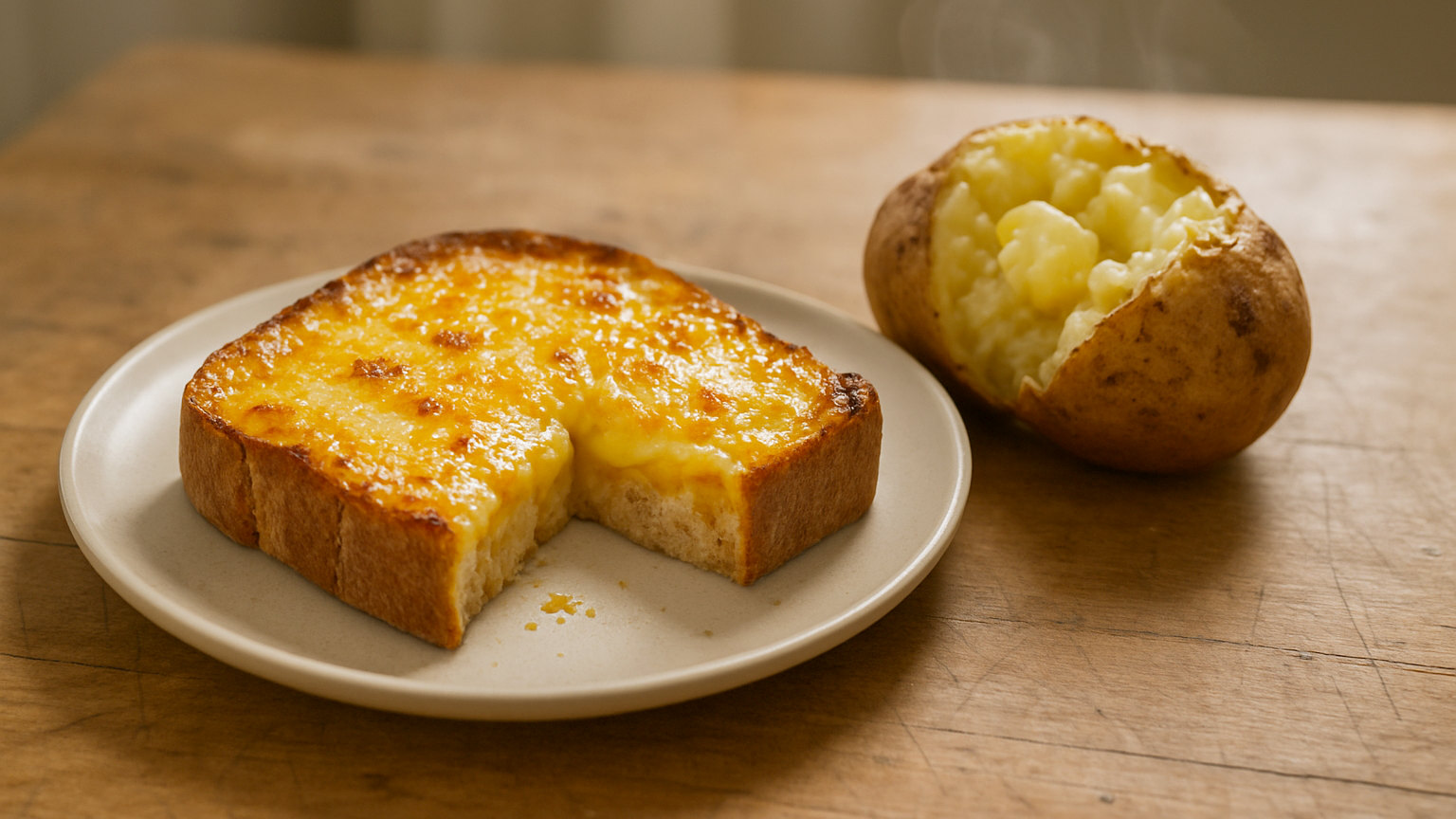
Toast one side first, use a strong cheese and grill it slowly enough to melt before it browns. Three small decisions that change the result entirely.