How to Reheat a Pasty
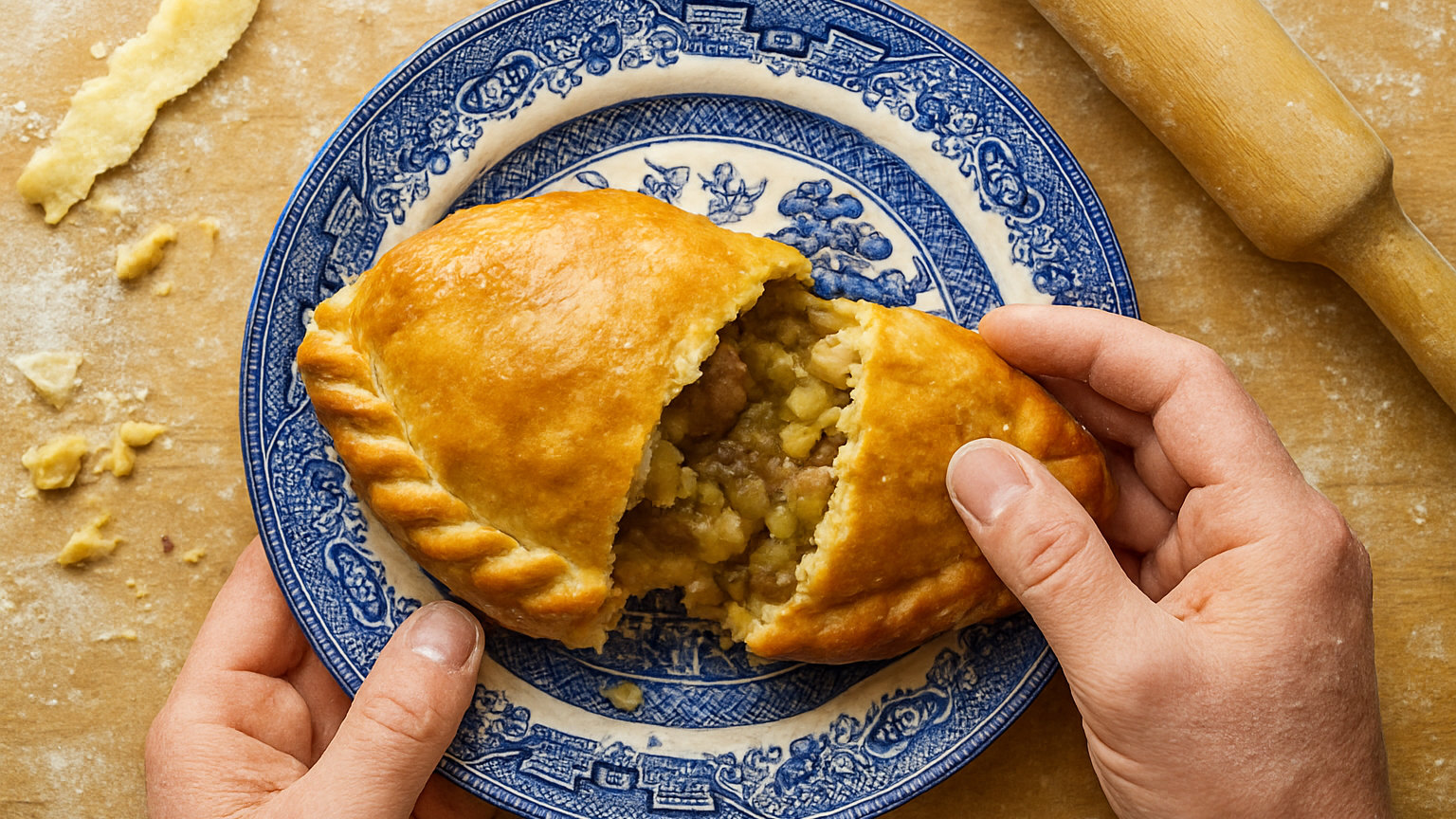
The oven, always. A microwave turns the pastry soft and slightly leathery in about ninety seconds and there is no way back from it.
By UK Recipes
11 Aug 2026

This is the weekday half of British cooking: things that go in one pot, under a crust, or in the oven while you get on with something else. Pastry that holds, stews that are better the next day, and the handful of dishes almost every household has its own version of. Where a recipe is genuinely improved by a long cook, we say so rather than pretending it can be rushed.
The oven, always. A microwave turns the pastry soft and slightly leathery in about ninety seconds and there is no way back from it.
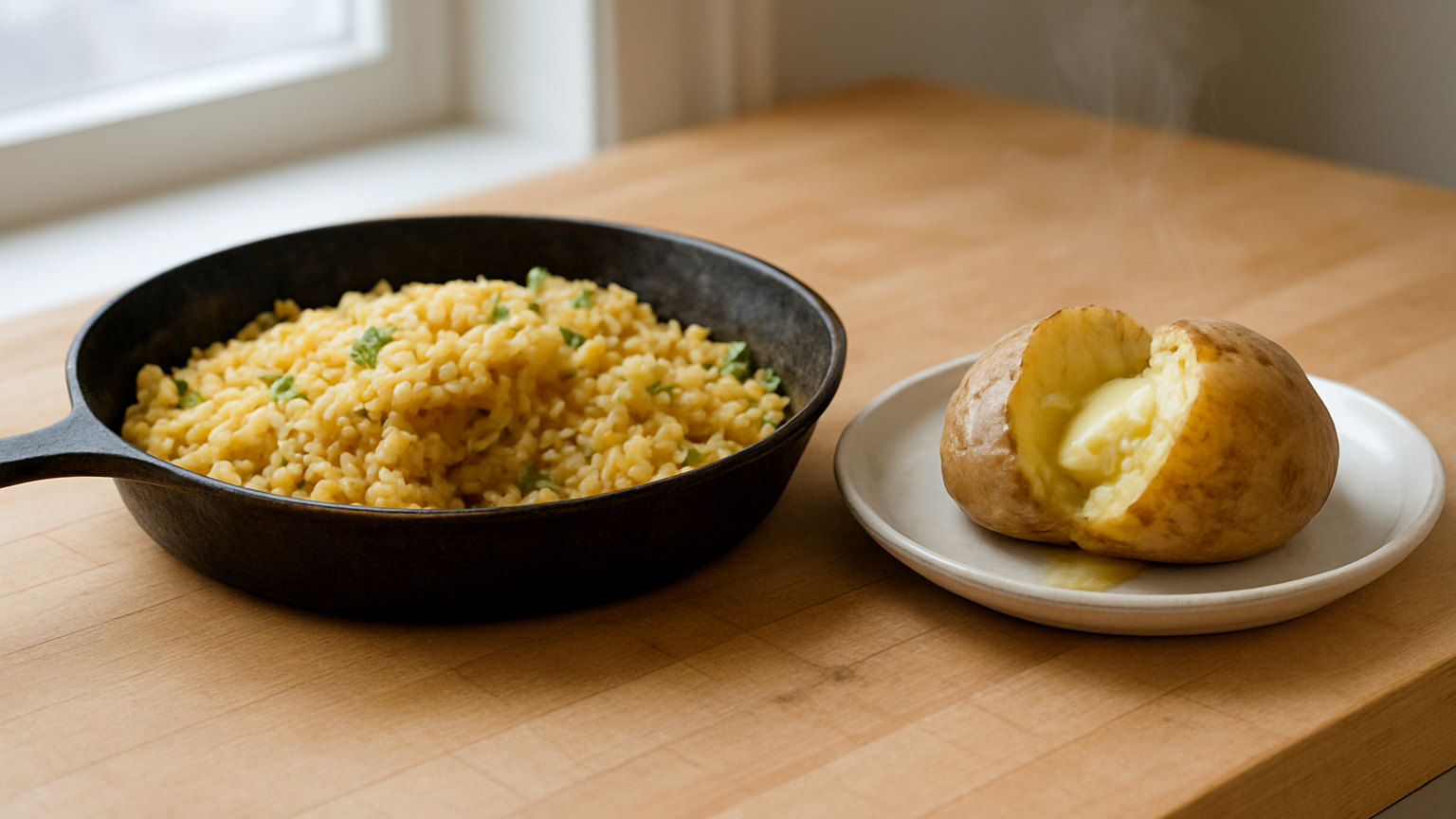
Cold rice from the day before is the only kind that works. Fresh rice steams into a clump and no amount of hot oil will fix it.
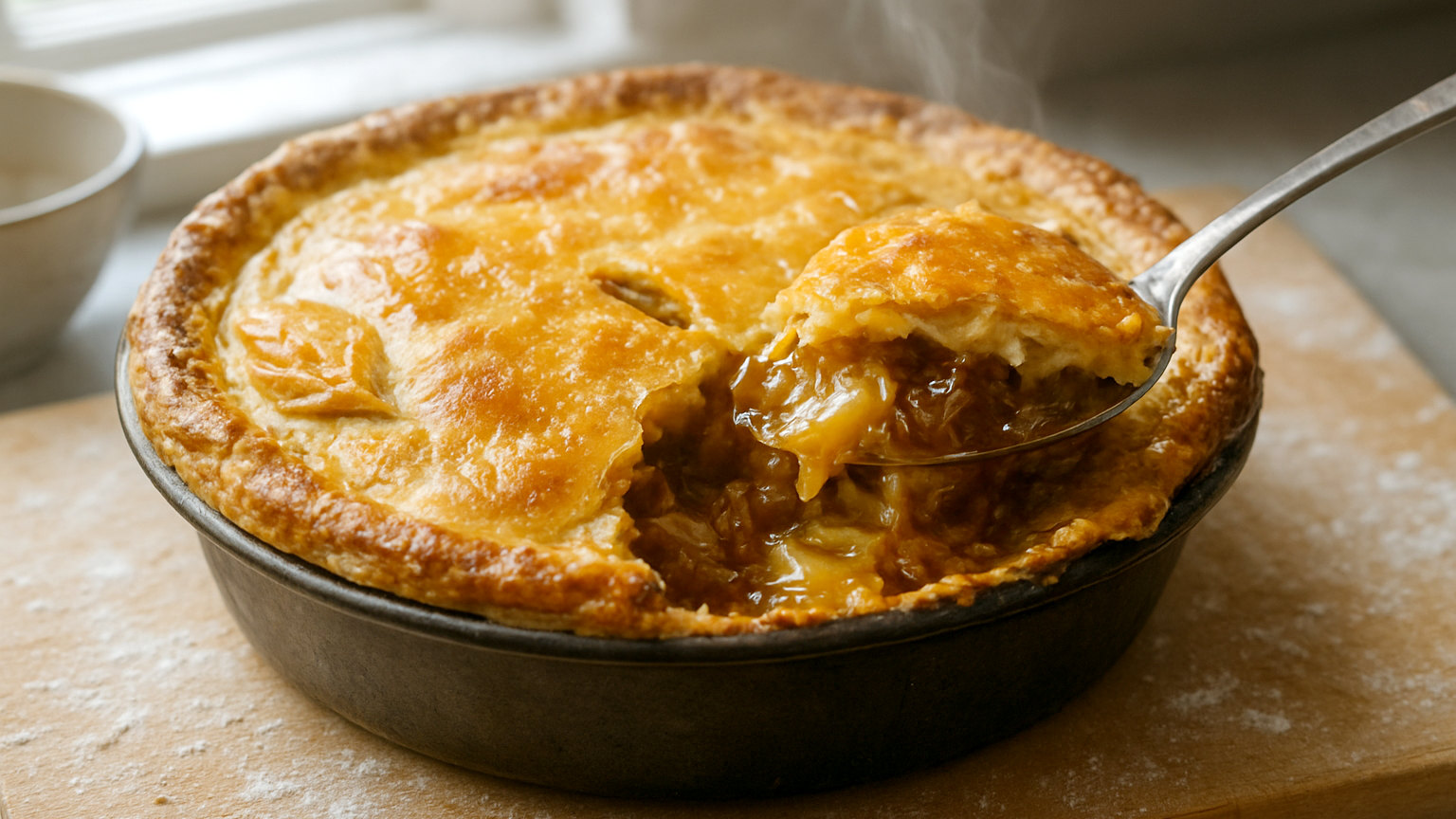
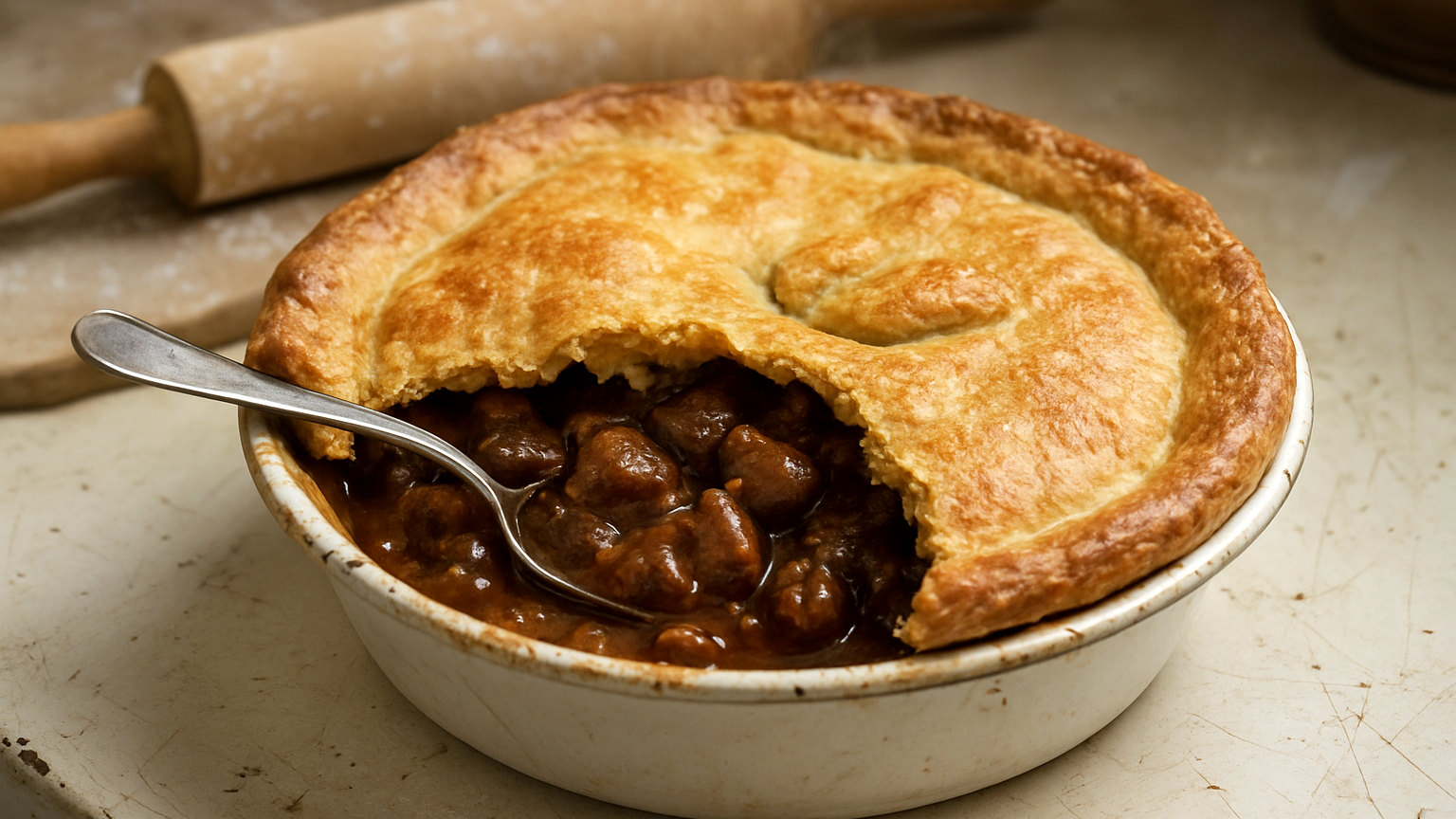
A northern chip shop staple made properly at home. The onions must be cooked down first, or the pie floods and the pastry never sets.
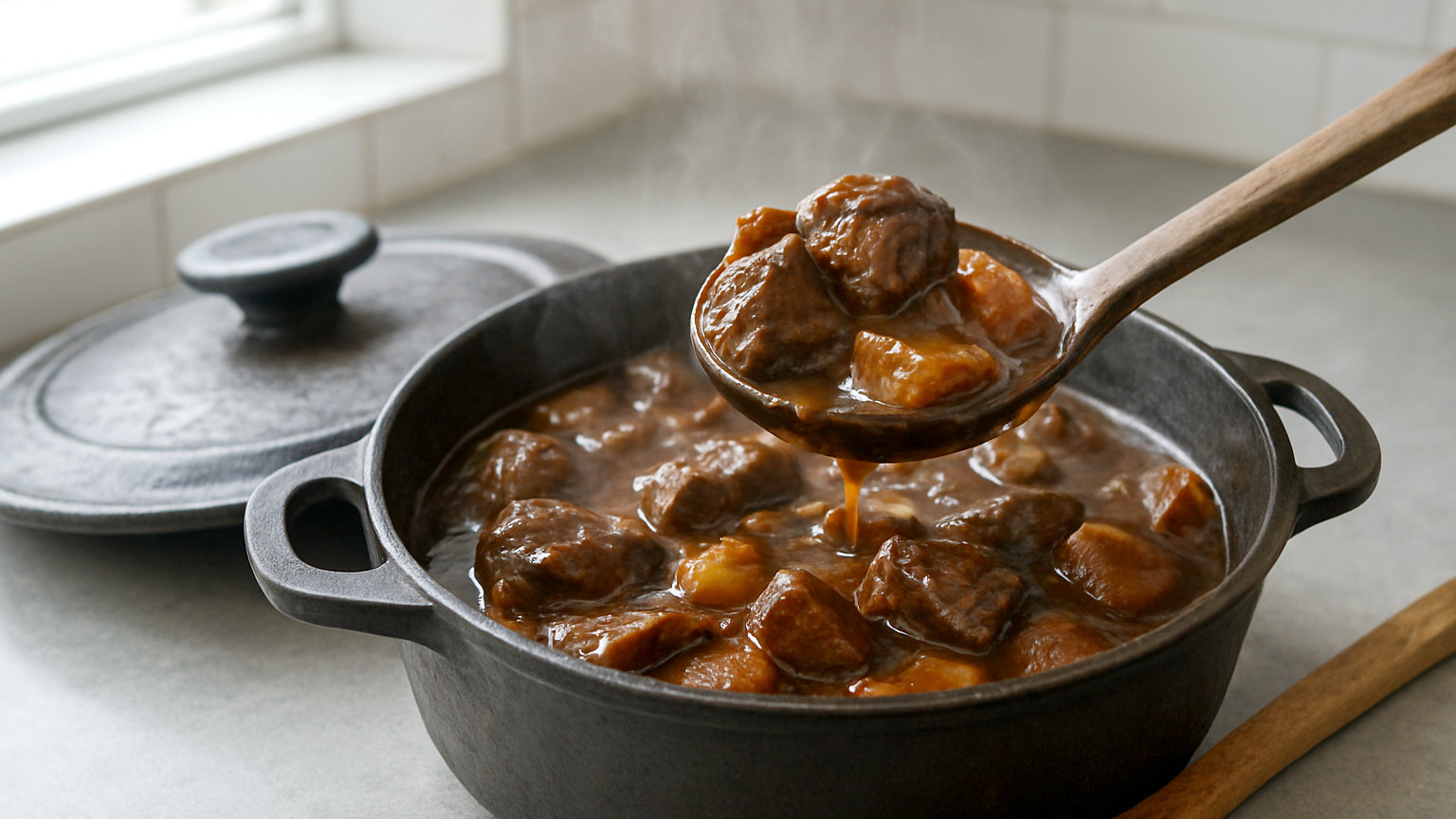
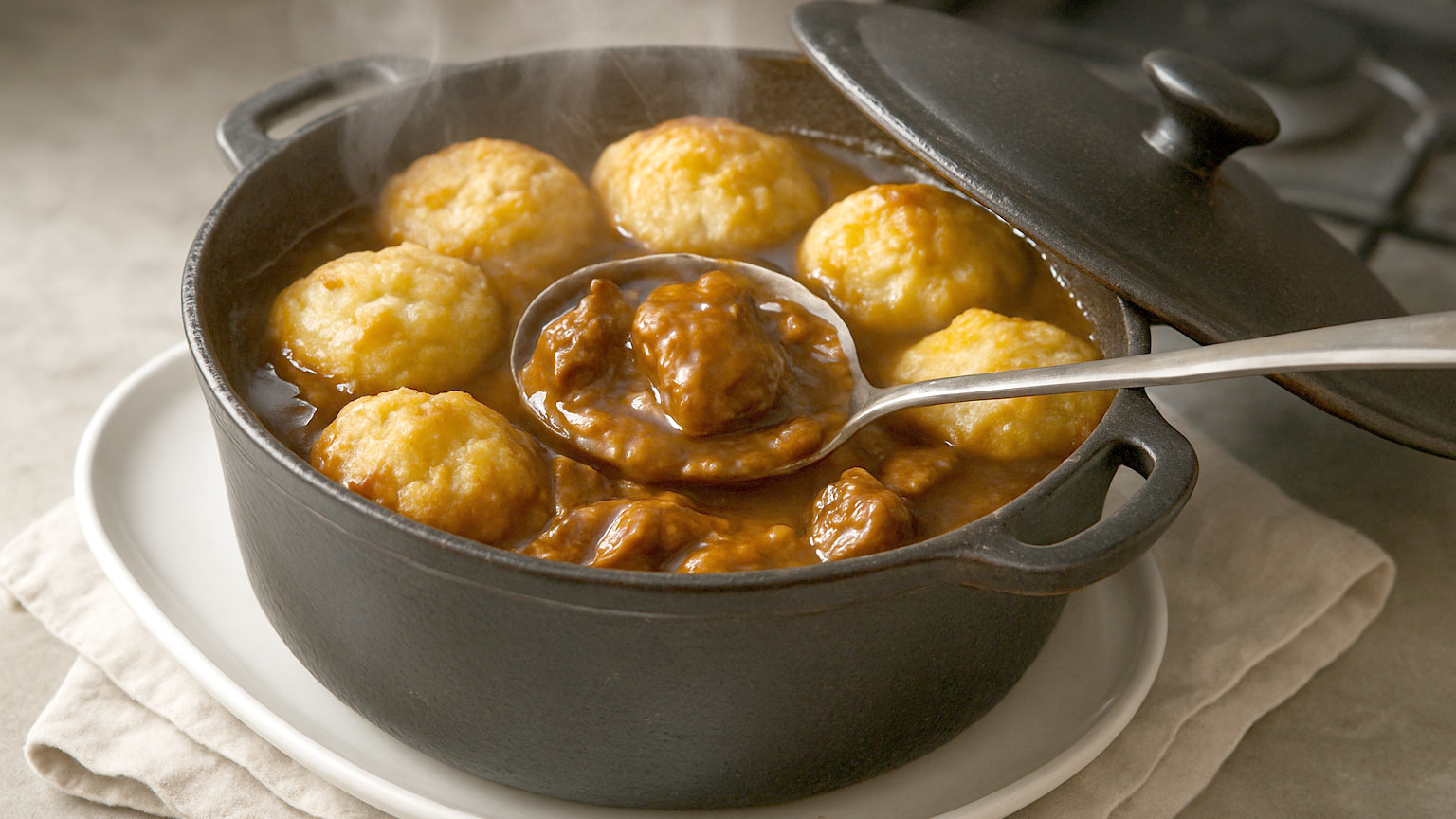
Stews freeze better than almost anything and improve for it. The exceptions are potatoes, cream and dumplings, all of which are best added later.
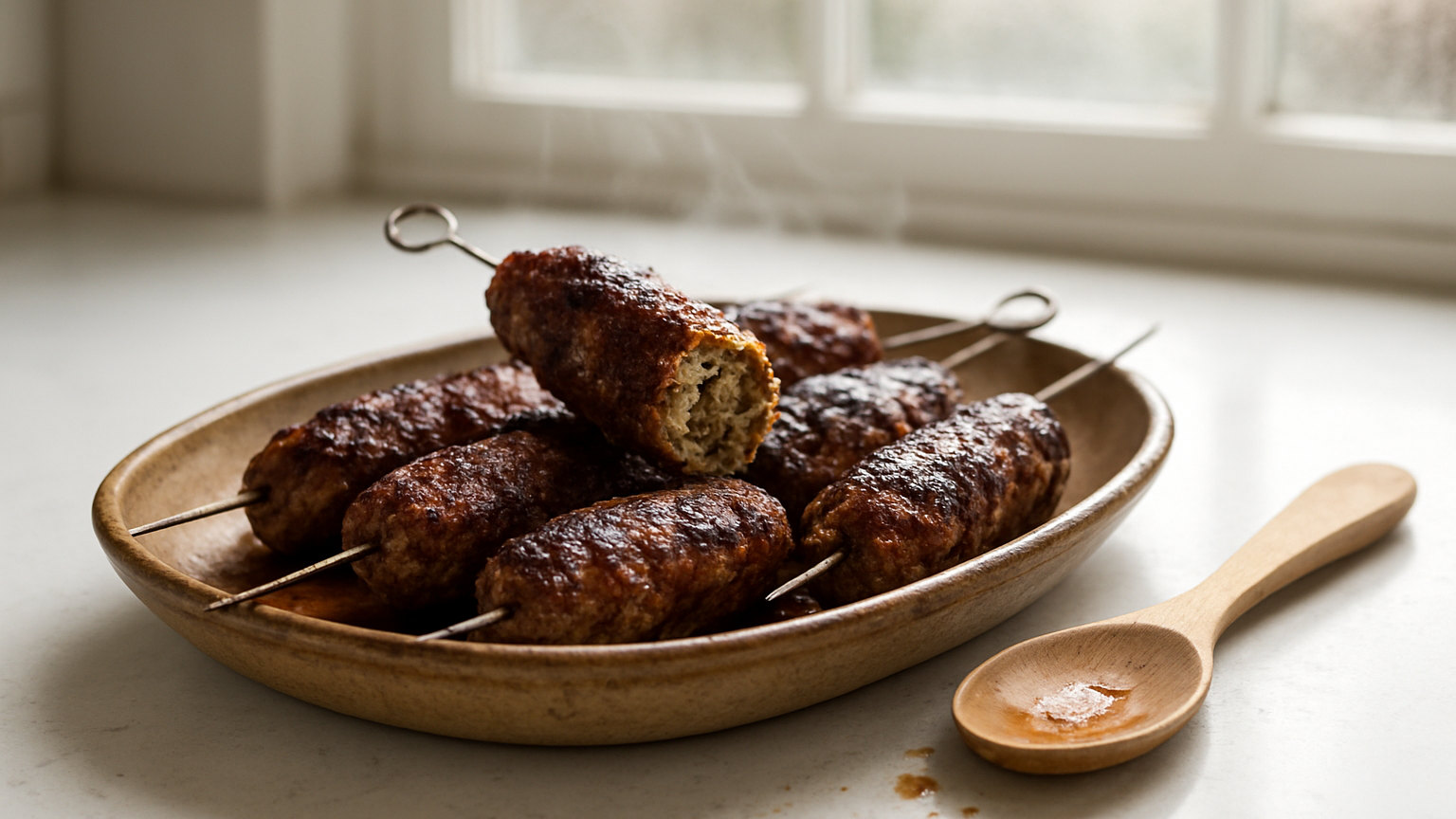
Lamb mince worked hard rather than gently, which is the opposite of a meatball. The mixture needs to be sticky enough to hold onto a skewer.
You can, in the oven, with about half as long again. In a pan the results are poor, and defrosting properly is worth the planning.
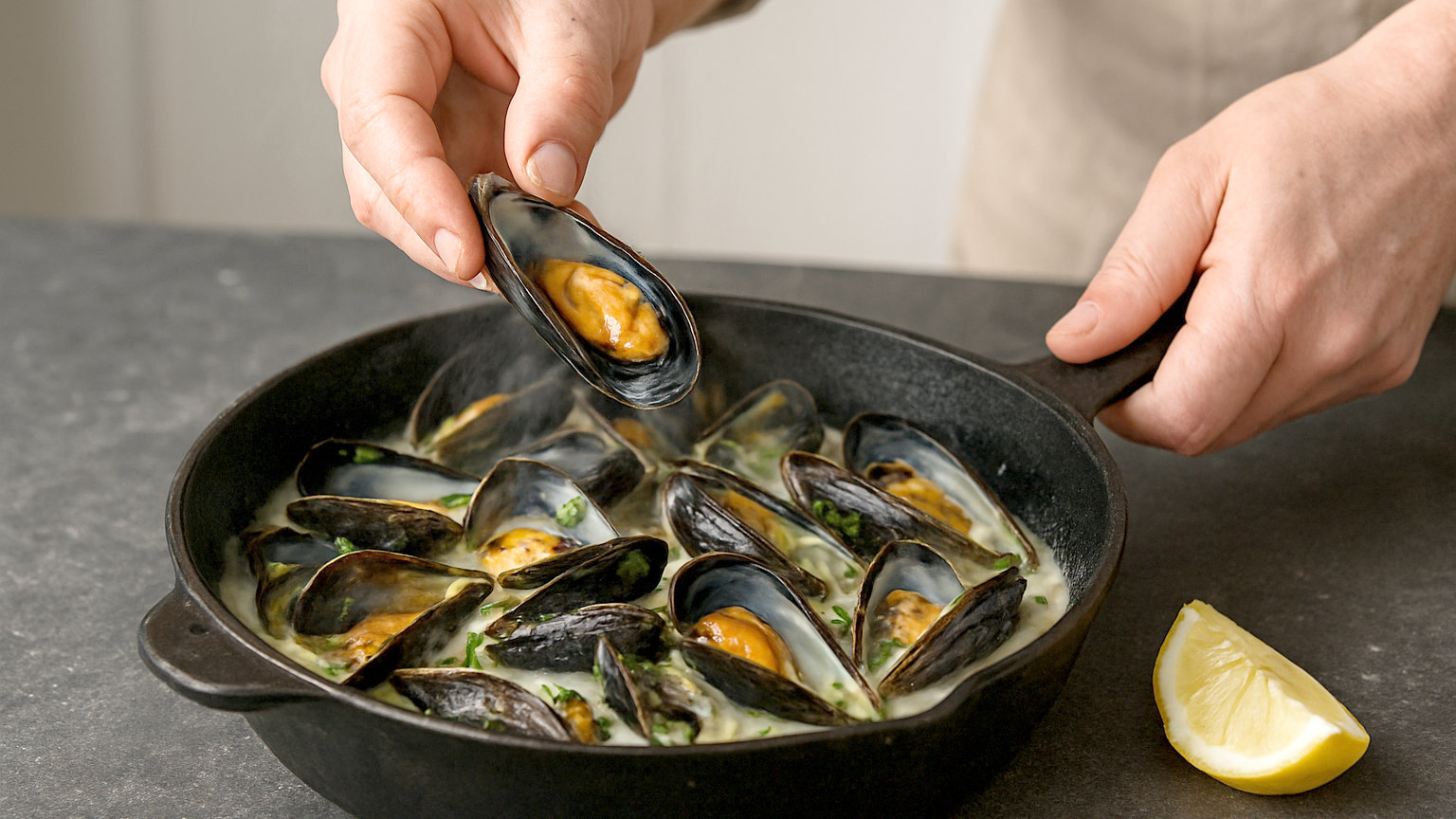
Cheap, quick and mostly about the cleaning. They cook in four minutes and any that stay shut afterwards go in the bin.
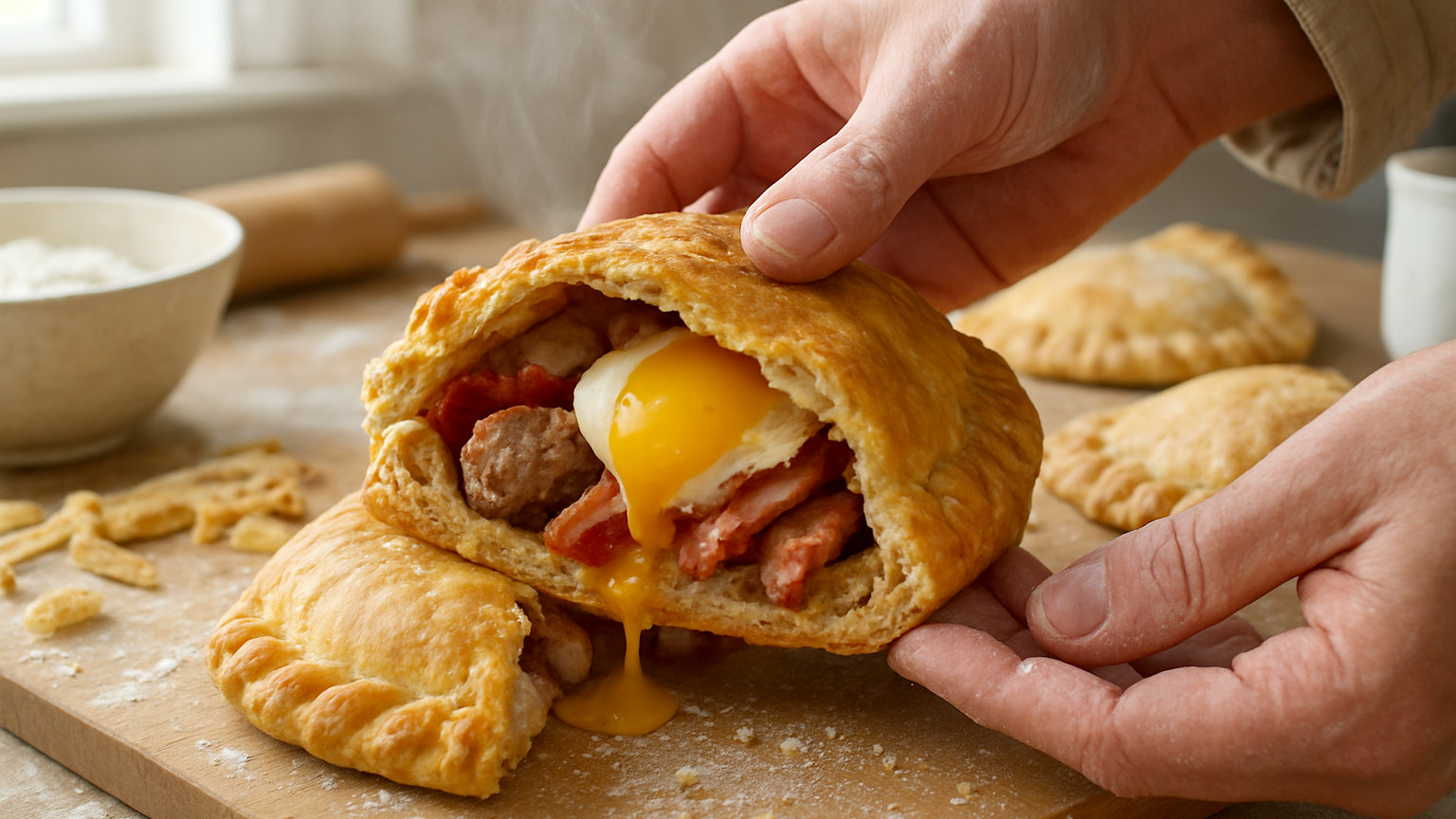
A full breakfast in pastry. The trick is cooking everything first except the egg, which goes in raw and sets inside as it bakes.
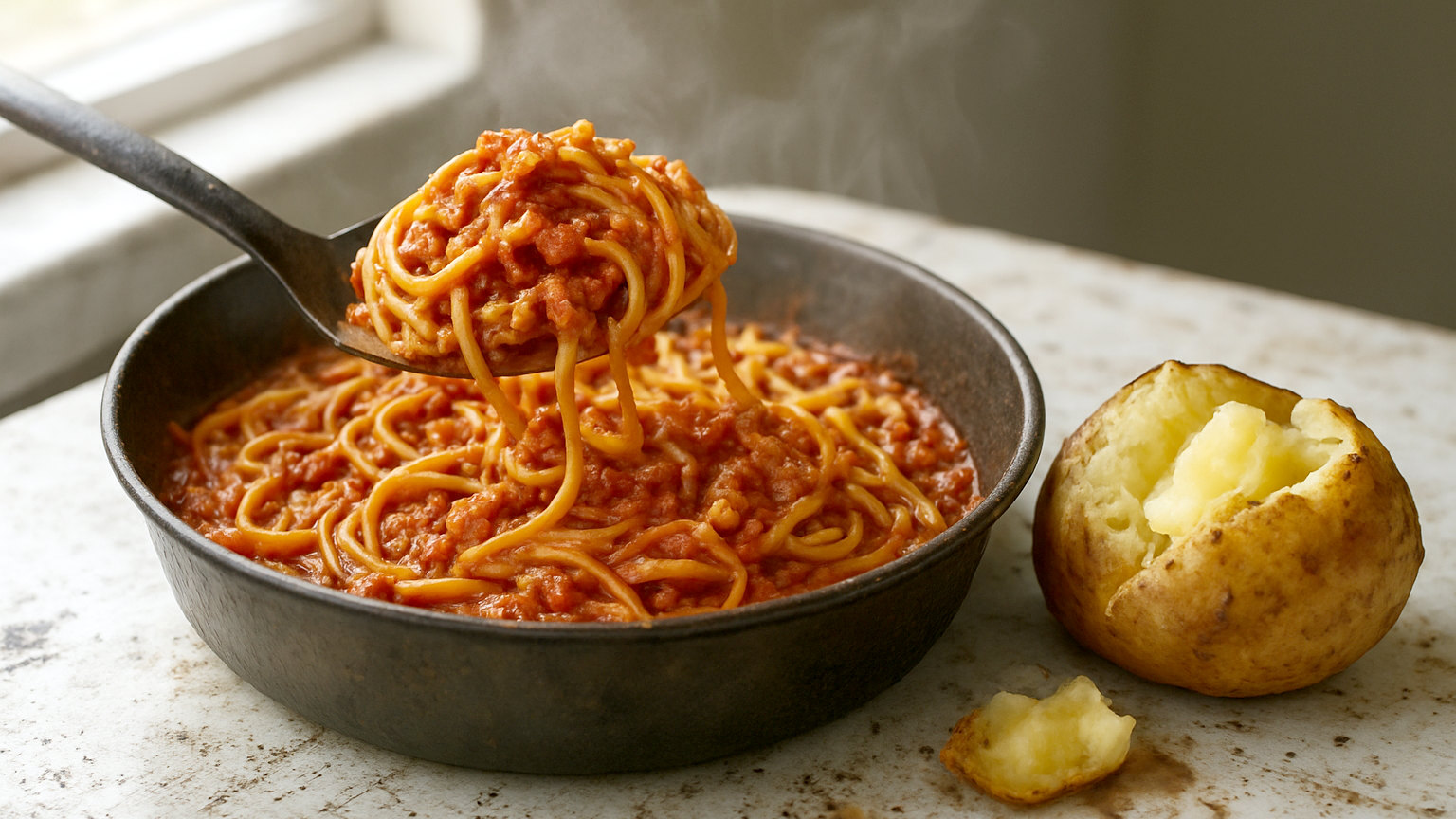
Most good pasta dishes are fat, something savoury, something sharp and pasta water. Once you know the shape you stop needing recipes.
The kidney is what makes it, and soaking it in milk first removes the harshness that puts people off. The filling wants three hours and a day in the fridge.
The oven gives the best result, the slow cooker gives the most convenience, and the hob needs the most attention. None of them can brown the meat for you.
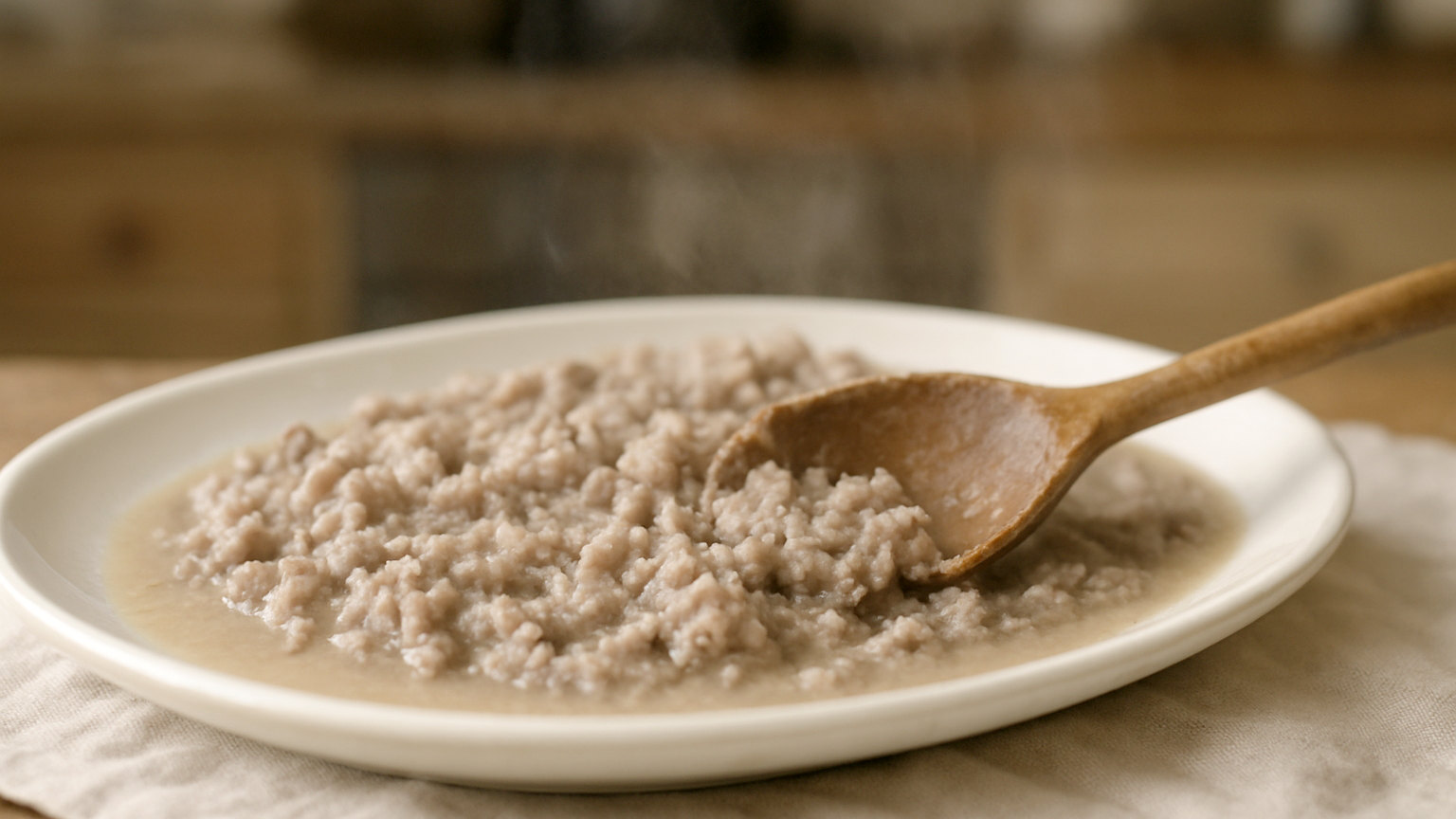
Grey mince is boiled mince. The pan was too cool, too crowded or stirred too much, and usually all three at once.