Buttercream and Icing Basics
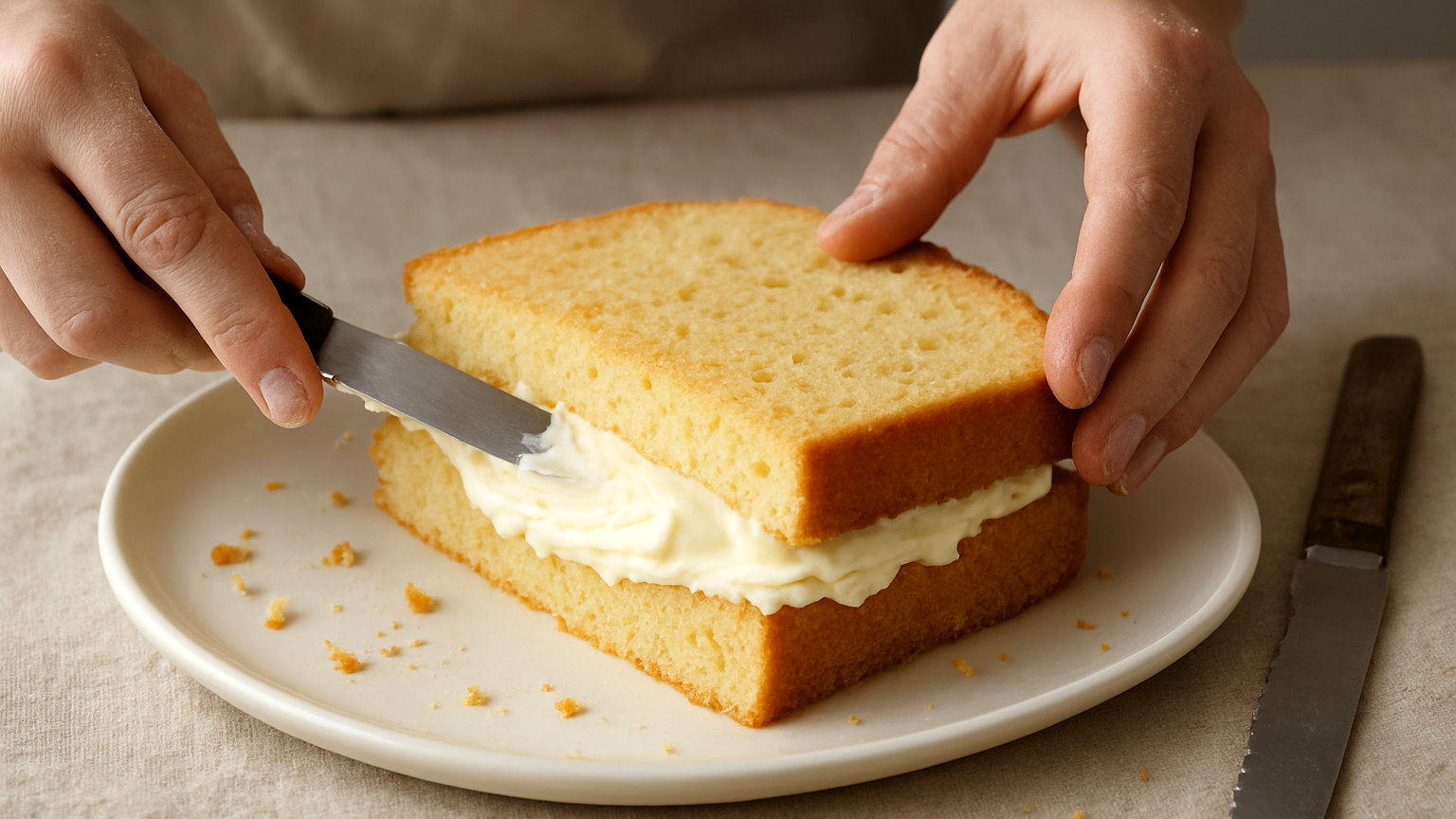
Beat the butter alone before the sugar goes near it. That single step is the difference between light buttercream and a dense sweet paste.
By UK Recipes
14 Aug 2026

Victoria sponge, fruit cake, lemon drizzle and parkin - creaming, tin sizes, and how to tell when it is done.
Beat the butter alone before the sugar goes near it. That single step is the difference between light buttercream and a dense sweet paste.
Four batons of sponge, two pink and two plain, glued with jam and wrapped in marzipan. A foil divider makes it possible. Contains nuts.
A light fruit cake under plain glace icing, with no marzipan and no royal icing. Far less work than a Christmas cake.
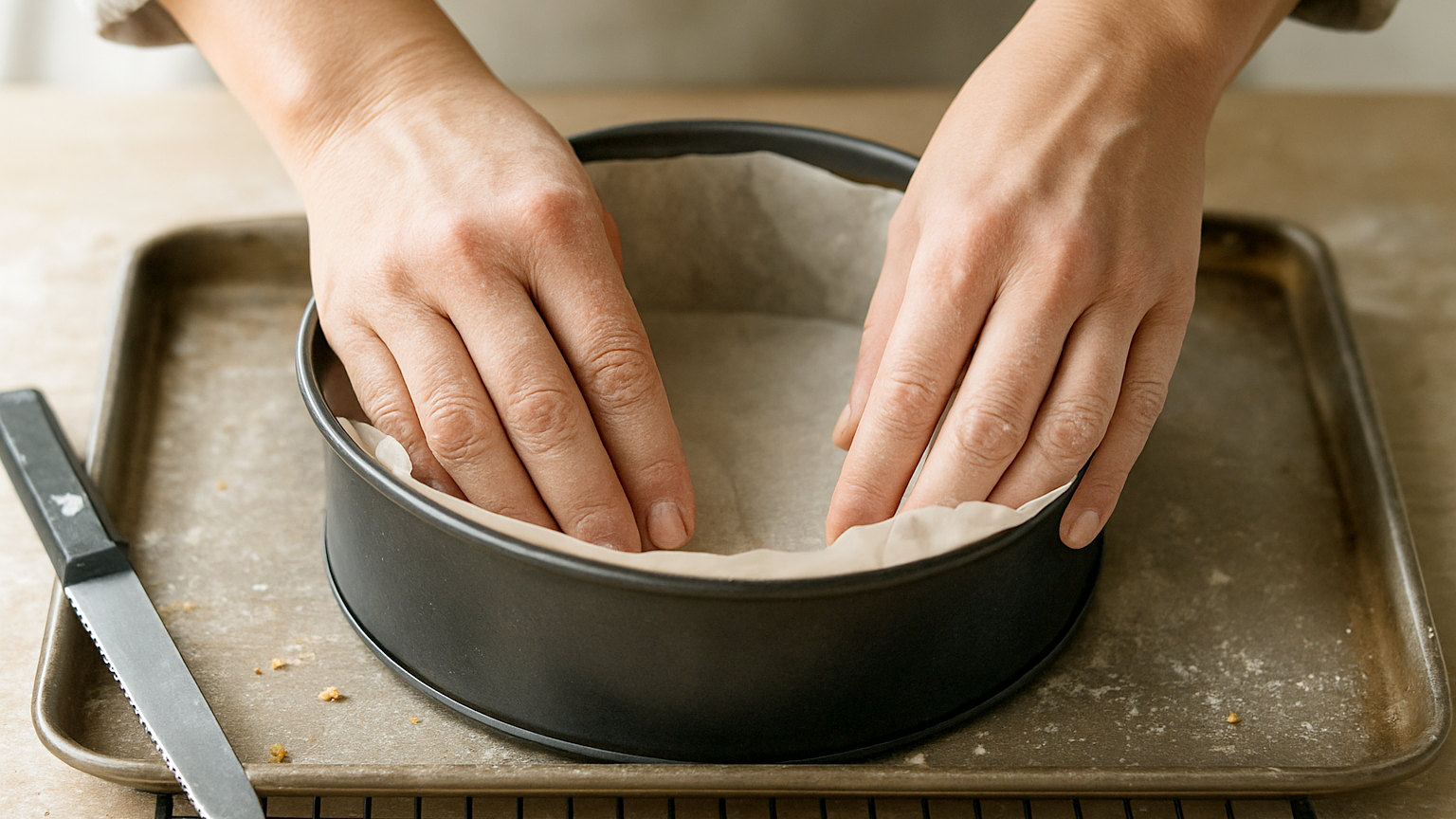
Base only for a sponge, base and sides for anything deep, and a double layer with a paper collar for a fruit cake.
The plainest version and the one where the dome has to be right, because there is no colour to distract from the shape. Contains nuts.
Glace cherries sink through any cake unless you rinse the syrup off and toss them in flour. Both steps, not one.
Four methods, each producing a different texture. Knowing which one a recipe is using explains most of what it tells you to do.
A light everyday fruit slice rather than a Christmas cake. Soak the fruit in tea and bake it low and slow.
Freeze dried strawberry powder colours and flavours the fondant at once, which food colouring cannot. Contains nuts.
A light everyday fruit loaf, not a Christmas cake. Soak the fruit in tea and bake it very slowly.
The structure had not set when the gas ran out. Opening the door, too much raising agent and underbaking are the three usual reasons.
Ground almonds in place of some of the flour give a denser, moister crumb that keeps for a week. Contains nuts.