
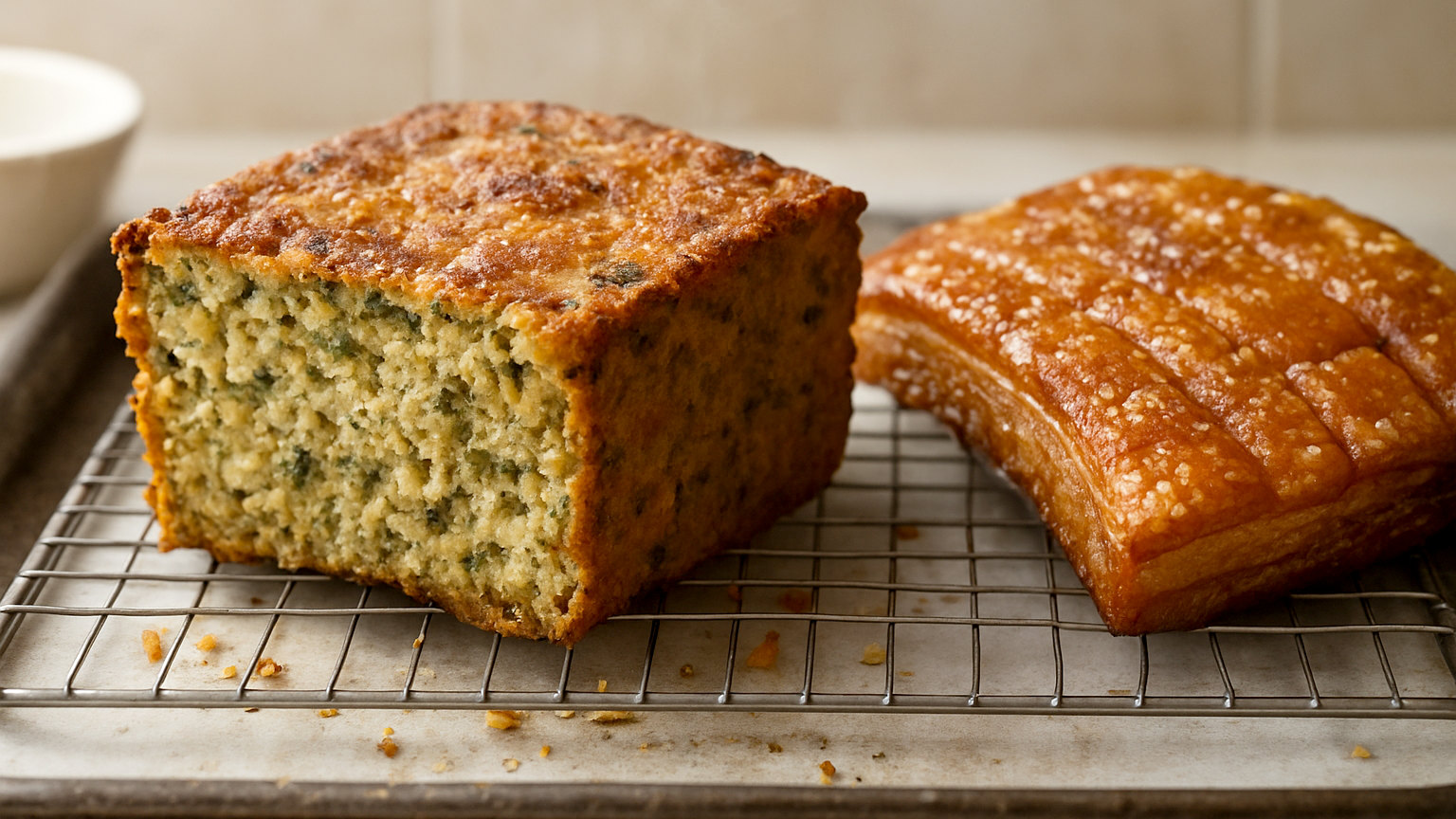
Sage and onion stuffing is one of those things almost everyone buys in a packet, which is understandable and also a shame, because the homemade version takes twenty minutes and tastes like a different dish. The ratio is easy to remember, it can be made two days ahead, and it freezes, so there is no real argument for the packet beyond habit.
What do you need?
- 2 large onions, finely chopped
- 75g butter
- 200g fresh white breadcrumbs, from slightly stale bread
- A large handful of fresh sage leaves, finely chopped, about 20 leaves
- 1 egg, beaten
- Zest of half a lemon, optional
- Salt and plenty of black pepper
How do you make it?
- Melt the butter in a wide pan and cook the onions gently for 15 minutes until completely soft but not browned.
- Add the sage and cook for one minute more.
- Take the pan off the heat and stir in the breadcrumbs and lemon zest.
- Season generously and leave to cool completely.
- Bind with the beaten egg once cold.
- Either press into a buttered dish or roll into balls about the size of a golf ball.
- Bake at 190C fan for 25 to 30 minutes until golden and crisp on top.
Cool the onion mixture before the egg goes in. Hot onions will start to scramble the egg, and warm stuffing packed into a raw joint sits at an unsafe temperature for far too long.
What is the ratio to remember?
Roughly two parts breadcrumbs to one part onion by weight, with butter at about a third the weight of the crumbs. Once you know that, the quantities scale without a recipe.
One egg binds up to 300g of breadcrumbs. More than that and the stuffing turns dense and slightly rubbery.
Should it go inside the joint?
Only into a boned and rolled joint, never into a cavity that cannot be checked. If you do stuff a joint, weigh it afterwards and use the total weight for the timing.
The centre of the stuffing must reach 75C, so probe the stuffing itself rather than the meat around it, in line with Food Standards Agency guidance.
Why cook it separately instead?
Because you get crisp edges, which is the best part, and because it removes the food safety complication entirely. Stuffing balls have more surface area than a dish and therefore more crunch.
They can also go into the oven during the resting period, which is exactly when there is space.
How do you keep it moist?
A few tablespoons of stock or the juices from the roasting tin spooned over before baking. Cooking the onions until genuinely soft matters too, since underdone onion releases no moisture.
Sausagemeat is the traditional way to enrich it. Use 250g mixed through, and add ten minutes to the cooking time.
What can you use instead of fresh sage?
Dried sage at a third of the quantity, added with the onions so it has time to soften. Thyme and parsley together make a good substitute with a different character.
Chopped apple, dried apricots, chestnuts or cooked bacon are all worth adding, and a handful of chopped walnuts gives texture.
Which bread makes the best crumbs?
Slightly stale white bread with the crusts left on, blitzed in a food processor. Fresh bread turns to paste and packet breadcrumbs are too fine and dry.
Sourdough makes the best crumbs of all. A day old loaf gives a coarser texture that crisps well on top.
Does it work with other roasts?
Sage and onion is the traditional partner for pork and for goose, and it works just as well with a roast chicken. For turkey at Christmas, most households add sausagemeat and chestnuts to the same base.
With lamb, swap the sage for rosemary and mint, and with beef most people skip stuffing altogether in favour of Yorkshire puddings.
Can it be made ahead?
Make the mixture up to two days ahead and keep it covered in the fridge, or freeze it uncooked for three months and bake from frozen with an extra ten minutes.
Cooked stuffing reheats once only, until piping hot throughout. Cool leftovers quickly and refrigerate within two hours.
See also Pork Gravy Made With Cider and the Tin Juices, or browse more Roasts recipes.


