
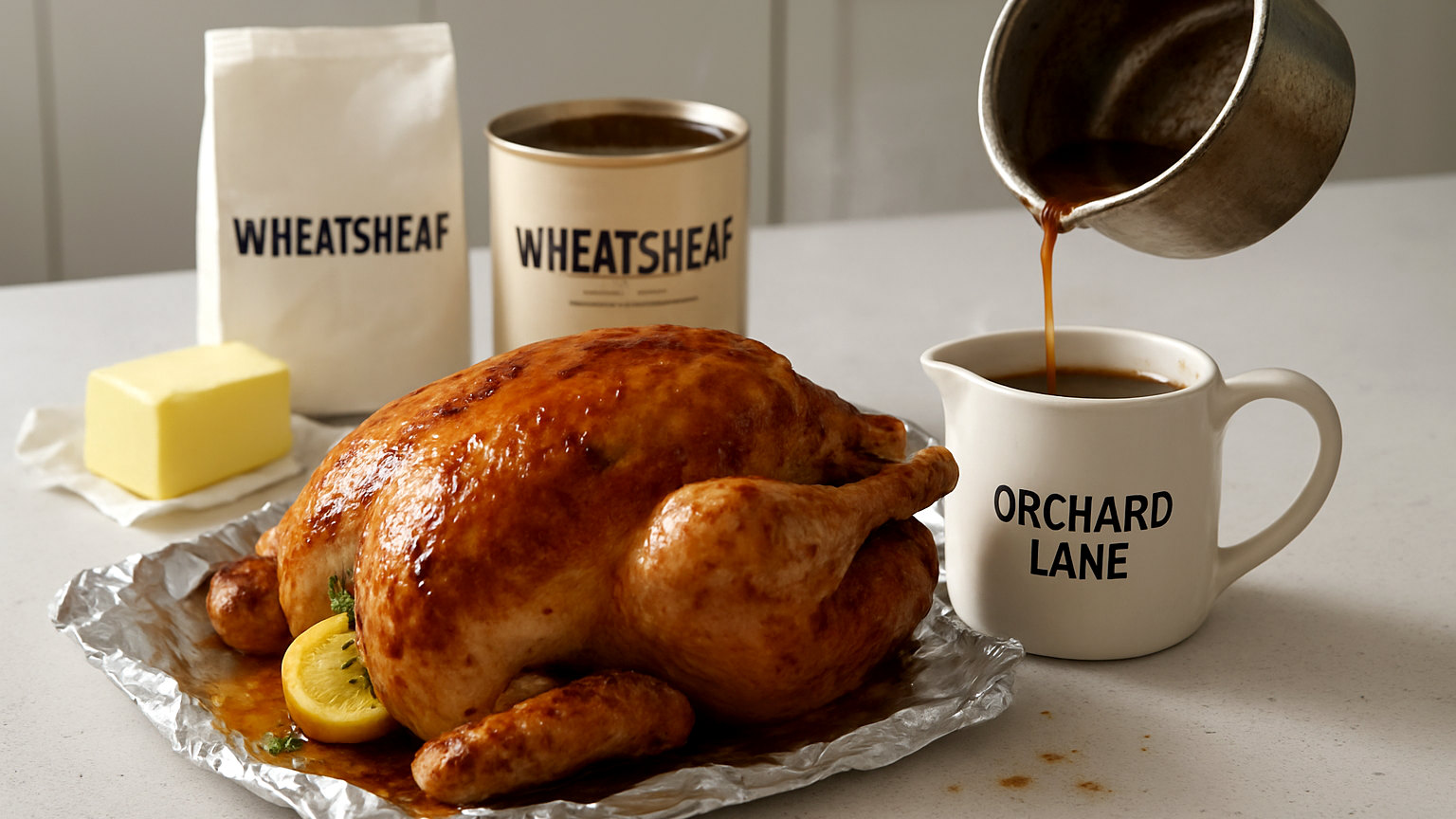
Chicken is the cheapest meat in the shop and the one where the price range is widest, from a few pounds to three times that for a bird of the same weight. The differences are real and they show up in the oven as well as on the plate, mainly in how much water the bird releases and how well the skin crisps. Knowing what the labels mean makes the choice easier.
What size should you buy?
A 1.5kg chicken feeds three to four, a 1.8kg bird feeds four with leftovers, and a 2.2kg bird feeds six. Allow roughly 400g of whole bird per person.
Buy slightly larger than you need. The extra costs little and the leftovers are the most useful part of roasting a whole bird.
What does free range actually mean?
Birds must have daytime access to outdoor runs and are given more space and a longer minimum life than standard indoor reared chickens.
In practice they have more developed muscle, firmer texture and a stronger flavour. They also hold less water, which matters more than people expect.
Why does water content matter?
A bird that releases a lot of water into the tin steams itself. Cheaper intensively reared chickens are often sitting in a shallow pool within twenty minutes, and skin cannot crisp while it is damp.
If it happens, pour the liquid off and keep it for the gravy rather than leaving the bird in it.
Is organic worth the money?
Organic birds are free range with additional requirements on feed, stocking density and a longer minimum life, usually around 70 days against about 35 for a standard bird.
The age is what shows in the eating. Older birds have more flavour and firmer meat, and they need slightly gentler cooking to stay tender.
What about slower growing breeds?
Some supermarkets now sell birds reared to a higher welfare standard without being free range, often described as slower growing. They sit between standard and free range on both price and quality.
Traditional breeds and heritage birds from butchers are better again and priced accordingly.
Does British matter?
For traceability, yes. British chicken carries welfare standards that imported frozen chicken may not, and the Red Tractor mark indicates a baseline of assurance.
Look at the country of origin rather than the brand name, which can be misleading on packaging designed to look local.
Should you buy a bird with giblets?
If you can find one. The neck and gizzard roasted alongside the bird make a noticeably better gravy, and the liver is worth frying on toast.
Butchers usually include them. Supermarket birds rarely do, though a bag is sometimes tucked inside the cavity, which should be checked before roasting.
Is a cheaper bird a false economy?
Not always, but the gap narrows once you account for water. A bird that loses 150g into the tin has cost more per kilo of edible meat than the label suggested.
The other consideration is the carcass. A larger, better bird gives more meat for a second meal and more bones for stock, which changes the arithmetic considerably.
Is a frozen chicken any worse?
Not necessarily, and it is often better value. Defrost it fully in the fridge, which takes 24 to 48 hours depending on size, and never on the worktop.
Cook it within 24 hours of defrosting and never refreeze it raw, in line with Food Standards Agency guidance.
Does the breed or size affect cooking?
Older and slower grown birds have firmer meat that benefits from slightly lower heat and a longer rest. A very large bird needs the same treatment for a different reason, since the legs take so much longer than the breast.
Standard supermarket birds are young and tender and suit the straightforward method: 190C fan, breast down for the first half, twenty minutes resting.
How should you store it before cooking?
On the bottom shelf of the fridge in a covered dish, so nothing can drip onto other food. Use it by the date on the pack.
If you are drying the skin overnight for better crackling, leave it uncovered on a rack but still on the lowest shelf with nothing beneath it.
Next, try Should You Truss a Chicken Before Roasting?, or see the rest of our Roasts recipes.


