
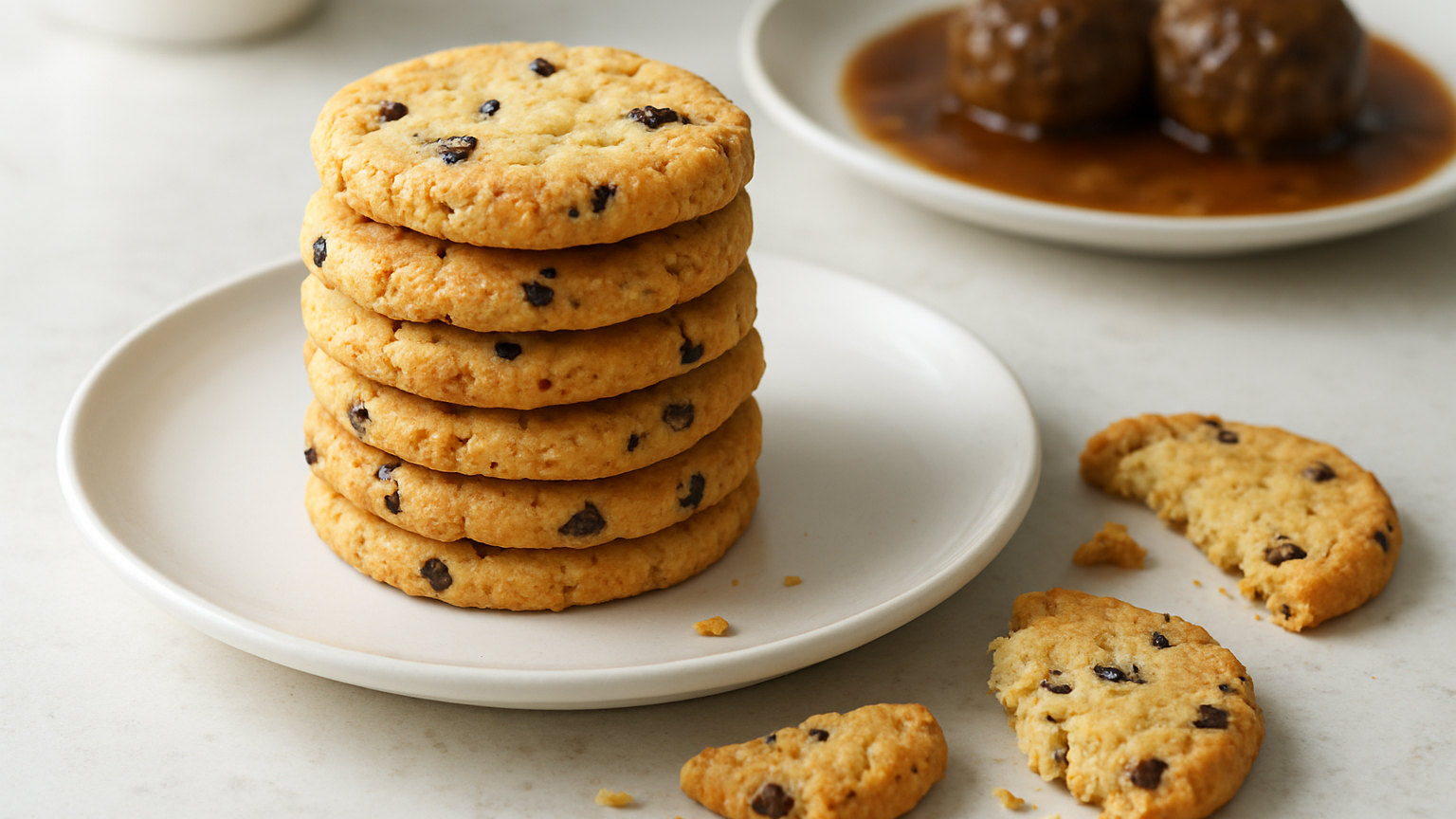
Shrewsbury biscuits are crisp, buttery and lightly flavoured with lemon zest, usually studded with currants and sometimes caraway seeds. They have been made in Shropshire since at least the seventeenth century and are mentioned in a play of 1700. They are a simple creamed biscuit and the only real risk is overbaking them.
What do you need for about 20 biscuits?
- 125g butter, softened
- 125g caster sugar
- 1 egg, beaten
- 250g plain flour
- Zest of 1 lemon
- 75g currants
- 1 teaspoon caraway seeds, optional
- A pinch of salt
How do you make them?
- Heat the oven to 170C fan, 190C conventional, gas mark 5.
- Cream the butter and sugar until pale and fluffy.
- Beat in the egg thoroughly.
- Fold in the flour, salt, lemon zest, currants and caraway if using.
- Bring together into a firm dough and chill for 30 minutes.
- Roll out to about 5mm on a floured surface.
- Cut into 7cm rounds, traditionally with a fluted cutter.
- Bake for 12 to 15 minutes until pale gold at the edges only.
Take them out while the centres still look slightly underdone. They firm considerably as they cool on the tray, and a biscuit baked until the middle is golden will be hard rather than crisp.
Are they connected to Shrewsbury cakes?
The same thing under an older name. Historic recipes call them Shrewsbury cakes, which then meant a flat biscuit rather than a sponge.
Why chill the dough?
It firms the butter so the biscuits hold their shape and do not spread into ovals.
Thirty minutes is enough.
Should they contain caraway?
Historic recipes often do and modern ones frequently leave it out. Caraway was far more common in English baking than it is now.
A teaspoon gives a distinctly old fashioned flavour.
How thick should they be?
About 5mm. Thinner ones burn at the edges and thicker ones stay soft in the centre.
What size should they be?
About 7cm across, which is a generous biscuit. Smaller ones need a couple of minutes less.
Keep them uniform so they bake evenly.
Why lemon zest?
It lifts what would otherwise be a plain sweet biscuit, and it is what distinguishes a Shrewsbury from a shortbread.
Should they be rolled or shaped?
Rolled and cut, which gives the even thickness and neat rounds they are known for. Shaped balls spread unevenly.
Are they the same as shortbread?
No. Shortbread contains no egg and has a much higher proportion of butter to flour, giving a crumblier, richer result.
Shrewsbury biscuits are crisper and lighter.
Should they contain currants?
Traditionally yes, though plain versions are common. About 75g for this quantity is right.
Chop them roughly if they are large.
How old are they?
They appear in recipe books from the seventeenth century and were referenced in print by 1700, making them among the oldest named English biscuits.
Do they need an egg?
One egg binds the dough and lightens it. Without it the biscuit is closer to a shortbread.
It is what makes a Shrewsbury biscuit crisp rather than crumbly.
Should the edges be fluted?
Traditionally yes, which is how they are usually recognised. A plain cutter works perfectly well.
Why cream the butter and sugar?
It incorporates air and gives a lighter biscuit than a rubbed in method would. Two or three minutes is enough.
Can other fruit be used?
Currants are traditional. Sultanas or chopped peel both work.
Should they be crisp or soft?
Crisp, with a clean snap. A soft Shrewsbury biscuit has either been underbaked or stored before it was completely cold.
They crisp on the tray rather than in the oven.
How do you stop them spreading?
Chill the dough, and chill the cut discs for ten minutes on the tray before baking if the kitchen is warm.
Firm butter is what holds the shape.
How many does the mixture make?
About twenty 7cm biscuits, and the trimmings can be re rolled once.
How long do they keep?
Two weeks in an airtight tin, and they freeze as raw cut discs for three months.
If that was useful, Haslet covers related ground, and there is plenty more in Regional recipes.


