
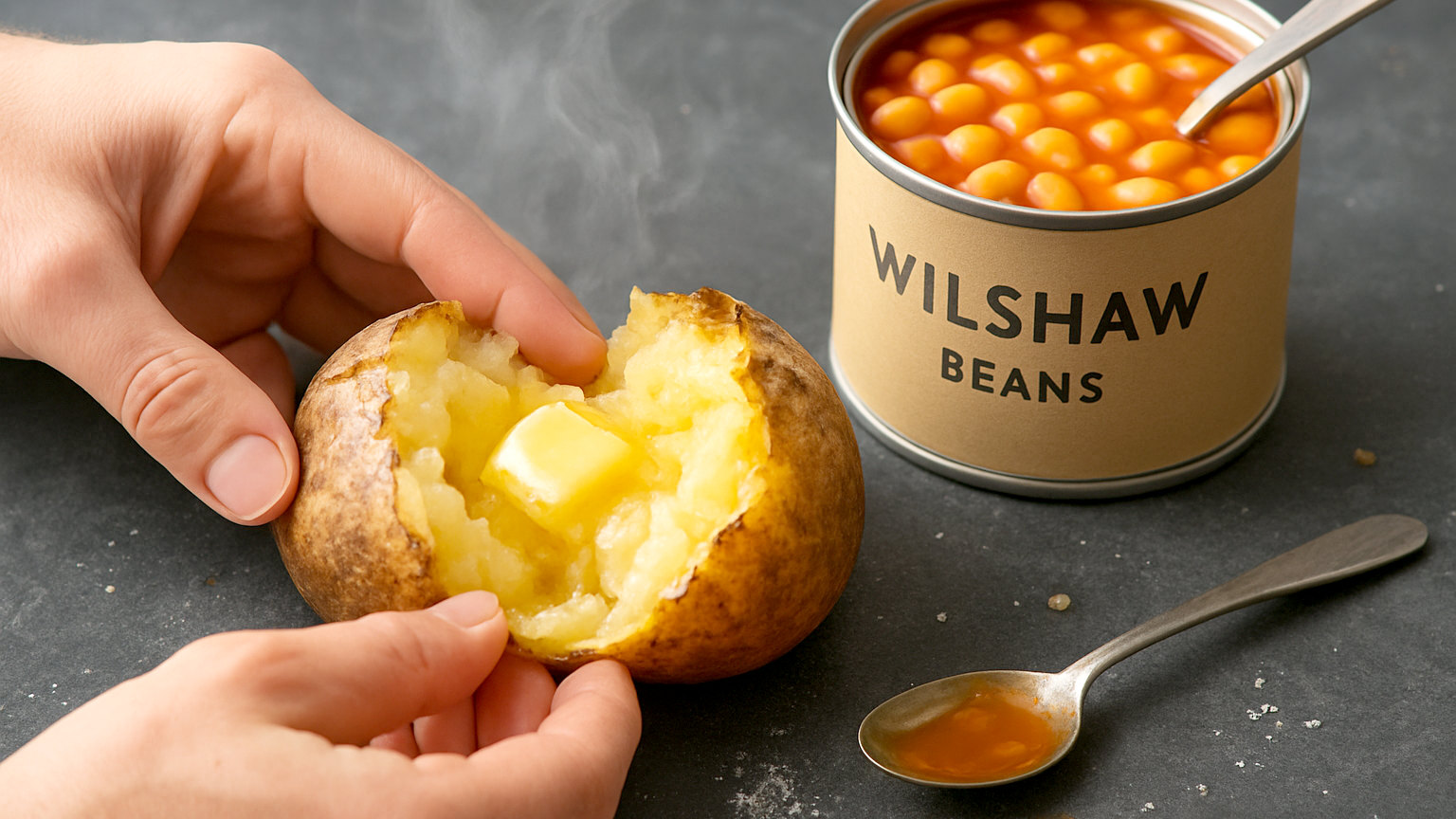
A well stocked cupboard is the difference between cooking something and ordering something. It does not need to be large, and around fifteen items cover the great majority of weeknight meals. The principle is to buy things that combine in many ways rather than ingredients bought for one specific recipe and then forgotten.
What are the essential dried goods?
- Pasta, two shapes, one long and one short
- Rice, basmati or long grain
- Green or Puy lentils
- Plain flour
- Porridge oats
All of these keep for a year or more and none of them is expensive.
Which tins are worth keeping?
Chopped or plum tomatoes, chickpeas, cannellini or butter beans, tuna and sweetcorn.
Two tins and an onion is a meal. Tomatoes and beans with garlic and herbs make a stew, a soup or a pasta sauce depending on what else goes in.
What should always be in the vegetable rack?
Onions, garlic and potatoes. All three keep for weeks in a cool dark place and all three start a very large number of dishes.
Do not keep potatoes in the fridge, which turns their starch to sugar.
Which condiments earn their place?
Olive oil, a neutral oil for frying, red or white wine vinegar, soy sauce, Worcestershire sauce, English mustard and Marmite.
The last four are all savoury boosters, and any of them will rescue a dish that tastes flat.
What about the fridge?
Eggs, butter and a hard cheese such as cheddar or parmesan. Those three plus anything from the cupboard make a supper.
Eggs keep three weeks and should be stored in the fridge once you have brought them home from a chilled shelf.
What is worth freezing?
Peas, spinach, bread, and portions of anything you have batch cooked. Frozen peas in particular turn a plain dish into a complete one.
Ginger, chillies and bread all freeze well and are used straight from frozen.
How long do these things keep?
Dried pasta and rice keep a year or more, tins two to five years, and oils about six months once opened. Onions and potatoes keep several weeks in a cool dark place.
Best before dates on dried and tinned goods are about quality rather than safety, so most are fine well beyond them.
Which spices are actually used?
Cumin, smoked paprika, dried chilli flakes, bay leaves and black peppercorns. A curry powder if you use one.
Ground spices lose their potency after about six months, so buy small jars rather than large ones.
What if you have a small budget?
Build it over several weeks rather than in one shop, adding two or three items each time. Own brand tins and dried goods are usually identical in use.
The dried goods and tins are the cheapest part of the list and the most useful, so start there.
What can you skip?
Single use ingredients bought for one recipe. Most of the things that go stale at the back of a cupboard were bought for a dish made once.
If a recipe needs something unusual, buy the smallest quantity available.
How much does this cost?
The whole list can be assembled for well under thirty pounds and most of it lasts months. Replacing items as they run out spreads the cost.
What about a small kitchen?
The list still works, since almost all of it is compact. Two shapes of pasta rather than five and one type of rice keeps it manageable.
Tins stack, and dried goods decanted into jars take up less room than the packets.
Does it save money?
Considerably. The alternative is buying ingredients for individual recipes, which costs more and leaves half used packets behind.
It also removes most of the reasons for ordering a takeaway on a night when nothing is planned.
How should it be organised?
So you can see it. Cupboard contents that are hidden behind other things do not get used, and rotating older items to the front prevents waste.
Check dates occasionally, though most dried and tinned goods are safe well past the best before date, which is about quality rather than safety.
For something along the same lines, see Mushroom Risotto, or browse all our Mains recipes.


