
Most households have more food in than they think, and the problem is usually that nothing looks like a meal. A tin of tomatoes, an onion, some pasta and an egg are four separate items until you see that they are two or three different dinners. These are the combinations worth knowing when the shopping has not happened.
What can you make with eggs alone?
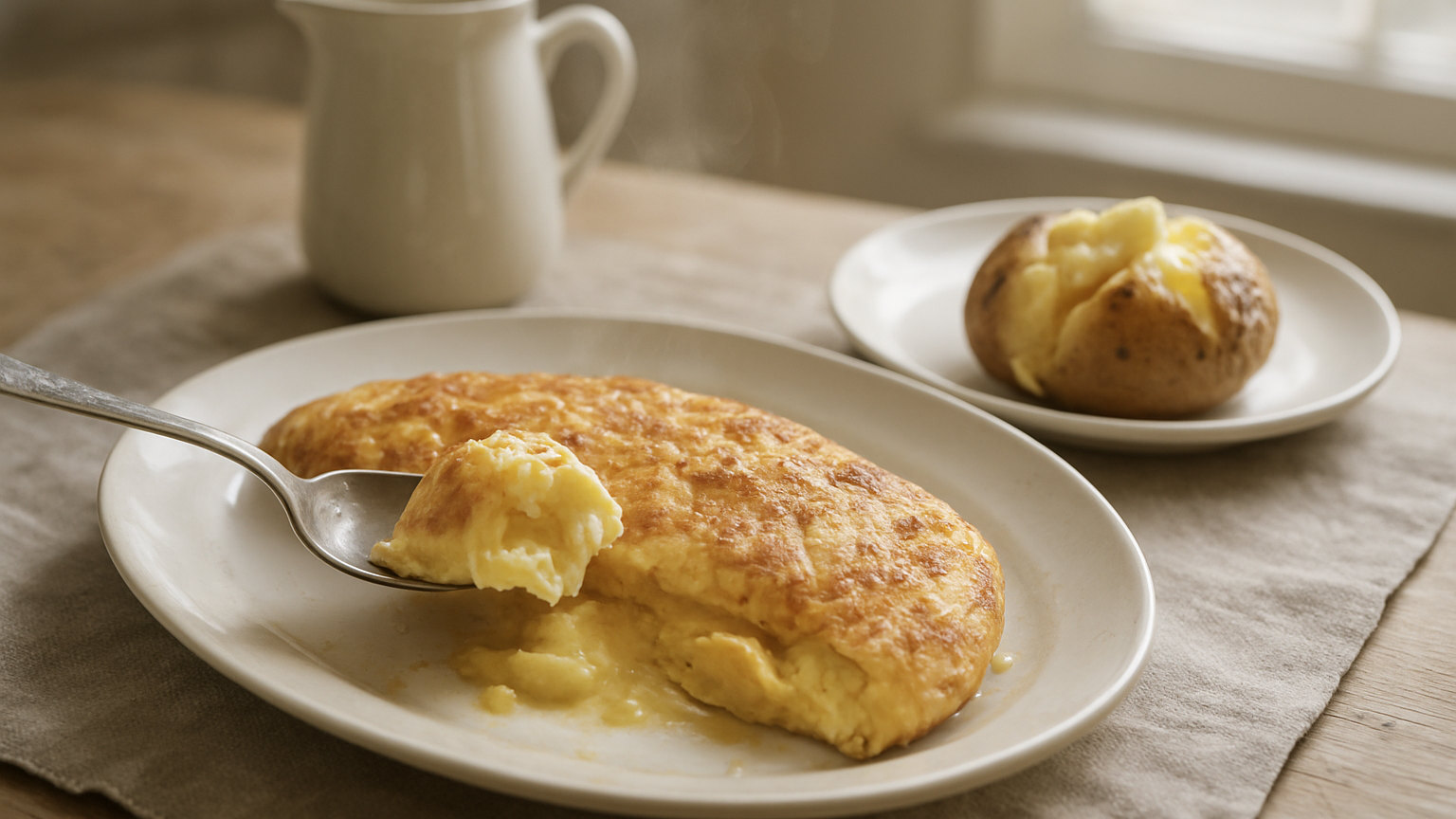
An omelette, scrambled eggs on toast, egg fried rice with leftover rice, or a Spanish omelette if there are potatoes and an onion.
Eggs are the single most useful thing in an empty kitchen. Half a dozen eggs and one other ingredient will nearly always produce a meal.
What about pasta and a tin?
Pasta with tinned tomatoes, garlic and chilli takes fifteen minutes. Add a tin of tuna, some olives or an anchovy and it becomes something more.
Pasta with butter, black pepper and any hard cheese is a genuine dish rather than a compromise.
What can an onion do?
An onion cooked slowly for twenty five minutes becomes the base of a soup, a gravy, or a topping for anything. It is the most useful vegetable to keep in.
Onion soup made with stock, bread and cheese is a full meal from almost nothing.
What if there are potatoes?
A jacket potato with butter and any cheese. A potato and onion soup. Bubble and squeak if there is anything green. Chips.
Potatoes and eggs together give you a Spanish omelette, which feeds four from six eggs and three potatoes.
What are the most useful tins?
Chopped tomatoes, beans of any kind, tuna, sweetcorn and chickpeas. Any two of those plus an onion is a meal.
Tinned beans warmed with garlic, olive oil and whatever herb you have, piled on toast, is better than it sounds.
What about the freezer?
Peas, spinach, bread and any leftover portions of stew or bolognese. Frozen peas in particular turn a plain dish into a complete one.
Bread from the freezer toasts straight from frozen.
How do you make it taste of something?
Fat, salt and acid. Butter or oil, salt or something salty such as soy sauce or stock, and something sharp such as vinegar, lemon or mustard.
Almost every dull dish is short of one of those three rather than short of ingredients.
What is worth keeping in permanently?
Pasta, rice, tinned tomatoes, tinned beans, onions, garlic, eggs, hard cheese, stock cubes, oil and vinegar.
That list costs very little and covers a fortnight of suppers between shops.
What can you do with a single vegetable?
Almost any vegetable roasted hard with oil and salt becomes a meal with an egg on top or some cheese and bread alongside.
Soup is the other answer, since an onion, a stock cube and any vegetable will make one in half an hour.
What about leftovers that look useless?
Half a tin of beans, a heel of cheese, two cooked potatoes and a limp carrot make a soup or a hash. Almost nothing is genuinely useless.
Cooked meat, cheese rinds and vegetable trimmings all have a use.
What if there is only bread?
Toast with butter and Marmite, cheese on toast, a fried egg sandwich, or bread fried in butter with garlic. Stale bread makes croutons or a bread and butter pudding.
Bread and cheese with a pickle is a ploughmans, which nobody would call a compromise.
Does it help to shop differently?
Buying a few flexible staples rather than ingredients for specific recipes means there is always a meal in the house.
Onions, eggs, pasta, rice and tins keep for weeks and combine in dozens of ways.
When should you not bother?
When it is genuinely not there. Beans on toast is a perfectly respectable dinner and there is no obligation to build something elaborate from nothing.
Cool any leftovers quickly, refrigerate within two hours and use within two days, in line with Food Standards Agency guidance.
For something along the same lines, see How to Cook Rice Properly, or browse all our Mains recipes.


