
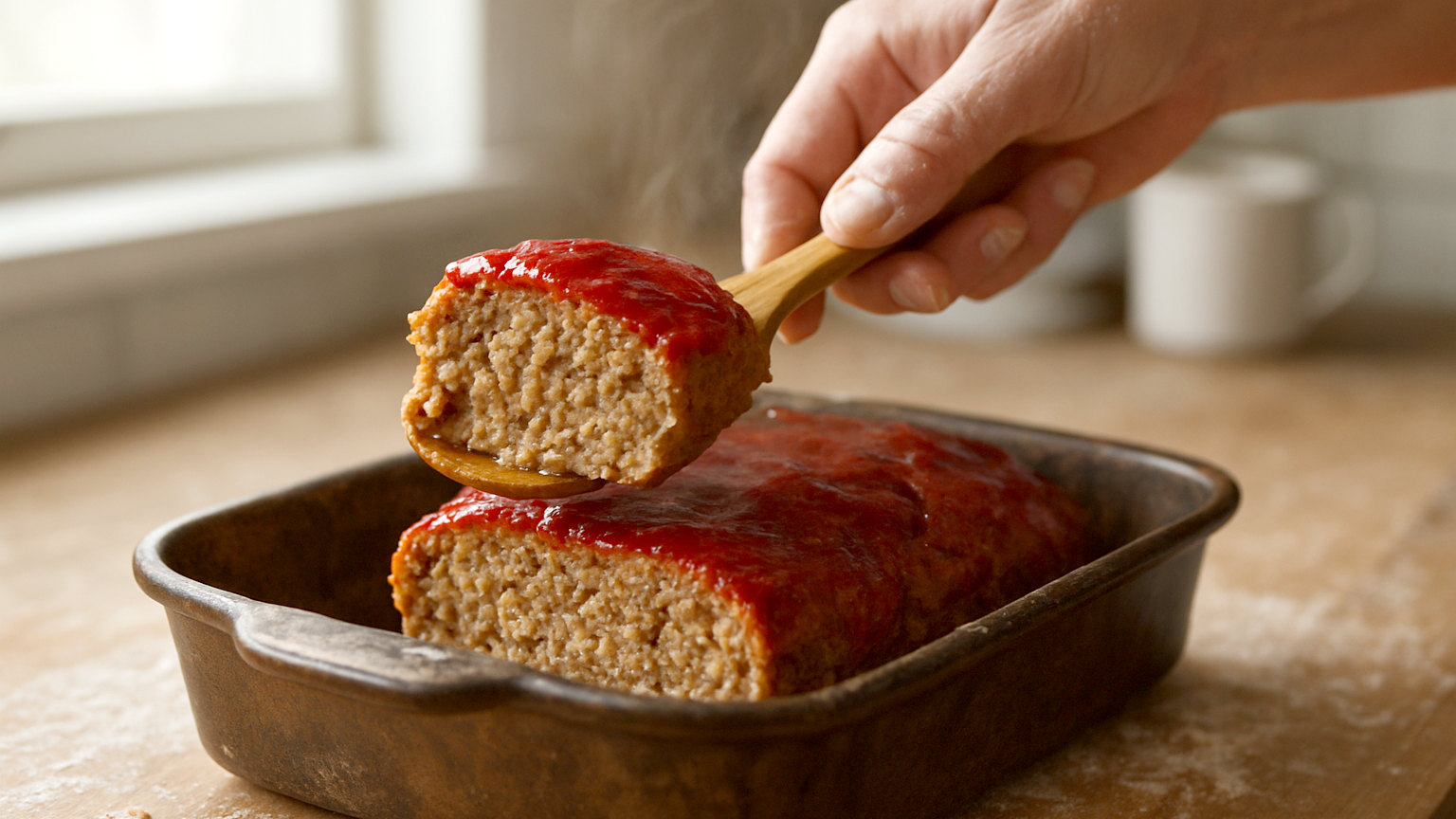
Meatloaf has an unglamorous reputation in Britain and it does not deserve it. Made properly it is a good, cheap dinner that slices neatly, tastes better than the sum of its parts and is arguably even better cold in a sandwich the next day. The technique is the same as for meatballs, which is to say the bread and the resting matter more than anything else.
What do you need for 6 people?
- 500g beef mince and 250g pork mince
- 3 thick slices of white bread, crusts removed
- 120ml whole milk
- 1 onion, finely chopped and softened in butter
- 3 cloves of garlic, crushed
- 2 eggs
- 2 tablespoons Worcestershire sauce and 1 tablespoon Dijon mustard
- A handful of chopped parsley and 1 teaspoon dried thyme
- For the glaze: 4 tablespoons ketchup, 1 tablespoon brown sugar, 1 tablespoon vinegar
How do you make it?
- Heat the oven to 170C fan, 190C conventional, gas mark 5.
- Tear the bread into a bowl, pour over the milk and leave 10 minutes, then mash to a paste.
- Mix with the mince, cooled onion, garlic, eggs, Worcestershire sauce, mustard and herbs.
- Season heavily and combine with your hands until just mixed.
- Shape into a loaf on a lined baking tray rather than pressing into a tin.
- Bake for 40 minutes.
- Mix the glaze ingredients, brush over the loaf and bake for a further 20 minutes.
- Rest for 15 minutes before slicing.
Rest it for a full fifteen minutes. A meatloaf sliced straight from the oven falls apart, because the proteins and the juices need time to settle. This is the single most common reason it crumbles on the plate.
Why shape it on a tray rather than in a tin?
A free formed loaf browns on all sides and the fat drains away. In a loaf tin it effectively steams in its own juices and the sides stay pale.
A tin is easier and gives a neater slice, so it is a fair trade if appearance matters more than crust.
Can you use only beef?
Yes, though the pork is doing useful work by adding fat and softness. If you use all beef, choose twenty per cent fat and consider an extra slice of bread in the panade.
A mixture of beef and sausagemeat is an easy alternative that achieves the same thing.
Why does it turn out dry?
Usually lean mince, no panade, or overcooking. The milk soaked bread is what holds the moisture in.
Use mince at fifteen to twenty per cent fat and check the internal temperature rather than the clock.
How do you know it is cooked?
The centre should reach 75C on a probe, in line with Food Standards Agency guidance for minced meat, with no pink remaining.
For a loaf this size that is usually around 60 minutes in total.
When should the glaze go on?
For the last 20 minutes only. The sugar in it burns over a full hour and turns bitter and black.
Brush on a second coat ten minutes before the end for a thicker, glossier finish.
What else can go in?
Chopped bacon, grated cheese, finely chopped mushrooms or a layer of hard boiled eggs down the middle.
Keep additions dry, since a wet mixture will not hold its shape.
What should you serve with it?
Mashed potato and gravy in the British manner, or roasted vegetables and a green salad. Baked beans alongside is common and entirely reasonable.
Any juices from the tray are worth pouring over rather than throwing away.
How do you get neat slices?
Rest it, use a serrated knife and cut with a sawing motion rather than pressing down. Slices about 2cm thick hold together best.
It slices far more cleanly cold, which is another argument for eating the leftovers in a sandwich.
Can it be made ahead or frozen?
Shape it a day ahead and keep it covered in the fridge. It freezes raw or cooked for three months.
Cold meatloaf makes an excellent sandwich with mustard and pickle, and many people prefer it that way.
Next, try Beef Meatballs in Tomato Sauce, or see the rest of our Mains recipes.


