
Leftover cooked fish is more awkward than leftover meat, because it was already cooked to the edge of dryness the first time and a second round of heat pushes it past. The useful approaches nearly all avoid reheating it as fish. Either it goes in cold, or it is folded into something hot at the very last moment.
How long does it keep?
Two days in the fridge in a covered container. Cool it quickly and refrigerate within two hours of cooking.
This is a shorter window than for meat, and it is worth observing, in line with Food Standards Agency guidance.
What is the best use?
Fish cakes, without much competition. Cooked fish is exactly what the recipe wants, and it saves the poaching step entirely.
Keep the flakes large when you fold them in. Leftover fish is already fragile and it will break down further as you mix, so handle it as little as possible.
Does it work in pasta?
Yes, added off the heat at the end. Toss hot pasta with lemon, olive oil, capers and parsley, then fold the fish through and serve immediately.
Anything that involves simmering the fish in a sauce will reduce it to threads.
Can you make a pate?
One of the better uses, and it takes five minutes. Blitz the fish with cream cheese or butter, lemon juice, black pepper and horseradish or dill.
Smoked mackerel is the classic but any leftover fish works, and it keeps two days.
What about kedgeree?
Ideal, since the fish is folded in at the end rather than cooked. Leftover salmon or white fish works as well as smoked haddock.
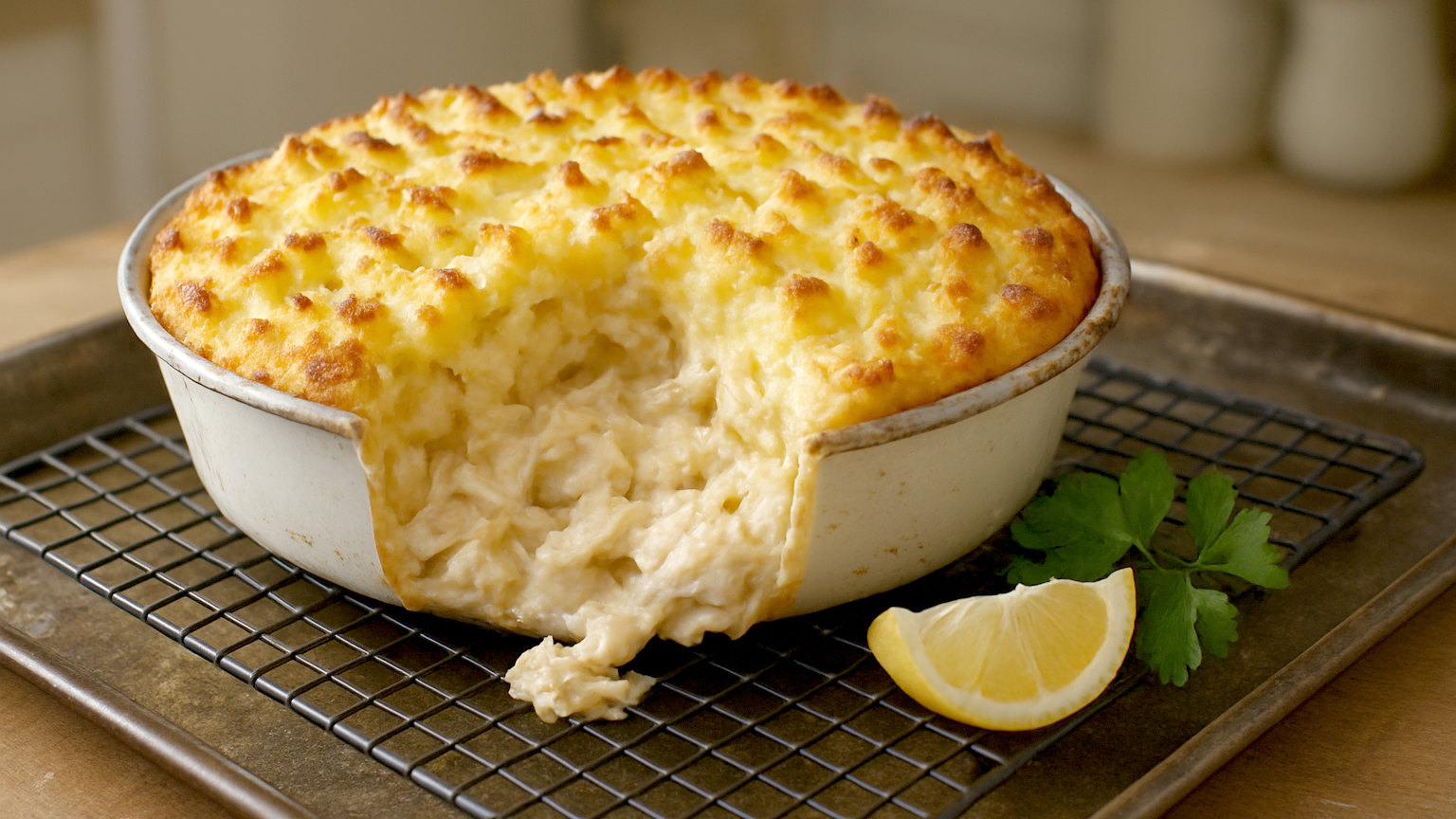
Fish pie is the other obvious candidate, though the fish will be a little firmer than usual.
Can it go in a frittata or omelette?
Flaked fish scattered over beaten eggs with a little cheese and dill makes a quick supper, and the eggs protect it from the direct heat.
Cook it gently and finish under the grill rather than turning it out.
Is it good cold?
Often better than reheated. Cold poached salmon with mayonnaise, or flaked white fish in a salad with new potatoes and green beans.
Season it well, since cold food needs more salt and acid than hot food does.
Does it make a sandwich?
A leftover battered fish sandwich in a soft roll with tartare sauce is genuinely good, though the batter will have softened.
Crisp it for five minutes at 200C fan first if you want the coating back.
How should it be reheated if you must?
Gently and briefly. Covered in a low oven at 150C fan for about eight minutes, or in a sauce off the heat.
It must be piping hot throughout and reheated once only.
Can it be frozen?
Cooked fish that was previously frozen should not be refrozen. Fish cooked from fresh can be frozen for a month, though the texture suffers.
Freezing it as part of a fish cake or a pie gives a much better result than freezing the fish alone.
Does it work in a soup or chowder?
Very well, added in the last minute off the heat. A smoked haddock chowder made with leftover fish takes twenty minutes.
Build the soup completely first and treat the fish as a garnish rather than an ingredient to be cooked.
Can it go in a curry?
Yes, folded into a finished sauce and warmed through for two minutes. Never simmer it, which breaks the flakes down entirely.
Is it worth cooking extra deliberately?
Less so than with meat, given the two day window and the difficulty of reheating. Fish cakes are the exception and are worth planning for.
What about the bones and trimmings?
White fish bones and heads make excellent stock in twenty minutes, far quicker than meat stock. Avoid oily fish, which turns it bitter.
The stock freezes for three months and makes a considerably better fish pie or chowder than water would.
Worth reading next: Cooking Fish in a Foil Parcel. There is more in our Mains recipes.


