
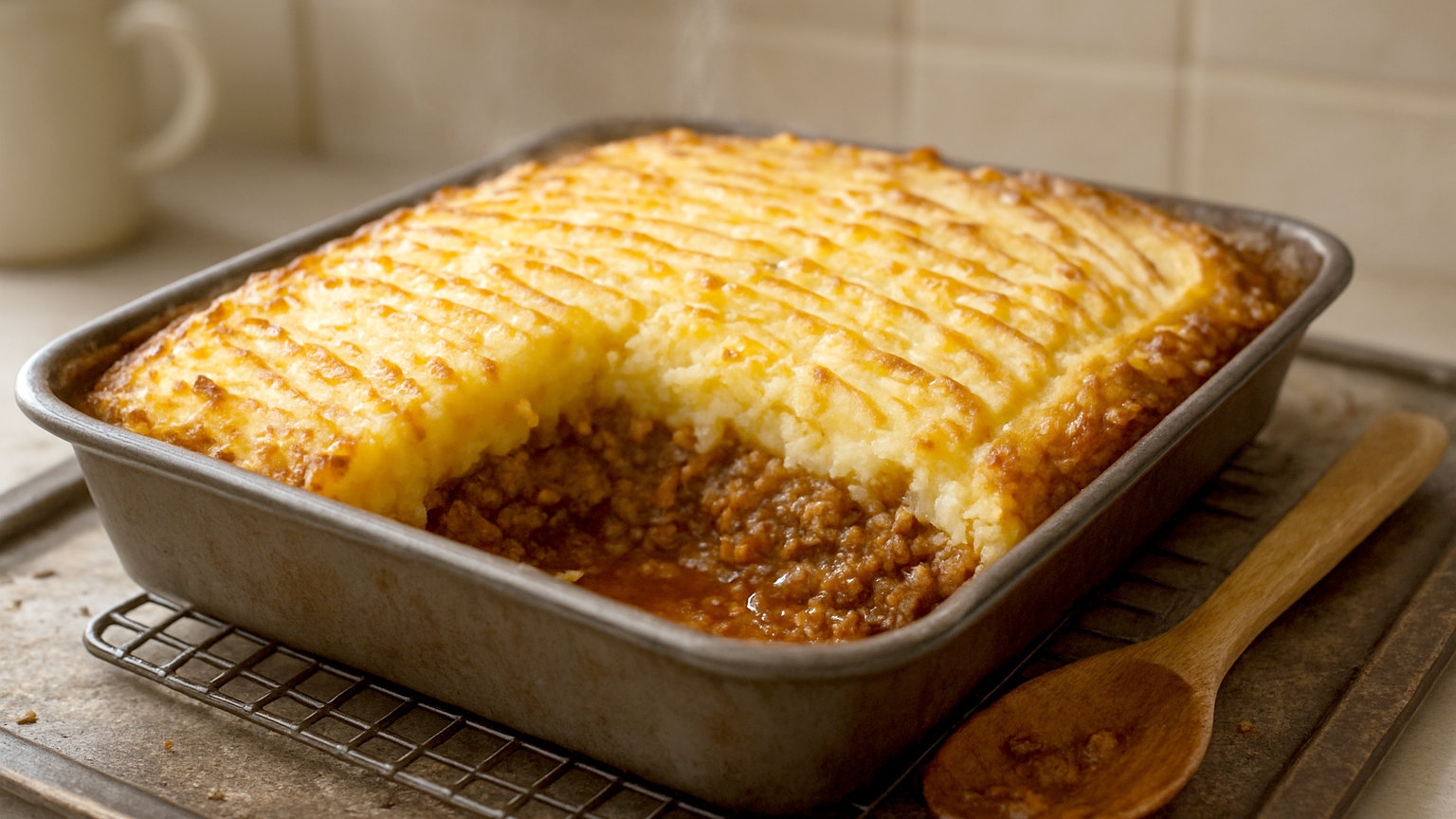
The four minces on a British supermarket shelf are not interchangeable, though recipes often treat them as though they are. They differ in fat content, in how much water they release and in how strongly they taste, and swapping one for another without adjusting anything is why substituted dishes so often disappoint.
What is beef mince best for?
Almost everything British: cottage pie, bolognese, chilli, burgers and meatballs. It has a neutral savoury flavour that takes seasoning well.
Buy fifteen to twenty per cent fat for simmered dishes and twenty per cent for burgers.
When should you choose lamb?
Shepherds pie, koftas, moussaka and anything with Middle Eastern or Greek seasoning. Its flavour is strong enough to stand up to cumin, cinnamon and mint.
Lamb releases far more fat than beef. Expect to drain a good deal off after browning, and factor that into the richness of the finished dish.
What is pork mince for?
Meatballs, sausage rolls, terrines and Asian dishes. It is mild, slightly sweet and usually around fifteen per cent fat.
Mixed with beef it improves bolognese and meatballs considerably, adding fat and softness that beef alone lacks.
Is turkey mince worth buying?
It is very lean, often two to seven per cent, which makes it healthy and difficult. Cooked like beef it comes out dry and bland.
It works if you add fat and savouriness: olive oil in the pan, plenty of seasoning, and mushrooms or Worcestershire sauce for depth.
What about chicken mince?
Similar to turkey but slightly richer, particularly if made from thigh meat rather than breast. Ask a butcher for thigh mince, which is far better.
It suits Asian dishes, meatballs and burgers where it is heavily seasoned.
How do you substitute one for another?
Going from lean to fatty, reduce added oil. Going from fatty to lean, add a tablespoon of oil and something savoury.
Adjust the seasoning too, since lamb needs less salt to taste of something and turkey needs considerably more.
Can you tell them apart in a finished dish?
Lamb is unmistakable and pork is noticeably sweeter. Beef and turkey are harder to place once heavily seasoned, which is why turkey works best in a chilli or a spiced dish rather than a plain cottage pie.
Which is cheapest?
Beef and pork are usually the best value, with turkey close behind. Lamb is generally the most expensive per kilo.
Within each, the fattier grades cost less, which is the opposite of what many shoppers assume represents quality.
Does the grind matter?
Coarse mince suits burgers and meatballs where texture matters. Fine mince suits sauces and pie fillings where it should disappear.
Butchers grind to order at no extra cost, which supermarkets cannot do.
Can you mix them?
Frequently a good idea. Beef and pork for bolognese and meatballs, lamb and beef for koftas.
Two thirds to one third is a sensible starting ratio in each case.
How does each behave in the pan?
Beef browns readily and holds together. Lamb releases a great deal of fat and can catch if the pan is too hot. Pork is mild and browns slowly. Turkey releases water and is the hardest to brown at all.
For turkey and chicken, use a very hot pan, small batches and a tablespoon of oil, or accept that it will steam.
Which suits a vegetarian at the table?
None of them, but the same dishes work with lentils, mushrooms or a soya mince. Cook the vegetarian version separately rather than trying to split a batch.
Soya and pea protein minces need less cooking than meat and should be added towards the end of a long simmer.
Do the food safety rules differ?
All minced meat should be cooked thoroughly until piping hot with no pink remaining, in line with Food Standards Agency guidance, because mincing spreads surface bacteria through the batch.
That applies equally to beef, lamb, pork and poultry, and it is why a pink burger is treated differently at home from a rare steak.
See also Lamb Koftas With Yoghurt and Mint, or browse more Mains recipes.


