
Mince freezes well in both raw and cooked form, and it is one of the most useful things to keep in a domestic freezer. It also carries more risk than a whole joint, because mincing spreads any bacteria from the surface right through the meat. That makes the rules about defrosting and reheating worth getting right rather than approximately right.
How do you freeze raw mince?
On the day you buy it, or at least well before the use by date. Divide it into portions and press each flat in a freezer bag, squeezing the air out.
Flat packages defrost in a few hours rather than overnight. A thick block can take 24 hours in the fridge and is far harder to use on impulse.
How long does it keep?
Three months for raw mince at good quality, and three months for cooked dishes. Both remain safe for longer but the texture and flavour deteriorate.
Label every package with the contents and the date.
How should it be defrosted?
In the fridge, on the bottom shelf, in a covered dish so nothing can drip onto other food. A flat 250g portion takes about six hours.
Never defrost mince on the worktop, in line with Food Standards Agency guidance. A microwave defrost setting works if you cook it immediately afterwards.
Can you cook mince from frozen?
It is possible in a covered pan over a low heat, but the result is poor. It releases a great deal of water and will not brown at all.
Defrosting first is worth the planning, since browning is where most of the flavour comes from.
How long after defrosting can you use it?
Cook it within 24 hours of defrosting in the fridge, and keep it refrigerated in the meantime.
Defrosted mince often sits in liquid, which should be drained off and the meat patted dry before it goes in the pan.
Can you refreeze it?
Not raw. Mince that has been frozen and defrosted should not go back in the freezer raw.
You can freeze it, defrost it, cook it thoroughly and then freeze the cooked dish, which is a different sequence and is safe.
How do you freeze cooked mince dishes?
Cool them quickly in shallow containers and get them into the freezer within two hours of cooking. Portion them before freezing.
Bolognese, chilli and keema all freeze particularly well and improve in flavour.
Can you freeze mince you have already browned?
Yes, and it is a useful shortcut. Brown a large batch, cool it quickly and freeze in portions ready to go straight into a sauce.
It keeps three months and saves the messiest step on a weeknight.
What about assembled dishes?
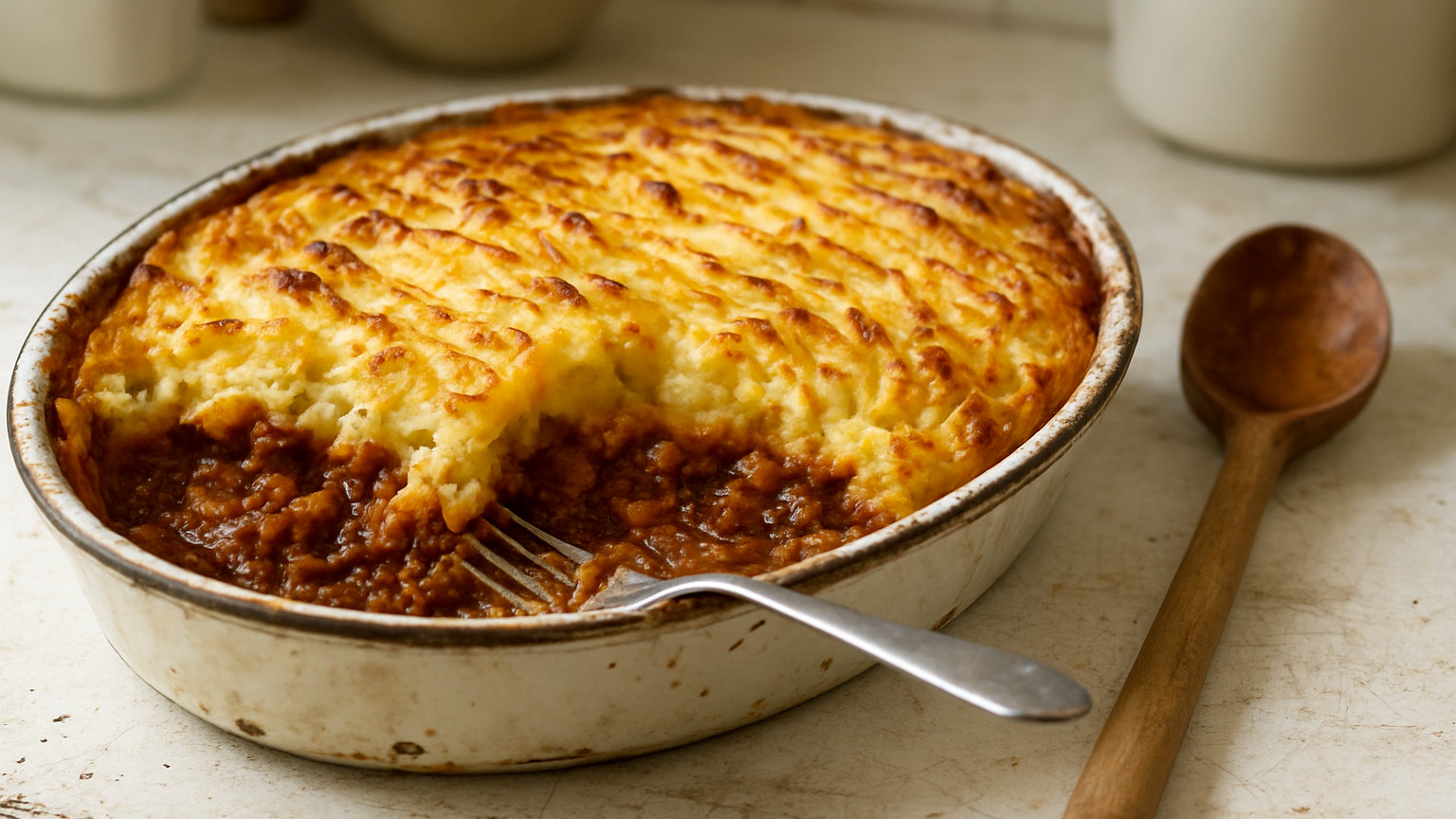
Cottage pie and shepherds pie freeze assembled and unbaked for three months. Defrost fully in the fridge before baking, since a frozen centre heats unevenly.
Raw burgers and meatballs freeze on a tray then bagged, and cook from frozen with extra time.
Does freezing affect the texture?
Raw mince releases more water after freezing, which makes browning harder. Drain it and pat it dry, and expect to work in smaller batches.
Cooked mince dishes are unaffected and often improve.
How do you reheat safely?
Until piping hot throughout, reaching 75C in the centre, and once only. Stir halfway through so there are no cold spots.
This matters more with mince than with whole cuts, for the reason given above.
Should you freeze it in its packaging?
Supermarket trays are not designed for the freezer and let air in. Repack mince into freezer bags, pressing them flat.
It also takes up far less space, since a flat bag stacks where a tray does not.
Can you freeze it near the use by date?
Yes, up to and including the use by date, and it stops the clock. It should still be cooked within 24 hours of defrosting.
Is freezer burn a problem?
It is quality rather than safety. Air causes it, so squeeze the bags flat and seal them well.
Affected mince is safe but dry, and it is best used in a heavily sauced dish rather than a burger.
Worth reading next: How to Make Mince Go Further. There is more in our Mains recipes.


